
To many of us, the thought of kids and dogs conjures up images of children and puppies being raised together in perfect harmony.
Although raising children and dogs together can be a beautiful experience for both child and dog, it can also be filled with tears and mishaps if it is not handled well by the adults.
It’s disappointing to see a child’s excitement for the arrival of their new puppy turn quickly to fear when the puppy biting ensues.
In order to ensure adding a dog to your household goes smoothly for all, it is essential for parents to have a plan in place to manage the children and the new puppy together.
Here is The Plan:
- Set reasonable expectations– know that dogs have natural instincts, especially when they are puppies, of biting and chewing. Herding breeds will herd children which includes nipping at ankles, etc. Do not expect a dog to slide smoothly into your home life without incident like a missing puzzle piece. Know natural dog behavior and set boundaries to support and manage it.
- Children and puppies should never be together unsupervised. Kids and young dogs don’t know how easily they can hurt or scare one another, and it is your job to monitor their interactions to protect them. Puppies will attempt to play with the kids like they would the littermates they just left behind using the same jaw force and puppy play techniques. This leads to unintentional injuries to children and fear of the puppy.
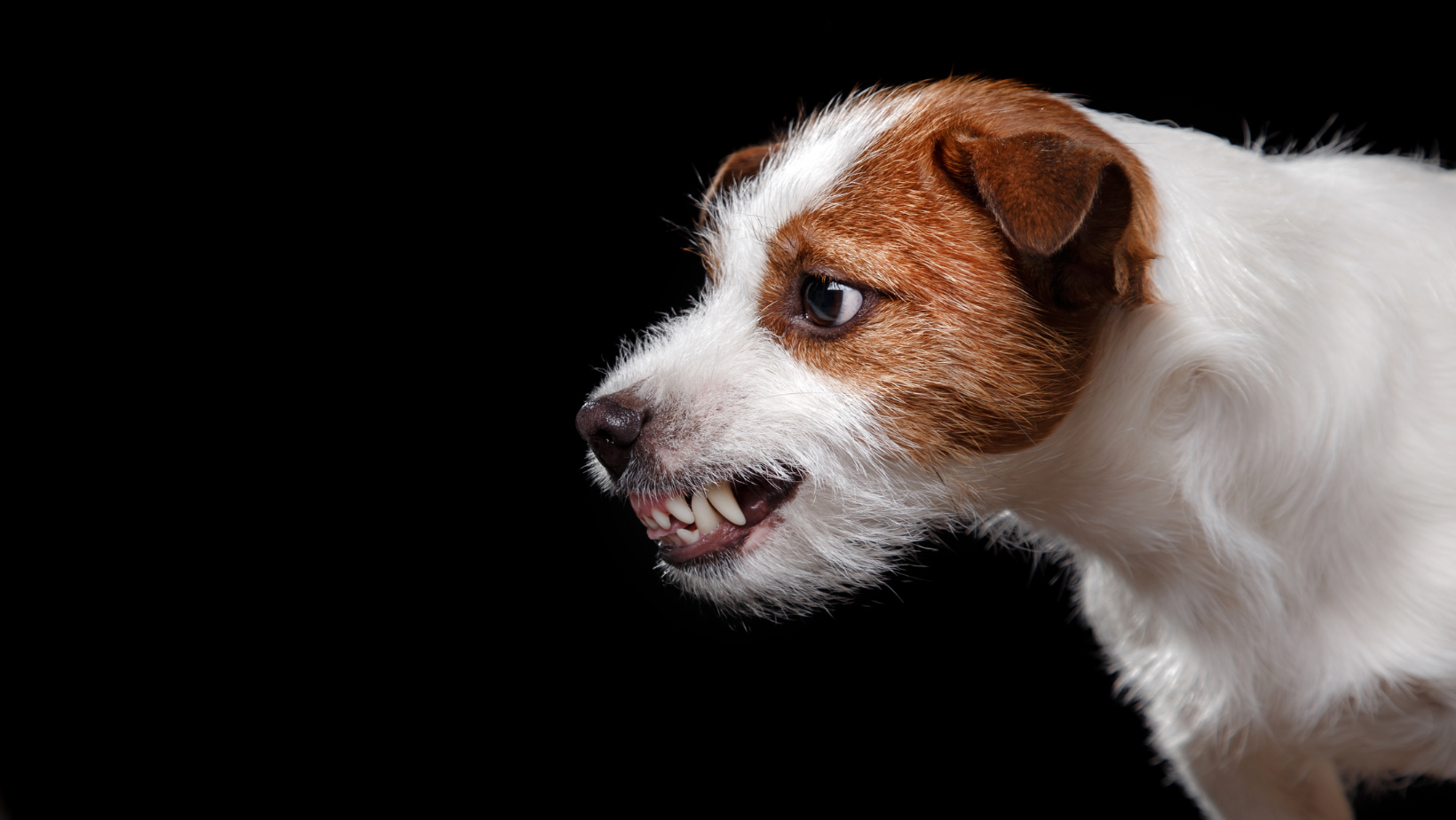
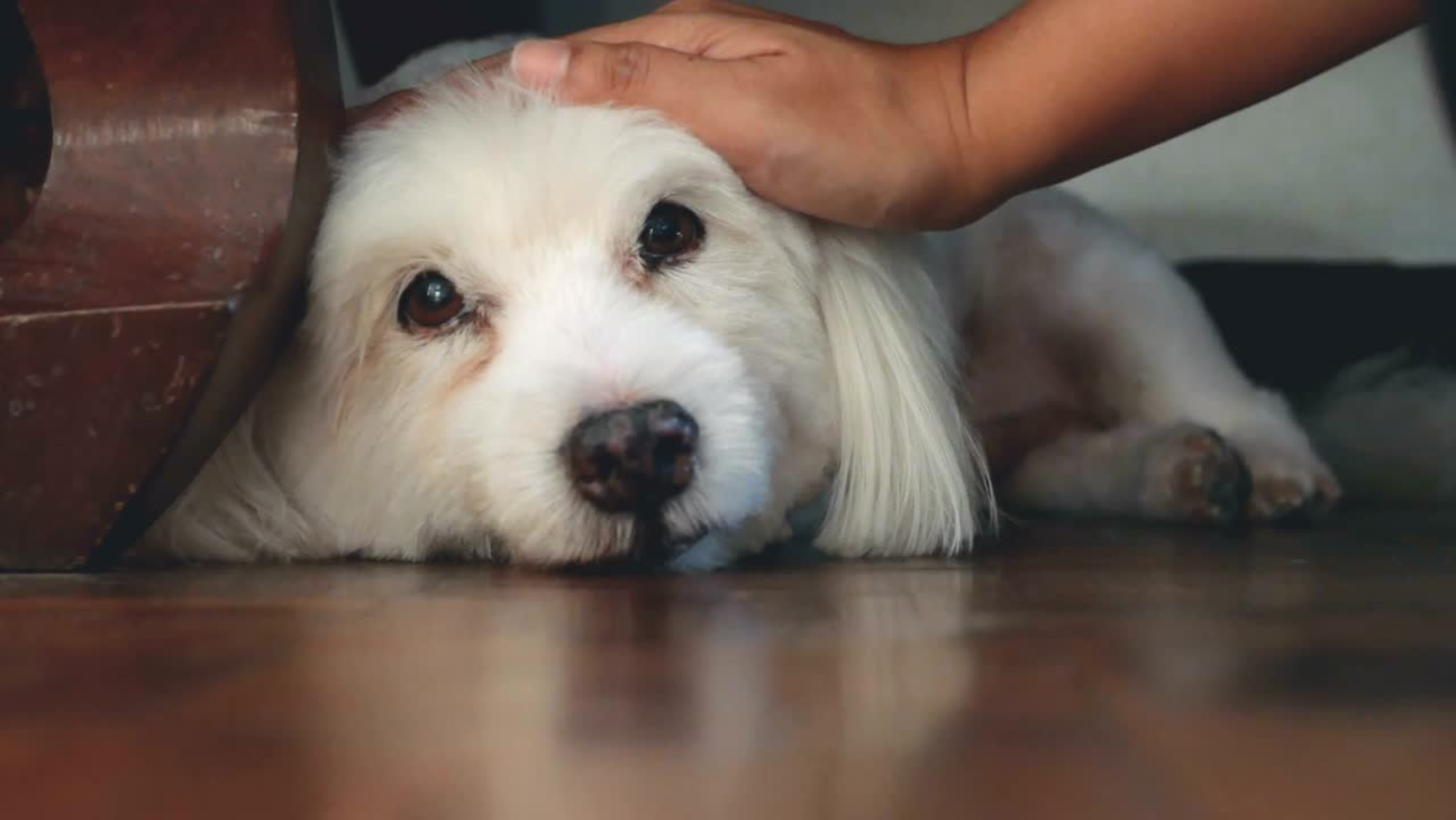
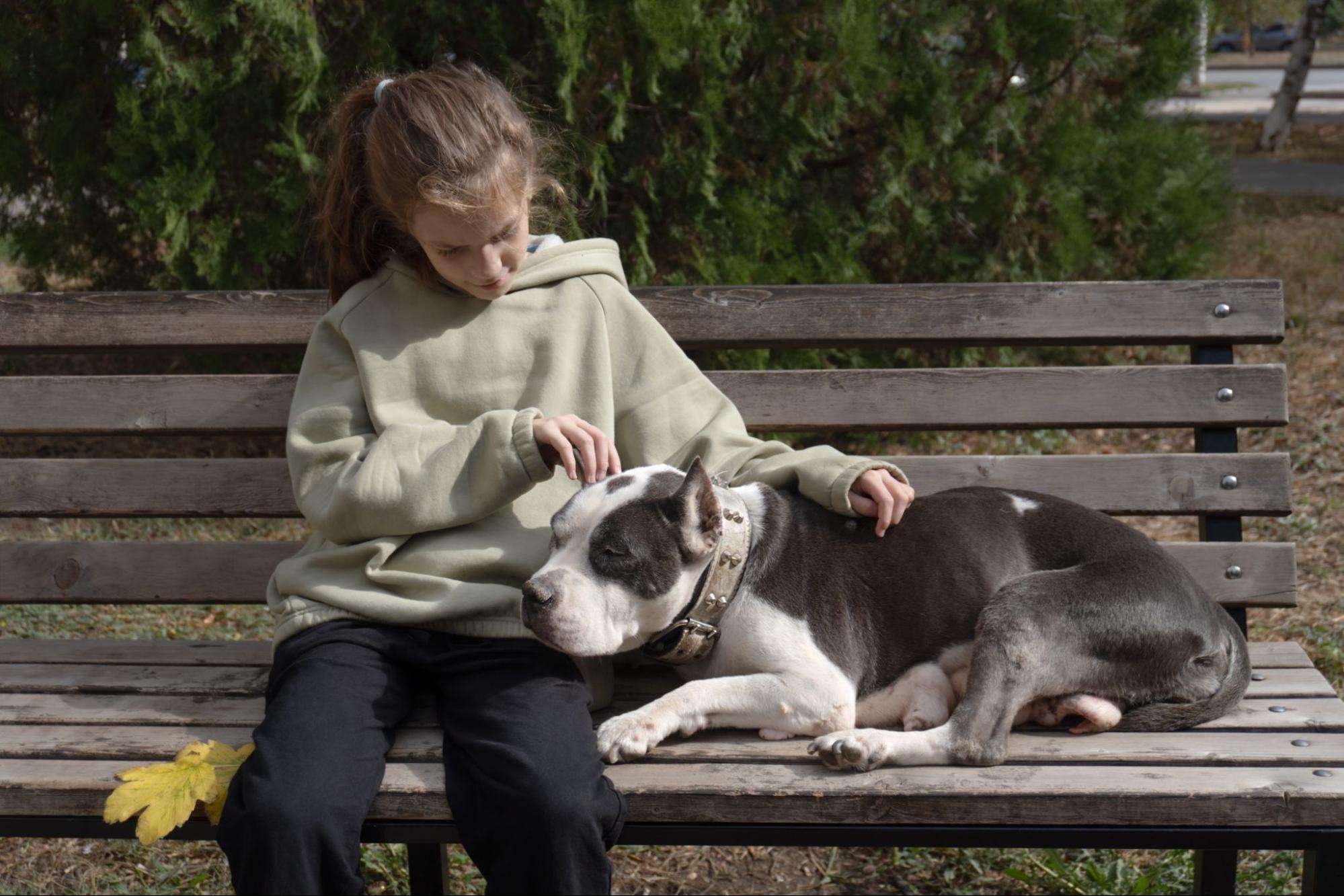
It can also go the other way, where a child doesn’t understand how to interact and be gentle with a dog causing fear and reactivity. Adults need to learn the signs of canine discomfort before a dog becomes so stressed and lashes out. Intervene long before a dog starts growling or snapping. - Teach children the right way to approach and pet the dog. Telling kids to be gentle is not clear enough. It is important to show them exactly what that means. Teach them to pet dogs on their chests and cheeks rather than patting them on the top of their head. Be careful of hugs because dogs often perceive hugs as rude and it can be extremely uncomfortable when for them.
- Prevent puppies from being picked up by children. Children often overestimate their ability to hold onto a squiggly puppy, putting puppies at risk of falling. I have seen too many tragedies from children accidentally dropping puppies or toy-breed dogs. Set this rule from the start. If you want to hold the puppy then you must sit on the floor.
- Prevent children and dog play during high-energy situations such as running, giggling, and screaming around the backyard with a puppy in tow. This is a prime scenario for puppy nipping and scratching. These heightened energy states are just too much for most puppies, causing the pup to behave inappropriately with the kids. Then the kids get hurt and become fearful of the dog.
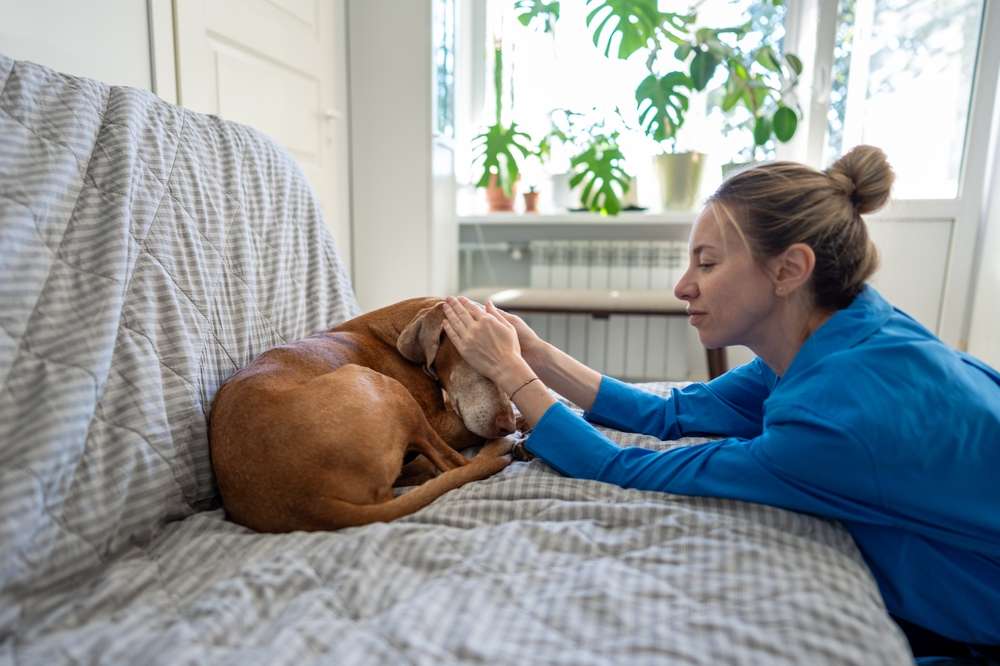
- All dogs need time to be left alone, and kids must be taught to allow this. If the dog is resting, do not disturb the sleeping dog. Child bites often occur when a child plops down on a sleeping dog and the dog reacts in surprise. Let the children know the risk of surprising a resting dog.
- Teach the children not to take anything out of the dog’s mouth such as a bone or toy. Teach your dog the “drop it” cue so that your kids can play safely with your dog without risk of your dog either demonstrating guarding behavior or accidentally chomping down on a child’s hand that is covering a toy.
- Involve the children in the care and training of the family dog. Make a goal list for tricks and obedience cues for the dog and, if your child is old enough, have them work on one new cue per week. Celebrate the newly learned trick or cue every Friday to reinforce this success! Teach responsibility through the care of the dog such as brushing, walking, controlled play, etc. When your child feels part of the family dog’s success, they not only learn the responsibility of raising a dog, but it strengthens the bond the two share.
To Summarize:
- Have a plan in place
- Understand dog body language & teach it to your kids
- Avoid interactions when the energy states are heightened
- Controlled, supervised play sessions.
- Don’t take chances.
- Only allow children to hold the puppies or small breed dogs if they are sitting on the floor.
- Separate when either is eating.
- No rough play, pulling games, or chase.
- Follow your gut instincts- if a situation feels like it could go south then intervene quickly.