
Introduction
Whether at home or on the road, having a well-equipped first aid kit for your dog is essential for addressing minor injuries and unexpected health issues. Building a comprehensive first aid kit ensures you’re prepared to provide immediate care until professional help is available. In this guide, we’ll outline the must-have supplies for both a home-based and car-ready dog first aid kit.
Home First Aid Kit Essentials
My Favorite Remedies To Keep On Hand
Nettles
Nettles are great to have in the event of an allergic reaction. Nettles contain histamines and quercetin, which stimulate the body to protect itself from allergens and boost anti-allergy effects. You can pick nettles, dry them, make nettle leaf tea, sauté fresh nettles in MCT oil, or use a pre-made nettle tincture. Here is a link to a Nettle tincture I recommend. This is a good one to have in your medicine cabinet!
Ledum Palustre
Ledum Palustre, a homeopathic remedy, is often recommended for treating insect stings in dogs. Known for its anti-inflammatory properties, Ledum Palustre can help alleviate swelling, pain, and itching associated with insect bites.
Dosage: Follow the recommended dosage based on the specific Ledum palustre product you have. This can vary depending on the form (pellets, liquid, etc.) and the potency. Generally, a low potency (e.g., 30C) is suitable for acute situations.
Form: Ledum palustre is available in various forms such as pellets, liquids, or as part of homeopathic combination remedies.
Administration: You can administer Ledum palustre directly into your dog’s mouth, ideally without food or water interfering, for about 15 minutes before and after administration.
Dilution: If you have the liquid form, you can dilute it in a small amount of water and use a syringe to squirt the solution into your dog’s mouth.
Frequency: Repeat the Ledum palustre dosage as needed, especially if there are persistent symptoms. It’s generally safe to administer Ledum palustre a few times in a short period for acute situations. As things resolve, the frequency is reduced.
Calendula
Calendula officinalis, commonly known as calendula or pot marigold, is a flowering plant that belongs to the daisy family. It has a long history of traditional medicinal use and is known for its anti-inflammatory, antifungal, and antibacterial properties. In dogs, calendula can be used topically to soothe skin irritations, cuts, and minor wounds. Calendula is often used for cuts and wounds that are raggedy looking may be raw and bleeding, and can be very painful. Carry a small bottle of calendula tincture or spray so you can apply it directly to wounds.
Manuka Honey
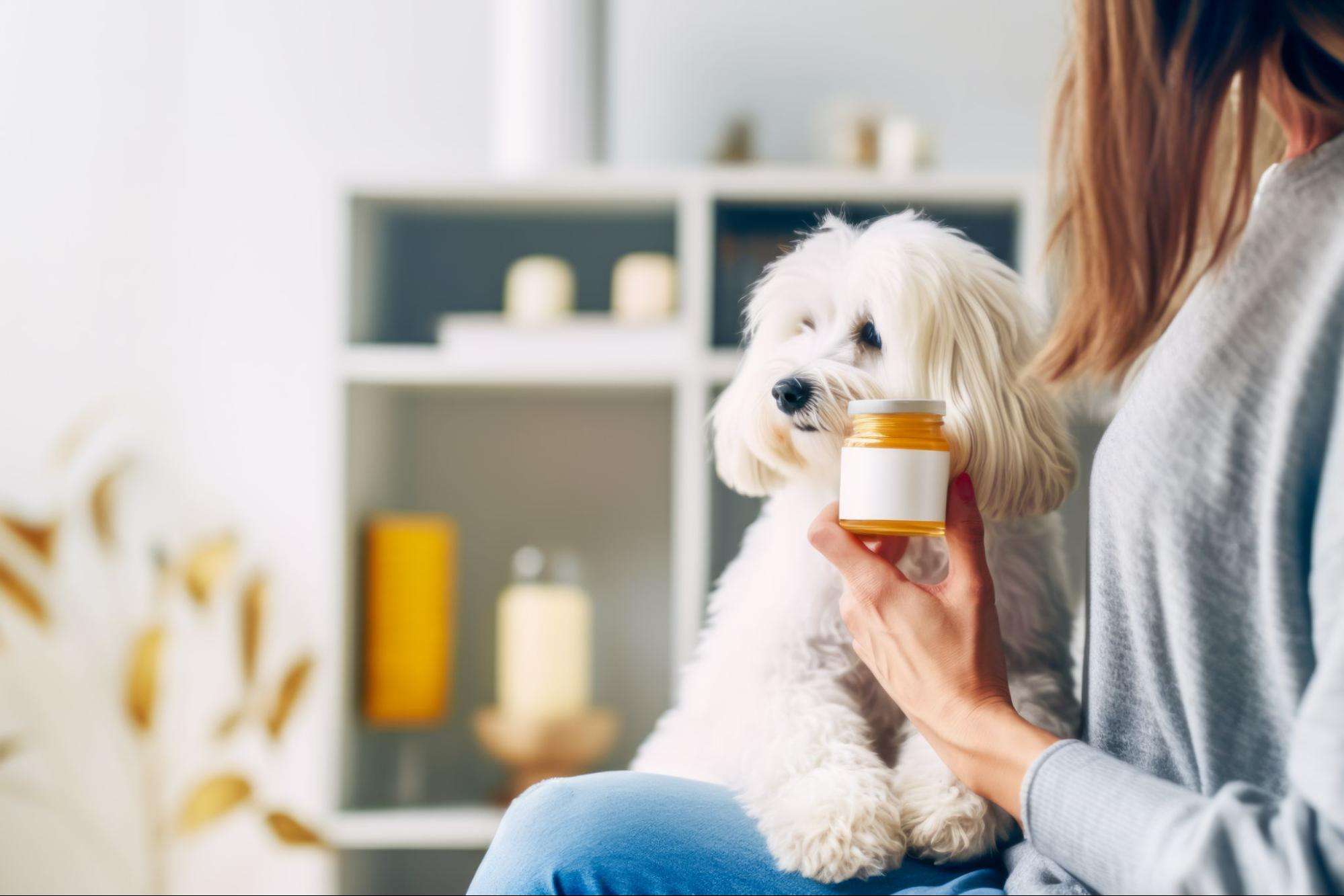
Manuka honey is a valuable addition to your dog’s first aid kit due to its natural antibacterial and wound-healing properties. It can be applied topically to cuts, wounds, hot spots, or burns to promote healing and prevent infection. The unique components in Manuka honey, such as methylglyoxal, enhance its therapeutic benefits, making it an essential resource for addressing minor injuries. Apply directly to cleaned wounds.
CBD Oil
CBD oil from organic hemp has many health benefits, from controlling inflammation, managing stress and even prevention and support of cancer. Including CBD oil in your dog’s first aid kit can be beneficial for managing stressful situations and anxiety. Whether it’s dealing with fireworks, thunderstorms, travel-related stress, or an injury, CBD oil can be a natural and holistic way to promote a sense of calmness in your furry friend. This healing oil can also be used topically for wounds and burns. It’s essential to choose a high-quality CBD oil, and consulting with your veterinarian can help determine the appropriate dosage for your dog’s specific needs. I like these products from CBD Dog Health, both Oil and salve.
Yarrow (Achillea millefolium)
Yarrow (Achillea millefolium) is a fantastic addition to your dog’s first aid kit due to its anti-inflammatory properties and ability to promote new tissue growth and stop bleeding. It’s particularly effective for treating bruises, sprains, and strains. Additionally, yarrow’s protective qualities against bacteria and fungi make it an excellent choice for cuts, bites, burns, and stings. You can use yarrow in various forms, such as a salve, poultice, or tea, or simply apply the fresh plant to the affected area.
Arnica Montana
Like Calendula, Arnica is also a member of the sunflower family, and like Calendula, it is also known as a first-aid go-to. Arnica is renowned for its anti-inflammatory properties, making it effective in reducing swelling and bruising caused by minor injuries or trauma. Arnica is often used topically to alleviate pain associated with muscle soreness or strains in dogs. Do not use it on open wounds because it has the potential to decrease the body’s ability to form clots. You must be present with your dog during the entire treatment so as to keep them from licking the affected area because ingestion can be toxic to your dog. To apply, use arnica gel or infused oil (not essential oil) to the skin and wrap with gauze or compress. Put an Elizabethan cone on your dog if they are too big for you to easily stop from trying to lick. Keep the compress or gauze on your dog for at least 20-30 minutes or as long as possible. Apply twice per day for up to 3 days.
Yunnan Baiyao
Yunnan Baiyao should be a staple in your dog’s first aid kit due to its remarkable hemostatic properties. In case of injuries that cause bleeding or suspected internal hemorrhage, this traditional Chinese medicine can help control bleeding and promote clotting. Give the little red emergency pill in the middle of the packet if an internal hemorrhage is suspected. Give 1 capsule for small dogs and 2 capsules for medium to large dogs for external hemorrhage. Seek veterinary care as soon as possible.
Ginger (Zingiber officinale)
Ginger can help alleviate vomiting in dogs. You can administer it in various forms, such as fresh ginger (1/4 teaspoon per 20 pounds of body weight), ginger capsules (100-200 mg for a medium-sized dog), or ginger tea (brewed and cooled, with a dosage of 1-4 tablespoons depending on the dog’s size.
Activated Charcoal
Activated charcoal can help absorb toxins and irritants. This is helpful to give if your dog has accidentally ingested a poison or toxin. However, do not give this if your dog is actively vomiting because of the risk of aspiration pneumonia. In the clinic, we will give this after an antiemetic has been given to prevent further vomiting. The recommended dosage is approximately 1 gram per pound of body weight. It’s essential to consult with your vet before using activated charcoal, especially in an emergency.
Essential Materials
Gauze Pads and Bandages:
- Keep a variety of sterile gauze pads and bandages to dress wounds and control bleeding. Include adhesive tape for securing the bandages. Vet wrap, gauze, sterile non-adhesive pads, and tape are needed for a proper bandage.
Antiseptic Wipes and Solution:
- Disinfect wounds and cuts using antiseptic wipes or solutions to prevent infections.
Scissors and Tweezers:
- Have a pair of blunt-end scissors for cutting bandages and tweezers for removing splinters or ticks.
Digital Thermometer:
- Monitor your dog’s temperature with a digital thermometer. Normal ranges are generally between 100-102.
Disposable Gloves:
- Protect yourself and maintain hygiene by using disposable gloves when providing first aid.
Sterile Saline Solution:
- Rinse dirt or debris from your dog’s eyes or wounds using a sterile saline solution.
Hydrogen Peroxide:
- Keep a bottle of hydrogen peroxide (3%) for inducing vomiting if your dog accidentally ingests a poison. Call your vet immediately for guidance and to be sure it is an appropriate and safe plan for the specific ingestion. The dose is 1–2 mL/kg orally up to 2–3 times, not to exceed 45mls total. Hydrogen peroxide has the potential to cause gastritis and esophagitis. If you can get to a vet within 20 minutes of ingestion of a toxin, then I would advise having your vet perform emesis in the hospital setting with apomorphine instead. In the case of an NSAID ingestion, I feel the risk of esophagitis is less worrisome than the risk of renal damage and GI ulceration from the NSAID, so I will tell these pet parents to go ahead with administering peroxide at home and then head to the clinic.
Betadine
- Having Betadine in your dog’s first aid kit is important for its antiseptic properties, helping to clean and disinfect wounds, cuts, and minor injuries. The iodine-based solution can effectively prevent infections and promote a faster healing process. A dilute betadine soak (make it a light tea color) is great for foot injuries or skin allergies.
Psyllium husk powder
- Psyllium husk is beneficial for canine diarrhea due to its high soluble fiber content, which helps absorb excess water in the intestines and forms a gel-like substance. This can add bulk to the stool, promoting better-formed bowel movements and alleviating diarrhea. Additionally, psyllium husk can have a soothing effect on the digestive tract, making it a natural and gentle remedy for managing diarrhea in dogs. Dosage: Add plain psyllium husk (Breeds up to 20 pounds -one teaspoon twice daily; medium dog breeds up to 20-40 pounds -two teaspoons twice daily, and large dogs breed above 40 pounds 1–2 tablespoons twice a day). Mix with warm water. This dose can be increased or decreased based on the severity of the diarrhea and response to treatment. I recommend giving it until you have had at least 2 days of formed stools.
Emergency Contact Information:
- Include a list of emergency phone numbers, including your vet’s contact details and the nearest emergency pet clinic.
First Aid Kit For The Car
Compact Blanket:
- Provide warmth and comfort with a compact, travel-friendly blanket.
Collapsible Water Bowl (or a canine water bottle) and Water:
- Ensure your dog stays hydrated during car trips by having a collapsible water bowl and a bottle of fresh water. I like this water bottle by Springer Pets. Keep water in a stainless steel container and not plastic.
Insect Repellent
- I keep a natural insect repellent in the car, so I always have it if we decide to stop for a hike or a walk in a wooded area.
Tick Removal Device
- To avoid tick-borne diseases, it’s important to remove ticks quickly. Carrying a pair of tweezers or a device like a tick key can help you get ticks off your dog before they cause any harm.
Emergency Dog Food:
- Pack a small supply of your dog’s regular food to cover unexpected delays or emergencies. Since most of us here likely feed a raw or cooked diet, you can have an air-dried or freeze-dried diet in an air-tight bag as backup for emergencies.
Reflective Leash and Collar:
- Enhance visibility during nighttime or low-light situations with a reflective leash and collar.
Pet First Aid Manual:
- Include a basic pet first aid manual for quick reference on the go. I need to write one of these…
Conclusion
Building a dog first aid kit for both home and car empowers you to respond effectively in various situations. Regularly check and update your supplies to ensure they remain in good condition. Remember, while a first aid kit is valuable, professional veterinary care is crucial for serious injuries or health concerns. Prepare, stay informed, and prioritize your dog’s well-being wherever your adventures take you.