
Introduction
Let’s talk about something that’s a bit “eww” but incredibly powerful for your dog’s health: fecal transplants! Yes, you read that right—sometimes, a little poop from a healthy dog can work wonders for another dog’s gut health. Think of it as a probiotic smoothie, but, well… you get the picture. ????
In recent years, fecal transplant therapy has emerged as a revolutionary approach to restoring and maintaining a balanced microbiome in dogs. For pet guardians dedicated to enhancing their dog’s well-being, this therapy offers a natural way to support gut balance, tackle chronic health issues, and improve overall vitality. So, let’s dig in and explore what fecal transplants are, how they work, why they’re effective, and what health conditions they can actually treat. We’ll also cover why testing your dog’s microbiome is the first step on this journey.
What is Fecal Transplant Therapy?
Fecal transplant therapy, also known as fecal microbiota transplantation (FMT), involves transferring beneficial bacteria from a healthy donor dog’s stool into a recipient dog’s gastrointestinal (GI) tract. The goal? To reboot the gut microbiome by reintroducing a diverse range of good bacteria. Think of it as planting a “community garden” in your dog’s gut—only instead of flowers, we’re cultivating bacteria that help with digestion, immune function, and overall health.
How Fecal Transplants Are Administered
Now, if you’re wondering how to actually give your dog a fecal transplant without either of you giving each other a very concerned look, here’s how it can be done:
- Capsules or Oral Supplements
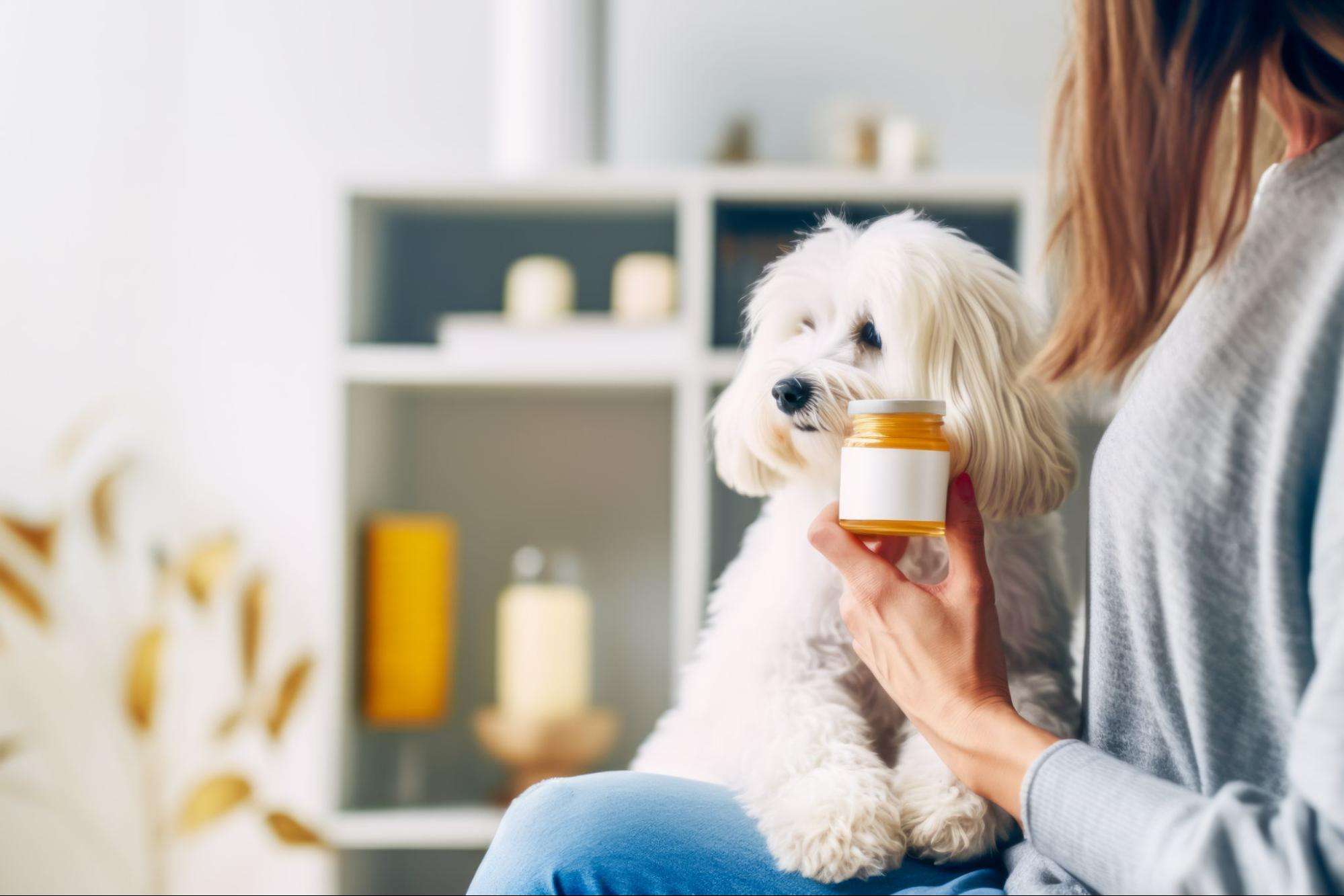
Freeze-dried fecal matter from a healthy donor is encapsulated in pill form, allowing you to give it like any other supplement. You could say it’s a “poo-pill” (sorry, couldn’t resist!). But on the upside, it doesn’t smell, and it’s packed with gut-healthy bacteria. - Enemas
In this method, fecal material is introduced directly into your dog’s colon through an enema. While it may sound a little, um, invasive, it can actually deliver fast results for dogs dealing with serious GI issues. This should be done by a qualified veterinary professional. I will often turn to this method for severe symptoms or for cases where the capsules did not show adequate results.
Why Fecal Transplants Work
The gut microbiome plays a massive role in keeping our dogs healthy. When things are off-balance, your dog’s digestion, immunity, and even mood can suffer.
Fecal transplants work by restoring the gut microbiome with a healthy variety of bacteria. Introducing these “good guys” helps:
- Outcompete harmful bacteria that may be wreaking havoc
- Rebalance the gut after antibiotics or illness
- Boost immune function and resilience to illness
- Support nutrient absorption, keeping your pup feeling good and energetic
By replenishing the microbiome with the right bacteria, we’re giving the gut a fresh start, helping your dog feel better from the inside out.
What Fecal Transplant Therapy Can Treat in Dogs
You might be wondering, “Why go through all this trouble?” Fecal transplant therapy can address a surprising number of health issues:
- Chronic Diarrhea and GI Disturbances: Dogs with persistent diarrhea often benefit from FMT, as it helps restore balance in the GI tract and normalize stool consistency. Goodbye, tummy troubles!
- Antibiotic-Associated Dysbiosis: Antibiotics can wipe out good bacteria along with the bad, leading to imbalances. FMT restores the balance so your dog doesn’t end up with new gut problems.
- Inflammatory Bowel Disease (IBD): FMT may reduce inflammation and ease symptoms of IBD, making it easier for your dog to digest food without discomfort.
- Allergies and Skin Conditions: Most, if not all, allergies are linked to gut health. By reintroducing healthy bacteria, FMT can reduce allergy symptoms, helping your dog feel better inside and out.
- Immune System Support: A strong microbiome means a strong immune system. FMT can improve your dog’s overall resilience to illness.
Testing Your Dog’s Microbiome: The First Step Toward Gut Health
Before jumping into fecal transplants, it’s smart to test your dog’s microbiome. Testing helps you get a clear picture of what’s going on in your dog’s gut. Are they missing certain good bacteria? Do they have too many harmful ones? Knowing this helps you and your vet develop a plan that’s right for your dog.
Benefits of Testing Your Dog’s Microbiome
- Pinpoint Imbalances
Microbiome testing shows the types of bacteria present in your dog’s gut, helping identify which beneficial bacteria are low and which harmful ones might be taking over. - Personalized Recommendations
Armed with test results, your vet can create a targeted plan to restore balance—whether that’s through diet adjustments, probiotics, or fecal transplant therapy. - Track Improvements
Retesting after treatments or dietary changes allows you to see how well your dog’s gut has responded and if any further steps are needed. - Preventive Care
Testing can help catch imbalances early, potentially preventing future health issues.
Recommended Companies for Canine Microbiome Testing
A few reputable companies, such as AnimalBiome and VDI labs, offer microbiome testing for dogs. They provide insights into your dog’s gut health, helping you understand and manage their unique needs.
Recommended Companies for Canine FMT Capsules
I like to use Legacy Biome.
Is Fecal Transplant Therapy Right for Your Dog?
While fecal transplant therapy might sound a bit unconventional, it’s shown to have promising benefits for dogs with chronic gut issues, immune challenges, and even allergy-related conditions. As always, consult with a holistic or integrative vet to determine if FMT is right for your dog’s specific needs.
And remember, this is one case where a little “poo” really can do wonders for health!
Conclusion: A Natural Path to Improved Health and Vitality
Fecal transplant therapy offers a natural, effective way to restore gut balance and improve your dog’s quality of life. By considering FMT alongside microbiome testing, you’re empowering yourself with knowledge and tools to give your dog the best care possible. Whether you’re dealing with a specific health issue or simply want to enhance your dog’s vitality, exploring the health of their microbiome is a powerful first step.
Q&A: Fecal Transplant Therapy and Canine Gut Health
Q: Is fecal transplant therapy safe for my dog?
A: Yes, when performed by a qualified veterinarian, fecal transplant therapy is generally safe. Donors are carefully screened to ensure they are healthy and free from parasites or harmful bacteria. Always consult with a holistic or integrative vet to determine if FMT is appropriate for your dog.
Q: How soon can I expect results from fecal transplant therapy?
A: Results vary depending on the dog and their specific health conditions. Some dogs show improvement within a few days, especially for issues like diarrhea, while others may require multiple treatments or take a few weeks to experience full benefits.
Q: Can fecal transplants be done at home?
A: Yes, fecal transplants can be done at home by ordering capsules from companies such as Legacy Biome. These capsules contain processed fecal material from healthy donors and are designed for easy, at-home administration, allowing you to support your dog’s gut health conveniently.
Q: How often should I test my dog’s microbiome?
A: Testing can be done initially to assess gut health and periodically thereafter, especially if there are recurring digestive issues or if you’re monitoring the effects of treatments like FMT. Some guardians choose to test annually, bi-annually or as recommended by their vet for preventive care.
Q: Can fecal transplant therapy help with my dog’s allergies?
A: Yes, FMT may help reduce allergy symptoms that stem from gut imbalances, as the gut plays a major role in immune function. By restoring a healthy microbiome, FMT can support the immune system, which may alleviate allergy-related skin issues and inflammation.
Registration for The Dog Mom Society is open!
In our community you’ll gain clarity on all things canine nutrition and holistic wellness.
Together, we’ll navigate this journey to enhance your dog’s health, happiness, and well-being.
And you’ll gain the confidence that you’re doing right by your dog every step of the way!
One Comment
Comments are closed.















I’ve seen many puppies eat the “fresh” poop of other dogs. Is this an instinctual and effect means of fecal therapy for gut biome diversity?