
Introduction
Hiking with dogs is a popular activity among outdoor enthusiasts, with millions of dog owners in the U.S. alone participating in this activity each year. As a dedicated dog guardian, the joy of hiking with your dog is unmatched—there’s something truly special about exploring the great outdoors together. However, to ensure both your comfort and safety on the trail, it’s crucial to be well-prepared. This includes meeting your dog’s needs and being mindful of other hikers you may encounter. In this article, we’ll cover everything you need to know for a safe and enjoyable hiking adventure with your furry companion.
 1. Ensuring Your Dog Is Physically Fit for Hiking
Not all dogs are built for the physical demands of hiking. Brachycephalic breeds, like Bulldogs, Pugs, and Shih Tzus, often struggle with endurance and are sensitive to heat, making them less suitable for long hikes, especially in warm weather. Even toy breeds, while eager, may need extra support, like a doggie backpack for when they tire out. In contrast, sporting breeds such as Retrievers and Terriers typically thrive on strenuous hikes. Ensure your dog is at a healthy weight, has had a recent vet check-up, and gradually increase their activity level before hitting the trails. Watch for signs of fatigue or heat exhaustion, such as excessive panting or reluctance to continue, and always be prepared to stop and cool them down if necessary

2. Training Tips For Hiking
Before letting your dog off-leash on a trail, ensure they have a strong recall to prevent them from getting lost, engaging with other dogs, or disturbing fellow hikers. Solid loose-lead walking is also essential for an enjoyable hike.
Key commands to strengthen before your hiking adventures include:
- “Come”: Vital for recall.
- “Down”: Stops your dog in their tracks if danger arises.
- “Heel”: Keeps your dog close when passing others.
- “Sit”: Regains attention in distracting situations.
- “Easy”: Promotes calm behavior around others.
- “Wait”: Pauses your dog mid-hike.
- “OK”: Releases your dog from a previous command.
- These commands will enhance safety and enjoyment for both you and your dog on the trail.
 3. Know The Rules and Regulations of the Trails
When hiking with your dog, it’s crucial to follow the rules and regulations of the trails. In national parks, pets are typically allowed in most areas but may have restrictions on leash usage depending on the time of day. State forests often prohibit dogs from entering wildlife sanctuaries and lakes, though they are usually welcome in state parks. To avoid any surprises, research trail regulations before your trip. It’s better to be prepared than to have to turn back once you’ve arrived.

woman hiker dog outdoors in the mountains travel vacation. High quality photo
4. Packing Essentials For Your Adventure
Essential Equipment
When preparing for a hike with your dog, it’s essential to pack the right gear. Start with a First Aid Kit that includes tweezers, medical tape, scissors, bandage materials, a digital thermometer, hydrogen peroxide, styptic powder, Benadryl, antiseptic wipes, and topical wound spray. Don’t forget a Water Container like a dog water bottle or collapsible bowl, along with Treats and Natural Flea and Tick Preventatives. Walking Equipment such as leashes, harnesses, and a collar with identification is crucial.
Additionally, make sure to bring Poop Bags to keep the trail clean and a Towel for drying off your dog after a swim. Doggie Boots are a must for rough terrain or hot surfaces, while Nail Clippers help maintain paw health. To keep your dog comfortable, pack a Cooling Collar and Cooling Coat for hot weather, or a regular coat for cooler months.
Remedies To Bring
When hiking with your dog, it’s essential to be prepared for any situation that may arise. I always carry a few key remedies in my first aid kit to ensure my dog’s safety and comfort on the trail. Nettles are excellent for allergic reactions, while Ledum Palustre is a go-to for insect stings. For cuts and wounds, I rely on Calendula and Manuka Honey for their healing properties. CBD oil is invaluable for managing stress and inflammation, and Arnica Montana helps with muscle soreness. Additionally, Yarrow and Yunnan Baiyao are great for stopping bleeding, and ginger can soothe upset stomachs. These natural remedies can help you handle most minor emergencies, keeping your dog safe and healthy during your outdoor adventures.
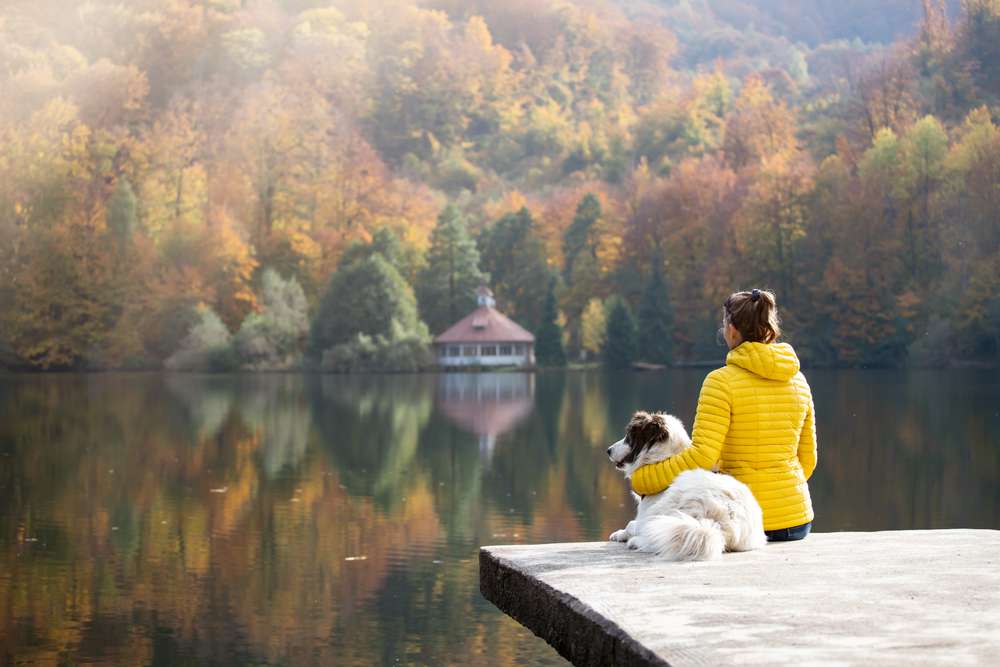
The fall season offers the perfect weather to enjoy the outdoors with your dog, so take advantage of it! Whether it’s a day trip to the woods or a weekend in the mountains, plan some epic adventures with your canine companion. Be prepared, stay safe, and savor the time spent together while exploring the beauty of nature. There’s nothing quite like experiencing the great outdoors with a dog by your side.