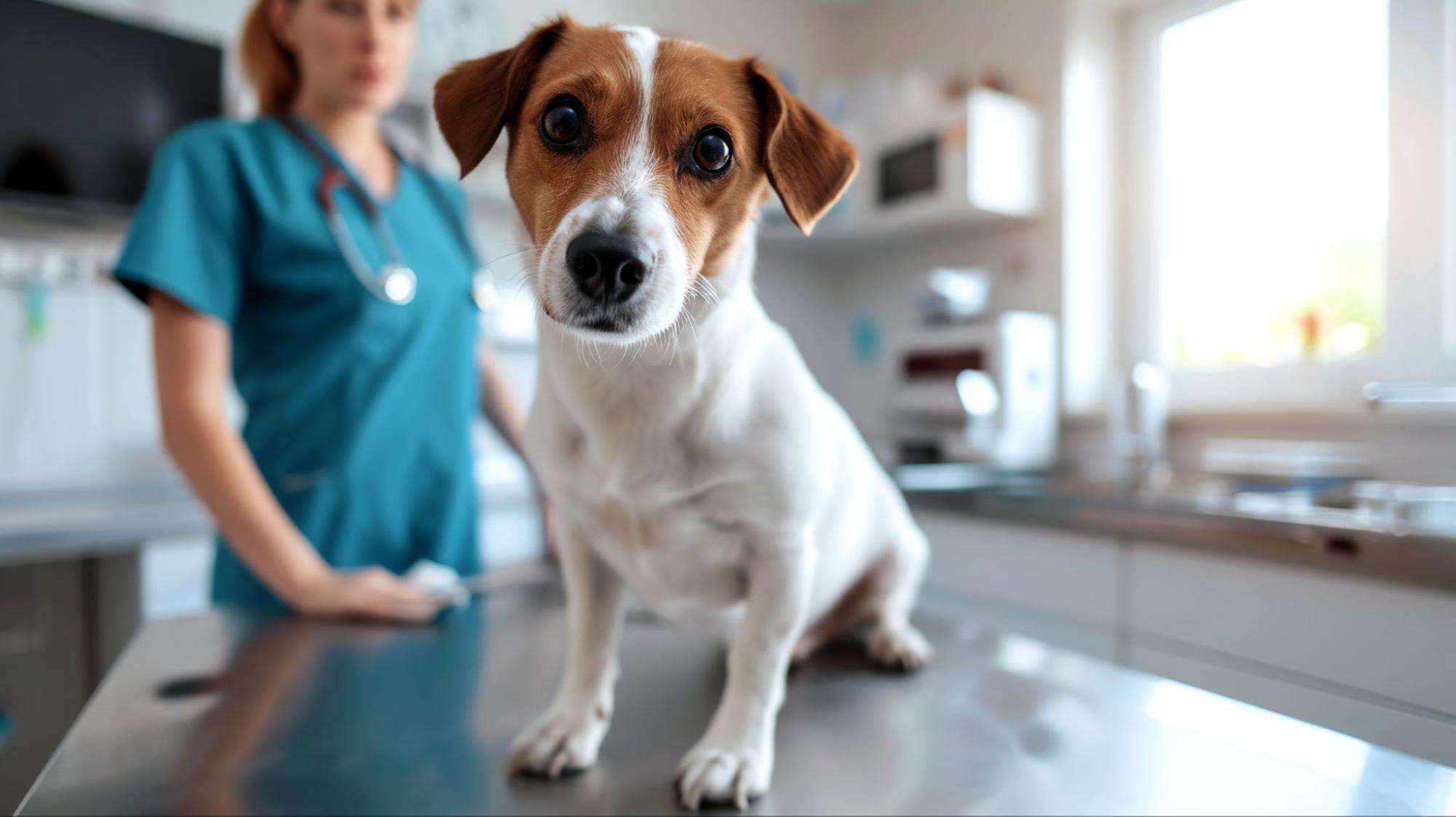

I grew up reading every James Herriot book I could get my hands on. He was the quintessential veterinarian I aspired to be. The beloved local vet that everyone knew and trusted. For many years, veterinarians were viewed through the lens of James Herriot. And as a profession, I think we lived up to his great example. We were respected, trusted, and even loved. However, the days of the James Herriot veterinarians and their loyal clients seem to be fading. The trust has been lost. Why is this great divide forming between veterinarians and dog guardians?
The Dog Guardians’ Perspective
Dog guardians are becoming more aware of the negative effects of highly processed diets, over-vaccination, and overuse of toxic pesticides. The common sense of it is becoming clear. Maybe they have lost a dog too young and realize some of the decisions they made around their dog’s health contributed to the shortened lifespan. Maybe they
A common scenario is that of the dog guardian who approaches their veterinarian with alternate or new ways of caring for their dogs such as feeding a fresh diet or requesting a titer rather than vaccines. The vet’s reaction will often be defensive and they may reach for false, out-dated statements such as “feeding raw is too dangerous due to exposure to salmonella” or “dry kibble is the only way to ensure you’re providing a balanced diet”. In my opinion, I think these empty responses are a result of vets not taking (or having) the time to study nutrition. Instead they continue to stick to old beliefs that were taught to them by food sales reps or old mentors. Vets schools, just like meds schools, do not cover enough nutrition. The result of vets responding to clients this way results in a loss of trust from dog guardians. Guardians then turn to Dr. Google, social media, and other pet professionals to make health decisions for their dogs.
The Veterinarians’ Perspective
In the veterinarian’s defense, I must say the amount of higher education, time and money that goes into becoming a veterinarian deserves some recognition. It can be quite frustrating to have dog guardians approach you with a statement, “I read on the internet that…” after you’ve worked so hard to gain the knowledge to be there for them and their pets. This approach is the fastest way to piss off a vet.
To be fair, let’s take a moment to consider the vet’s perspective…veterinarians are held to very high standards and expectations by pet owners. They are expected to get a full diagnostics work-up and develop a treatment plan within a 45 minute window. But your own MD will call you next week with Xray results and that’s acceptable. But if you’re a vet… it’s not. Vets must finish a large dog spay (one of the most difficult surgeries) within an hour and ultimately charge pennies. They are expected to know the body systems, diseases, and treatments of multiple species. “You have a rabbit here with diarrhea and a dog dental waiting for extractions on the table”, is not an uncommon scenario. They are expected to be your dog’s ophthalmologist, dentist, surgeon, behaviorist, internist and dermatologist. And vets are also the support and guide during emotional end-of-life decisions. This is just touching the surface of what a veterinarian is expected to excel at on a daily basis. The heavy emotional and intellectual strain is likely one reason veterinarians aren’t taking the time to keep up on the latest research or learning nutrition on their own. It takes much less effort to have a sales rep tell you which prescription diet to recommend…
Another major factor affecting the way veterinarians practice today is the corporate companies that are taking over veterinary clinics. These corporations push their veterinarians to over-vaccinate, sell prescriptions diets and push the company’s own toxic pesticides. They use fear tactics by having seminars presented by reps from the manufacturers of vaccines, diets and pesticides “teaching” the danger of not following their protocols. They hire new grads who might be more easily influenced and molded.
As an emergency veterinarian of over 20 years I have seen, first hand, how highly processed diets, over-vaccination, juvenile neutering and toxic pesticides are leading to the epidemic of obesity, chronic illnesses, and cancer in dogs. I have a different perspective than most general practitioners who mostly concentrate on preventative care. I’m the one trying to save the animals in the ER because of life-threatening immune-mediated diseases three weeks after unnecessary vaccines were given…I am very frustrated with my col·leagues who are unwilling to see that these out-dated recommendations are causing dogs to live shorter lives. But I also have compassion for them and I know that the vast majority of vets are in this career for the right reasons. hey may just be misguided, exhausted and fearful of straying from what has been the “norm”.
I believe there is hope for a future where devoted, educated dog guardians and hard-working, dedicated veterinarians will come together to improve the way we care for our dog’s health. Dog guardians showing up as their dog’s health care advocates with higher expectations can start to open vet’s eyes to effective, natural ways that work. Veterinarians will need to seek nutrition education beyond their sales reps lunch and learns and remember that food can heal and prevent disease.
We need each other in order to bring dog health to the next level. To extend dog’s lives and stop the obesity, cancer, and the chronic diseases that are taking our dogs too soon.
The Veterinarians’ Perspective
Vets are tired. They are overworked, underpaid, and ultimately burned out. Covid had substantially accelerated this already trending scenario for vets. The clinics are busier than ever because of covid dog adoptions, and they are understaffed because underpaid, over-worked employees are no longer willing to put up with it and rightfully so.
Veterinarians are seeing clients every 15 minutes to keep up with the demand and are working multiple long shifts per week. Many vets are sticking to outdated protocols because they have no time to research and develop new ones. They are so busy saving lives down the river, they don’t have time to go upstream and see who’s throwing them in. And, in my opinion, it is the highly processed diets, over-vaccination, juvenile spays/neuters and overuse of toxic pesticides that are the culprit.
I hope that with awareness of each other’s perspectives, being cognizant of how we approach each other, and remembering that we are all here for a common goal, we can built the trust between dog guardians and veterinarians once again. It takes both to ensure that dogs live their longest, most vibrant lives.