
How to use chewing to up-level your dog’s health INSTEAD of letting it wreck your house
Why Do They Do It?
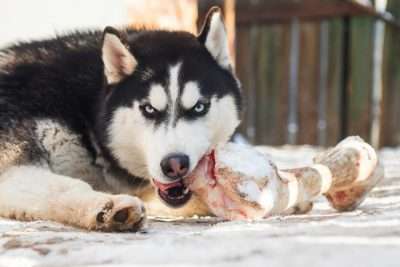 Dogs use their mouths to explore just as we would use our hands. New puppies have the most to learn and are thus more curious. So chewing is more obvious, and can be frustrating for us, in the littles. Puppies will chew more during teething however this is not the primary reason for chewing.
“Chewing, for a dog, is like a human opening a door and looking into a room,” said Colin Tennant, the chairman of the U.K. Canine and Feline Behaviour Association. “People are nosy, and so are the dogs. But they investigate with their mouths, because they don’t have hands.”
Dogs also chew to clean their teeth and keep their gums healthy. Bones are nature’s toothbrush … chewing removes plaque and tartar from teeth and freshens breath.
They will also chew just out of boredom.
How To Control the Destructive Chewing
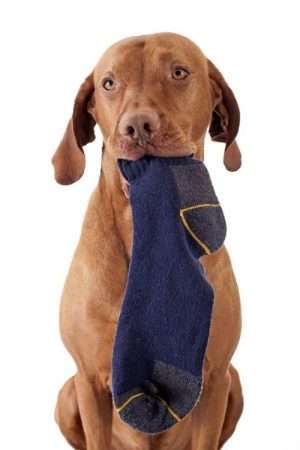 You might be thinking, “but why does he chew my favorite sneakers and my kids smelly socks? That’s not helping his teeth and gums!”
The answer is that dogs have taste and odor preferences. Your dog finds the objects that have your odor on them to be the most desirable.
So, keep that in mind when you are training a new puppy to chew a plastic-smelling toy instead of your kid’s smelly socks… It’s an uphill battle.
Here are some ways to build your pup’s chewing intelligence:
- Boundaries-keep shoes and socks out of the puppy’s safe space. Eliminate the opportunity to chew the wrong things
- Provide plenty of healthy chew options
- Reward your puppy when he chooses to chew his chew bone
- Redirect your puppy in the moment when he reaches to chew something he shouldn’t. Do not reprimand after the fact. Keep your eyes glued to that puppy when he’s not in his crate.
- Keep consistent with your expectations, corrections and commands.
The Health Benefits of Chewing
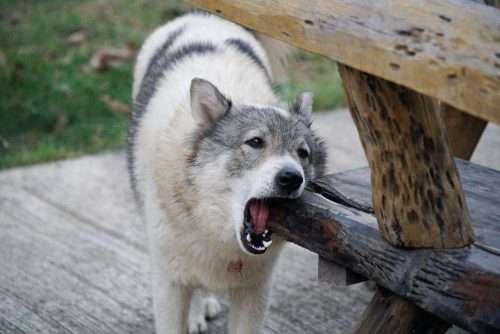 As I said earlier, bones are your dog’s way of brushing his teeth and gums. Chewing bones helps scrape tartar off of teeth and supports healthy gums. (BTW, dry kibble does not help clean teeth just in case someone has told you this falsehood, it is actually terrible for gums.)
It’s also a great way for your dog to build muscle. Chewing will strengthen his jaw, neck and back muscles.
Chewing is also beneficial to your dog’s mental health. Dog’s get bored just as we do and a good chew session will keep your pup happily occupied. Self-soothing is another perk of chewing especially if your dog suffers from stress or separation anxiety.
Healthy Chewing Options
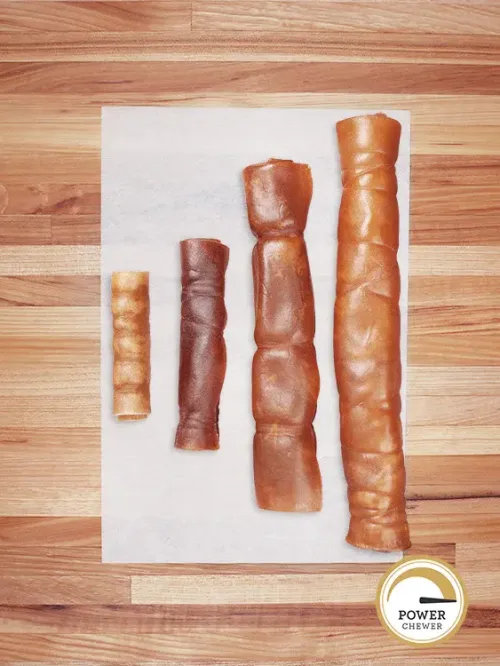 It matters which bone you choose for your dog.
Warning: Choose the wrong bone and your dog could end up with severe symptoms of vomiting, diarrhea and even end up needing surgery to remove the bone. As an ER vet, I regularly see dogs for symptoms related to bone ingestion. This most often occurs when dogs are given cooked bones or highly processed bones. Even the safest bones can be a choking hazard so never leave your dog alone when he’s chewing.
But if you choose the right bone, you can actually elevate your dog’s health and offer him a natural activity he will truly enjoy.
Choose a bone that matches your dog’s size and chewing habits.
So let’s take a moment to help you choose the safest, most enjoyable bone for your dog.
Here are some of my favorite safe options:
- Natural Beef Hide Rolls – Sourced from 100% pasture-raised, grass-fed cattle, these naturally dried hides are the complete hide. They are NOT stripped, processed with toxic chemicals, or dyed like many industrially made rawhides.
- Raw, size-appropriate bones – Raw meaty bones are beneficial for dental health as they provide active chewing and gum-cleaning benefits. Larger raw bones like marrow bones and knucklebones seldom cause tooth damage due to their shape and how dogs chew them. Raw food also contains natural enzymes that help resist bacterial plaque. NEVER GIVE COOKED BONES.
- Himalayan Yak Chews – 100% natural-Lactose, gluten, corn, soy, wheat, and grain-free. No preservatives or binding agents. Easily digestible. A healthy alternative to rawhide.
- Moose antlers – Moose antlers offer a balance of softer marrow and a nice chewable outer wall, which is much different when compared to the Whitetail Deer antlers, which are solid and VERY hard.
- Water Buffalo horns – Nutritious treats that scrape off plaque as your dog chews them, are high in protein and low in fat. They are also high in calcium and phosphorus, which are vital for healthy, strong bones and muscles.
In A Nutshell
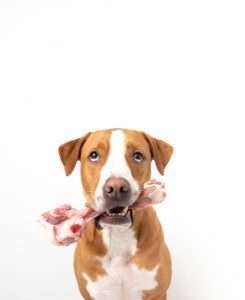
- Recognize the benefits of chewing for your dog.
- Set boundaries and use repetition and consistency to train your pup proper chewing etiquette.
- Utilize chewing sessions as a way to keep your dog healthy, happy, and occupied.
- Provide a variety of safe chew options for your dog.
- Don’t give in to impulses to buy ultra-processed bones in chain pet stores.
- Even the safest bones can be a choking hazard so never leave your dog alone when he’s chewing.
- Keep your favorite shoes, socks, and furniture out of reach until your dog can be trusted with chewing behavior.
Join our tribe and receive advice and tips straight from Dr. Loudon in your inbox!