
Facial nerve paralysis in dogs (similar to Bell’s palsy in people) is a condition that can be both distressing for pet owners and uncomfortable for our furry companions. The condition occurs when the facial nerve, which controls the muscles responsible for facial expressions, becomes impaired. This can lead to a droopy appearance on one side of the face, difficulty eating or blinking, and other noticeable symptoms. In this blog, we’ll explore the causes, symptoms, diagnostics, treatment options (including natural remedies), and prognosis for facial nerve paralysis in dogs. We’ll also share our personal journey with our beloved dog, Parker, who is currently facing this condition with an undetermined cause.
Potential Causes of Facial Nerve Paralysis
Facial nerve paralysis in dogs can have a variety of causes, and they generally fall into two main categories: extracranial causes (outside the skull) and intracranial causes (inside the skull). Here’s an easy-to-understand breakdown:
Extracranial Causes
These are issues that affect the facial nerve outside of the brain:
- Ear Infections (Otitis Media or Interna): Infections in the middle or inner ear can put pressure on the facial nerve, causing paralysis.
- Head Trauma: Injuries to the head or face can damage the facial nerve.
- Surgery Complications: Procedures involving the ear or face, such as ear canal surgery, can sometimes lead to nerve damage.
- Metabolic Disorders: Conditions like hypothyroidism can affect nerve function and lead to paralysis.
- Peripheral Inflammation: Inflammation around the nerve can disrupt its ability to send signals.
- Toxins: Exposure to certain neurotoxins can impair nerve function.
- Tumors Near the Nerve: Growths (neoplasia) around the facial nerve can compress or damage it.
Intracranial Causes
These are issues that originate inside the skull, often affecting the brain or brainstem:
- Brain Inflammation: Infections or immune-mediated inflammation in the brain can affect the facial nerve at its origin.
- Brainstem Tumors: Tumors in this critical area can interfere with the facial nerve and other functions.
In some cases, the exact cause remains unknown, which is referred to as idiopathic facial nerve paralysis. This is the category our own dog, Parker, falls into, as we have yet to determine the root of his symptoms despite thorough diagnostics.
Symptoms of Facial Nerve Paralysis in Dogs

Diagnosing Facial Nerve Paralysis
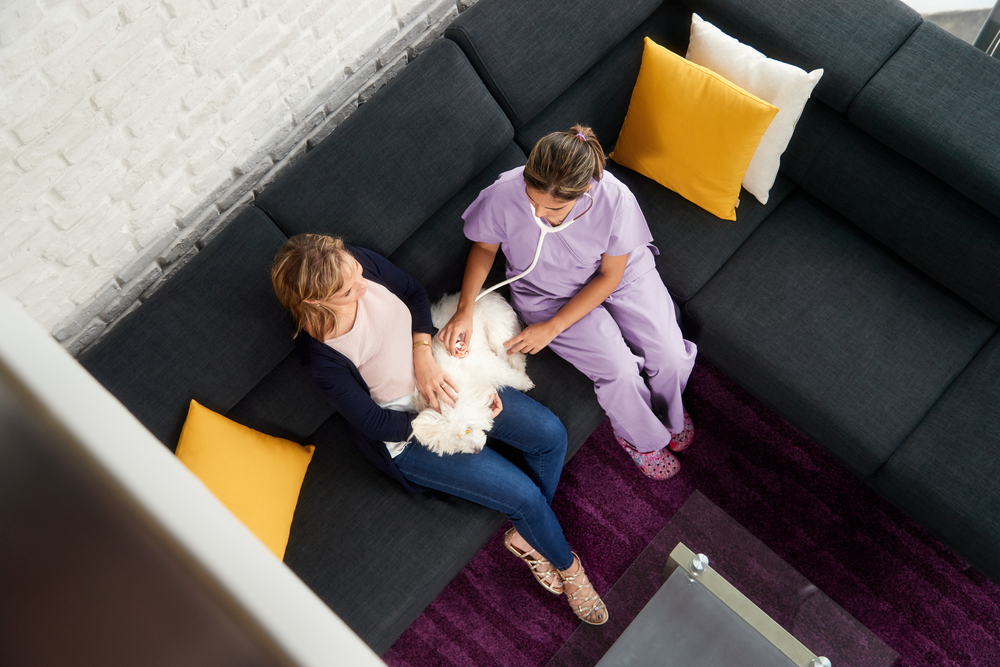
Diagnosis is based on clinical signs and cranial nerve reflex testing. Elimination of known causes is required to make a diagnosis of idiopathic facial paralysis. Vets may conduct the following:
- Physical and Neurological Examination: Assessing the dog’s facial movements, reflexes, and general health.
- Blood Tests: Checking for conditions like hypothyroidism or systemic infections.
- Imaging Studies: X-rays, CT scans, or MRIs can reveal ear infections, tumors, or trauma.
- Electrodiagnostic Testing: In some cases, nerve conduction tests are used to evaluate the function of the facial nerve.
In Parker’s case, despite multiple tests and examinations, the exact cause of his facial nerve paralysis remains unknown, a situation not uncommon with idiopathic cases.
Prognosis and Treatment Options
Prognosis
The prognosis for facial nerve paralysis largely depends on the underlying cause. If the paralysis is due to an ear infection or hypothyroidism, treatment of the root cause can result in significant improvement. Idiopathic cases, where the cause is unknown, may see partial or full recovery over time, but the outcome is unpredictable.
Treatment Options
No definitive treatment exists for the paralysis itself. Treatment focuses on the underlying cause, if one can be determined. Treatments may include:
- Medications: Antibiotics for infections, thyroid hormone replacement for hypothyroidism, or anti-inflammatory drugs.
- Eye Care: Applying artificial tears to prevent dryness if the dog cannot blink.
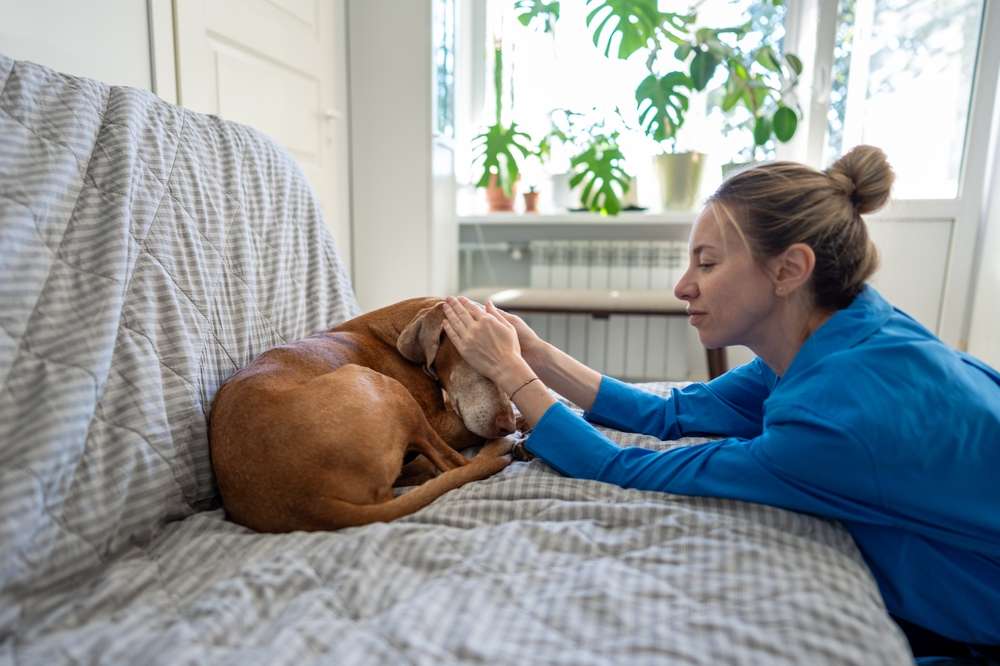
- Physical Therapy: Gentle massage and exercises to stimulate circulation and nerve function.
- Surgical Intervention: Rarely, surgery may be required for conditions like tumors or severe ear infections.
Natural and Holistic Treatments for Facial Nerve Paralysis
While traditional treatments are often necessary, natural therapies can support recovery and improve your dog’s comfort:
- Acupuncture
Acupuncture can stimulate nerve function, reduce inflammation, and promote healing. Many dogs respond well to this gentle and non-invasive treatment. - Herbal Supplements
- Turmeric: Known for its anti-inflammatory properties, turmeric can help reduce nerve inflammation.
- Milk Thistle: Supports liver function, which can enhance overall healing.
- Massage Therapy
Gentle facial massage can improve blood flow to the affected area, reduce stiffness, and potentially aid in nerve regeneration. - Vitamin Support
- Vitamin B Complex: B vitamins, especially B12, are crucial for nerve health and repair.
- Omega-3 Fatty Acids: Found in fish oil, these can help reduce inflammation and support overall health.
- Dietary Changes
A nutrient-rich diet can support healing. Focus on high-quality proteins, healthy fats, and fresh vegetables. Antioxidant-rich foods like blueberries and spinach may also help reduce inflammation. - Cold Laser Therapy
Low-level laser therapy can stimulate nerve regeneration and reduce inflammation in the affected area.
These natural treatments can complement traditional veterinary care, improving outcomes and providing a holistic approach to your dog’s recovery.
Prognosis and Recovery for Facial Nerve Paralysis in Dogs
The recovery process and outcome for facial nerve paralysis in dogs depend on the underlying cause and severity. Here’s a simplified overview:
- Monitoring Progress: Regular neurological exams, tear production tests (Schirmer), and corneal staining are used to track improvement or complications.
- Idiopathic Cases:
- Recovery can take weeks to months.
- Studies show about 37.5% of dogs with idiopathic paralysis fully recover within three years.
- Recovery may be partial or complete, with better outcomes seen in cases without significant nerve inflammation on MRI.
- Facial and Vestibular Nerve Involvement:
- Full recovery occurs in about 31% of cases.
- Some dogs experience long-term vestibular issues (38%) or permanent facial paralysis (15%). Relapses are possible.
- Trauma or Surgery:
- Recovery depends on the severity of nerve damage. It typically takes weeks to months and may be partial. In rare cases, advanced surgical repair can restore nerve function.
- Chronic Muscle Contracture:
- If nerve function doesn’t return, permanent muscle tightening (contracture) may occur, which can mimic improvement as drooping diminishes.
- Metabolic or Endocrine Causes:
- Improvement is possible if the primary condition is treated effectively
The prognosis varies widely, with some dogs recovering fully and others facing long-term challenges. Relapses and permanent changes are possible, so close monitoring and tailored care are essential.
Living with Facial Nerve Paralysis: Parker’s Journey
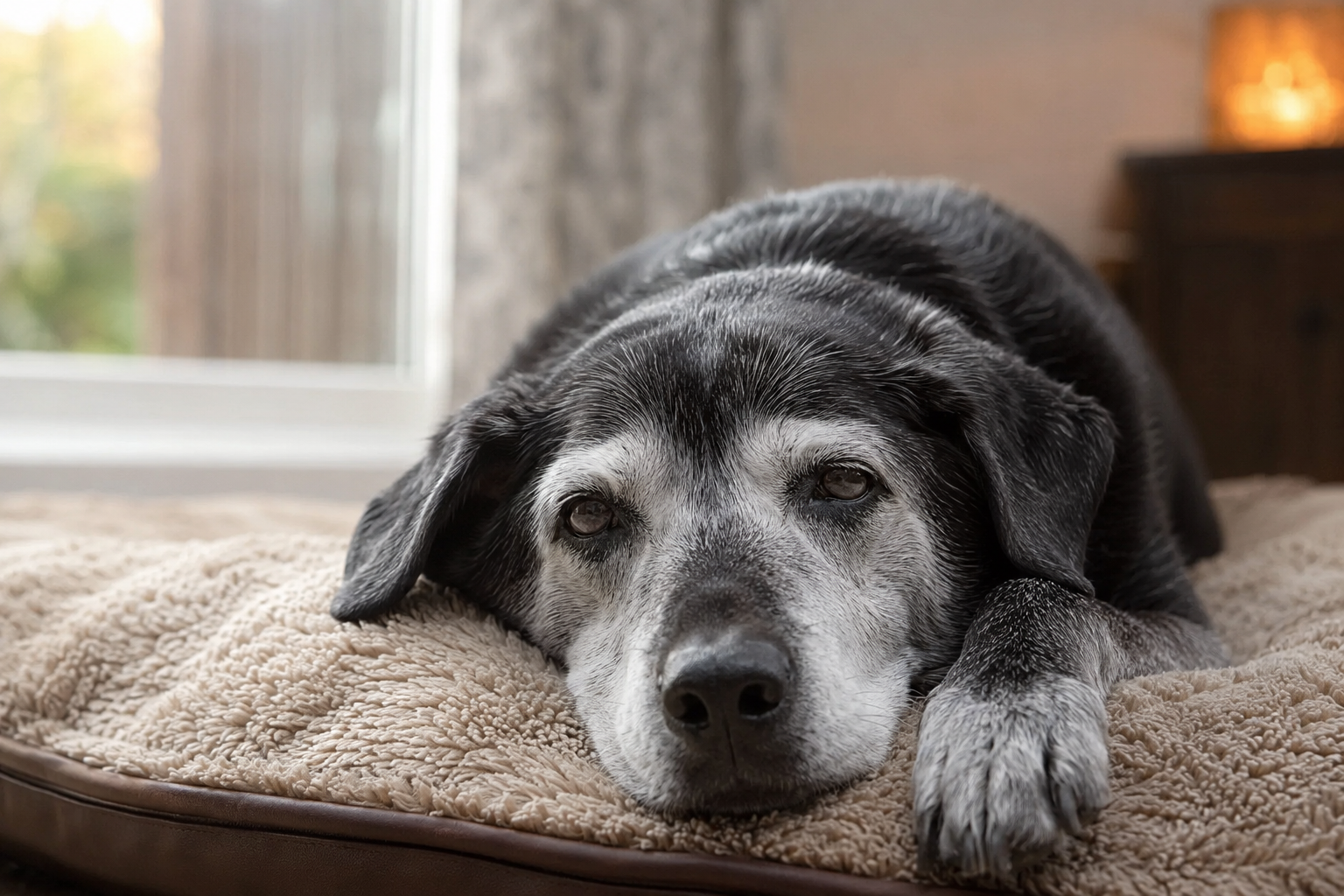
Our dog, Parker, started showing signs of facial nerve paralysis a few days ago. It began with a droopy lip and drooling. Diagnostic results are still pending including blood tests, tick disease PCR and thyroid testing.
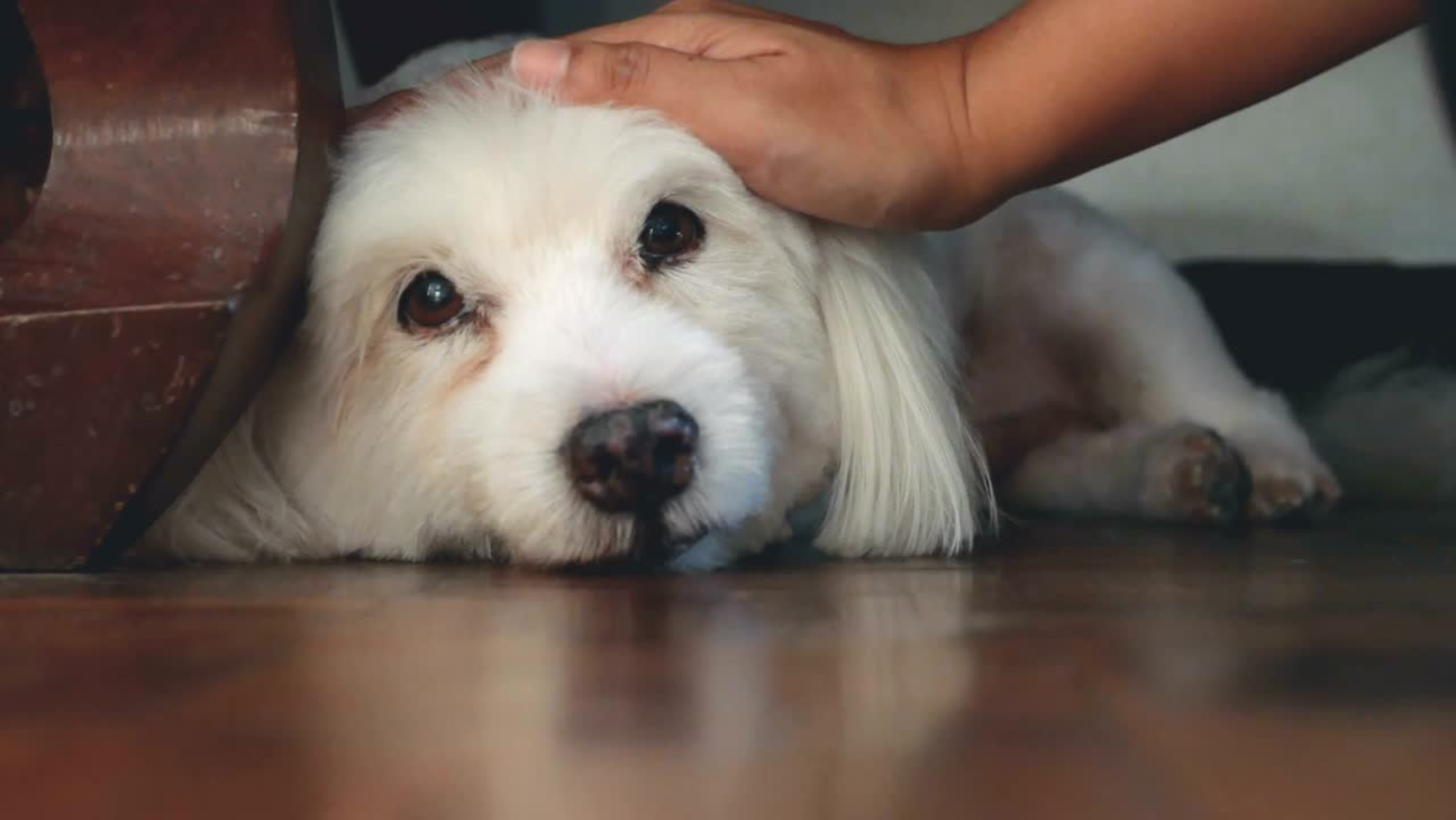
We’ve been exploring both traditional and holistic treatments to support Parker. Artificial tears help protect his eye, while gentle massage and acupuncture. Parker is still his loving and resilient self, yet a bit quieter which we are monitoring closely. This experience is a reminder how important it is that our beloved dogs are healthy and happy.
Summary
Facial nerve paralysis in dogs can be a perplexing and challenging condition for both pets and their owners. Symptoms such as drooping facial features and difficulty blinking are common, and diagnosing the cause often requires a thorough testing.
While traditional treatments like medications and eye care are essential, natural therapies such as acupuncture, massage, and supplement support can enhance recovery and improve your dog’s overall well-being.
Our journey with Parker reminds us of the importance of patience, love, and a multi-faceted approach to pet care. If your dog shows signs of facial nerve paralysis, consult your veterinarian promptly and consider integrating holistic options into their treatment plan. With the right care, even challenging conditions like this can be managed effectively.
|
Join the Dog Mom Society, where you’ll gain the clarity, confidence, and community you need to make empowered decisions for your dog’s health and happiness. Get expert guidance, holistic care strategies, and the support of like-minded dog moms who truly get it. |