
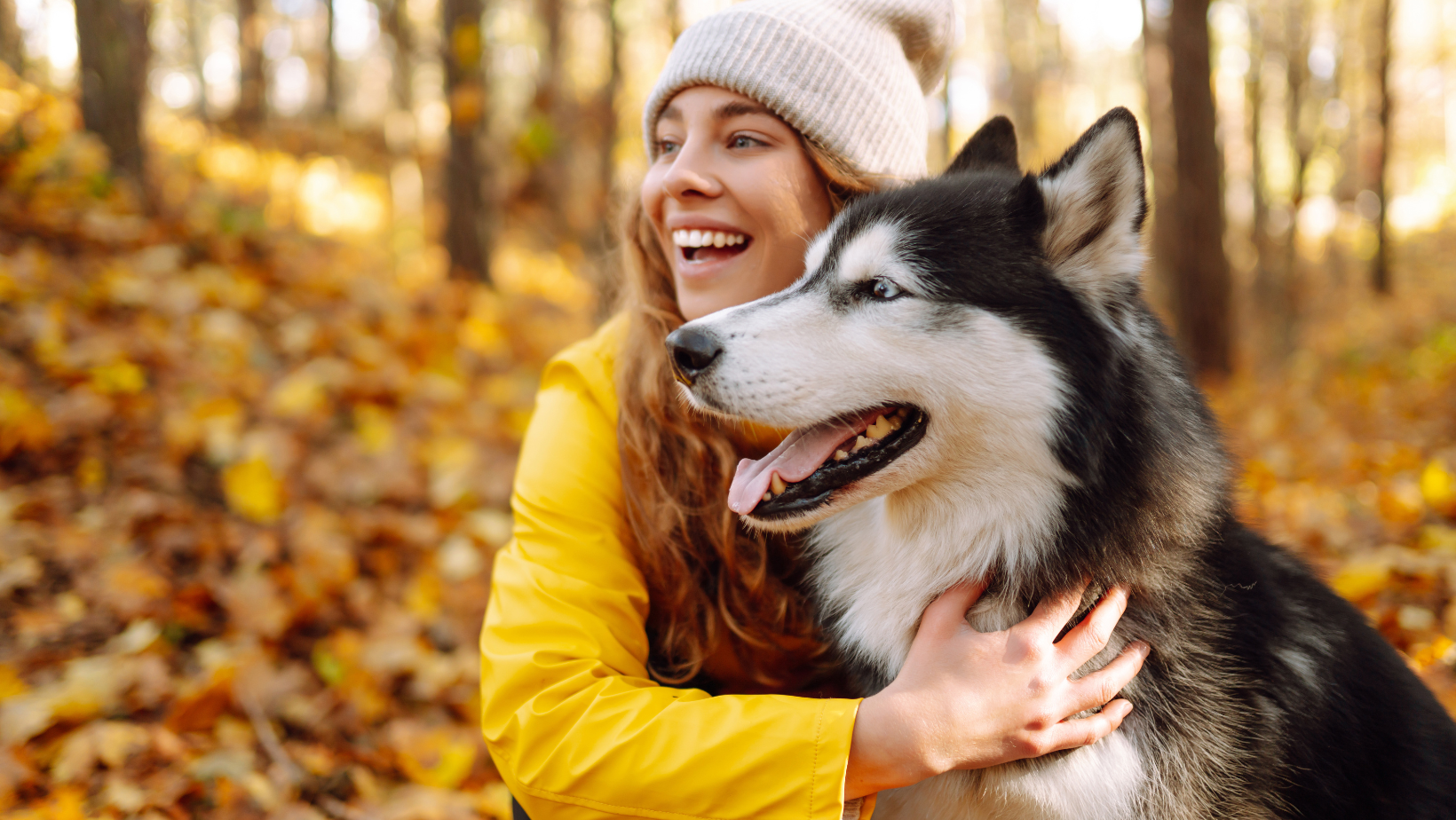
Feeding your dog the right kind of fruit can be a healthy component of their diet. Fruit provides vitamins, minerals, fiber, antioxidants, and more. They can also boost your dog’s immune system, support their digestive and brain health, and give them healthier skin, coat, and eyes.
List of Healthy Fruits
- Apples
- Provide potassium, fiber, phytonutrients, flavonoids, vitamin C
- Portion size: 1/2 slice for small dogs, 1–2 slices for large dogs
- Do not give the seeds or core as they both contain arsenic
- Bananas
- Provide potassium and carbohydrates
- Portion size: 1 inch piece for small dogs, 2–3 inches for large dogs
- Pears
- Provide fiber, folic acid, phosphorous, potassium, copper, pectin, and vitamins C, E, A, and B-complex
- Portion size: 1–2 cubes for small dogs, 3–4 cubes for large dogs
- Blackberries
- Provide antioxidants, polyphenols, tannin, fiber, manganese, folate, omega 3s, vitamins C, K, A, and E
- Portion size: 1–2 berries for small dogs, 3–4 berries for large dogs
- Blueberries
- Provide antioxidants, selenium, zinc, iron, vitamins C, E, A, and B-complex
- Portion size 1–2 berries for small dogs, 3–4 berries for large dogs
- Strawberries
- Provide fiber, potassium, magnesium, iodine, folic acid, omega 3s, healthy fats, vitamins K, C, B1, and B6
- Portion size: 1/2–1 berry for small dogs, 1–2 berries for large dogs
- Raspberries
- Provide fiber, antioxidants, manganese, potassium, copper, iron, magnesium, vitamins C, K, and B-complex
- Portion size: 1–2 berries for small dogs, 3–4 berries for large dogs
- Pineapple
- Provides fiber, vitamins C and B6, manganese, copper, thiamine, folate, magnesium, niacin, pantothenic acid, riboflavin, and iron
- Also provides digestive support through a group of digestive enzymes called bromelain
- In human studies, bromelain has been shown to relieve arthritic symptom, as well as reduce inflammation, swelling, bruising, and pain following surgery
- The anti-inflammatory effects of bromelain also aid in tissue recovery following strenuous exercise, which could benefit our hard-working dogs out there
- Portion size: 1–2 1-inch cubes for small dogs, 3–4 2-inch cubes for large dogs
- Pumpkin
- Provides fiber, beta-carotene, alpha-carotene, zinc, iron, and vitamin A
- I often prescribe pumpkin for diarrhea, anal gland inflammation, and constipation
- Portion size: 1–2 tablespoons of organic, plain canned pumpkin with each meal for small dogs, 3–4 tablespoons of organic, plain canned pumpkin with each meal for large dogs.
- Do not use canned pumpkin pie filling
- Watermelon
- Provides vitamin C and A, potassium, magnesium, and water
- Portion size: 1–2 1-inch cubes for small dogs, 3–4 2-inch cubes for large dogs
- Do not feed the rind or seeds
- Avocado
- Provide fiber, potassium (more than bananas), iron, zinc, folate, vitamin K, A, B1, B2, B3, B5, B6, C, E, and healthy fats
- Contains oleic acid, which has been associated with inflammation reduction
- Loaded with soluble fiber, which is known for feeding friendly gut bacteria in the intestine
- Portion size: 1 teaspoon for small dogs, 1 tablespoon for large dogs
- Start small because it can cause gastrointestinal upset if they are not used to it
- Do not feed the pit
- Coconut
- Provides fiber (mostly insoluble which aids in digestive and colonic health), manganese, selenium, copper, phosphorous, potassium, iron, and zinc
- Contains MCTs (medium chain triglycerides)
- MCTs can be used by the body to produce energy
- They have antiviral, antifungal, and tumor suppressing properties
- MCTs and fiber in coconut meat may benefit weight loss, heart health, digestion, brain health, blood sugar levels, and immunity
- Portion size: 1 teaspoon for small dogs, 1 tablespoon for large dogs
- Mango
- Provides fiber, vitamins A, B3, B5, B6, C, E, K, thiamine, magnesium, copper, manganese, folate, and potassium
- Mango is rich in vitamins, mineral, and antioxidants
- It has been associated with many health benefits, including potential anticancer effects as well as improved immunity, digestive, eye, skin and hair health
- Portion size: 1 teaspoon for small dogs, 2 teaspoons for large dogs
- Oranges
- Provide fiber, folate, potassium, Vitamins C, K, and thiamine
- Portion size: 1 slice (1/8) for small dogs, 2 slices (1/8 each) for large dogs
- Do not feed the orange peel
Tips for Feeding Your Dog Fruit
- Clean the fruit
- Start with small amounts when introducing a new fruit to avoid gastrointestinal upset
- Buy organic if possible
- Can be used as treats or added to their food
- Avoid toxic seeds, rinds, and pits including apple seeds, apricot pits, plum pits, cherry pits, nectarine pits, plum pits, and peach pits
- Fruit should not be more than 5% of our dog’s total diet
Fruits That Are NOT Safe
- Grapes and raisins – As little as one grape or raisin can cause kidney failure. It is hypothesized that the tartaric acid in grapes could be the cause. If your dog ingests any of these, have them seen by a veterinarian immediately. One exception is grape seed extract. It contains an antioxidant that helps improve blood flow, support joints by reducing inflammation, promotes wound healing and can reduce symptoms of diabetes. In patients with diabetes it can decrease oxidative stress, which can lead to deteriorating vision.
- Figs, sultanas, and currants
- Orange and lemon trees – Due to the psoralens and essential oils they contain, their seeds, peel, and leaves are toxic and can cause lethargy, diarrhea, and vomiting in dogs
-
Avocados – Dogs shouldn’t eat avocado skin or the avocado pit. Avocado skins contain persin, which is a natural fungicide. Persin can be harmful to dogs, and is found in higher concentrations in the pit, skin and leaves of avocados. Avocado flesh contains only low amounts of persin, so it’s safe for most dogs. However, some may experience mild stomach upset.Avocado pits can also be a dangerous choking hazard for your dog, possibly causing esophageal, intestinal obstruction.
2 Comments
Comments are closed.

























do you recommend a vegan diet? I started this on my 60-70lb German Shepard
The one I use is called Petaluma and so far it’s good. Just curious your opinion
Thank you very much!
Audrey Williams
Unfortunately, I do not recommend a vegan diet for dogs. They are built to be meat-eaters. I have had a couple of patients who developed renal failure at early ages that were on vegan diets. And I tried it in my own dog years ago and I immediately saw negative changes in his skin and coat signaling me he was not thriving on the diet.
My family is vegan so I wish I could safely feed my dogs this way but unfortunately, it is not the best diet for them.
I gave had German shepherds and find that they do best on a raw diet. I use k9 Kravings frozen commercial raw.
Other good options would be a commercial cooked diet, dehydrated human-grade diet, or air-dried diet. I would avoid dry kibble because it is highly processed.
I hope this helps.
Good luck with your shepherd!
Lynda ????????