
As an undergrad student, many moons ago, I studied psychology as a backup plan in case I didn’t get into veterinary school. I was always very interested in human and canine behavior, and having been a dog trainer for years, an animal behaviorist career seemed the next best thing for me.
And even though I did get into vet school (by the grace of God), I continued to study dog behavior. I have followed canine behaviorist Patricia Mcconnell since I was a young girl, reading everything she she wrote. I highly recommend her books and her blog. She referenced Maslov’s famous hierarchy of needs in her blog on canine happiness a few years back and I just happen to reread it, and I was once again intrigued. I remember these from my psychology classes, and so I thought I would write about how they relate to canine happiness. Research shows that when biological needs, safety, and belonging needs for social animals are met, they are much more likely to exhibit favorable behavior.
Maslow’s hierarchy of needs is a theory in psychology consisting of a description of human needs that drive our behavior.
For our dogs, although the needs mean slightly different things than they do for us, ensuring we provide them the opportunity to fulfill such needs is vital to their overall happiness. The way in which these needs are provided, or not, plays a crucial role in their behavior.
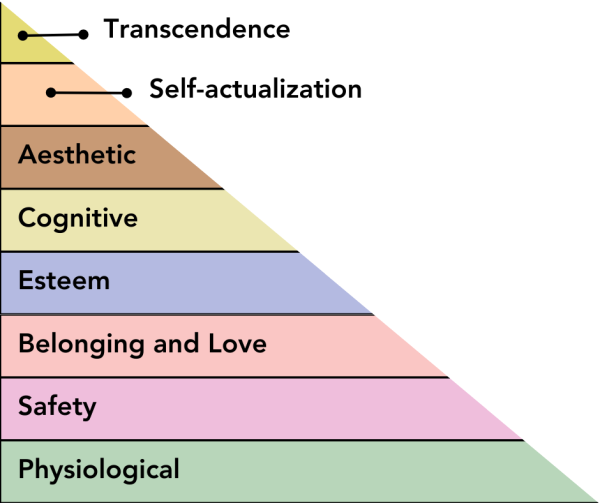
Physiological Needs
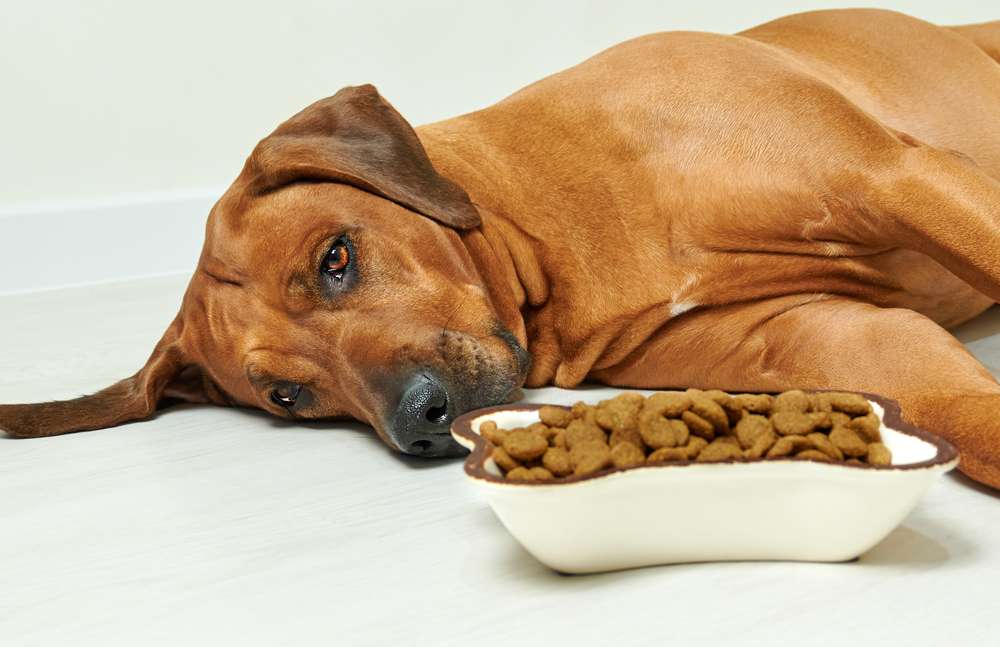
This includes food, water, oxygen, sufficient rest, shelter, overall health, and reproduction. Dogs that lack these basic needs will behave differently than those who do. I’ll take it a step further and say that the quality of the needs provided matters. For example, a low-quality, ultra-processed kibble diet does not qualify as a food that will elevate dogs’ happiness. Not only does it lack taste and interest for dogs, it negatively affects their health. It is Check out my blog on feeding for vitality to go deeper on this. Regarding reproduction, most dogs will not have the opportunity to fulfill this need in order for us to maintain population control. To make up for it, we must fulfill the other needs at the highest level.
Safety
This need varies from dog to dog, depending on their upbringing, training, and breed type. A tiny toy breed may feel less safe than a giant dog in this human world. Although… that’s not always the case, as we’ve all seen the killer chihuahua and the terrified Great Dane. Some dogs need to feel safe around strangers, some around other dogs, some during travel, some when left alone, and so on.
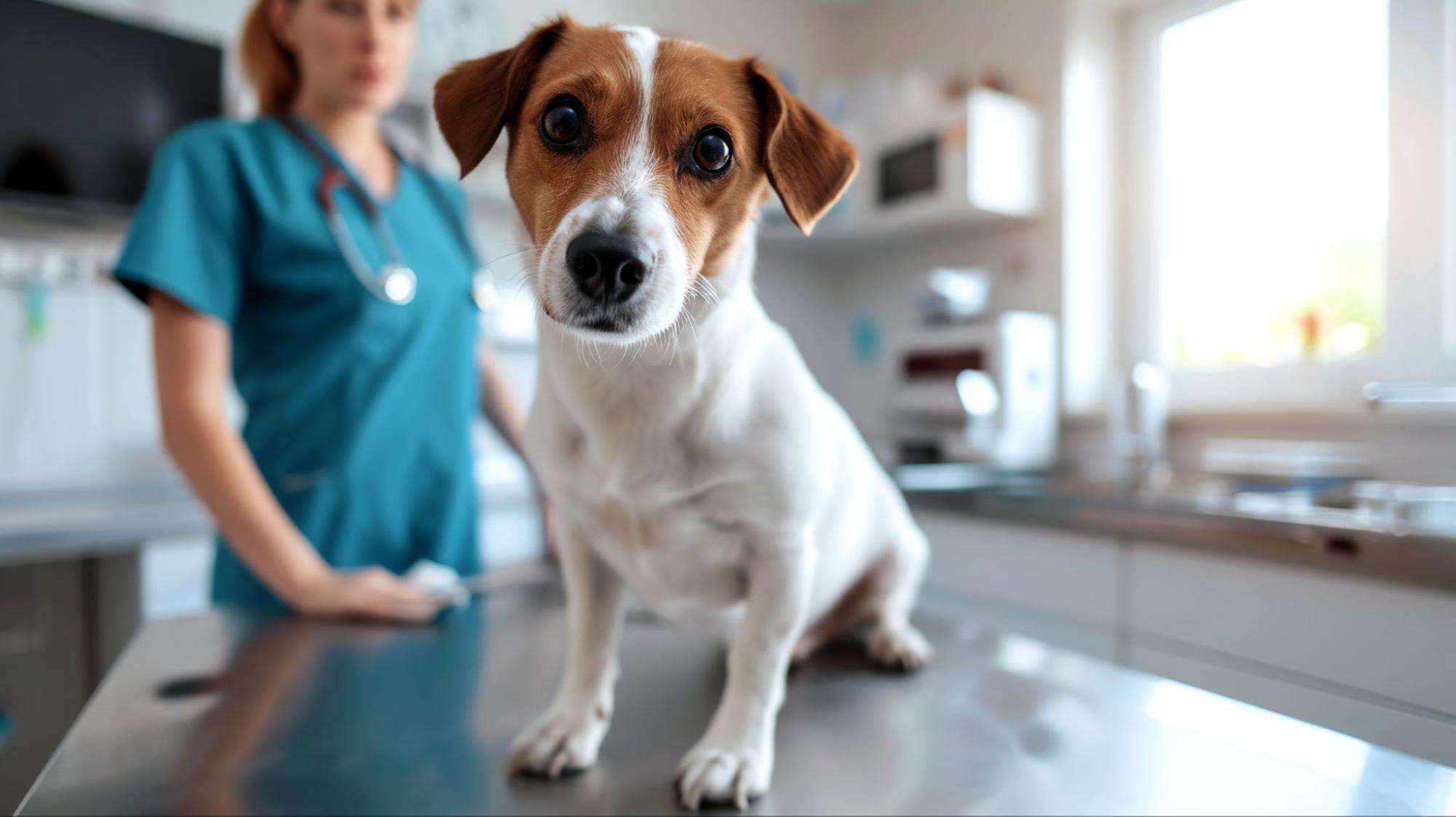
The use of aversive training methods, such as choke collars, prong collars and E-collars, is no doubt going to negatively affect a dog’s sense of safety. Harsh handling methods by a groomer or veterinary staff will also affect a dog’s sense of security. Try to find canine professionals who are fear-free certified or do everything you can to be sure your dog is handled with kindness in these situations.
It is essential to tune into the areas where your dog needs extra help feeling secure and develop a nurturing plan and environment to provide that feeling. Address it in a way that elevates their confidence in a kind and loving manner. Throwing a socially challenged dog into a crowd to “socialize” him is not an example of making him feel safe.
Love & Belonging
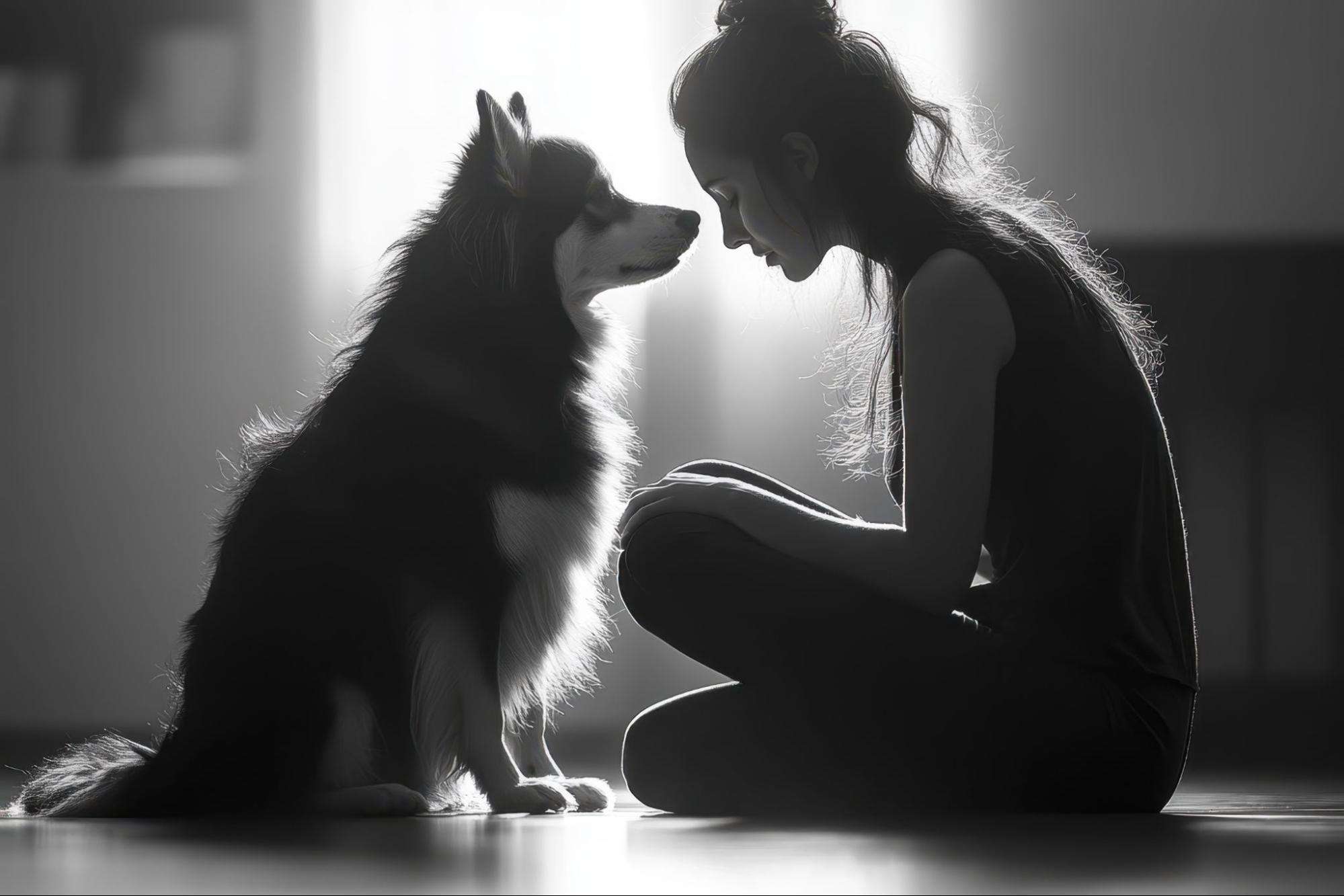
Psychological and emotional health is just as important to your dog’s wellbeing as physical health. Feeling loved is the most obvious of all the needs to feel true happiness. Social bonding with humans and other dogs are skills that should be guided and encouraged, ideally from a very early age through non-threatening, controlled interactions. There is a significant risk of the development of unfavorable behaviors in dogs that are not properly socialized from a young age.
However, the level at which each dog enjoys social interaction differs and should be respected. For some dogs, they are happiest receiving love from their favorite humans. For others, they are happiest around other dog companions. Our dog, Parker, is happiest when the whole family is together, and his joy is evident when this occurs. Our toy poodle, Maisy, was the happiest with one-on-one time with her favorite person. And I can assume their wolf ancestors fulfill their need of belonging by being part of their pack.
Prioritizing our dog’s emotional needs nurtures the bond between the dog and dog guardian and helps prevent behavior problems. Building trust is the first step to developing this relationship and building a dog’s confidence. This trust must be built through benevolent leadership and not through dominance and aversive tactics. Harming or scaring a dog into performing a desired behavior is the quickest way to loose their trust. Without this trust, the sense of love and belonging becomes harder to attain.
Esteem
Here’s a definition of esteem for people, “to regard highly or favorably; regard with respect or admiration.” Maslov describes a lower version of self-esteem as requiring it from others and a higher version as finding your own self-respect.
think esteem has a different definition when it comes to dogs and how they are affected or not affected by it. Do I think dogs suffer from low self-esteem? No, I do not. I think we humans allow our self-esteem to be affected by how we think others may view us. Dogs aren’t worried about how others see them. They are not worried if they have achieved enough to be considered worthy. However, as a trainer for over 40 years, I have witnessed many dogs express pure joy at working and “getting” what I am trying to teach them. Are they joyous because they feel my energy change when they get it right? Or are they happy because they get positive reinforcement when a goal is met? Or is it mostly about pleasing their beloved human? It’s probably a combination of all these things, and not about valuing achievement. I don’t think they feel they are more valuable or less valuable because of what they do or know. I don’t think my dog Parker is bragging about the 25 tricks he can perform (although I do… and just did ????)
I know from experience that teaching dogs skills such as obedience, agility, tricks, etc, builds their confidence. This happens because of the encouragement and reinforcement they receive, the bond-building that occurs, and the repetition and consistency that lead to reliable outcomes. We can learn a little from our dogs in this area and maybe realize a new definition of esteem for ourselves.
Cognitive needs
Cognitive needs relate to seeking meaning, information, comprehension, and curiosity, thus creating a will to learn and attain knowledge. Maslow wanted humans to have an intrinsic motivation to become educated people. Dogs don’t need higher education to feel contentment or a sense of self. However, they do need to learn basic cues in order to live with us in a way that is acceptable and enjoyable. Basic training, or as I prefer – teaching, is necessary for dogs to understand our expectations and to ultimately build confidence.
Some dogs need more than just basic obedience to satisfy these needs. I have worked with breeds who thrive on learning new cues and genuinely need regular mental challenge to satisfy their innate drive.
Curiosity is a valued characteristic that we look for in working dogs, and we have to remember to allow these breeds the opportunity to express this trait. Without this, these breeds will not live their happiest lives and will even turn to destructive behaviors in order to fulfill that need. When outlets to fulfill their curiosity are lacking, they will experience boredom.
Boredom can result in negative behaviors such as chewing furniture, ingesting foreign objects, inappropriate soiling and even aggression. Many dog guardians with new puppies will exhibit frustration at their puppy’s behavior rather than seeking the root cause, which is often boredom. Enrichment Activities to support dogs curiosity include: puzzle toys, training sessions, sniff games, and engaging activities that encourage problem-solving.
Dogs in the wild can investigate, search, seek, and sniff every day. It is vital to our dog’s happiness that we provide them the opportunity to experience these natural behaviors. The extent of this need varies with each individual dog and breed-type. For example, my German Shepherd, Zane, needs much more cognitive stimulation than Bubba the Bulldog who is quite content on the couch while his guardian binges Netflix. This is why it is so important to match the breed type of dog with the type of lifestyle you are able and willing to provide. Too often we try to suppress a dog’s natural instinctive behaviors to fit into our mold of how a dog should act and then become frustrated when that dog develops negative behaviors.
Aesthetic needs
Aesthetic needs refer to beautifying one’s life. This consists of having the ability to appreciate the beauty within the world around one’s self on a daily basis. According to Maslow’s theories, humans require beautiful imagery or new and aesthetically pleasing experiences to progress toward self-actualization. I don’t think our dogs care about the aesthetics surrounding them, but I do think that novel experiences and new things can elevate their joy. You can see the excitement in your dog’s face when you reveal a new toy or take him on a new adventure.
Aesthetic needs also refer to beautifying oneself. “To improve one’s physical appearance to ensure its beauty to balance the rest of the body.” Well… our dogs don’t care what they look like, but we’ve all seen dogs strut around showing off their new haircuts after a visit to the groomer. I believe keeping up on our dogs grooming has an impact on how they feel. The matted, unkempt dog that is brought into the clinic absolutely exudes less joy than the newly groomed doodle with a fresh bandana. I would also surmise that the dirty, unkempt dog is receiving less love and attention from his guardians than the recently groomed dog.
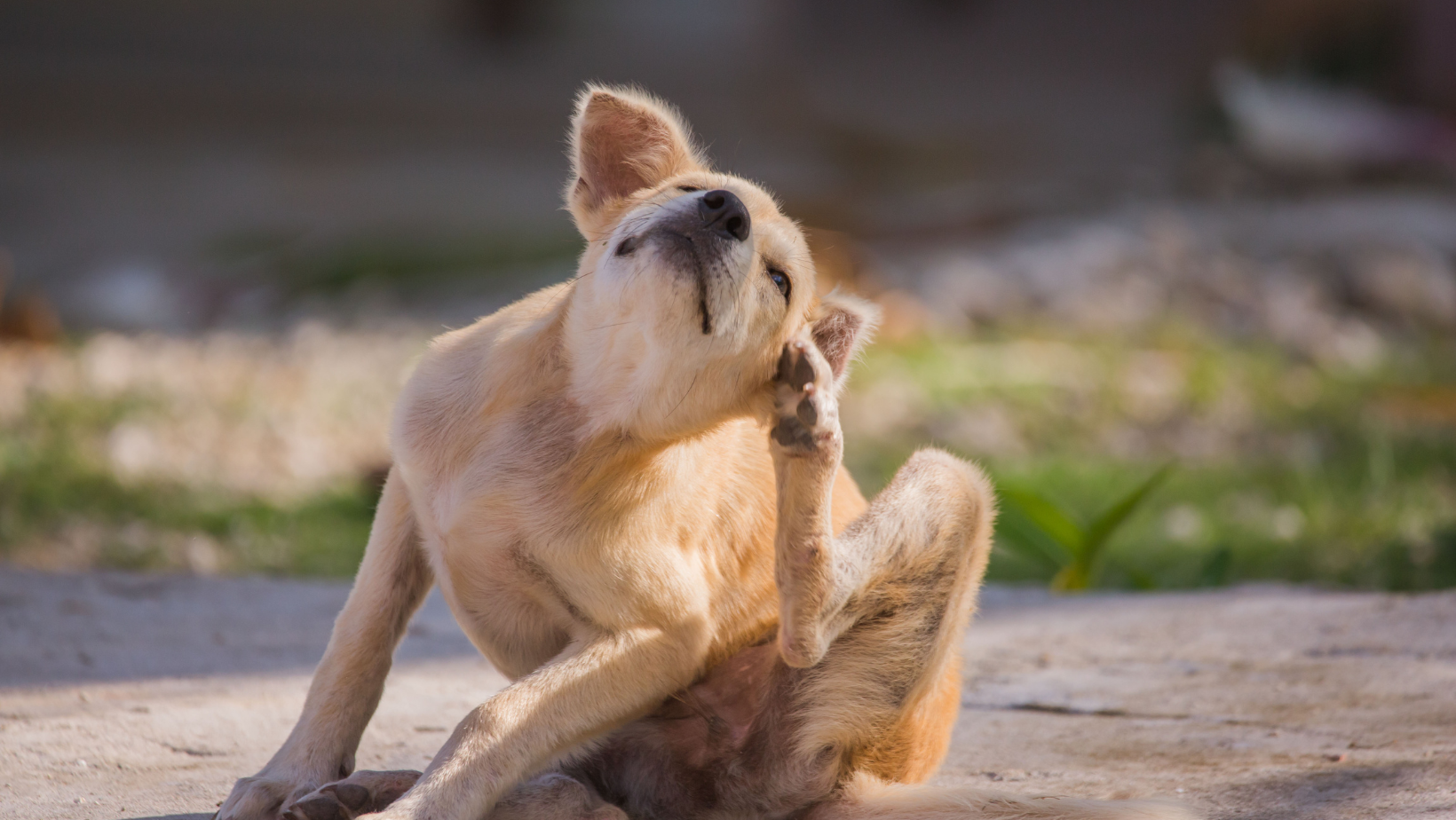
Cleanliness also affects dogs’ overall health and well-being. Ectoparasites such as fleas and ticks prefer dirty coats. Matted fur does not allow for air circulation to the skin, resulting in hot spots, bacterial and fungal infections. Matted fur also pulls and binds, causing pain to dogs as they move or lay on the mats. Unkempt coats can mask underlying diseased skin which may be the first symptom of something deeper. And from a holistic perspective we know that how we feel emotionally has an impact on our general health.
Self-actualization
Self-actualizers are those who are original and inventive, expressive, perceptive, and spontaneous in everyday life. If that’s the definition of self-actualization, dogs have this one in the bag. Dogs are naturally expressive and exceptionally perceptive… much more so than humans. And they live spontaneously in every moment. That’s one of the dogs’ most wonderful qualities and a key reason we are drawn to them.
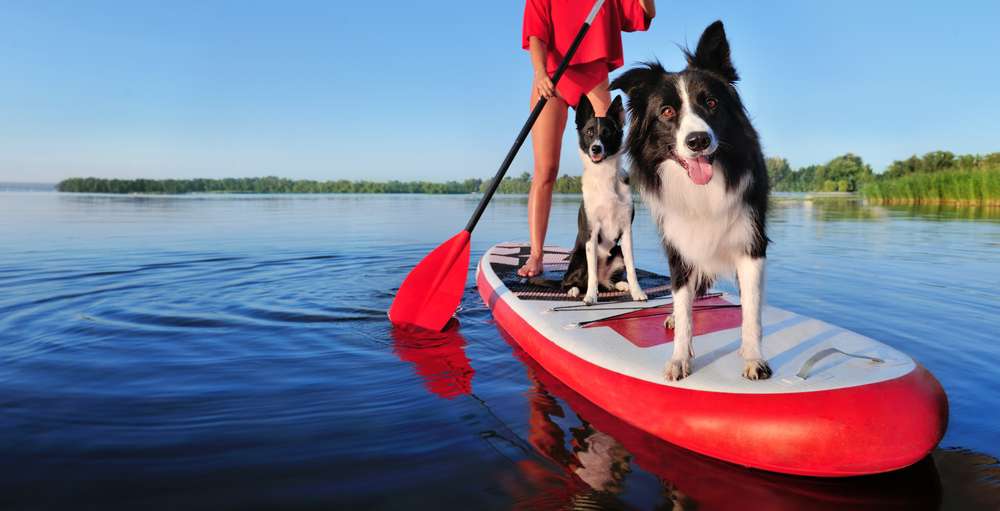
To self-actualize means to realize fully one’s potential. Do I think dogs sit around thinking about their goals for themselves.? no but a border collie out in the field herding sheep all day is an example of a dog realizing his full potential. That same border collie would not be as happy in an apartment in the city with three short walks per day. A bloodhound out tracking most days with his handler is realizing his full potential. The maltese being carried around in a Prada bag may be realizing her full potential. It’s all relative but equally important for us guardians to recognize.
Transcendence
There are three types of transcendence
-
- Ego transcendence (self: beyond ego)
- Self-transcendence (beyond the self: the other),
- Spiritual transcendence (beyond space and time)
Unless your Mother Theresa or Ghandi, you’re likely still working on these. I know I am…
I could write a whole blog on this one alone…maybe even a whole book. O.K. I’ll attempt to keep it short.
-
-
- Let’s start with EGO. This one’s easy…dogs don’t have one. It’s the absolute best part about them.
- Self-transcendence. Hmm… A lot to think about here…
I found this definition, “Self-transcendence is, at its core, about transcending (or rising above) the self and relating to that which is greater than the self. ” Simply put, it is the realization that you are one small part of a greater whole, then acting accordingly. If I’m honest, I think dogs have a clearer understanding of life and help bring us get closer to realizing our own self-transcendence. They show us how to love others in a selfless and unconditional way. They teach us to appreciate gentle breezes, simple games with loved ones, butterflies flitting around a bush, just being next to someone you adore…Things we miss when we are consumed with our happiness. They don’t look for joy in other things, other places- they find it right where they are. - Spiritual transcendence. Refers to a perceived experience of the sacred that affects one’s self-perception, feelings, goals, and ability to transcend one’s difficulties.
-
I believe dogs have a more clear connection to spirit and the sacred than we do. It is evident in their natural expression of love, loyalty, and devotion. Dogs aren’t worried about how they are feeling or what their goals are… they are in tune with the life force and are living it every day. They don’t have ego, worries, criticism, judgment, and expectation getting in their way of experiencing the sacred. Maybe our dogs’ example of spiritual transcendence can be a guide for our own.
It was interesting to go back and reread Maslov’s famous hierarchy of needs and consider how they translate to our dogs. It made me think about my needs and how to improve in certain areas to not only elevate my own happiness but the happiness of those I love, including my dogs.
As guardians, it is up to us to ensure we are fulfilling these essential needs for our dogs in order to give them the best lives possible. These needs go beyond providing shelter, food and an occasional pat on the head. And if you are reading this then I know you already get that…but it’s always a good reminder to make sure we are checking off all the boxes. If your dog develops an undesirable behavior, your first thought should be, “what need is not being filled?”
We all deserve to feel joy every single day especially our canine friends who have less days than we do.
One Comment
Comments are closed.







Ty:) My Zoo consists of (3) digs and (1) cat named Zeke.
Maggie is our boss dog , Sherlock is our old girl a beagle. Bentley is a very big English lab, he’s still
In training and we have some days when he feels his needs are more important than anyone else’s!
Even with correction by his sisters he totally ignores them and trying to change his direction he doesn’t want to obey. So he has a time out in his kennel and this as a whole works. It’s not always easy nor good but we are working with him everyday!