

Are You Meeting Your Dog’s Core Needs for a Happy Life?
As dog guardians, we carry a big responsibility: giving our dogs the life they deserve. It’s not just about integrating them into our lives — it’s about shaping our lives to meet their needs, too.
Just like us, dogs have basic emotional and physical needs. We humans seek love, growth, variety, certainty, contribution, and belonging to feel fulfilled. The order of importance may differ from person to person — and the same is true for dogs.
Every dog has fundamental needs that must be met to feel safe, content, and joyful. How those needs rank or show up varies based on breed, upbringing, environment, training, and health. A rescue dog with a trauma history may need more reassurance to feel safe, while a dog raised in a stable home might express happiness more outwardly — with playful zoomies or a goofy grin. One dog’s joy might be a tail-wagging game of fetch; another’s might be a quiet stretch and nap in a cozy corner.
Let’s break down the core needs that support a dog’s well-being and how to recognize signs that your dog is truly happy.
The Five Core Needs of Every Dog
1. Physiological Needs
This is the groundwork — food, water, oxygen, sleep, shelter, and basic health. The essentials. But just because they’re essential doesn’t mean they should be bland or boring. Our dogs deserve food that’s not just “okay” but actually enjoyable — food that smells good, tastes good, and makes them feel good. I mean, we wouldn’t want to eat the same processed meal every single day, right?
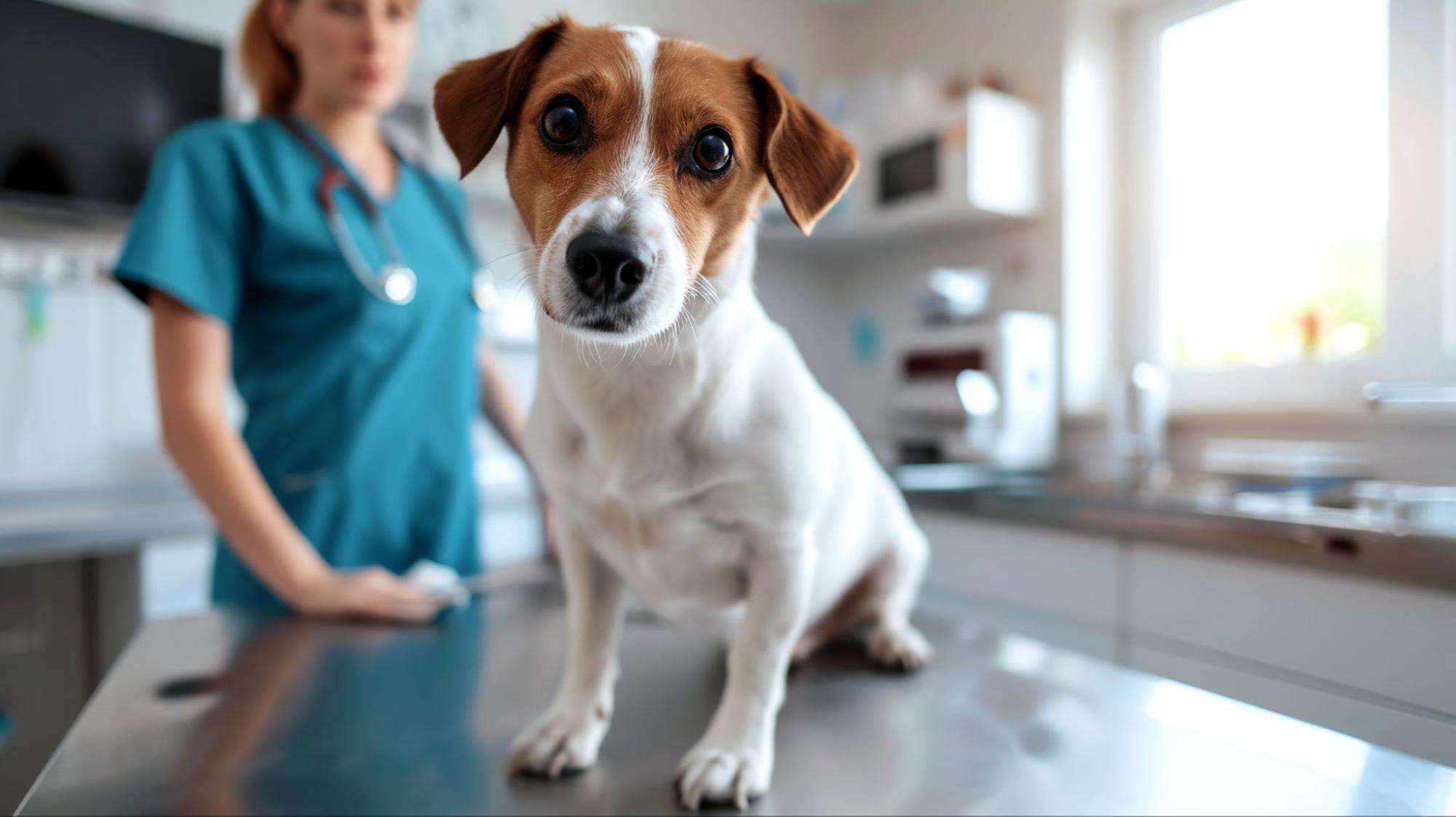
A well-fed dog is a happier dog. And while we’re at it, let’s keep an eye on the rest of their health too — regular vet checkups, dental care, enough sleep, fresh air.
2. Safety and Security
This one’s huge. Dogs need to feel safe — really, deep down safe — in their environment to relax and be themselves. That means introducing new people, places, or experiences gently, at their pace. If we rush things, even with the best intentions, we can accidentally knock their trust a few steps back. I like to think of it as helping them build confidence, little by little, through predictability and encouragement. Positive reinforcement is, in my opinion, the key to success here.
3. Love and Belonging
Love and connection aren’t just nice to have — they’re essential. For all of us. Humans, dogs, even bunnies. (Seriously — my bunny lights up when he’s hanging out with the family. He does zoomies, jumping on each one of us — including the dogs — and you can just feel how much he wants to be included.)
Dogs are no different. They want to feel like they belong — to be part of the rhythm of your life, not sitting on the sidelines. When they’re left alone too often, it chips away at their emotional well-being.
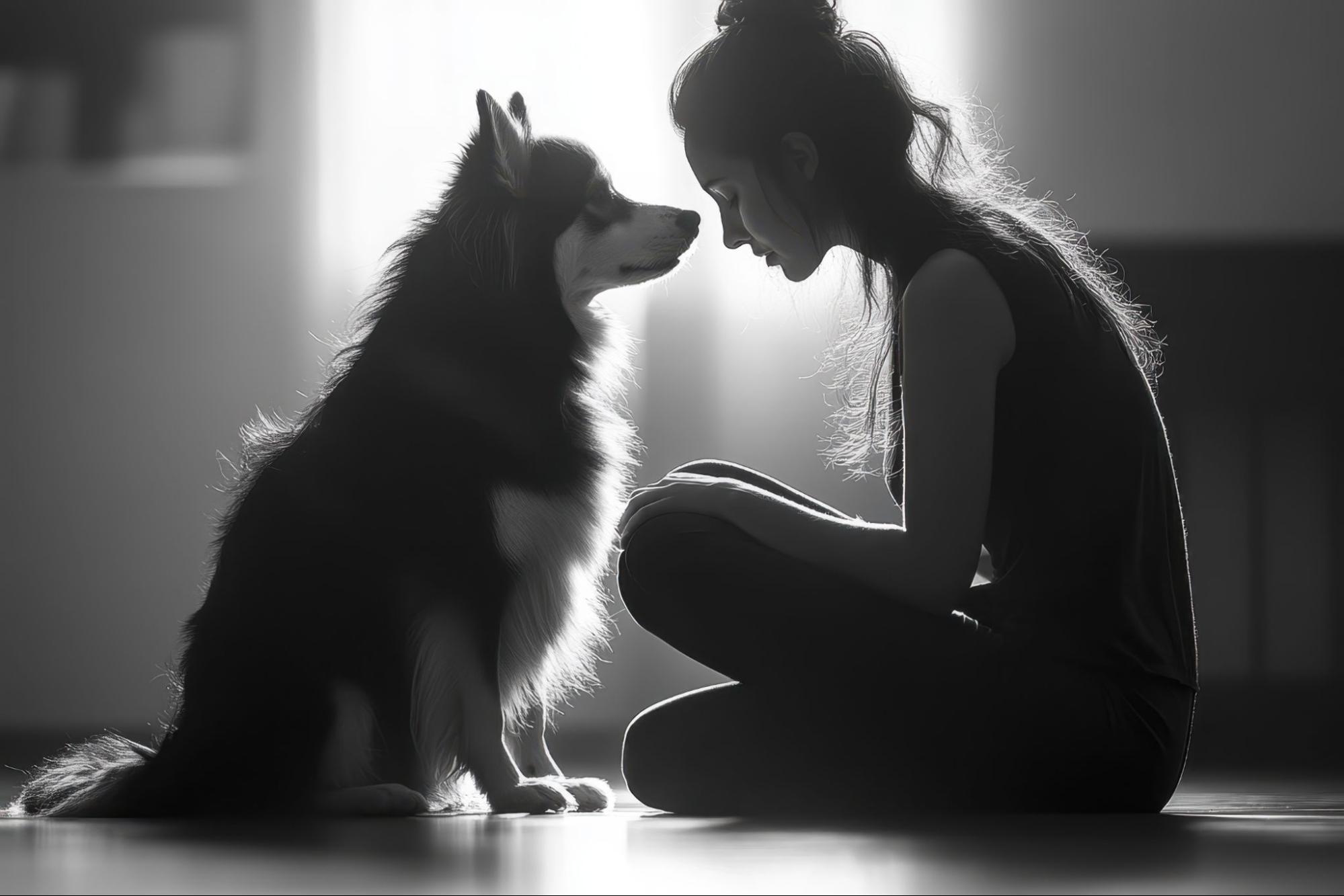
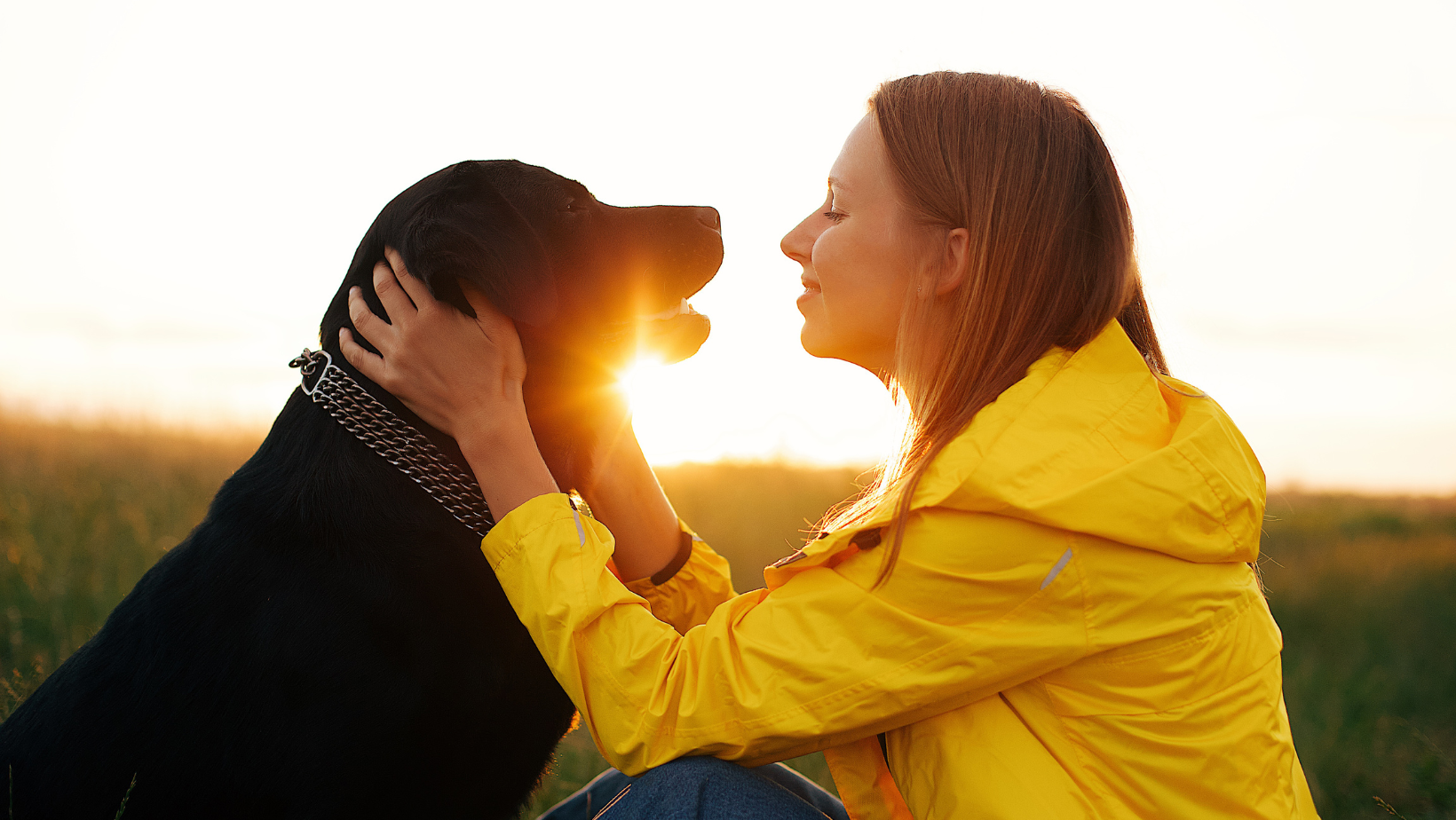
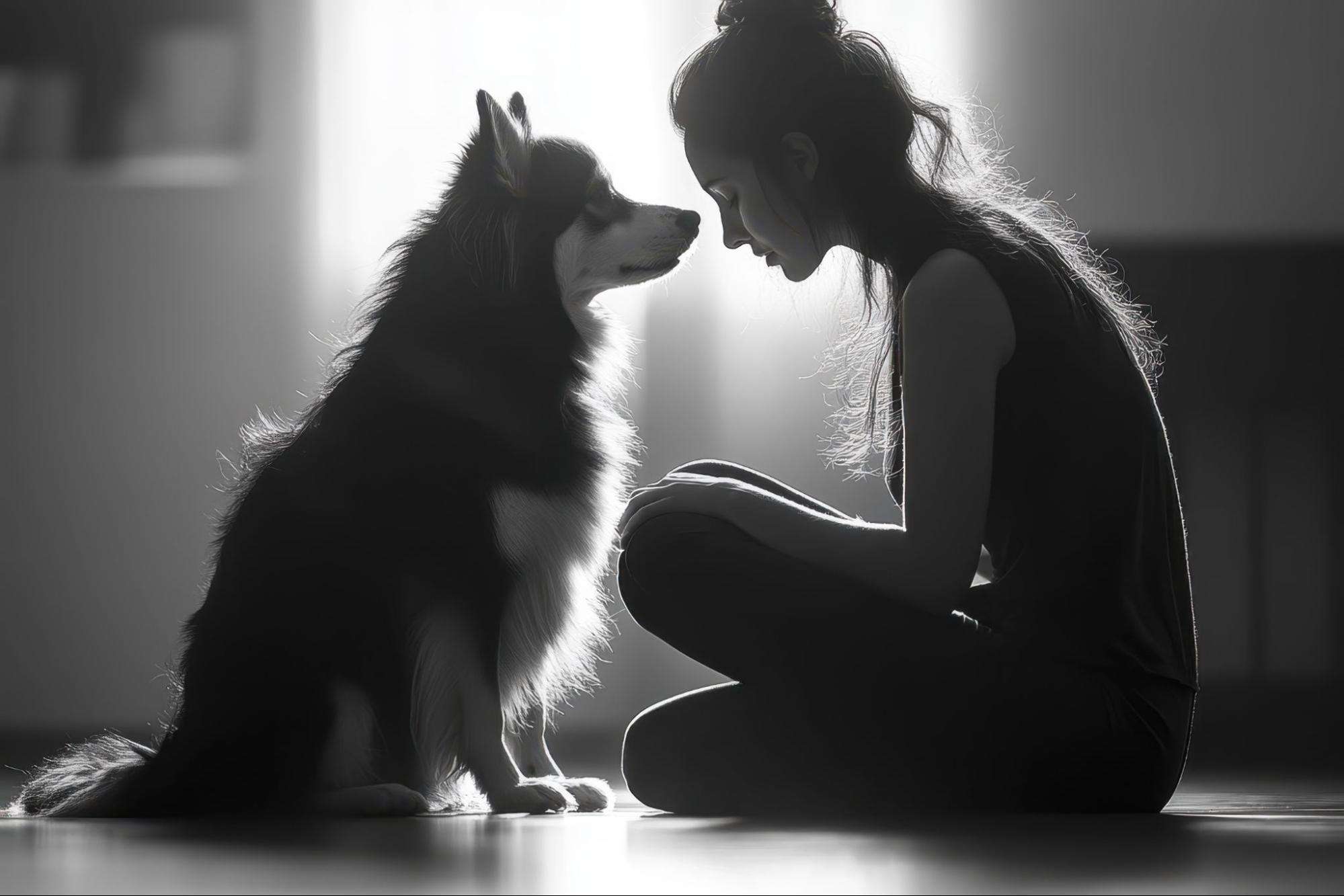
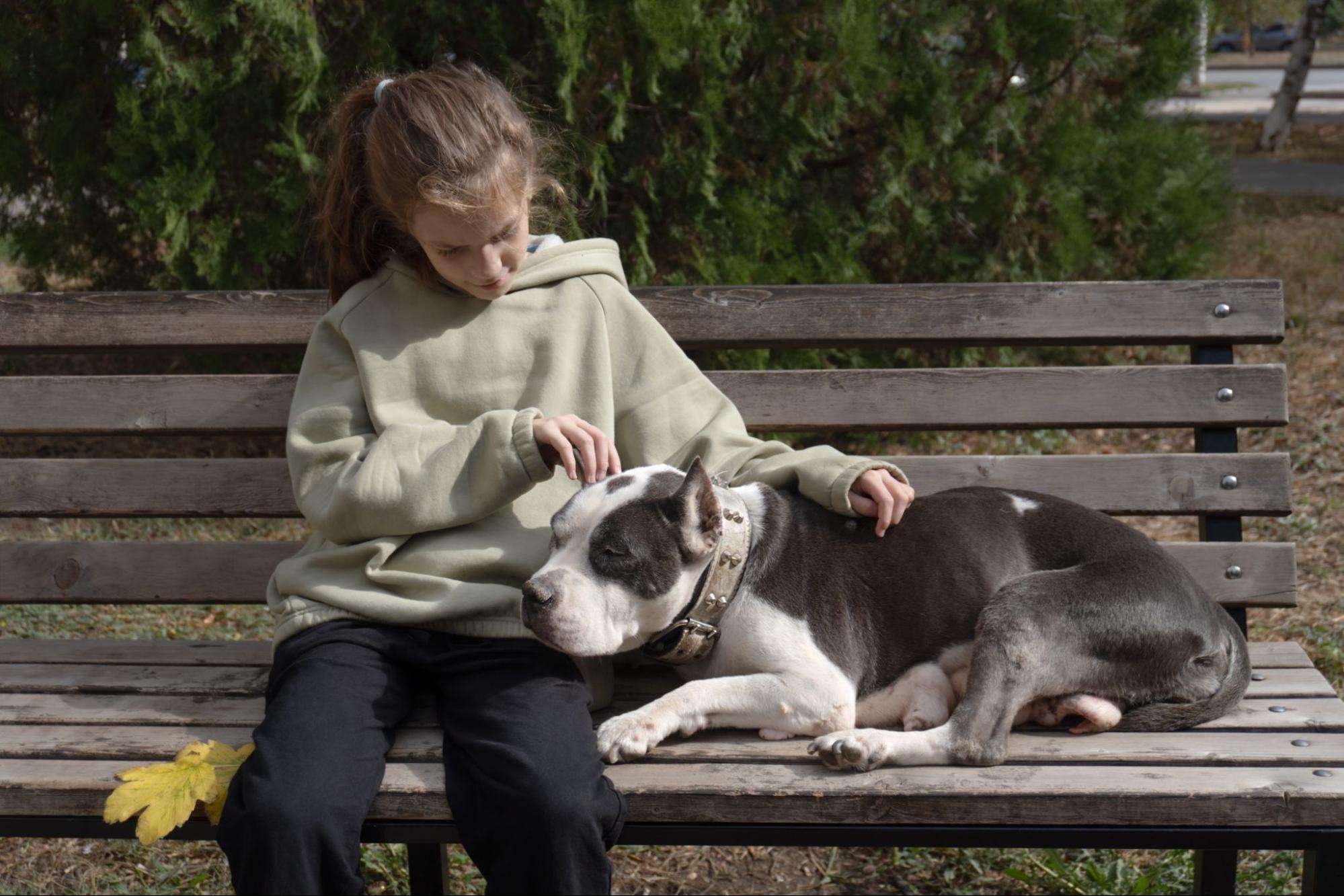
But here’s the thing: it doesn’t take a grand gesture to make them feel loved. Just a few minutes of undivided attention — sitting on the floor, putting your phone away, being fully present — can mean the world to them. They crave closeness. A calm voice, a soft touch, simply being together… that’s what fills their emotional tank.
4. Expression of Natural Behaviors
Dogs have instincts that don’t go away just because they live in a house with throw pillows and air conditioning. Sniffing, exploring, chasing, digging, chewing, and playing — these aren’t “bad habits,” they’re built-in needs. If we don’t give them healthy ways to do these things, they’ll find their own (like… chewing your couch).
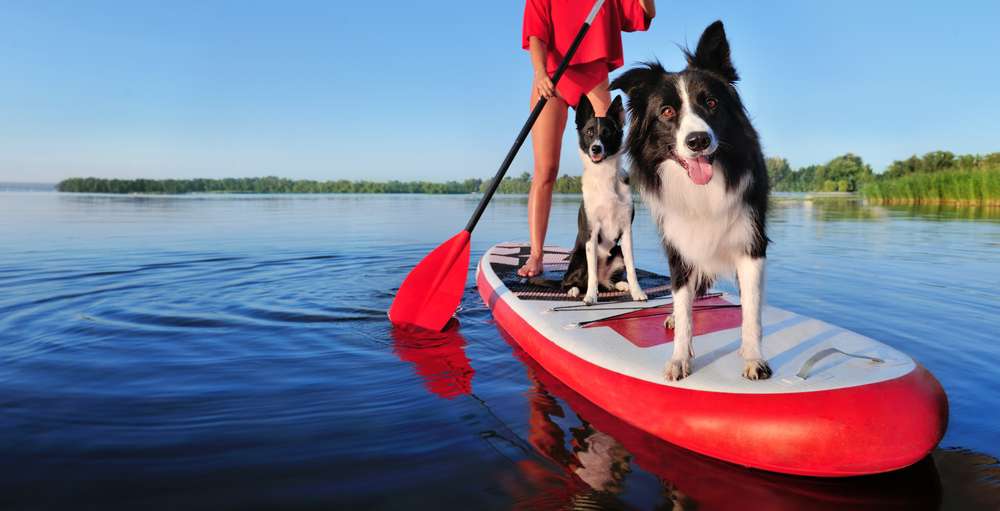
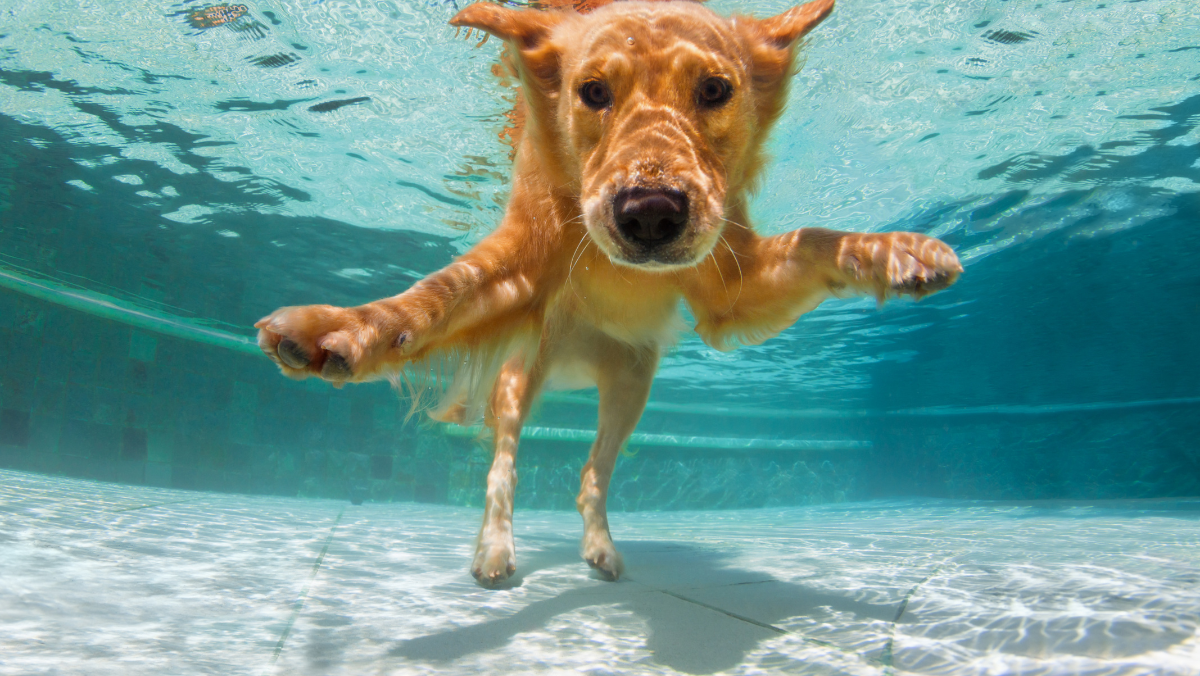
Pay attention to what your dog was bred for. A border collie needs a job. A retriever might find joy in water games. A Yorkie? She might just want to be close to you and feel secure. Try things out, and you’ll start to see what makes your dog light up.
5. Mental and Emotional Stimulation
Dogs get bored too. Mental enrichment is just as important as physical exercise. Sniff walks, puzzle feeders, learning new tricks, hide-and-seek games — these are more than just ways to pass the time. They stretch your dog’s brain and bring out their curiosity and confidence. And it doesn’t have to be fancy. You can do a lot with what you already have around the house.
1o Keys Your Dog Is Happy
1. Exuberant Greetings
You walk through the door, and there they are — tail going a mile a minute, bouncing, vocalizing, or maybe just calmly wiggling with joy. However your dog shows it, that welcome means one thing: they’re genuinely happy to see you. This kind of greeting is a clear sign of a strong, loving bond.
2. Soft Eye Contact
Happy dogs look at you with soft, relaxed eyes. It’s not a stare-down — it’s an invitation. They’re comfortable in your presence and want to connect. That gentle gaze says, “I trust you.”
3. Eager Engagement
When your dog joins in on family life — playing with the kids, following you room to room, responding to cues — they’re feeling secure and content. If your pup starts withdrawing or acting disinterested, it may be a sign that something deeper needs attention: health, emotional security, or even loneliness.
4. Rolling Onto Their Back
There’s something pure about seeing your dog roll over, paws up, tongue out — it’s the ultimate sign of comfort. My golden, Peter Parker, does this daily, and it reminds me how powerful it is to feel safe enough to fully let go. That vulnerable belly-up sprawl? That’s a dog at peace.
5. Excited for Meals
Mealtime should be a moment of joy. A happy dog shows up with anticipation — wagging, pacing, eyes locked on you as the meal is prepared. If your dog sniffs and walks away or only eats when they’re starving, chances are they just don’t enjoy the food. Let’s be real — we all want meals that taste good. Dogs deserve that too.
6. Initiating Play
Play is joy in motion. Whether it’s tossing a toy in the air, zooming around the yard, or nudging you with a ball, dogs in a good emotional state will initiate fun. If they suddenly stop playing, don’t brush it off — it could point to pain, anxiety, or unmet needs. Every dog plays differently. My Shepherd lives for frisbee marathons, while my late Pitbull would sprint full-speed for five minutes and call it a day.
7. Favorite Resting Spots
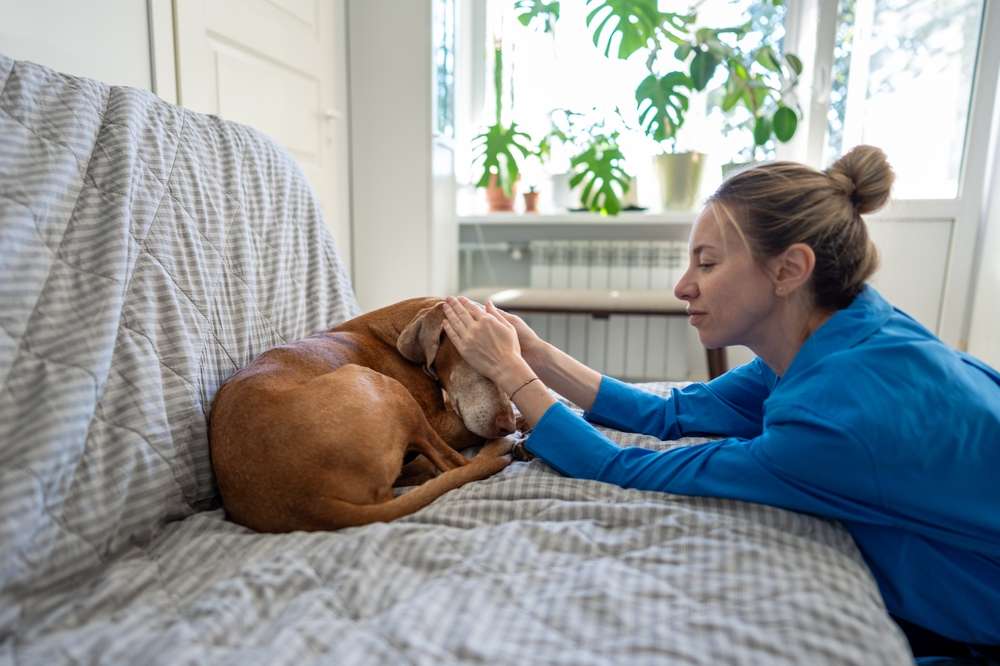
Dogs love cozy, safe spaces — and where they choose to rest tells you a lot. If your dog naps where they can keep you in sight, or rotates between rooms depending on where you are, that’s a beautiful sign of connection. But if they start hiding or avoiding their usual spots, it could mean they’re not feeling well — physically or emotionally.
8. Steady, Predictable Behavior
Happy dogs are consistent. If your dog greets guests with a tail wag, hops in the car without hesitation, or calmly handles walks in town — and then suddenly doesn’t — that shift matters. Changes in behavior can signal discomfort, fear, or a negative experience they haven’t shaken off. When things feel stable, dogs show it in their behavior.
9. Relaxed Body Language
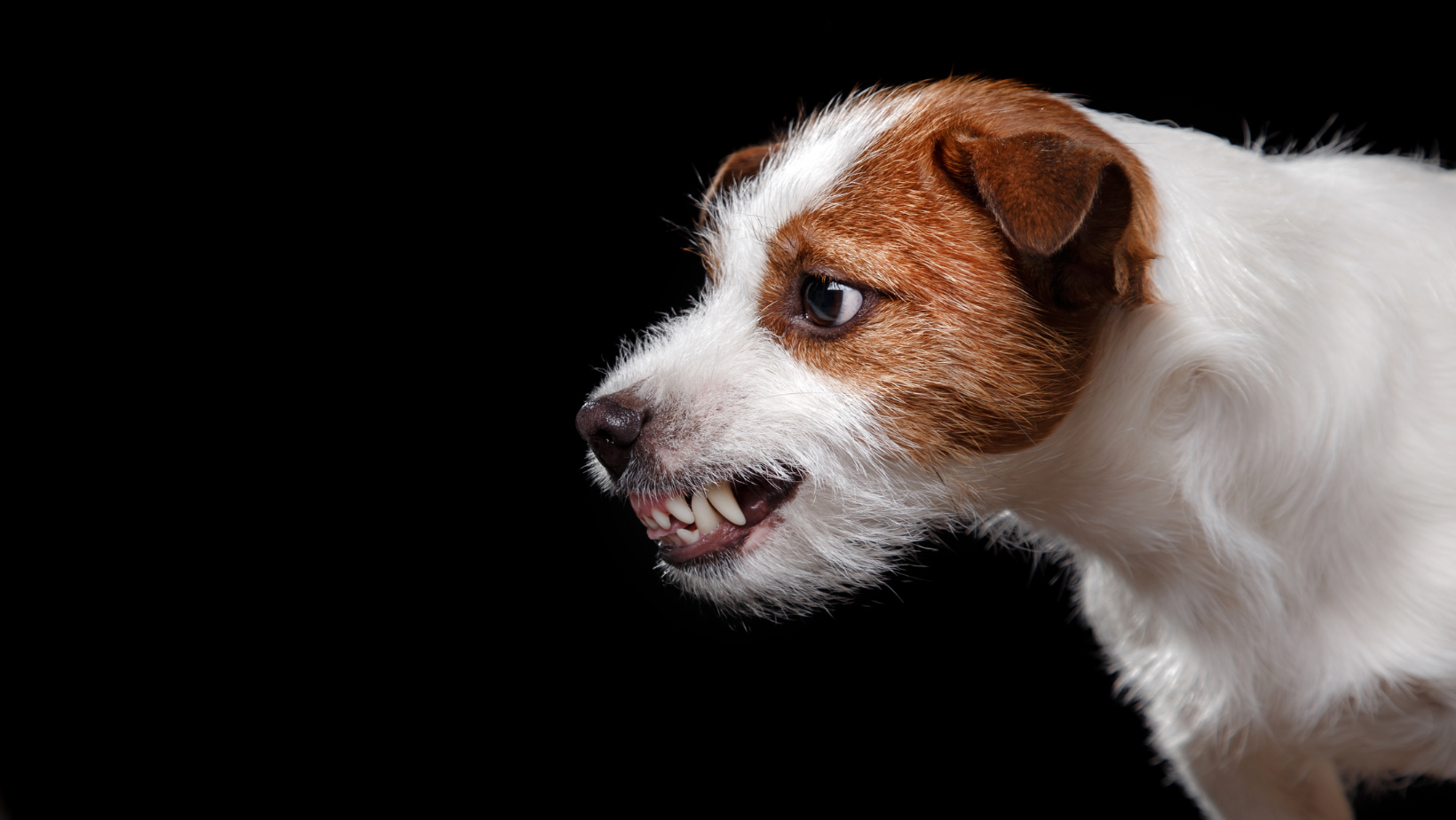
You can read a dog’s mood just by looking at their body. Loose muscles, a softly wagging tail, a floppy sprawl on the couch — these are all green lights for happiness. On the flip side, a stiff posture, tucked tail, wide eyes, or raised hackles are signs something’s off. Pacing, panting, or flinching? It’s time to check in.
10. Seeking You Out
A happy dog will come to you — for pets, cuddles, reassurance, or just your presence. Those nose nudges, belly flashes, or flops at your feet aren’t just cute — they’re signs of safety and love. If your dog keeps their distance or avoids being touched, that’s their way of saying they’re uneasy. Trust their cues and respond with kindness.
To Know What They Don’t Like
It’s so important to pay attention to what your dog genuinely enjoys — and just as importantly, what they don’t.
Last week at the beach, I saw someone trying to drag their Great Pyrenees into the ocean. The guardian clearly wanted to share a joyful moment with their dog — I totally get that. But the dog was pulling back, clearly uncomfortable. The thing is, Great Pyrenees weren’t bred for swimming. They’re more likely to find peace lying under a tree on a quiet hillside than splashing in the surf.
I’ve seen the same thing happen at dog parks — a guardian encouraging their dog to play with other dogs when that particular pup just wants to sniff the perimeter or sit beside their human. Social time is great if your dog enjoys it, but not every dog is into a rough-and-tumble free-for-all. And that’s okay.
The same goes for physical affection. Many of us instinctively go in for hugs or pats on the head — it’s how we show love. But for some dogs, those gestures can feel intrusive or even threatening. If your dog stiffens, turns their head, or avoids eye contact when you hug them, they’re telling you, “I’m not comfortable with this.”
The real key is learning your dog’s language — not the one we expect, but the one they’re quietly speaking all the time. Watch how they respond to your touch, your energy, and the activities you offer. Then adjust.
That’s how you build real trust. That’s how connection deepens. And that’s how you help your dog feel truly safe, understood, and happy — in a way that’s perfect for them.
What Matters Most in the End
Now, I know the weight of responsibility can feel heavy sometimes. There’s so much information out there — what food is best, which preventative care to trust, whose advice to follow. It can feel like you’re always one decision away from getting it wrong.
But please hear this: the fact that you’re here, reading this, means you already are doing amazing. You care. You’re trying. And your dog doesn’t need perfection — they need you.
Don’t let the pressure drown out the one thing your dog wants most: your touch, your presence, your love.
They give us so much joy. Let’s keep giving it back.
Related blog you might love:
One Comment
Comments are closed.







Love your insight and wisdom! So much useful and important information. Thank-you!!