
When you hear “hot spots,” you might think about an excellent place for a fun night out or a great meal. Unfortunately, that’s not what we are talking about here… Instead, I will give you everything you need to know about the gross, oozing wounds dogs get when they incessantly lick or scratch at an area of skin. There’s nothing fun in that sentence….
Hot spots, also known as acute moist dermatitis, acute moist pyoderma, or pyotraumatic dermatitis, are severe skin wounds that can suddenly appear without warning. Although it is possible for pyotraumatic dermatitis to occur at any time of year, cases occur more frequently during hot, humid weather. They can spread and turn into severe infections if not treated promptly. They appear most often in areas where moisture can get trapped, such as behind the dog’s ears, the armpits, and between the legs (otherwise known as the inguinal region) but can occur anywhere.
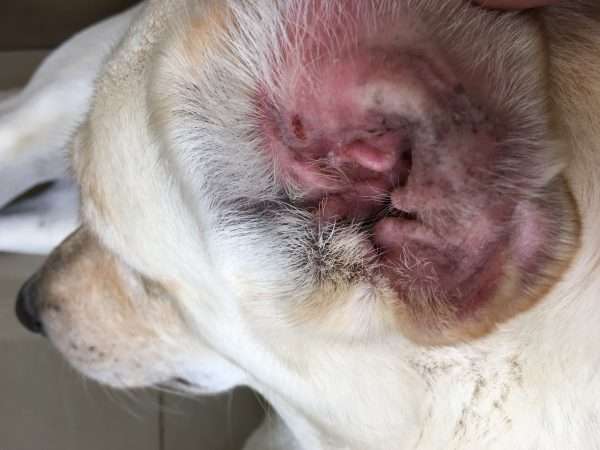
They start as a wet, intensely red skin lesion that progresses to yellow and sometimes bloody. They can spread, covering large areas of the dog’s skin, or they can appear as smaller solitary lesions, sometimes in multiple locations. Hot spots generally have obvious margins defining them from normal, healthy skin.
SYMPTOMS
-
- Moist haircoat with underlying reddened skin
- Hair loss
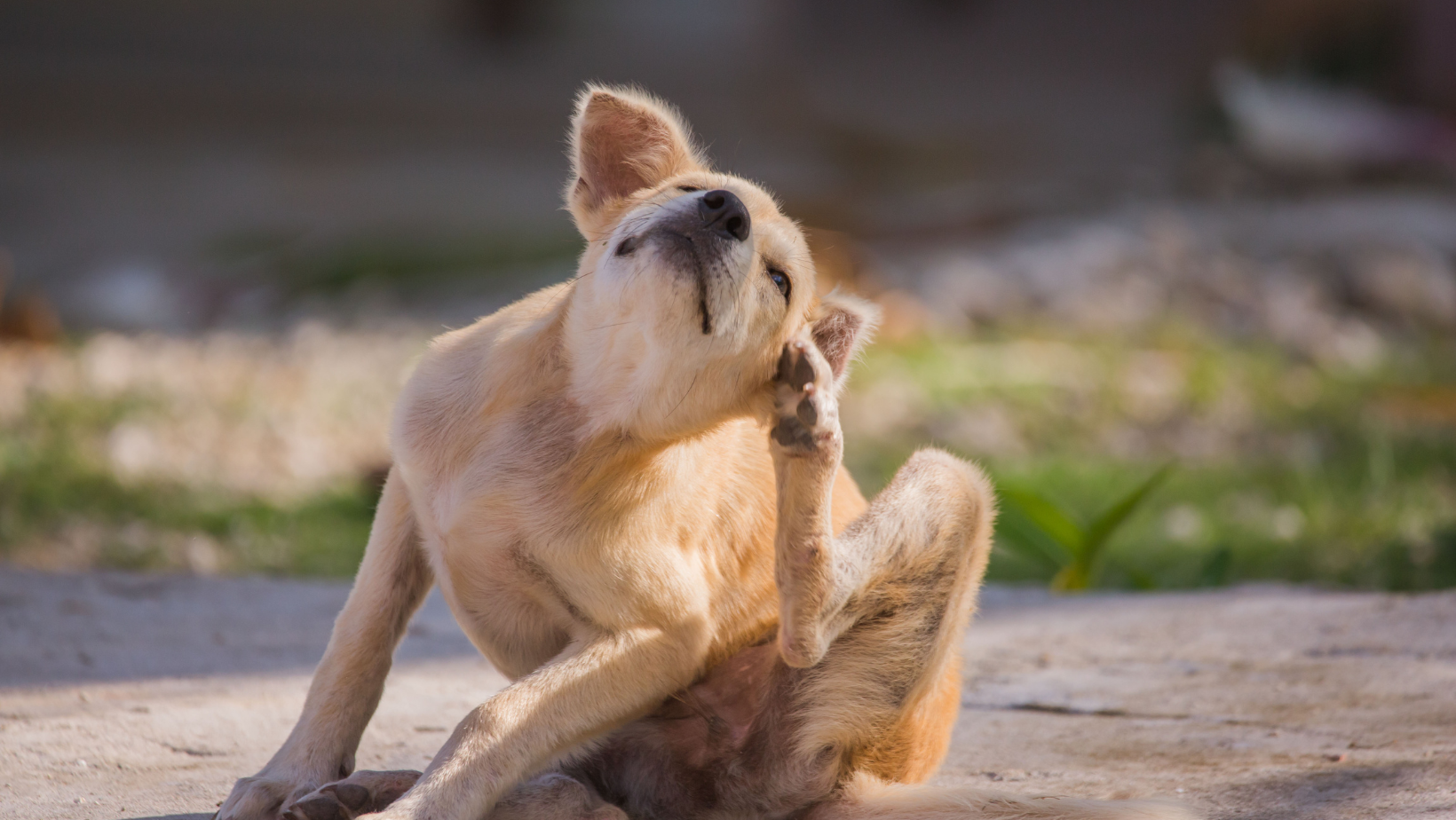
- Excessive licking, chewing, scratching, and rubbing of one particular spot
- General malaise from associated pain, fever, and secondary infection
- Anxiety and restlessness from severe itchiness
- A round or oval weeping wound that is usually flat, red with yellow discharge
- Fever in severe cases
CAUSES
An underlying primary cause always initiates severe itch or pain, causing the dog to excessively lick, bite and/or scratch the skin area.
 The most common primary (underlying) causes are:
-
- Ear infections (the hot spot will be below the ear or on the cheek)
- Retained moisture after a bath or swimming, usually in the armpits, between the back legs, or on the neck under a wet collar
- Allergic reactions to flea bites
- Food or environmental allergic reactions
- Allergic reaction to vaccinations
- Clipper burns from grooming
- Anal sac inflammation or infection
- Any other underlying tissue inflammation which causes pain.
- Poor diet
- Foreign bodies under the skin such as Plant awns, burrs, splinters
- Hypothyroidism
Rarely, pyotraumatic dermatitis has also been linked to Dirofilaria repens (a dermatitis caused by roundworms) and canine distemper virus.
The dog then responds to the itchiness, pain, or irritation caused by these conditions by excessive licking, chewing, scratching, and rubbing. This results in a break in the skin surface and the invitation for inflammation and infection to move in—the microorganism Staphylococcus intermedius cause the infection component of the hot spot. The organism is commonly found on the skin and opportunistically takes advantage when the integrity of the skin is compromised.
The staph. Organism invades the skin at a compromised point and produces destructive endotoxins to skin cells. The body’s immune system kicks into high gear, sending mast cells, histamines, and other defensive bodies to the site of the hot spot. This results in further damage to the skin.
Any dog can get a hot spot but heavy-coated breeds are more prone because the coat traps moisture and takes longer to dry. The early symptoms of skin inflammation are also easily missed in heavier-coated breeds, and therefore the problem is not realized until the weepy, odorous hot spots are revealed. Golden retrievers are one breed known for getting hot spots around the cheeks and under the ears.
TESTING
Exam Findings/History: Diagnosis can usually be made based on physical exam. The acute onset, lesion appearance, and suspicion of a primary, underlying cause is usually enough for a diagnosis. A well-demarcated area that is usually flat, intensely reddened, and moist most commonly found on the head, around ears, or tail base is consistent with pyotraumatic dermatitis. Lesions can also occur at other sites.
Cytology: Your vet may recommend a cytology of the affected area.
Biopsy: Skin biopsy is usually not necessary for straight forward hot spots however, if it does not respond to therapy, is severe or recurs then this test may become necessary.
TREATMENT

Hot spots are a medical emergency. They can quickly progress from lesions the size of a quarter to baseball-size within hours and will continue to spread over large areas of skin. If not managed, this can lead to life-threatening illnesses, such as sepsis. I treated a case of a St. Bernard, whose hot spot was allowed to become so severe he became septic and required intensive care for weeks to save him. The good news is that they are relatively easy to treat if you catch them early.
1. Find the primary cause of the self-trauma. Check your dog’s ears for inflamed skin, swollen canals, debris, and odor. If you find any of these, I recommend making an appointment to have your vet check him for ear infections. You can start treatment by cleaning the ears with natural solutions, but a vet appointment is still essential. Here is my blog on ear infections for some of my favorite options. Check your dog for fleas using a flea comb. Here is my blog on fleas if you find them the cause. Consider if you have started a new food or treat your dog may be reacting to. Have you used a new cleaning spray or detergent your dog may be allergic to? Was he just at the groomer? Did you recently place a commercial flea and tick spot-on treatment that he reacted to? Was he vaccinated recently?
2. Clean the wound- Cleaning the wound involves clipping the surrounding hair to clean the hot spot thoroughly. This also allows the wound to breathe, prevents further moisture from getting trapped, and allows more effective disinfecting. It also gives you a better view so that you can monitor healing. Use a disinfectant that is an antiseptic to kill the staph. But not caustic. The skin is already damaged, so you want to avoid causing more damage and pain. If the hot spot is severe and painful, your dog may require your vet to sedate him for this procedure. Clean with either Chlorhexaderm solution or dilute Betadine (dilute with water until it is a tea color). Avoid products like alcohol and peroxide because they are extremely painful, and peroxide will cause damage to skin cells.
3. Once the superficial infection is cleansed correctly, topical products can be used. It is necessary to kill the staph. Organisms quickly handle the overreacting immune system to stop the progression of skin damage. Here are some of the ointments I like to use once the wound is clean:
- Mupirocin is an antibiotic cream.
- Colloidal silver is a solution of tiny silver particles suspended in water with potent antimicrobial properties. When applied to hot spots, colloidal silver can help reduce inflammation, soothe irritated skin, and speed up healing.
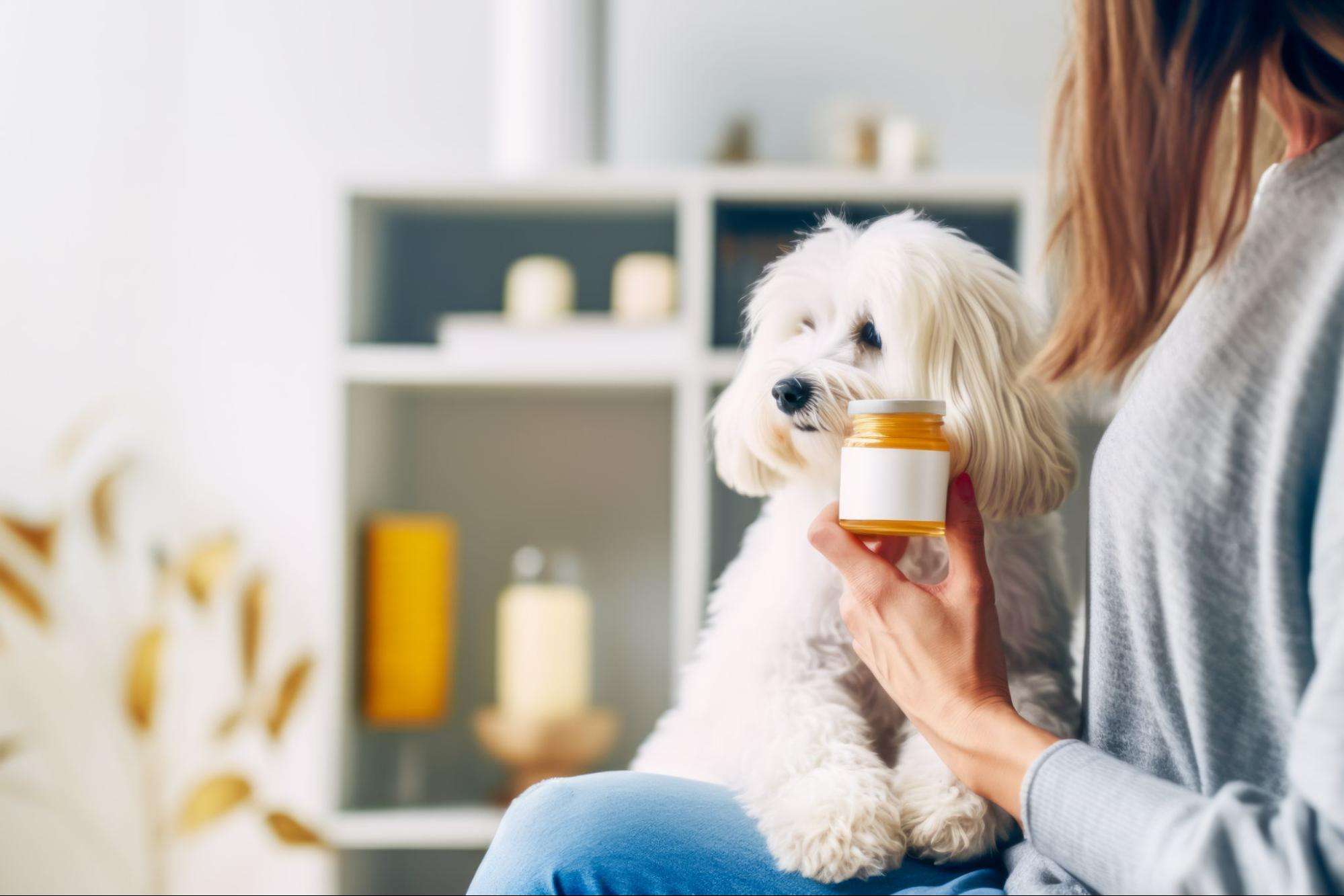
- Manuka honey -Manuka honey can enhance wound healing, amplify tissue regeneration, and even decrease wound pain. You can apply pure Manuka honey directly on top of the wound and cover it with a clean bandage. If a bandage is not an option, you need an e-collar to prevent your dog from licking it off.
Some natural recipes for less severe hot spots:
-
- Grapefruit seed extract is an effective antibacterial agent. Put a few drops of valerian, Frankincense, and lavender together in an ounce of grapeseed oil, apply to the wound, and leave it on for 10 minutes. Lavender, Frankincense (a natural antiseptic, moisturizer, and anti-inflammatory), and valerian may help calm your dog while also helping the skin. You can also make a spray by Diluting Grapefruit seed extract in five parts water and spray directly on hot spots. The unpleasant taste of grapefruit seed extract is helpful to discourage a dog from further licking and chewing the hot spot.
- Apple Cider Vinegar – diluted half and half with water, apple cider vinegar can be sprayed on hot spots and the surrounding area to discourage bacterial growth, soothe the skin, and repel fleas and ticks. Avoid if the skin is severely damaged, as this can burn when applied. I usually use this once the hot spot has shown signs of healing.
4. The use of steroids for this condition is controversial. Steroids have many potential side effects, and I avoid using them for my patients. I won’t use a steroid in a simple, superficial hot spot. However, you bet I will reach for a steroid if I am treating a dog in agony from an excruciating hot spot and unrelenting itchiness. Steroids not only aid in getting the overactive immune system response under control but also provide fast relief to itchiness and inflammation. I will use a topical cream or spray with a steroid and give a steroid injection in these severe cases. It stops the cycle of itching-licking-biting-skin damage faster than other treatments. I find it unnecessary to send my patients home with the steroid as one injection is usually enough to get relief while everything else starts to work.
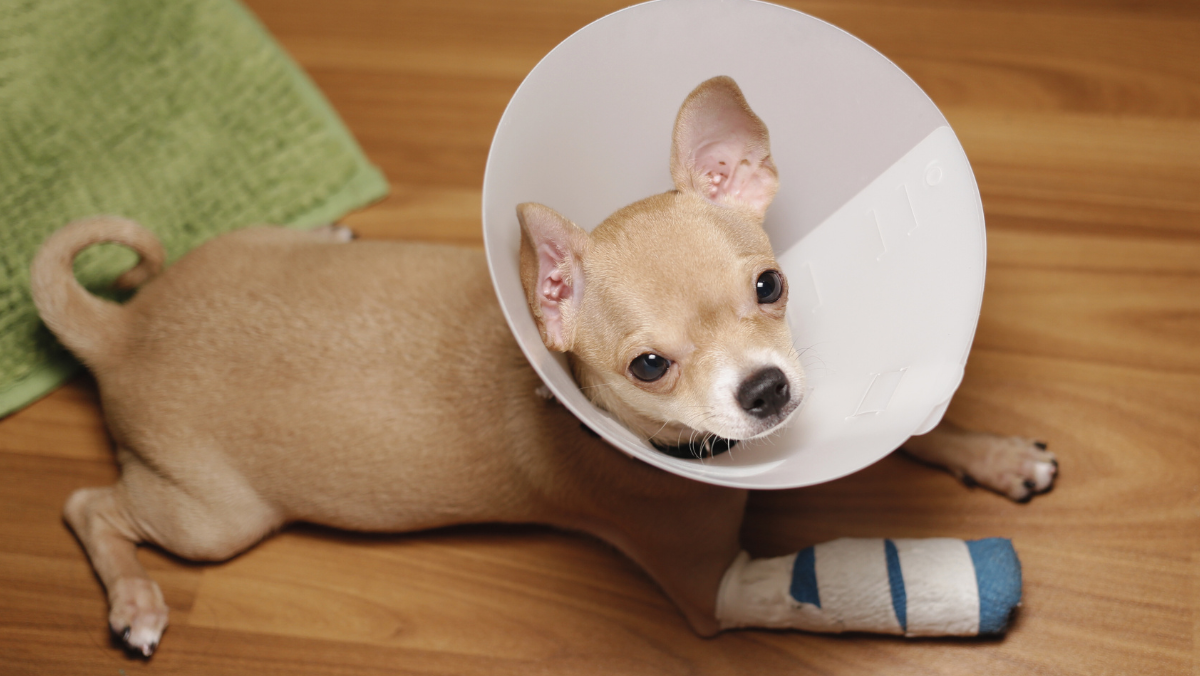
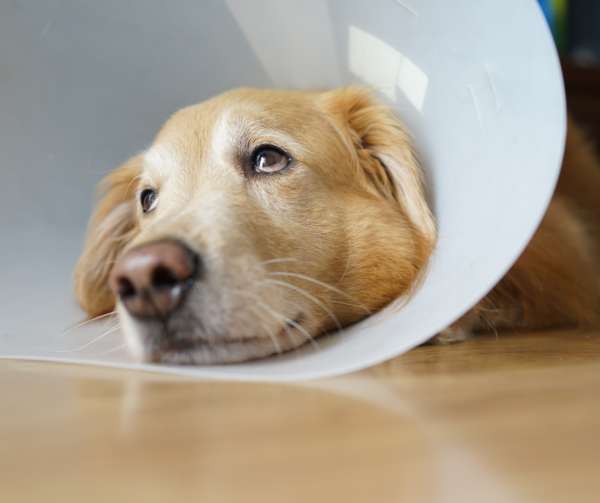 5. Prevent further self-trauma. This can consist of covering the body with a post-surgical wrap or placing an Elizabethan collar to prevent your dog from getting at the wound. Doggie Donut Cones are an excellent solution for dogs with shorter noses and bodies. These are inflatable balloons around your dog’s head. I hate using these collars, but they are usually only necessary for 24-48 hours to allow the treatments to gain control of the itch, infection, and inflammation.
6. Herbs like milk thistle, dandelion, and St John’s wort are helpful supplements when dealing with a hot spot and can help cool the system and support the liver. Here is my article on providing milk thistle.
7. Treat the anxiety that comes with this uncomfortable, irritating condition. You can make a calming essential oil spray to add to a bandana or bedding. Here is one recipe:
2 ounces carrier oil (such as Jojoba, Rosehip, Avocado, Olive oil, or Argan oil)
4 drops of Neroli essential oil
3 drops Petitgrain essential oil
2 drops of Lavender essential oil
Check out my blog on How To Use Essential oils effectively.
PREVENTION
 Use effective, natural flea control. Check your dog for fleas daily and note the first signs of itchiness. Check out my article on fleas.
- Provide excellent nutrition by feeding a natural, whole-food diet and avoiding processed kibble and treats. Read more about feeding for vitality here.
- Identify allergens that may be causing your dog to react and reduce exposure.
- Maintain good grooming practices. Dry your dog thoroughly after baths, rain, and swimming. I use this force dryer on my German Shepherd and Golden.
- Support your dog’s health by avoiding over-vaccination, toxic pesticides, and overuse of conventional medications. Healthy dogs are much less likely to suffer from hot spots.
- Omega 3s supplements to support healthy skin. Check out my blog on choosing an excellent omega-3 supplement
Let’s Summarize
- Hot spots are usually a sign of something more profound. Look for the primary cause.
- The key to treatment is catching it early.
- Dogs dealing with hot spots suffer from discomfort, pain, and severe itchiness.
- When caught early, natural solutions will likely be adequate. If symptoms are severe, conventional medications provided by your veterinarian may be necessary.
- Follow my recommendations for preventing hot spots, and you will likely be able to protect your dog from ever dealing with this painful, stressful condition.