
As an emergency vet, I’ve seen far too many heartbreaking cases—dogs suffering or even dying from entirely preventable heat-related issues.
Summer is a great time to get outside with your dog—whether you’re hiking, traveling, or hanging in the backyard. But hot weather can quickly become dangerous for dogs. Heatstroke, burned paws, dehydration, and sunburn are all real threats.
Here’s how summer heat can harm your dog—and how to keep them safe.
Heatstroke
Heatstroke happens when a dog’s body overheats and can’t cool down. This is most common when dogs are left in hot cars, overexerted in the heat, or exposed to high humidity without relief. It’s a medical emergency—and sadly, one that us veterinarians see far too often.
How to Prevent Heatstroke
-
-
Avoid peak heat: Walk your dog early in the morning or after sunset.
- Help them breathe better: If your dog has brachycephalic syndrome, talk to a board-certified surgeon about options before summer arrives.
- Know your dog’s risks: Brachycephalic breeds (like bulldogs and pugs), older dogs, overweight pets, and those with chronic illnesses are more prone to heatstroke.
- Never leave your dog in a parked car, even with the windows cracked.
- Use air conditioning: Keep your dog indoors during the hottest part of the day.
- Provide shade and water: Make sure your dog always has access to cool, fresh water and shade when outside.
-
Dehydration

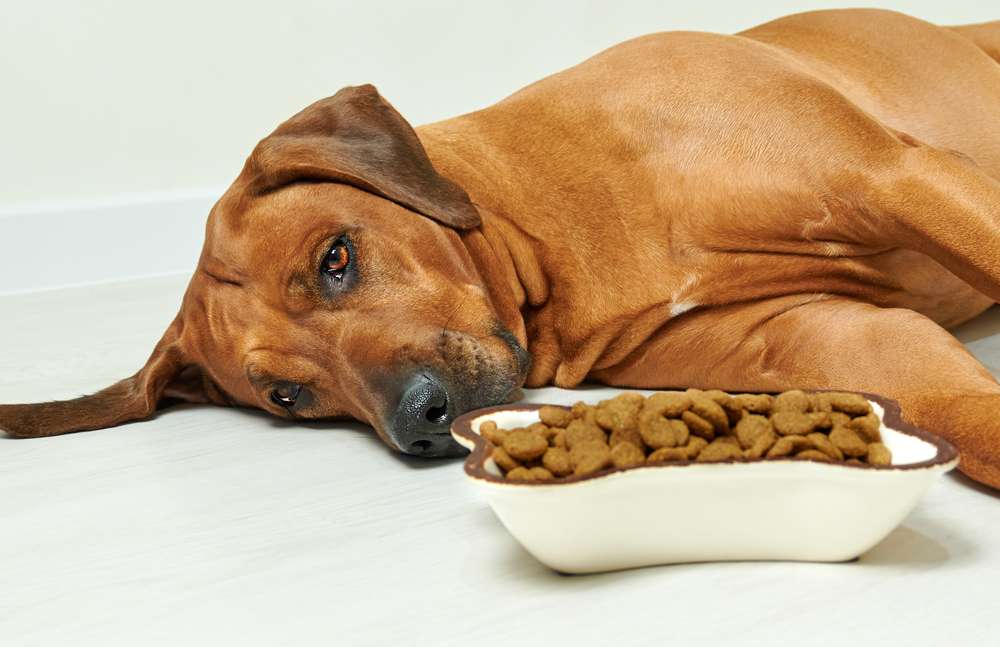
Dogs regulate their body temperature by panting when the environment is hot. Excessive panting can lead to dehydration and higher water consumption needs. Decreased water intake, vomiting, and diarrhea can also lead to dehydration. Dogs, especially ones with underlying medical conditions, can get very ill once dehydration occurs. A common emergency in the summer is a dog spending the day at the beach in the hot sun, drinking lots of seawater, then vomiting or having diarrhea. This is a cascade of events that leads to severe dehydration.
How to Prevent Dehydration:
-
- Increase water consumption on summer days by adding more water to meals.
- Feed a hydrated diet like a raw or gently cooked diet instead of a dehydrating, highly processed dry kibble.
- Bring cool water and a water bowl whenever you are with your dog. I like this travel water bottle.
- Ensure plenty of fresh water-filled bowls are in the house and the yard. Fill a bowl with ice when you are hanging outdoors together.
- Provide shade.
-
Check your dog regularly for signs of dehydration, such as:
-
Prolonged or quick CRT (capillary refill time) -when you press your finger on your dog’s gum line to make it white, it should turn pink again within 2 seconds after removing your finger. If it’s too quick <1s, it could be a sign of early dehydration or shock. If it’s too long, it’s mid or later-stage dehydration.
-
Skin tenting – lifting your dog’s skin on the back of his neck should bounce right back. If it tents for a few seconds, your dog is seriously dehydrated.
-
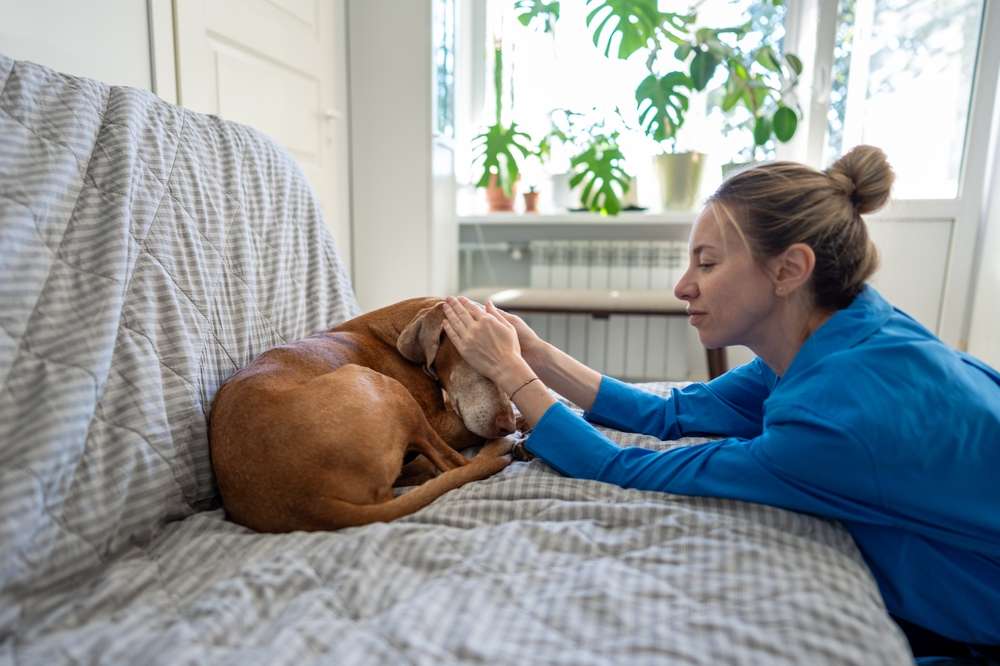
Lethargy, generalized weakness, vomiting, and diarrhea can also be signs of dehydration.
Sunburn
 Some dogs are more susceptible to sunburn than others. Dogs with fair skin and light-colored hair coats have an increased risk, as do breeds with shorter, thinner fur.
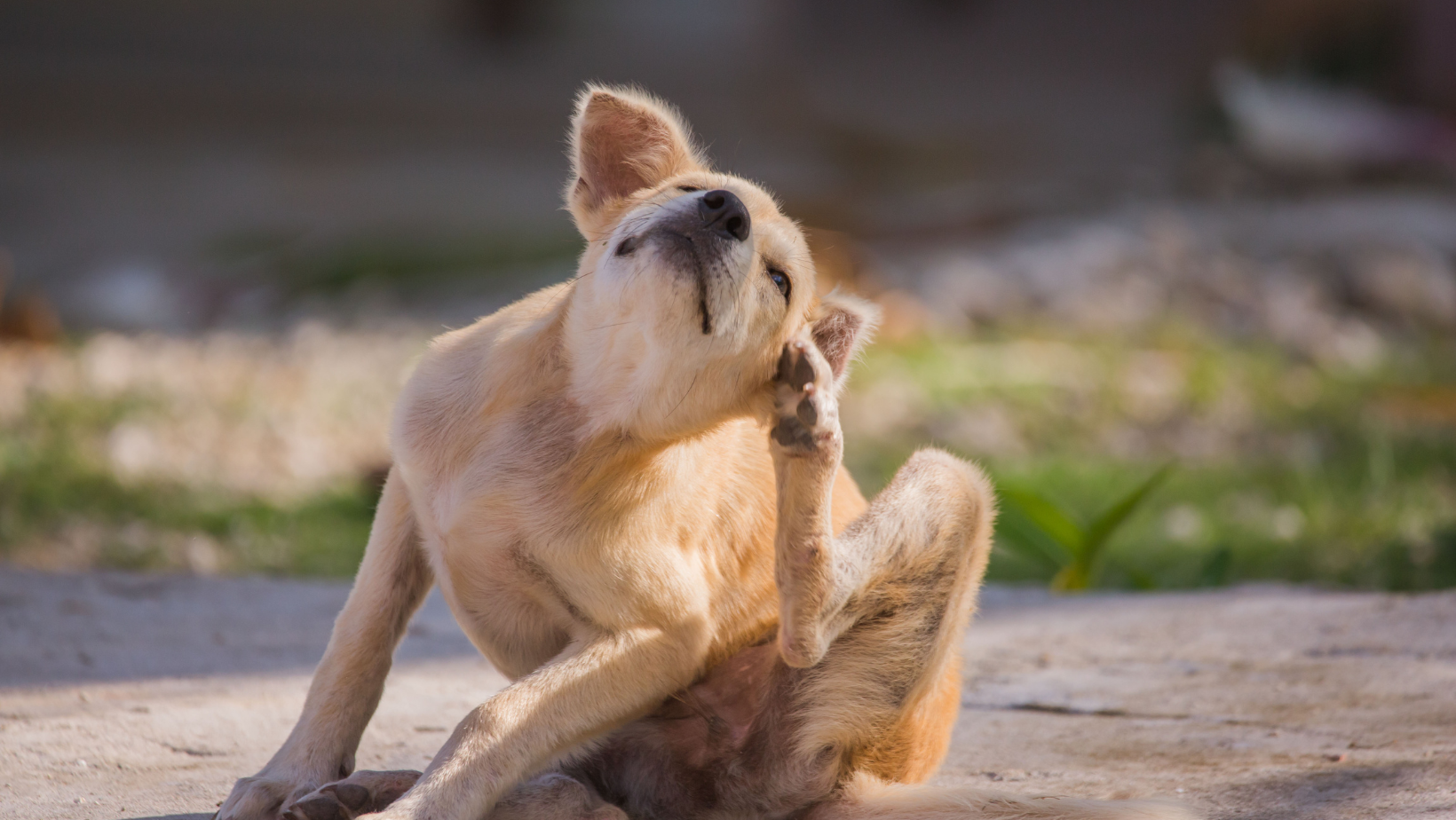
Medical conditions that cause hair loss can also increase a dog’s risk for sunburn. This includes but is not limited to allergies, hot spots or wounds, skin parasites like fleas and mites, or certain endocrine diseases. Some immune-mediated conditions like lupus, which decreases skin pigmentation, can also reduce a dog’s natural sun protection. Although different dogs have a higher or lower natural risk of sunburn, no dog is immune to sun damage.
Shaving a dog’s coat increases its risk of sunburn by removing some of its natural sun protection. If you decide to shave their fur, take extra precautions to prevent sunburn.
Sunscreen for Dogs
Sunscreen can protect dogs from sunburn, but using the wrong type can also cause issues. It’s essential that you use sunscreen formulas that are specifically intended for dogs. Sunscreens formulated for dogs should not contain zinc oxide or para-aminobenzoic acid (PABA), as these ingredients are toxic to dogs if ingested, and dogs will often lick their skin and ingest the sunscreen.

To Sum It up
All dogs have the potential to experience heat-related issues such as heatstroke, burned paw pads, dehydration, and sunburn during hot, sunny days. If you take the proper precautions, plan well, and know the signs of trouble, you can protect your dog from these dangers while enjoying an active summer together.
Check out my blog on Heatstroke to learn how to handle the most serious summer dangers.