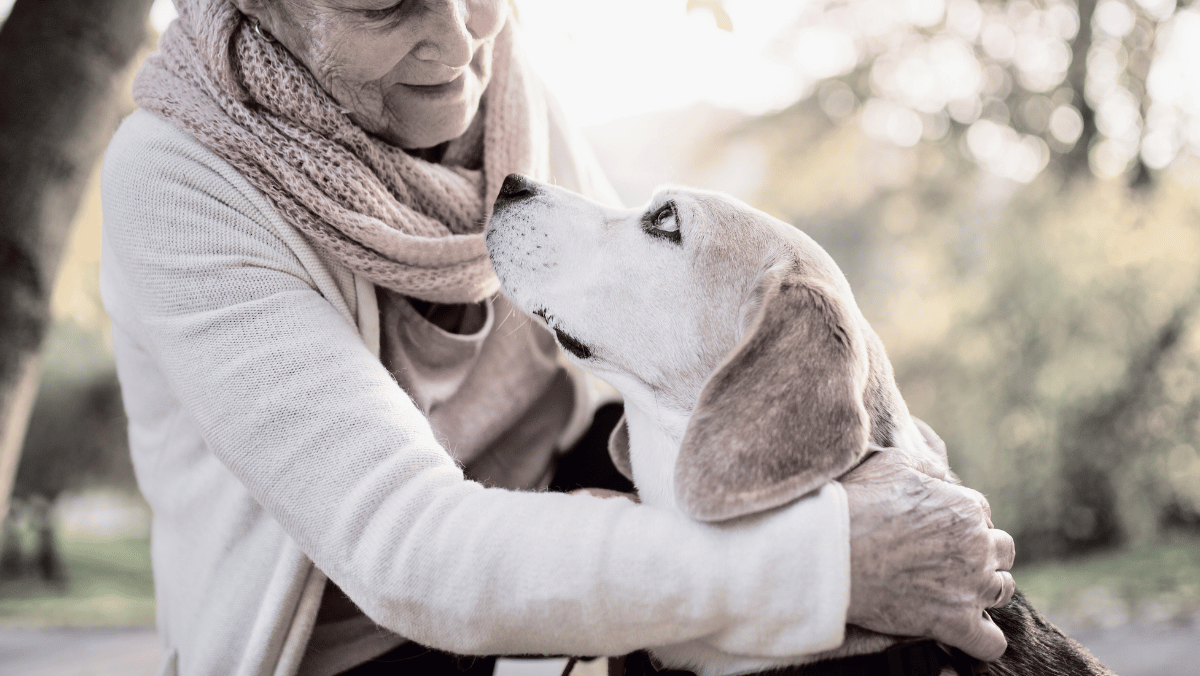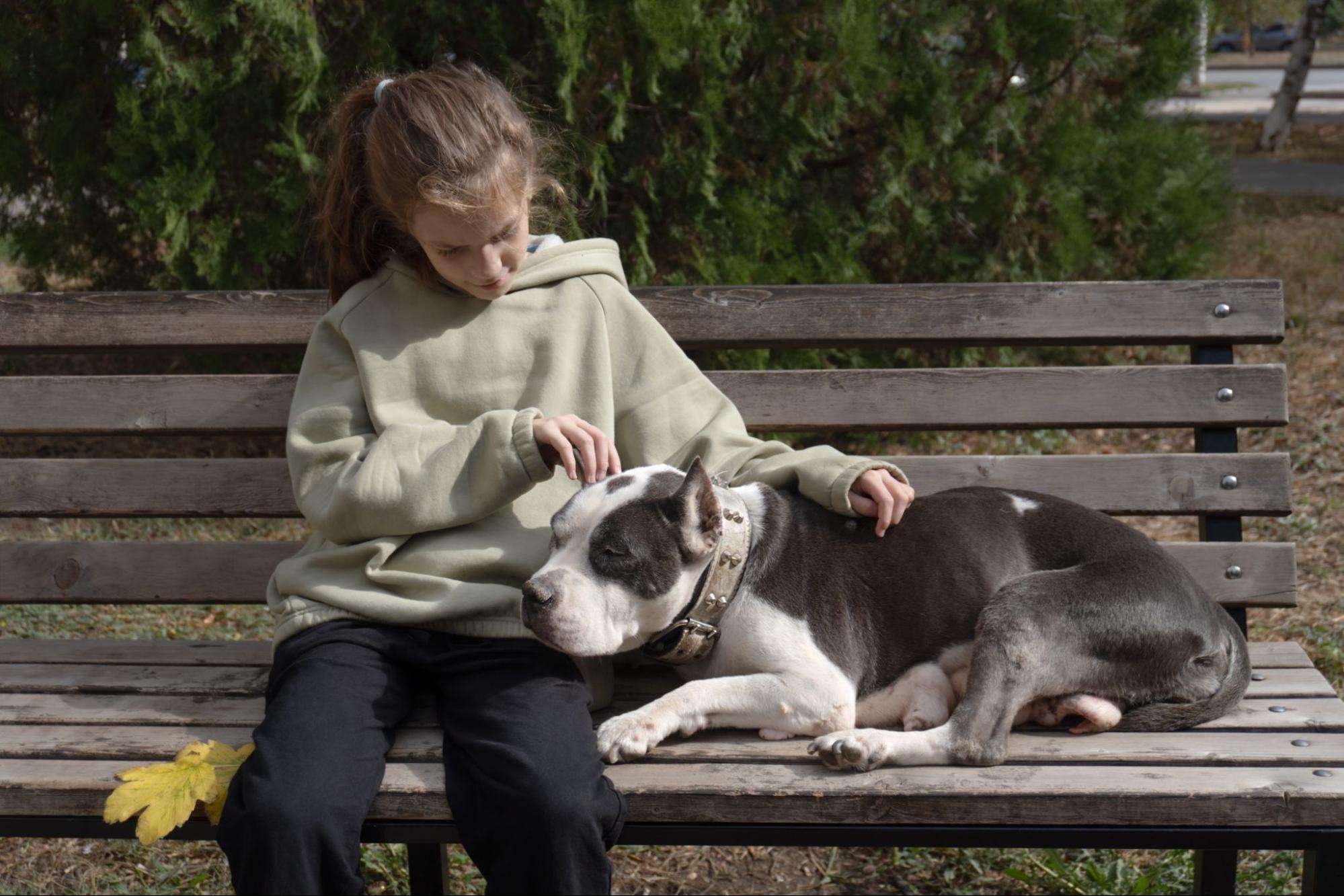

One of the most difficult parts of loving a senior dog is realizing that decline often happens quietly.
Most dogs do not suddenly wake up one day unable to function. More commonly, changes happen gradually over weeks or months. Because we see our dogs every day, those small shifts can be easy to miss or unintentionally normalize.
Dogs are also incredibly good at hiding discomfort. Survival instinct teaches animals to compensate, adapt, and continue functioning long after their bodies are struggling.
Many loving guardians tell me afterward:
“I thought he was just slowing down with age.”
Sometimes that is partly true. Aging does bring changes. But aging alone should not automatically mean discomfort, anxiety, poor mobility, or declining quality of life.
Recognizing the subtle signs early can help us provide more support, comfort, and meaningful time together.
Subtle Signs Your Senior Dog May Be Struggling
Many of the earliest signs are behavioral or emotional rather than dramatic medical emergencies.
You may notice:
- Difficulty getting up or laying down
- Hesitation with stairs, jumping, or getting into the car
- Slipping on floors more often
- Panting at night or difficulty settling comfortably
- Increased pacing, restlessness, or anxiety
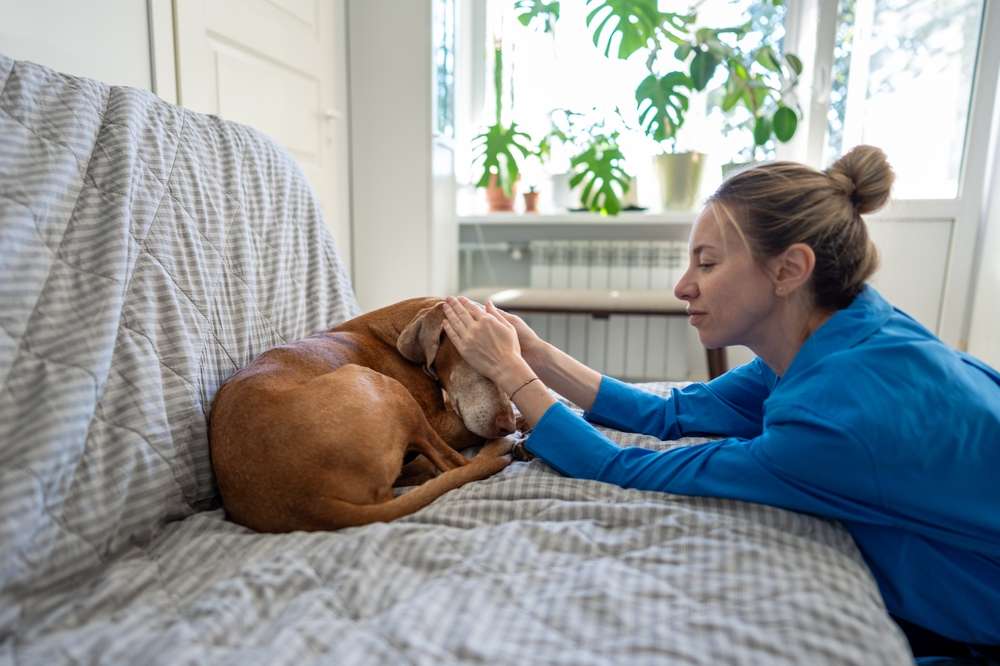
- Sleeping more or withdrawing from family interaction
- Becoming clingier or unusually distant
- Changes in posture or the way they carry themselves
- Less enthusiasm for walks or play
- Taking longer to recover after activity
- Increased accidents in the house
- Changes in appetite or becoming pickier with food
- Weight loss or muscle loss
- Confusion, staring, or signs of cognitive decline
- Having fewer “good” days overall
Often, these signs develop slowly enough that families adapt around them without realizing how much their dog has changed.
Why Dogs Often Hide Pain
Dogs do not usually cry out or complain the way humans do.
Chronic pain often appears as:
- Slowing down
- Avoiding movement
- Sleeping more
- Irritability
- Withdrawal
- Panting
- Behavioral changes
- Difficulty getting comfortable
Many dogs continue wagging their tails, greeting their families, and eating treats even while experiencing significant discomfort.
This is why quality of life should never be judged by a single moment of happiness alone.
A dog can still love you deeply while also struggling physically.
“They Still Have Good Moments”
This is one of the most common things families say, and it is completely understandable.
Many pets nearing the end of life still experience moments of joy. They may still enjoy a favorite snack, a short walk, laying in the sun, or being close to their family.
The question is not whether good moments still exist.
The question is:
- How hard is your pet working to get through the day?
- Are they comfortable most of the time?
- Are difficult moments becoming more frequent?
- Are they still able to enjoy life in meaningful ways?
Sometimes suffering does not look dramatic. Sometimes it looks like exhaustion, discomfort, anxiety, or simply a body that is struggling more than it once did.
When Palliative or Hospice Care Can Help
Many people believe hospice or palliative care only begins in the final days of life.
In reality, support can begin much earlier.
Palliative care focuses on improving comfort and quality of life for pets living with chronic or progressive illness. The goal is not necessarily to cure disease, but to reduce suffering and support physical and emotional well being.
Support may include:
- Pain management
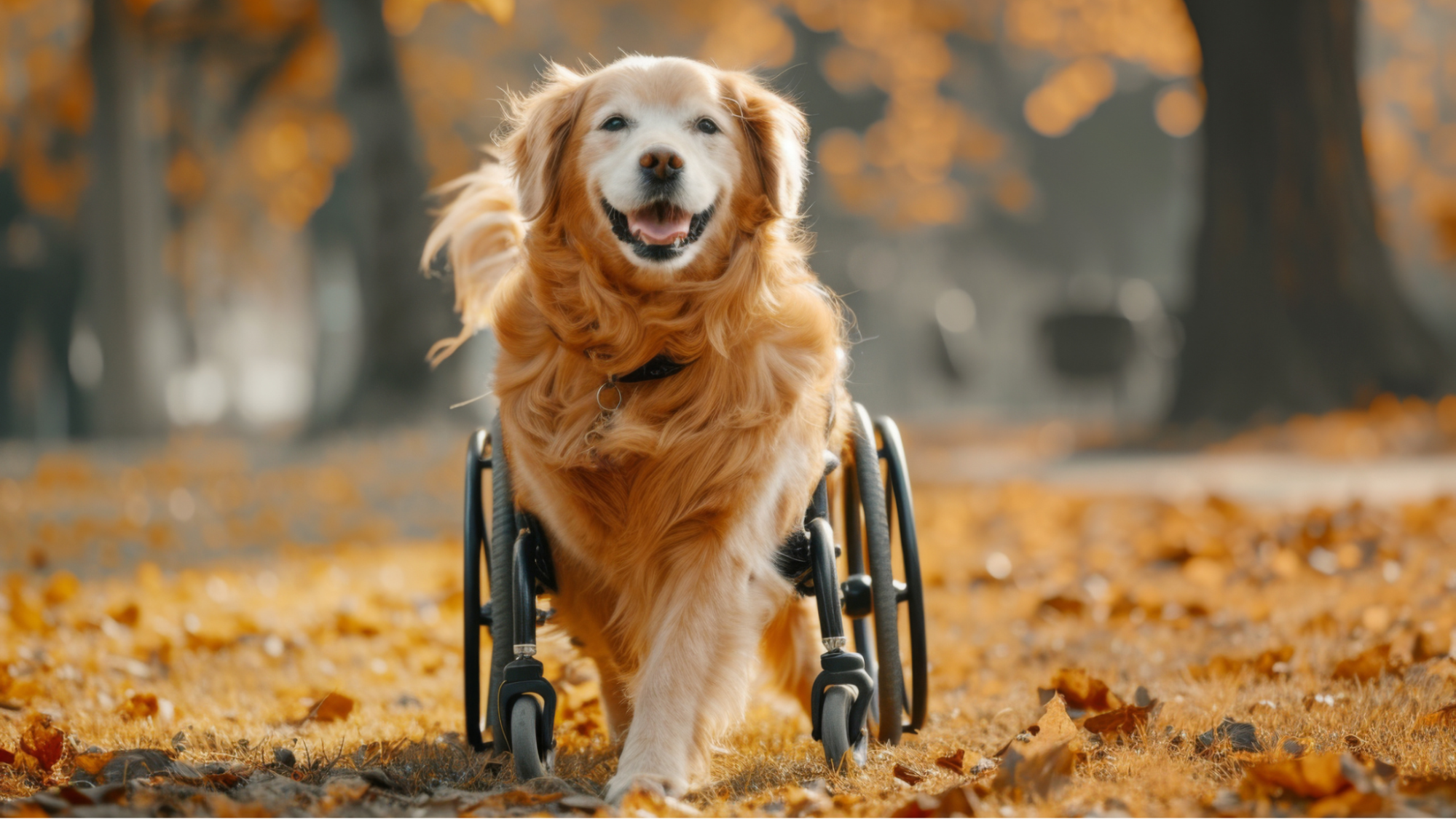
- Mobility support
- Appetite and nutritional guidance
- Anxiety reduction
- Sleep support
- Environmental modifications
- Holistic comfort measures
- Quality of life assessments
- Guidance for families navigating difficult decisions
Sometimes small changes make a profound difference in comfort.
And sometimes palliative care helps families recognize when their pet is beginning to tell them they are tired.
Trust Your Instincts
One of the most important things I tell families is this:
If something feels different, it probably is.
You know your dog better than anyone.
Even subtle shifts matter.
Many families seek support because they simply feel their dog is no longer fully themselves. Often, those instincts are correct long before obvious medical crises occur.
You do not have to wait for an emergency to ask questions or seek guidance.
You Do Not Have To Navigate This Alone
Caring for a senior dog can feel emotionally overwhelming. Many guardians constantly question themselves:
“Am I doing enough?”
“Is this still a good quality of life?”
“How will I know when it is time?”
These are deeply loving questions.
At Peaceful Transitions, we provide compassionate in home palliative care, hospice support, quality of life consultations, and in home pet euthanasia services throughout Long Island, Queens, Brooklyn, Staten Island, and New York City.
Our goal is to help families feel supported, informed, and less alone during one of the hardest parts of loving a pet.
Sometimes the greatest gift we can give our pets is not simply more time, but greater comfort, peace, and dignity within the time they have left.
At Peaceful Transitions, we provide gentle, supportive quality of life consultations, palliative care guidance, hospice support, and in home euthanasia services for families throughout Long Island, Queens, Brooklyn, Staten Island, and New York City.
You do not have to navigate this tender season alone.
Reach out to schedule a consultation and allow us to help guide, support, and care for both you and your beloved companion with compassion, honesty, and dignity every step of the way.