Introduction
Our furry companions bring boundless joy into our lives, and as responsible pet parents, it’s crucial to ensure their well-being in every way possible. One essential aspect of pet care is understanding which foods can be harmful to our four-legged friends. While I fully approve of sharing your healthy foods with your dog, you need to know which ones are not safe. Let’s talk about some common foods that can be dangerous to them.
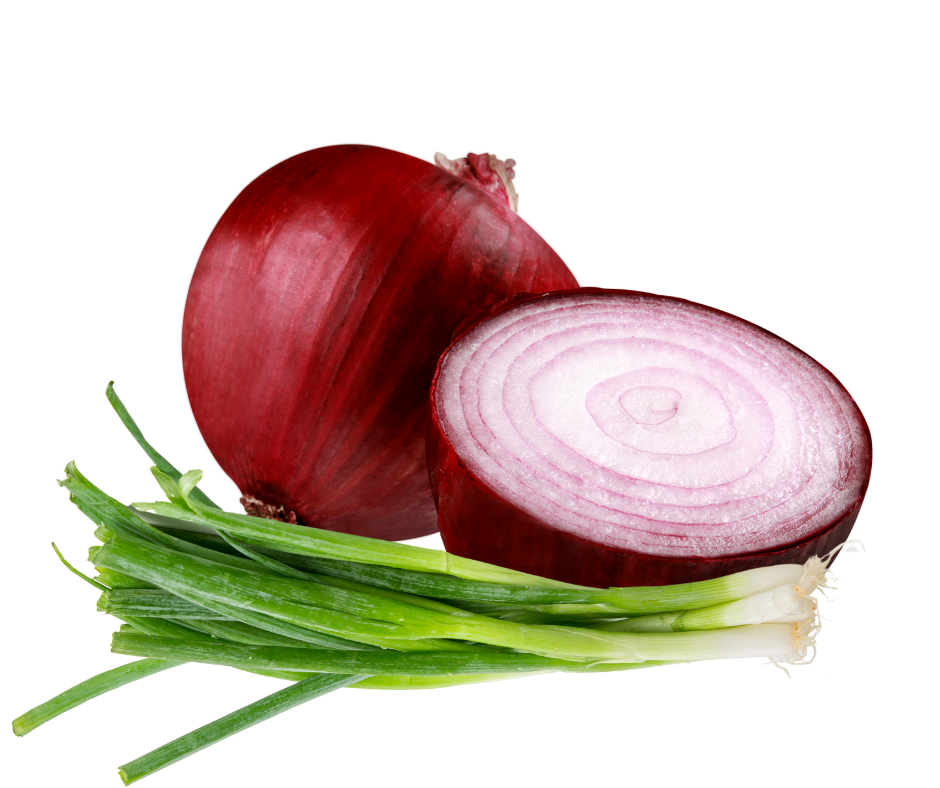
Scallions,
Chives, and Onions
Scallions,
Chives, and Onions
They contain a compound known as N-propyl disulfide. This compound causes the breakdown of red blood cells, leading to anemia in dogs. A toxic dose of scallions, chives, or onions is a ¼ cup per 20 lb dog. For garlic, it’s approximately 40 grams per lb of a dog’s body weight. So, a 20 lb dog would have to eat around 160 cloves of garlic for it to be toxic. Garlic is in this family, but it is not toxic unless your dog eats enormous amounts of it. Garlic actually has some great benefits for dogs.

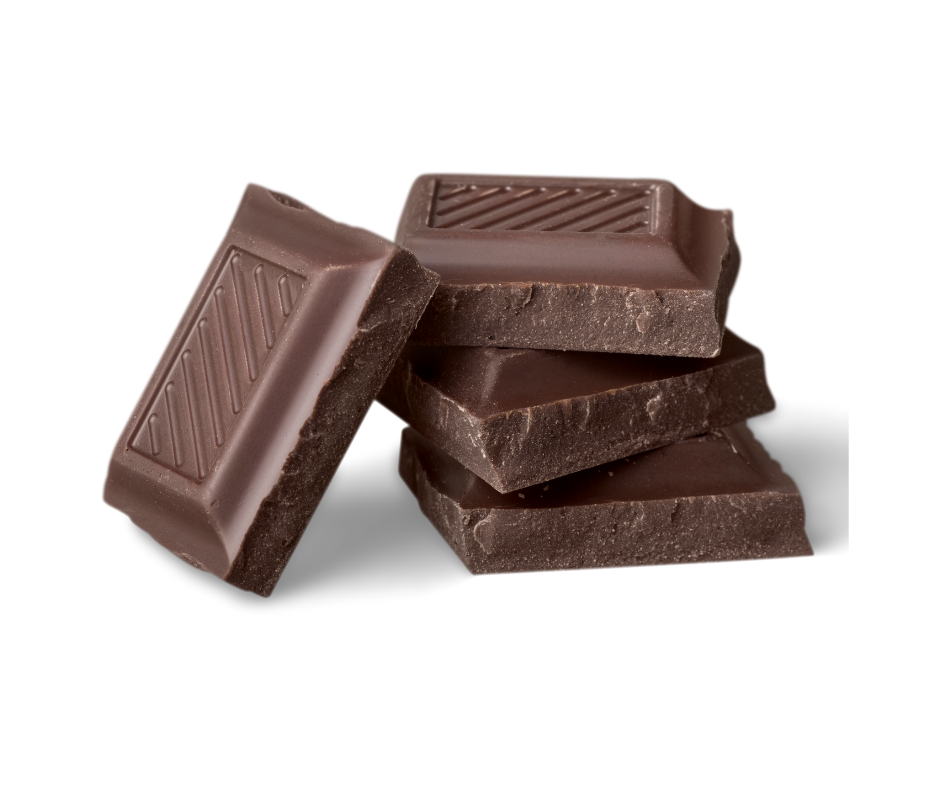
Chocolate
It contains theobromine, which dogs are unable to metabolize effectively. Ingestion can cause vomiting, diarrhea, panting, urinary incontinence, excessive drinking, hyperactivity, arrhythmias, tremors, and seizures. A toxic dose of chocolate depends on the type that is ingested—the darker the chocolate, the more dangerous it is. A toxic dose of milk chocolate is 0.5 oz per 1 lb of body weight. A toxic dose of dark chocolate (no milk) is 0.13 oz per 1 lb of body weight.

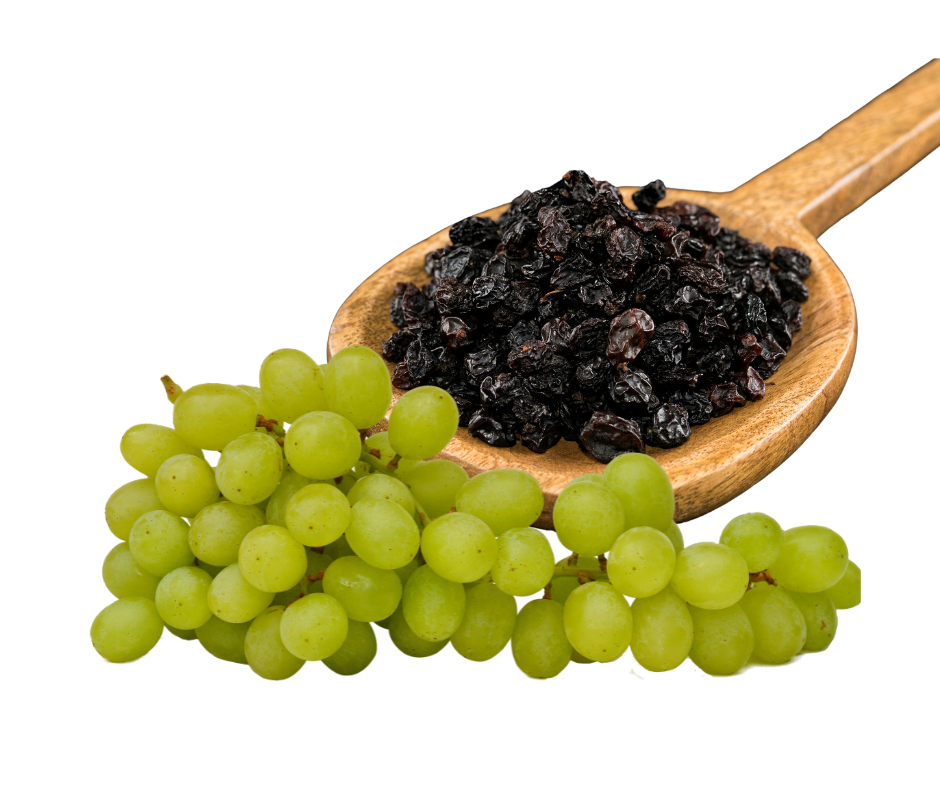
Raisins and grapes
They can cause acute kidney failure in dogs. It is hypothesized that the tartaric acid in grapes could be the cause. As little as 1 grape should be considered dangerous to your dog.

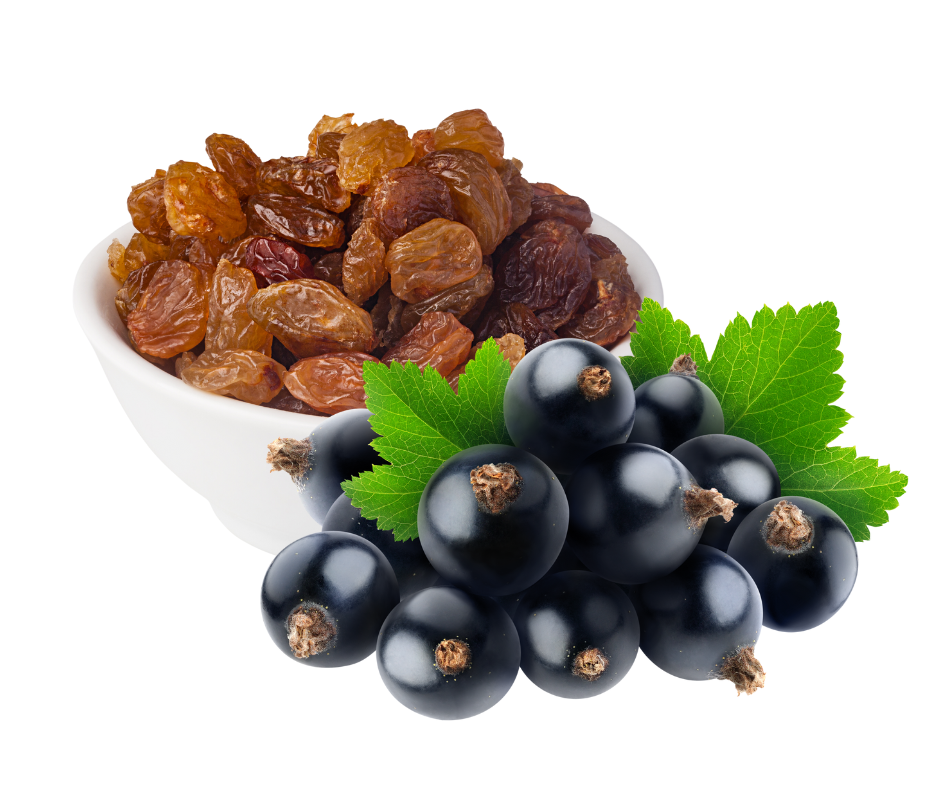
Sultanas and Currants
They are dangerous for the same reason as grapes and raisins. If eaten they can cause gut problems and in serious cases, kidney failure. The toxic dose varies from dog to dog, but in some cases, it can be very small.

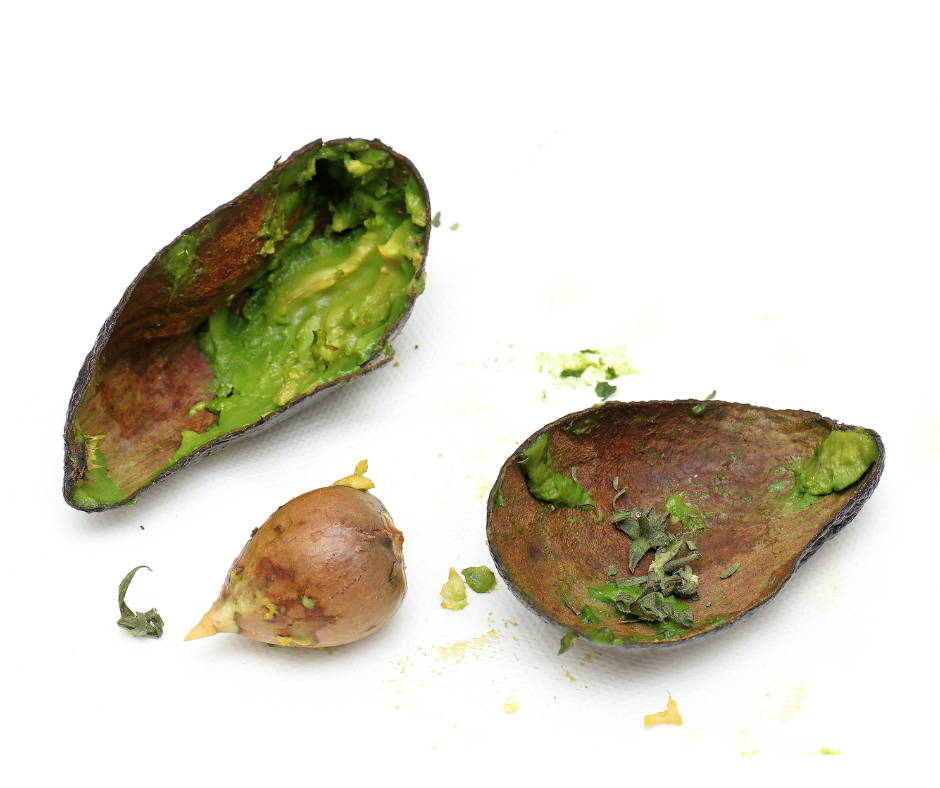
Avocado Skin or Pit
Avocado skins contain persin, which is a natural fungicide. Persin can be harmful to dogs and is found in higher concentrations in the pit, skin, and leaves of avocados. Avocado flesh contains only low amounts of persin, so it’s safe for most dogs. However, some may experience mild stomach upset. Avocado pits can also be a dangerous choking hazard for your dog, possibly causing esophageal intestinal obstruction.

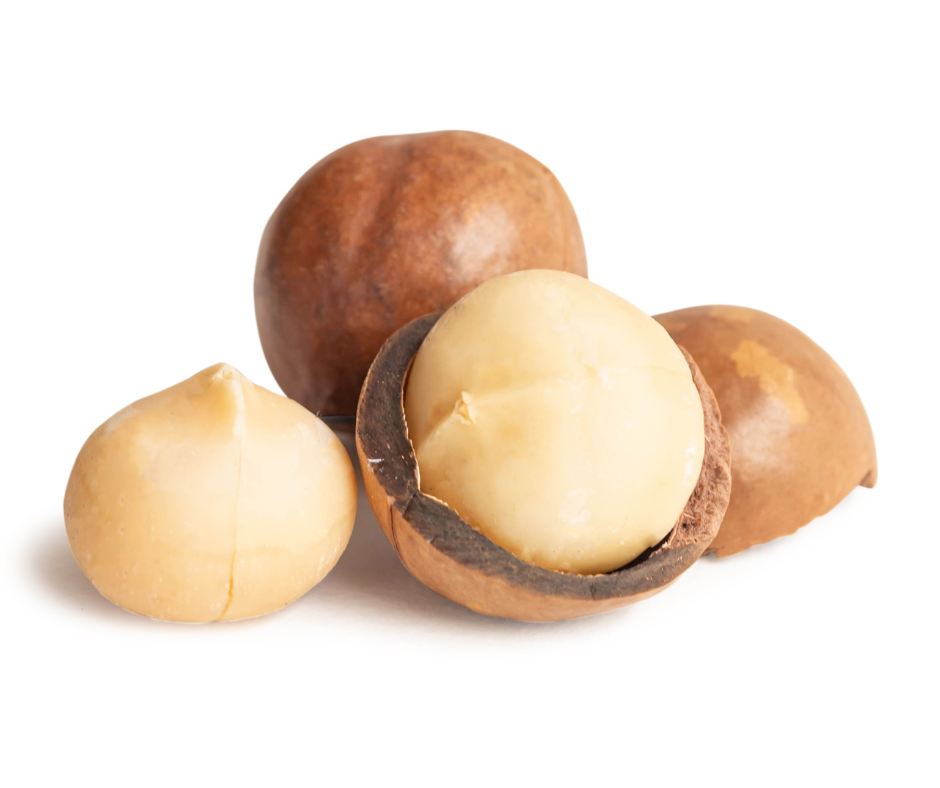
Macadamia Nuts
It can cause a dog to have vomiting, weakness, elevated body temperature, abnormal mental status, and sometimes paralysis. Although this all sounds very scary, the symptoms are often temporary and resolve without treatment. More severe symptoms may require supportive care in the hospital. The mechanism of the toxicity in macadamia nuts is unknown, but a toxic dose is no more than 5 grams per 1 lb of a dog’s body weight.

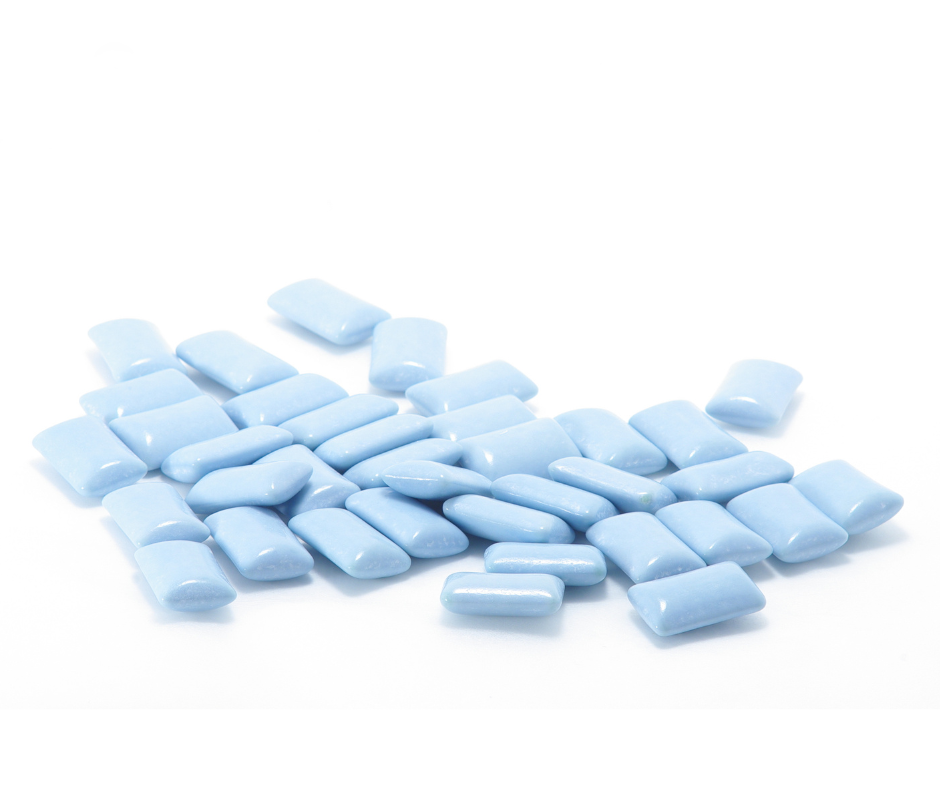
Xylitol
It is an artificial sweetener found in many chewing gums, breath mints, mouthwash, peanut butter, baked goods, vitamins, dietary supplements, sugar-free desserts, and more. Xylitol will cause a rapid release of insulin from the pancreas of a dog, resulting in profound hypoglycemia and, in severe cases, liver failure. A toxic dose of xylitol, 34mg per 1 lb body weight can result in hypoglycemia. Greater than 227 mg per 1 lb of a dog’s body weight may lead to liver failure. The mechanism for this liver failure is still unknown.

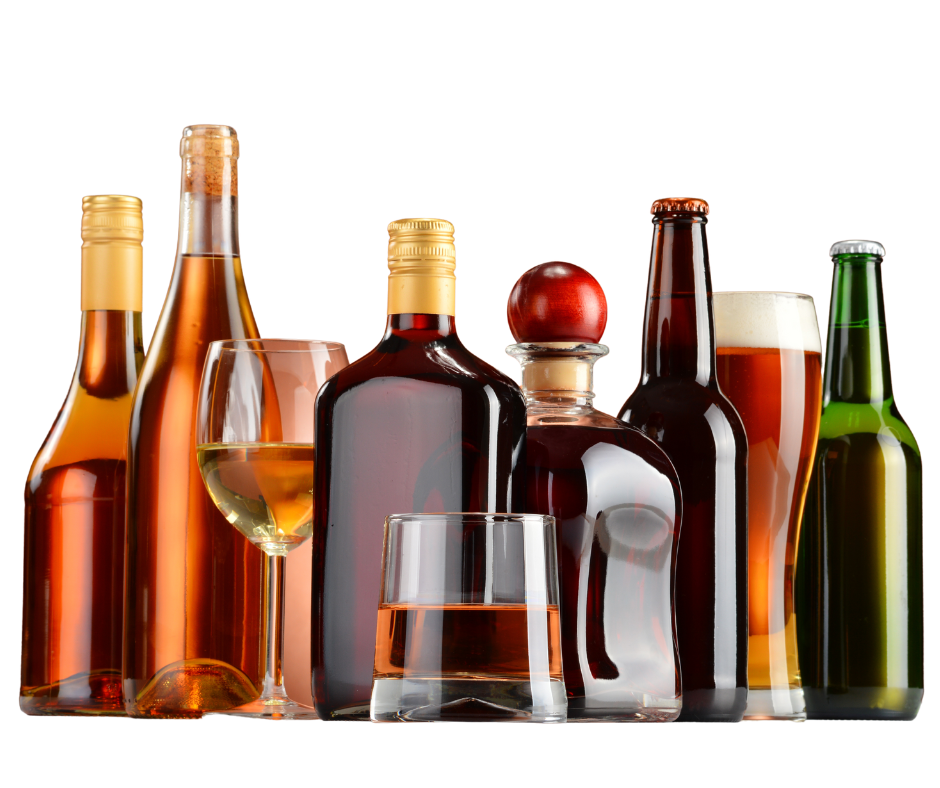
Alcohol
When consumed by a dog, it can cause vomiting, diarrhea, drooling, lack of coordination, depression, tremors, and sometimes, difficulty breathing. Severe cases can progress to coma. A dog ingesting alcohol happens more often than you may think. A guest may unknowingly leave their drink within reach of your dog, or your dog may respond to a spill before you can clean it up. Symptoms from the alcohol can occur within 15–30 minutes. Treatment includes intentional induction of vomiting, in-hospital supportive care, and, in severe cases, mechanical ventilation.

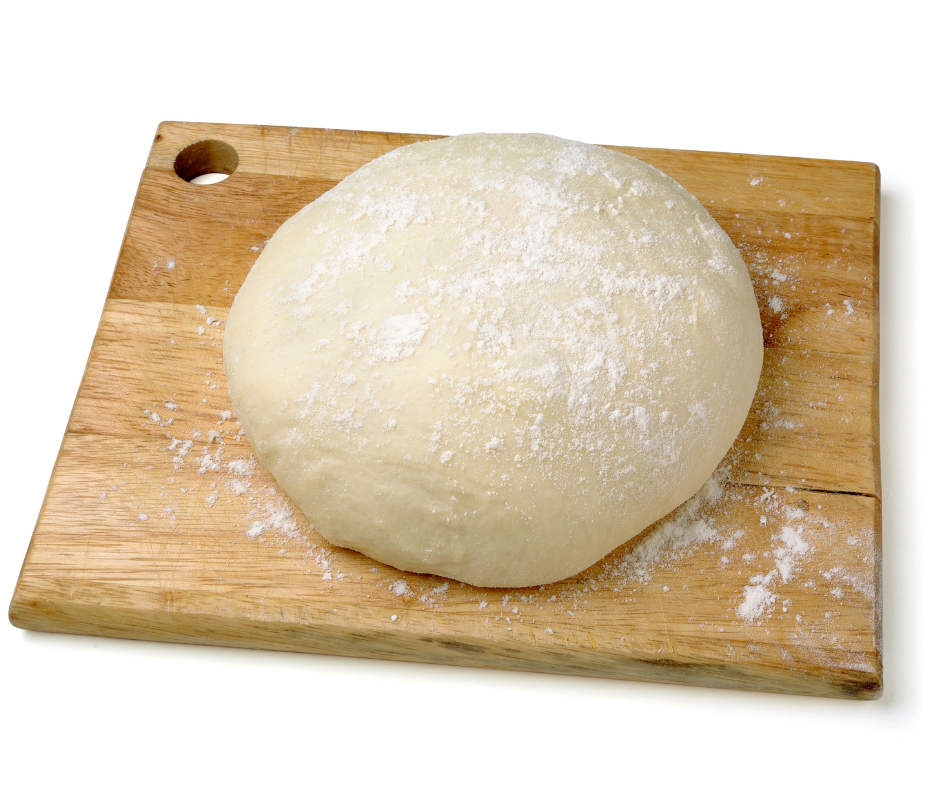
Bread dough (raw yeast-based)
It causes a dog to have symptoms of alcohol intoxication (mental dullness, disorientation, lethargy), metabolic acidosis, and stomach distention. As yeast replicates in the stomach, it promotes the expansion of the dough’s mass, as well as the production of ethanol. The distention of a dog’s stomach can become so severe that gastric lavage with cold water and even surgery may become necessary.

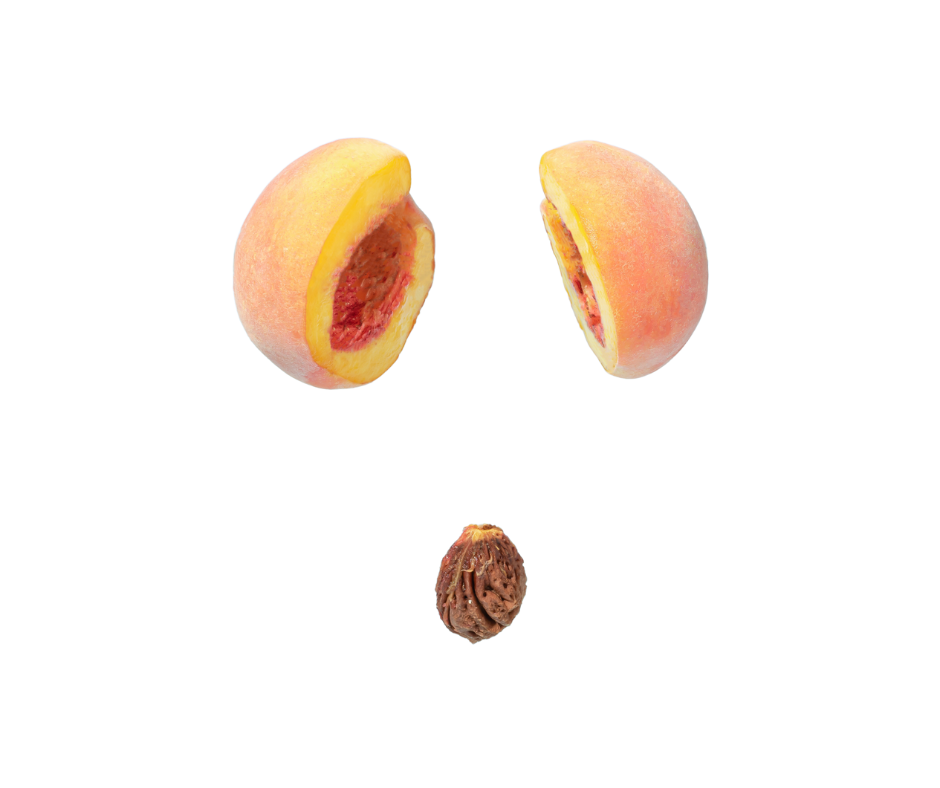
Apricot, Peaches and Plum Pits
The pits contain cyanide, which is highly poisonous to dogs. Pits can also become lodged in the intestinal tract causing an obstruction thus requiring surgical removal.
Other foods that are NOT good for our dogs include:
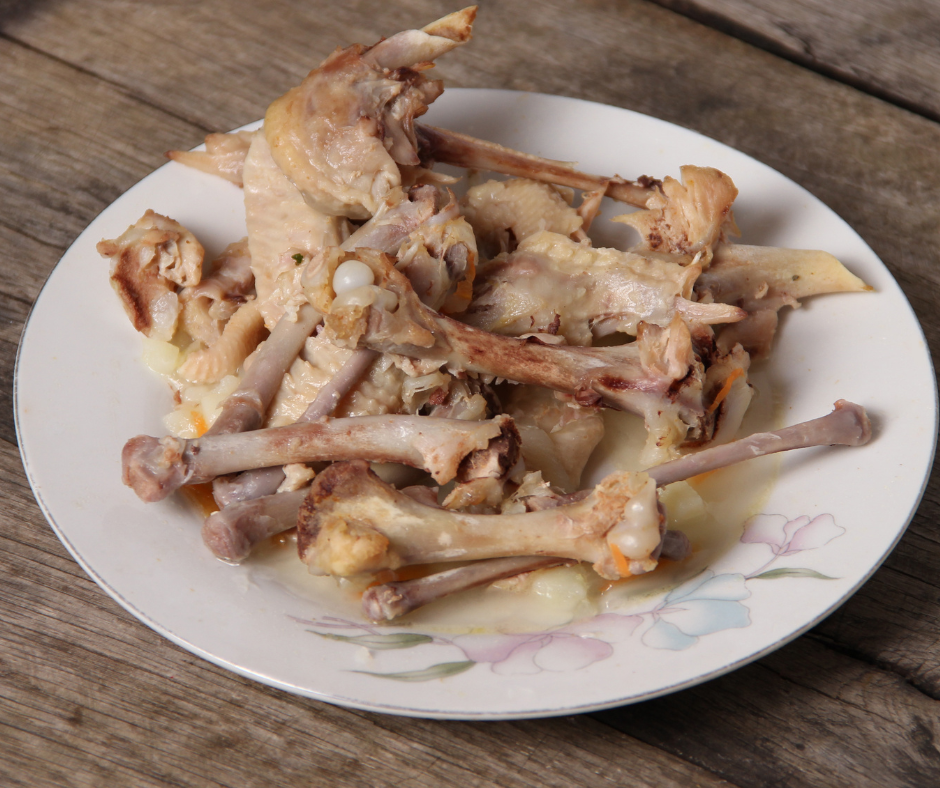
Cooked Bones
These can splinter and cause severe gastrointestinal inflammation, leading to severe vomiting and diarrhea. They can also cause intestinal obstructions that require surgery. Stick to raw, appropriately sized bones and healthy store-bought options. Check out my blog on chewing for my favorite types of bones.

Coffee
Dogs may exhibit clinical signs of caffeine toxicity within 30 to 60 minutes of consumption. Symptoms to watch for include restlessness, agitation, hyperactivity, vomiting, and panting, she says. As the toxicity progresses, they may also exhibit tremors and seizures.

High-fat Foods
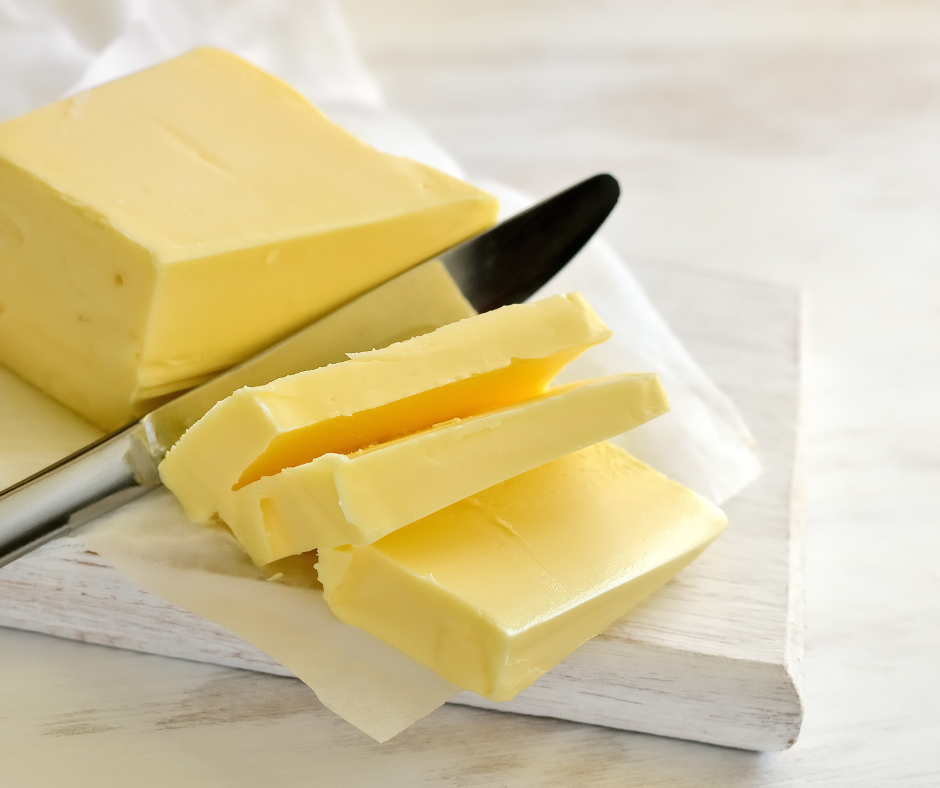
These can cause intestinal irritation and, often, pancreatic inflammation in dogs. Examples of high-fat foods include fatty cuts of meat, baked goods, cheese, gravy, oils, butter, ice cream, etc. Symptoms of pancreatitis include vomiting, diarrhea, abdominal pain, lack of appetite, and lethargy. Treatment often includes in-hospital supportive care and a low-fat diet for a while.

Cigarettes
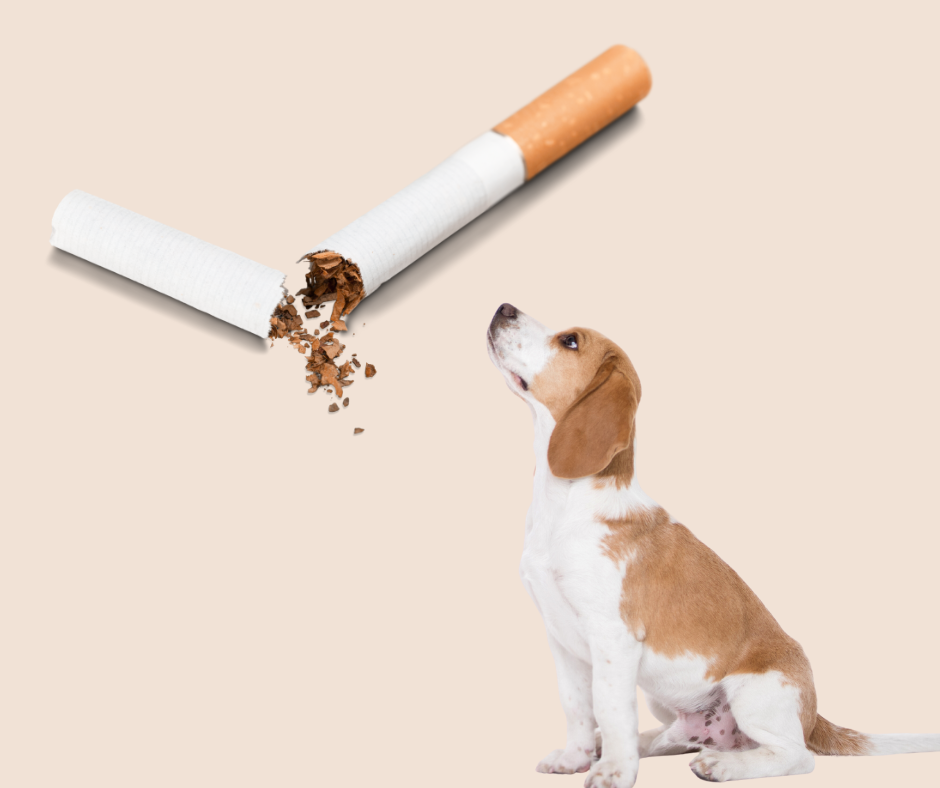
The signs of nicotine toxicity in dogs vary depending on the concentration of nicotine in the product and how much of the product is ingested. Overstimulated nerves can cause gastrointestinal symptoms such as diarrhea, drooling, and vomiting, as well as agitation, excitement, and constricted pupils. Higher doses can cause seizures, confusion, difficulty walking, and an elevated heart rate. Ingestion of more than 9-12 mg/kg of nicotine without decontamination will likely result in death.
Conclusion
Our dogs are part of the family, and like any family member, they deserve to be kept safe while also deserving the opportunity to enjoy food. By knowing which foods are sharable and which foods are toxic, you can make healthy choices that lead to vitality for your dog.
Remember, when it comes to your dog’s diet, a little knowledge goes a long way. So, keep these tips in mind, and you’ll be well on your way to being the best dog parent ever!
Check out my blog on how to add fresh food to your dog’s bowl to elevate their nutrition and happiness.