Introduction

Your furry companion’s health and happiness are of utmost importance, and the most vital aspect of their well-being is their diet. While fresh food can offer numerous benefits for your dog’s overall health, it’s no secret that it can sometimes come with a hefty price tag. But fear not, my dog guardians! I’m here to show you that providing your four-legged friend with nourishing, fresh meals doesn’t have to drain your wallet.

In this guide, we’ll explore five practical and budget-friendly ways to feed your dog fresh food without breaking the bank. These tips will not only enhance your pet’s nutrition but also add variety and excitement to their meals. So, let’s embark on a journey to discover how you can give your beloved pup the wholesome, fresh diet they deserve without stressing about finances.

1. Share Your Healthy Scraps:

You might find it unexpected for a veterinarian to suggest feeding your dog “table scraps.” However, considering that we recognize the importance of consuming fresh, wholesome food for our own well-being and longevity, it stands to reason that the same principle applies to our canine companions. Let’s explore the details of what and how I feed my dogs in light of this perspective.
I have a bowl in my fridge where I add fresh “scraps” from when I’m food prepping or cooking for my family. This may consist of a variety of:

  • Veggies: such as peppers, mushrooms, spinach, cucumbers, carrots, zucchini, butternut squash, or broccoli. The pieces that I don’t want to eat go to the dogs instead of being wasted. Check out my blog on feeding your dog healthy veggies
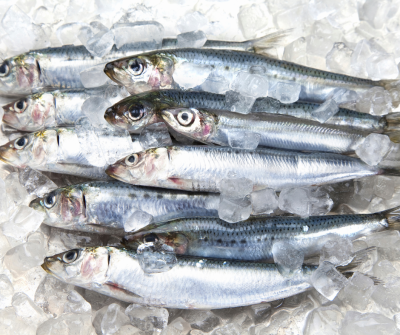
  • Fish: my family eats fish 3-4x per week and so there’s usually some shrimp or salmon that I put aside for them. If it’s left over fish I make sure that I didn’t cook it in spices or butter.
  • Healthy carbs: Quinoa, couscous, sweet potato, oatmeal, chickpea pasta are common staples for us and I always put a scoop aside for the dogs.
  • Fruit: I make a lot of smoothies and I also like to prep a fruit bowl every week to have in the fridge. I will grab a scoop for the dogs to add to their meals and will also use fruit such as blueberries and raspberries as treats . Check out my blog on the benefits of feeding fruit to your dogs.
  • Meat: If you are a meat eating family then share the pieces of meat that you might normally throw away. Organ meats are especially beneficial by offering a rich source of nutrients for your dog including an abundance of vitamins, minerals, and amino acids. Be sure the meat is not seasoned, fatty or cooked in sauce. Tripe (the stomach lining of sheep, cow or pig) is an inexpensive meat that has great nutritional benefits. Be sure you give green tripe, meaning it’s raw and unprocessed because cooking destroys important digestive enzymes.

2. Add Sardines

Buy these BPA-free sardines once monthly for $39 on Amazon. It’s a pack of 12, so they can last at least a month if you add them to your dog’s food 2-3x per week. Check out my blog on sardines to learn about the awesome benefits of sardines.

The awesome benefits of sardines:

  • Rich Source of Omega-3 Fatty Acids: Sardines are packed with omega-3 fatty acids, particularly EPA and DHA.
  • Protein: Sardines are a good source of high-quality protein, essential for muscle development and overall growth in dogs.
  • Calcium and Phosphorus: Sardines contain calcium and phosphorus, important minerals for strong bones and teeth.
  • Joint Health: Omega-3s in sardines can help reduce joint inflammation and alleviate symptoms of arthritis or joint pain in older dogs.
  • Heart Health: Omega-3 fatty acids also promote cardiovascular health by reducing the risk of heart disease, regulating blood pressure, and improving cholesterol levels.
  • Improved Immune Function: The nutrients in sardines, including vitamins and minerals, can boost a dog’s immune system, helping them fight off illnesses more effectively.
  • Palatability: Many dogs find sardines highly palatable, which can encourage picky eaters to enjoy their meals.
  • Brain Health: DHA, found in sardines, supports cognitive function and can benefit puppies’ brain development and the mental acuity of senior dogs.

3. Share Your Eggs

Add a raw or gently cooked egg to your dog’s bowl. I wash them and then grind them up with the eggshell. Some benefits of feeding eggs to your dog include:

  • Nutrient-Rich: Eggs are a good source of essential nutrients for dogs, including high-quality protein, vitamins, and minerals. They contain vitamins such as B12 and riboflavin, as well as essential minerals like selenium and phosphorus.
  • Healthy Fats: Eggs contain healthy fats, particularly omega-3 fatty acids, which can contribute to a shiny coat and support overall skin health. Omega-3 fatty acids also have anti-inflammatory properties, which can be beneficial for dogs with joint issues or skin conditions.
  • Amino Acids: Eggs provide all the essential amino acids, making them an excellent source of complete protein for dogs. Protein is crucial for muscle development and repair, and it supports a dog’s overall growth and energy.
  • Improved Coat Condition: The combination of protein and healthy fats in eggs can help improve the appearance and texture of your dog’s coat. It can make their fur shinier and potentially reduce shedding.

4. Add Moisture To Increase Hydration

The majority of dogs today are living in a state of chronic dehydration. Dogs are designed to eat a high moisture diet of around 70%, but most are fed dry kibble that only contains 10-12% moisture. Chronic dehydration manifests as continuous organ stress leading to kidney, endocrine, and other chronic disease states. It also results in dry, flaky skin and unhealthy hair coats.

One highly recommended option is bone broth, valued for its numerous health benefits. It not only adds moisture to your dog’s diet but also essential minerals and nutrients to elevate your dog’s overall health. Bone broth can be either purchased from an independent pet store or prepared at home. (Please ensure that store-bought bone broth does not contain onions).

To rehydrate premium kibble, simply pour bone broth over it. Aim for roughly 2 tablespoons of bone broth for every 10 pounds of your dog’s weight, and it’s worth noting that you can’t overdo it when it comes to bone broth—it’s a fantastic addition to their diet.

Additionally, you can enhance hydration by adding goat’s milk (also a great probiotic) or filtered water.

5. Replace Some Dry Kibble With Raw, Gently Cooked, Freeze/Air Dried, or Human Grade Dehydrated Food.

There are many great complete diets on the market that are not ultra-processed kibble. The problem with these diets is the expense. However, even if you only replace ¼-½ of the dry kibble with this type of diet, you will make a profound difference in your dog’s nutrition and health. Some of the brands that I recommend in this category include:


  • Raw: K9 Kravings, BJs raw, OC raw, All Provide, Darwins, Dr. Harveys, Small Batch, Solutions,
  • Cooked: All Provide, Ollie, Small Batch, Evermore, Spot & Tango, Raised Right, Evermore, Farmer’s Dog.
  • Freeze-dried: Open farm, OC raw, Primal, Small Batch, Vital essentials, Rawbble, BP raw, Raw dynamic.
  • Air Dried: Grandma Mea’s Rawternative, Sunday’s food for dogs, Ziwi
  • Human Grade Dehydrated: Honest Kitchen, Dr. Harvey’s

Bonus: Add A Probiotic

You can do this by adding probiotic foods like fermented vegetables or by giving a healthy probiotic supplement. Raw goat’s milk is a great option and can be found in the freezer section of high-quality pet food stores and raw food suppliers. An easy way is by freezing it in an ice tray and just adding a cube or two to your dog’s bowl daily. Check out my blog on how to choose the right probiotic for your dog.

Conclusion

Elevating your dog’s mealtime isn’t just about upgrading their bowl; it’s about enhancing their overall well-being by shifting from processed to whole, fresh nutrition as much as possible for you. Whenever you integrate whole, fresh foods into your pet’s diet, it not only enhances your dog’s health but also elevates your dog’s enjoyment. Their emotional well-being is just as important! Your dog deserves to enjoy eating just as much as you do. When he walks away from a bowl full of overly processed dry kibble, he’s not “trying to be difficult.” He’s telling you he wants real food.

If the thought of time and cost holds you back, remember that you don’t need to make this change daily. Even if you opt for just two or three times a week, you’re making significant strides toward improving your furry friend’s health. Plus, consider the long-term savings as you witness a decrease in vet bills thanks to a healthier diet. In conclusion, making these dietary adjustments is an investment in your dog’s longevity, happiness, and your wallet. And remember… sharing is caring.

And…not to make you feel guilty, but in case you are interested in learning the dangers of ultra-processed dry kibble, check out my blog here.


Join us at The Dog Mom Society, where you’ll receive unwavering support, expert guidance, and the essential information you need to make informed choices about your dog’s wellbeing. 

By Published On: September 26th, 2023Tags: , , ,

Share This Post