Introduction

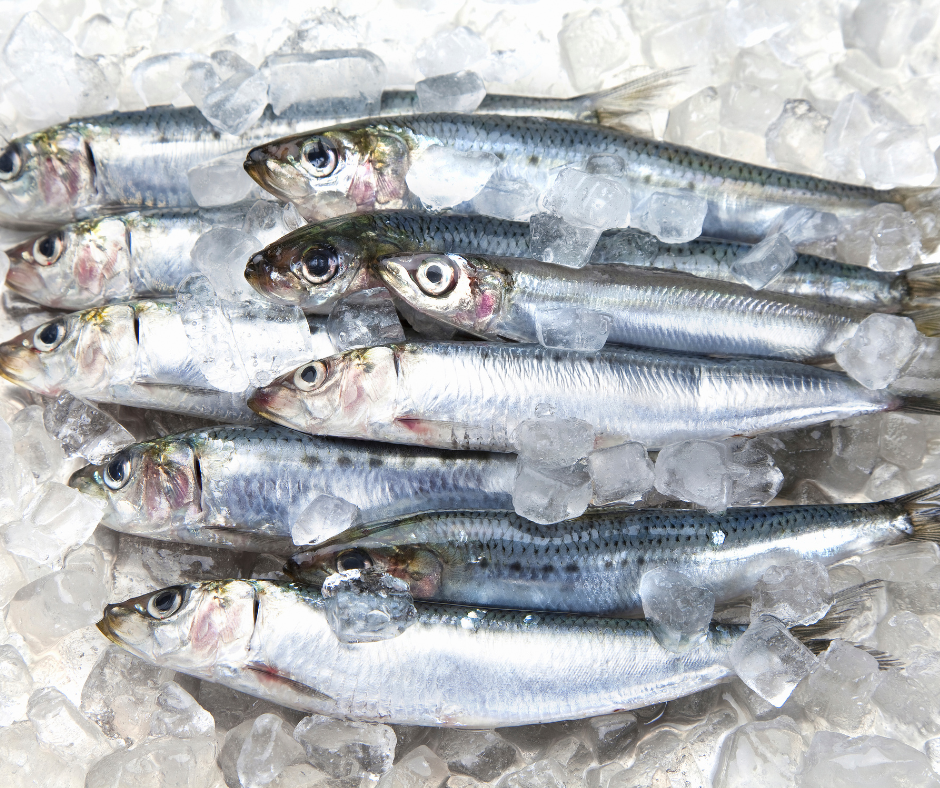
Hey there, fellow dog lovers! Today, we’re diving deep into the world of sardines – those tiny, silvery fish that could be your dog’s ticket to a happier and healthier life. We all want our four-legged friends to thrive, and adding sardines to their diet a few times a week might just be the answer. So grab a cup of coffee (or tea, if you’re more refined), and let’s chat about how these little fish can give your pup’s well-being a big boost.

The Sardine Scoop
First things first, why sardines? Well, these fish are like the superheroes of the sea, packed with essential nutrients. They’re rich in omega-3 fatty acids, vitamins D and B12, and minerals like selenium and phosphorus. All these goodies come together to create a powerhouse of nutrition for your furry friend.

Omega-3 Fatty Acids: The Brain Boosters

Omega-3 fatty acids are like brain food for your pup. They support cognitive function, improve memory, and can even help reduce the risk of cognitive decline in senior dogs.

B12: The Energy Elixir

Who doesn’t want a dog with boundless energy? O.K., maybe you don’t want it ALL the time, but a dog with healthy energy, especially as they age, is definitely a bonus. Vitamin B12 in sardines can help boost your pup’s vitality. It aids in the production of red blood cells, ensuring oxygen is carried efficiently throughout the body. This means more energy for those zoomies in the backyard or those epic squirrel-chasing adventures.

Vitamin D: The Sunshine Supplement

If your dog’s not much of a sunbather (understandable, given the fur coat), vitamin D from sardines is here to save the day. This vitamin helps regulate calcium and phosphorus absorption, keeping those bones strong.

Selenium: The Immune Booster

Selenium in sardines is like your dog’s personal bodyguard. It plays a crucial role in supporting the immune system protecting your pup from all those pesky germs. Think of it as an invisible forcefield shielding your furry friend from illness.

Phosphorus: The Bone Builder

We’ve already covered strong bones, but let’s not forget that phosphorus in sardines is essential for overall bone health. It’s like the construction worker of the doggie skeletal system, ensuring that the frame stays strong and sturdy.

Helps Relieve Allergies

You know, there’s this interesting research that suggests giving sardines, with their healthy fatty acids, to young animals can actually help prevent them from developing allergies to things like pollen and molds. Plus, the fantastic anti-inflammatory properties can help ease the redness and irritated skin that some pets get from these allergies.

Benefits Seizure Patients

Emerging research has highlighted the significant benefits of omega-rich sardines in addressing seizures among pets. These findings underscore the potent anti-inflammatory properties contained within omega fatty acids, which effectively counteract inflammation mediators in epileptic animals. Moreover, these compounds contribute to elevating seizure thresholds, thereby making it more difficult for dogs to have seizures.

How to Serve Sardines to Your Pup

Now that we know why sardines are so pawsome, let’s talk about how to incorporate them into your dog’s diet in a safe way.

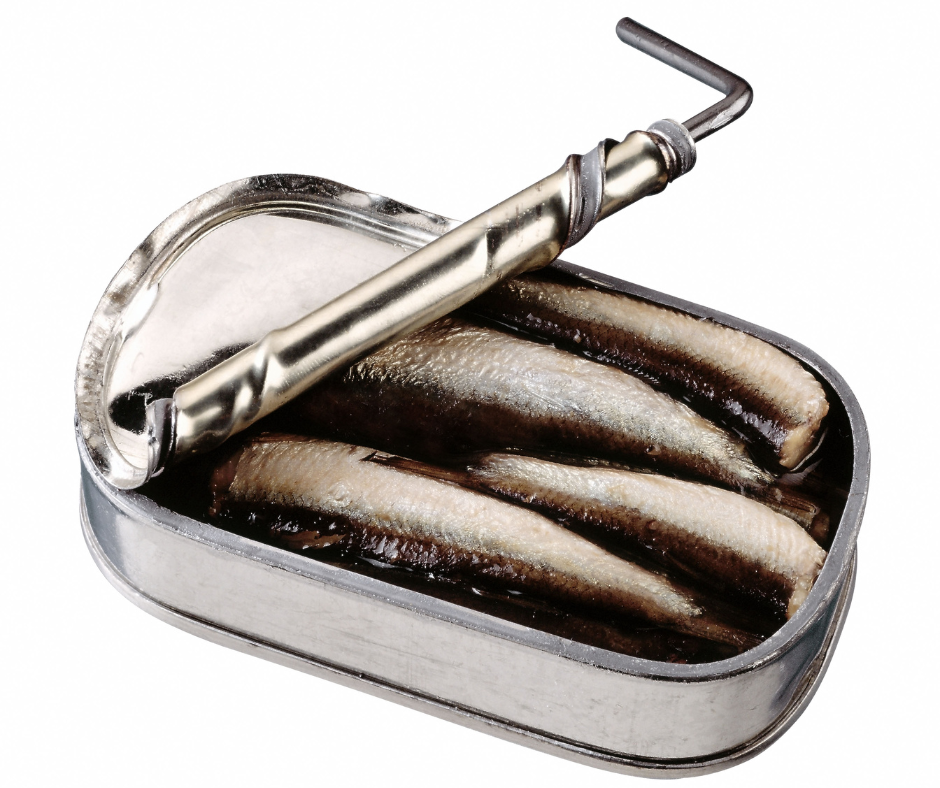
  • Fresh or Canned? You can feed your dog fresh or canned sardines, but make sure they’re boneless and, if canned, packed in water without added salt and are in BPA-free cans. Fresh is always a better choice if it is an option for you. Use the entire can of sardines within two days after opening it, and refrigerate the open can so that the fragile fats do not go rancid.
  • Portion Control: I generally feed sardines 2-3 times per week.  When adding to a kibble diet, remove ½ cup of kibble per can of sardines so as not to give too many calories.
  • Limit pollutants: Reduce pollutant intake: Sardines, like many other foods, especially fish, may contain pollutants such as mercury, dioxins, PCBs, or pesticide residues. While sardines have lower mercury levels compared to many other fish, it’s wise to be mindful of heavy metal exposure. Daily consumption of canned sardines, which also have low arsenic levels, is not recommended. All fish types contain organic arsenic, but a study revealed that dark meat fish, including tuna steaks, mackerel, salmon, sardines, bluefish, and swordfish, can convert organic arsenic into inorganic arsenic during metabolism. Unfortunately, arsenic can also be found in other foods like beer and wine. Opt for Season Brand sardines as they have lower levels of pollutants.
  • Allergic Flare Potential: Some dog guardians and pet nutritionists have noted that sardines have, on rare occasions, inflamed dogs that have allergic tendencies.  It is thought that this may be due to the leaching of elements from the tin into the sardines.  If you note that your dog flares when receiving sardines, then simply discontinue or switch to fresh sardines. I have not personally noted this in any of my pets or patients.
  • Avoid in kidney patients: Sardines naturally contain a substance that creates uric acid. Uric acid buildup can cause kidney issues for those who are already susceptible. This study in human medicine stated, “There is mounting evidence for uric acid as a secondary if not a primary contributor to CKD (chronic kidney disease) and its progression.” Therefore, I tend to choose other forms of omega-3s for these patients just to be on the safe side.

Don’t let these concerns scare you out of feeding sardines!  The benefits far out way the risks, especially when following these guidelines.
Wrap-Up: Sardines for the Win!

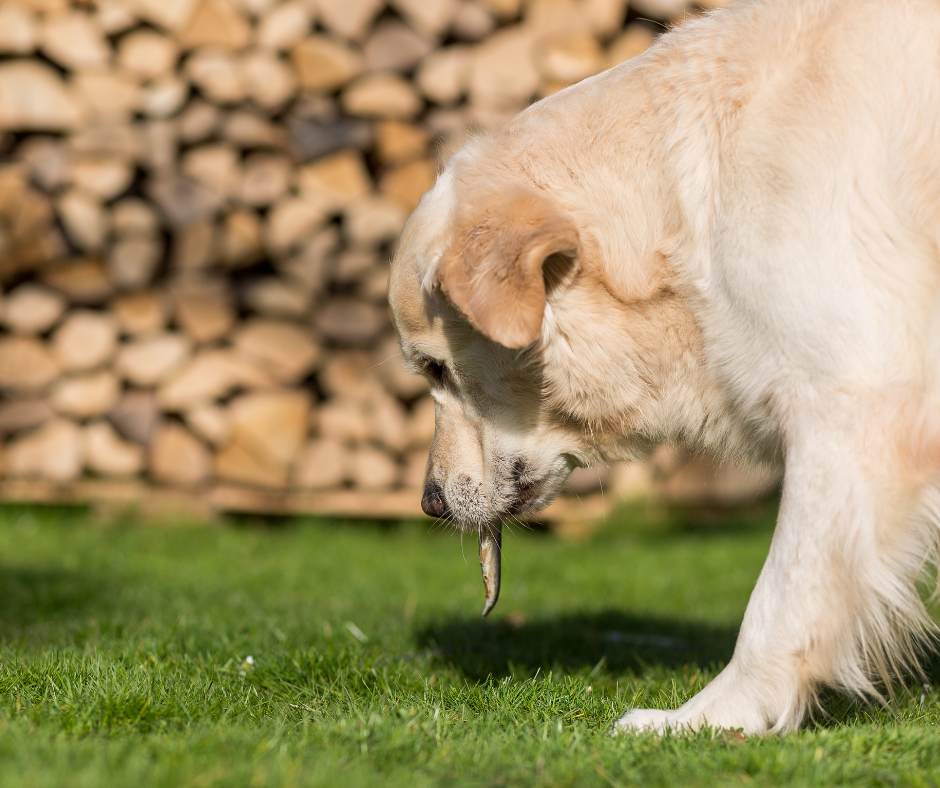
So there you have it, folks – the lowdown on sardines and how they can turn your pup into a picture of health. It’s an easy and tasty way to boost your dog’s nutrition while adding a touch of gourmet flair to their mealtime. And… as an added bonus, you will be reminded of your good deed every time your dog opens his mouth and emits the pungent smell of fish. You’re welcome!

Remember, sardines should be a supplement to your dog’s diet, not the main course. Always consult with your veterinarian before making any significant dietary changes.

So, go ahead and treat your furry friend to some sardines – they’ll thank you with those heart-melting puppy eyes and, quite possibly, a new level of zoomie performance in the backyard. Here’s to happy, healthy, and sardine-benefiting dogs everywhere!


Join us at The Dog Mom Society, where you’ll receive unwavering support, expert guidance, and the essential information you need to make informed choices about your dog’s wellbeing. 

By Published On: September 25th, 2023Tags: , ,

Share This Post