
Introduction
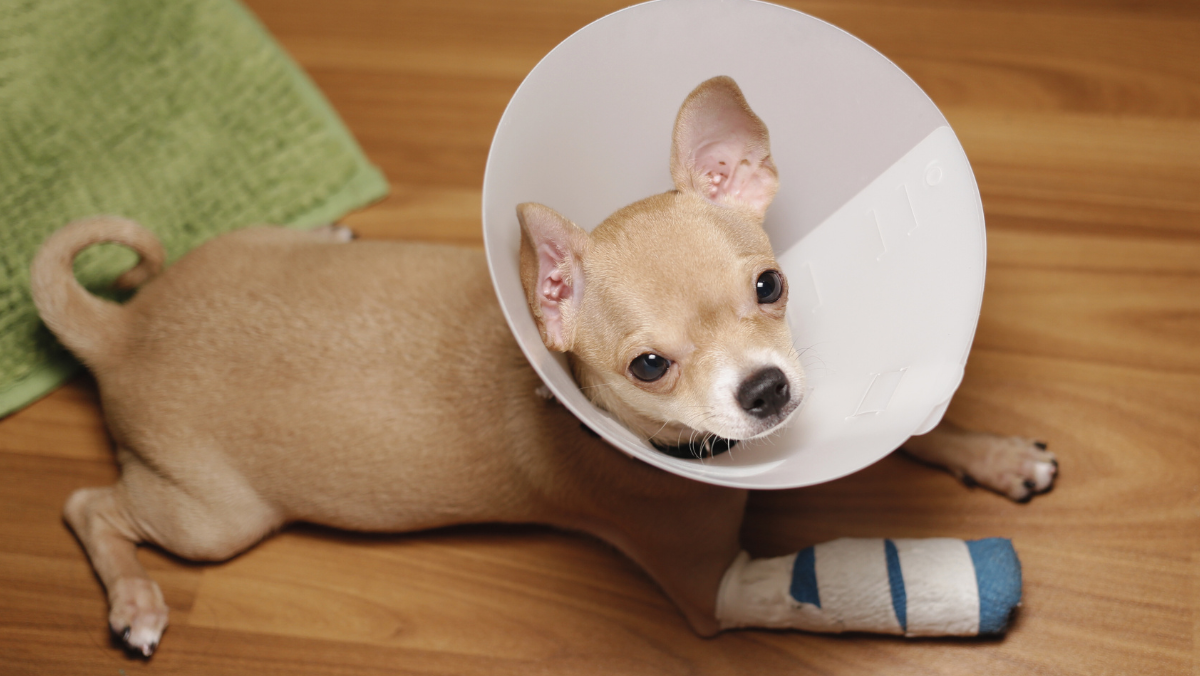
The picture above is my patient, Daisy. She is a 12-year-old pomeranian that I treated this week for pyometra. Thankfully, she did very well and made a full recovery. Pyometra is a serious and potentially life-threatening condition that can affect unspayed female dogs. However, the detrimental effects of juvenile spay are just as serious and more common. In this blog, we’ll explore pyometra, its causes, symptoms, treatment options, and why it’s not a reason to rush to spay your dog.
What is Pyometra?
The word pyometra is derived from Latin “pyo” meaning pus and “metra” meaning uterus. A pyometra is an abscessed, pus-filled infected uterus. Pyometra is a condition that primarily affects unspayed female dogs. This condition typically arises during or after a dog’s heat cycle. This can rarely occur in spayed females as well and is called stump pyometra. This occurs secondary to the presence of a small amount of ovarian tissue left behind during the original spay procedure.
Causes of Pyometra
The primary cause of pyometra is hormonal changes associated with the estrus (heat) cycle. In most dogs, these heat cycles usually occur twice per year. When a female dog goes through her heat cycle, her uterus undergoes changes that make it more susceptible to infection.
This risk is linked to how progesterone affects the uterus. When dogs continue to go through estrus (heat) without being bred, their progesterone levels remain elevated for a prolonged period. This results in:
- Thickening of the lining of the uterus in preparation for pregnancy.
- Suppression of the typical immune response that involves white blood cells, responsible for safeguarding against infections by eradicating bacteria, in order to enable sperm to enter the female’s reproductive tract without being harmed by these immune system cells.
- Decreasing ability of the muscles of the uterine wall to contract, which inhibits the ability to naturally discharge the fluid and bacteria inside.
- Cysts forming in the uterine wall creating the perfect environment for bacteria.
- Bacteria entering the uterus, leading to an infection that causes pus to accumulate.
- The risk of uterine infection increases with each estrous cycle, as these hormonal changes are cumulative.
Who Is At Risk?
Any female, unspayed dog that is not bred. Dogs are usually older than 7 years at the time of diagnosis, but it can rarely occur in younger dogs. Hormonal effects on the uterine tissue accumulate with each heat cycle, which means pyometra is much more common in older females because they have experienced many hormonal cycles. In one study, the 3 most affected breeds were the Bernese mountain dog, rottweiler, and rough-coated collie. They have a two-times higher incidence of pyometra compared to other breeds. Breed predispositions have also been reported in the Cavalier King Charles Spaniel and Golden Retriever.
Symptoms of Pyometra
Recognizing symptoms and addressing symptoms early has a major impact on prognosis.
- Excessive licking and cleaning after their heat cycle
- Vaginal discharge: A foul-smelling, thick, yellowish or greenish discharge from the vulva.
- Lethargy: Affected dogs may become noticeably lethargic, tired, and less active than usual.
- Increased thirst and urination: Dogs with pyometra often drink more water and urinate more frequently.
- Loss of appetite: A decreased appetite is common, and some dogs may refuse to eat altogether.
- Vomiting: Nausea and vomiting can occur as the infection progresses.
- Swollen abdomen: The uterus can become distended with pus, causing the abdomen to swell.
- Fever: Pyometra can cause a very high fever.
Diagnosis
- Physical examination: if it is an open pyometra, your veterinarian will have a high suspicion based on the vaginal discharge.
- Bloodwork: CBC/chem will need to be done to check for elevated kidney values, which are common, electrolyte abnormalities, elevation in white blood cells, low platelets, low blood glucose, and any other derangements in organ function.
- PT/PTT: This is a coagulation test and is recommended prior to surgery. This will let the surgeon know if the patient will have a problem with clotting and DIC, which can be a serious progression of sepsis.
- Urinalysis and urine culture: It is common to have a concurrent urinary tract infection.
- Radiography: An enlarged, distended uterus may be observed on abdominal radiographs, usually appearing as a mass effect between the colon and bladder.
- Ultrasonography: Abdominal ultrasonography is the most important diagnostic tool for diagnosing pyometra.
- Culture: Ideally, fluid for culture and sensitivity is collected transcervically, directly from the uterus. This ensures that your dog is on the appropriate antibiotics.
Treatment of Pyometra
Pyometra is a medical emergency and usually requires prompt veterinary attention. Endotoxemia, sepsis, and systemic inflammatory response syndrome can occur if pyometra is not addressed. The type of pyometra has an effect on the treatment options. There are two types of pyometra:
- Open: open pyometra occurs when the cervix is open and thus gives the fluid a way to discharge.
- Closed: closed pyometra is much more serious because that means the pus is not draining from the vulva, and the dog is at higher risk for uterine rupture and sepsis.
Treatment options include:
- Surgery: The most common and effective treatment is the removal of the infected uterus (ovariohysterectomy or spaying), especially for cases in which sepsis, uterine rupture, peritonitis, closed-cervix pyometra, or intrauterine fetal remains are present. This procedure is typically more complex and riskier than a routine spay due to the advanced stage of infection.
- Intravenous fluids, antibiotics, pain medications and other stabilization measures are recommended preoperatively. Hetastarch is commonly used in these patients to manage low blood pressure and low protein levels. Additional blood pressure medications may become necessary if hypotension is persistent. In advanced cases, plasma transfusion may be necessary pre-op if clotting times are prolonged.
- Monitoring: Careful and frequent monitoring of certain parameters is essential to keep these patients stable, including blood pressure, blood glucose, PCV/TP (to monitor for anemia and drops in protein), and electrolytes.
- Medical Therapy: This is an option for cases of open pyometra in young, healthy animals that are meant for breeding. The goals of medical treatment are to get rid of the hormone progesterone, which then helps open the cervix, make the uterus contract, improve the body’s local immune response, and clear out the pus and bacteria from the uterus.
- Prostaglandin Therapy: This involves using a substance called prostaglandin F2α (PGF2α) to reduce progesterone levels, relax the cervix, and make the uterus contract. It can be used alone or with other drugs like dopamine agonists or progesterone receptor antagonists.
- Natural and Synthetic Options: There are natural and synthetic versions of PGF2α available. They may have side effects like vomiting, diarrhea, and abdominal discomfort, so starting with low doses is safer.
- Dopamine Agonists: These drugs can be used in combination with PGF2α to help open the cervix faster. Cabergoline and bromocriptine are examples, and they are given orally.
- Progesterone Receptor Antagonists: Aglepristone is a drug that can compete with progesterone in the body, making it a good choice to treat pyometra. It’s usually given by injection.
- Alternative Treatments: There are other methods like catheterization, endoscopy, and flushing the uterus with a solution to treat pyometra, but many veterinarians are not comfortable with these procedures, and they may not be suitable for all cases.
- Antibiotics based on culture and sensitivity would also be initiated.
Prevention
Recommendations for Non-Breeding Animals:
- Consider ovary-sparing spay.
- If you elect for a traditional spay, then wait until after at least two heat cycles. It is your responsibility as your dog’s guardian to prevent accidental breeding during these heat cycles. Dogs spayed prior to maturity are at higher risk for life-long urinary incontinence, certain cancers, and orthopedic injuries. Check out my blog on this to learn the dangers of juvenile spays.
Breeding Dogs Recommendations:
- Ideally, breed young dogs and have desired litters promptly.
- This minimizes the risk of pyometra and maintains uterine health.
- Estrus suppression therapy (e.g., mibolerone) can reduce the number of cycles before breeding and thus decrease the risk of pyometra.
Conclusion
Pyometra is a very treatable condition when caught early. If your unspayed female does present with symptoms of pyometra it is imperative to seek treatment promptly to ensure the best possible outcome for your dog.
Understanding the options available and working closely with a trusted veterinarian can help you make the best decision for your dog’s health and well-being. Regular check-ups and proactive management of your dog’s reproductive health can go a long way in preventing and addressing pyometra effectively. And…don’t get pushed into spaying your puppy too early to avoid this condition. You are now armed with the knowledge you need to be your puppy’s best healthcare advocate.