
Introduction
Hypoglycemia, or low blood sugar, is perhaps the most common emergency we see in very young puppies. At this life stage, growing puppies have higher glucose requirements than those of adults. Hypoglycemia can become life-threatening quickly, and prolonged hypoglycemia can cause permanent brain damage. Therefore, it is imperative that you are able to recognize the signs early and take the necessary steps to protect your puppy. In this blog, we will explore hypoglycemia in puppies, including who is most at risk, common symptoms, treatment options, and essential prevention measures. Let’s get to it…
Why Does It Happen?
- Most commonly, it is a tiny puppy with immature body systems: Puppies have immature hepatic glucose storage and gluconeogenesis (their brains and hearts use enormous quantities of glucose, but they have no efficient way to store, create, or recycle it). In addition, kidney function is immature, and glucose can be lost through the urine.
- Lack of Proper Nutrition: Puppies that do not receive enough food, or those with poor-quality diets, are more susceptible to low blood sugar.
- Symptoms from other causes: Vomiting, diarrhea, lack of appetite and dehydration all contribute to hypoglycemia and can be caused by parasitism, dietary indiscretion, etc.
- Bacterial infection: Bacteria can be tremendous consumers of glucose (blood sugar). CBC and urinalysis are important tests to run to help rule out an underlying infection.
- Portosystemic (Liver) shunt: This is a problem for the Yorkshire terrier in particular. In this congenital malformation of the liver circulation, blood travels from the GI tract to the general circulation by-passing the liver. The liver does not develop properly and has abnormal function. One of the liver’s functions is to maintain the body’s blood sugar level. An abnormal liver leads to low blood sugar. This condition can frequently be cured with surgery. A liver function blood test called a bile acids test is an easy way to rule this condition out as a complicating factor. If the bile acids are abnormal, then you will need to make an appointment with an internist or surgeon who can perform an ultrasound or CT scan to locate the abnormal vessel before pursuing surgery.
- Bacterial infection: Bacteria can be tremendous consumers of glucose (blood sugar). CBC and urinalysis are important tests to run to help rule out an underlying infection.
- Stress: Stress from any cause increases the body’s demand for sugar. The stress of travel from the breeder to your home can be enough to set hypoglycemia in motion for a tiny toy breed puppy. When there are stressors, maintaining a healthy blood sugar level is all the more difficult.
Who Is Most At Risk?
- Toy Breeds: This can happen to any breed of puppy; however, toy breeds are more susceptible. Chihuahuas, Yorkshire Terriers, Maltese, Toy Poodles, and Pomeranians are particularly susceptible to hypoglycemia due to their small size and high metabolism.. These itty bitty babies also tend to cut their baby teeth late and thus have trouble chewing foods. Many new puppy guardians will feed food these puppies are not ready to chew. They also have difficulty maintaining body temperature, which promotes listlessness as they get cold. These two factors combined lead to decreased food intake and difficulty maintaining normal blood sugar levels. Toy breed dogs are also more commonly diagnosed with congenital reasons for hypoglycemia, such as liver shunts and liver dysplasia.
- Young puppies: Puppies younger than 3 months old are at a higher risk because they have limited glycogen stores and might not have fully developed mechanisms to regulate blood sugar.
Symptoms
Recognizing the signs of hypoglycemia is crucial for early intervention and can be life-saving. Symptoms may vary from mild to severe and can include:
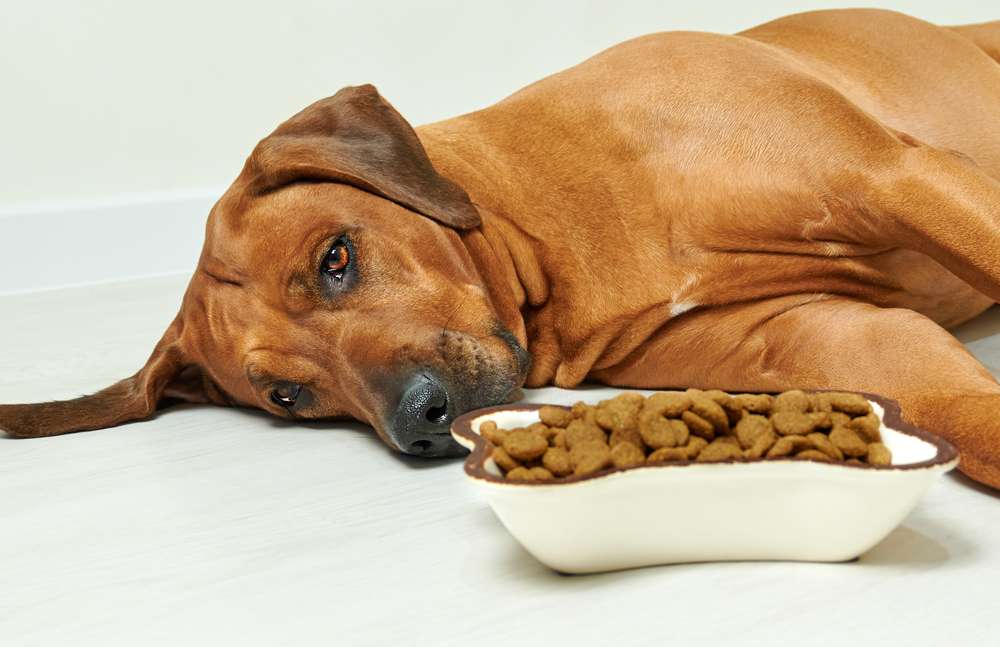
- Weakness: Puppies may appear lethargic and have trouble standing or walking.
- Tremors: Shivering or trembling is a common sign of low blood sugar in puppies.
- Disorientation: Affected puppies may seem confused or disoriented.
- Seizures: In severe cases, hypoglycemia can lead to seizures, which can be life-threatening.
- Vomiting: Some puppies may experience nausea and vomiting.
- Loss of Appetite: A decrease in appetite or refusal to eat is another warning sign.
- Pale gums or tongue
- Labored breathing
- Low body temperature
Treatment
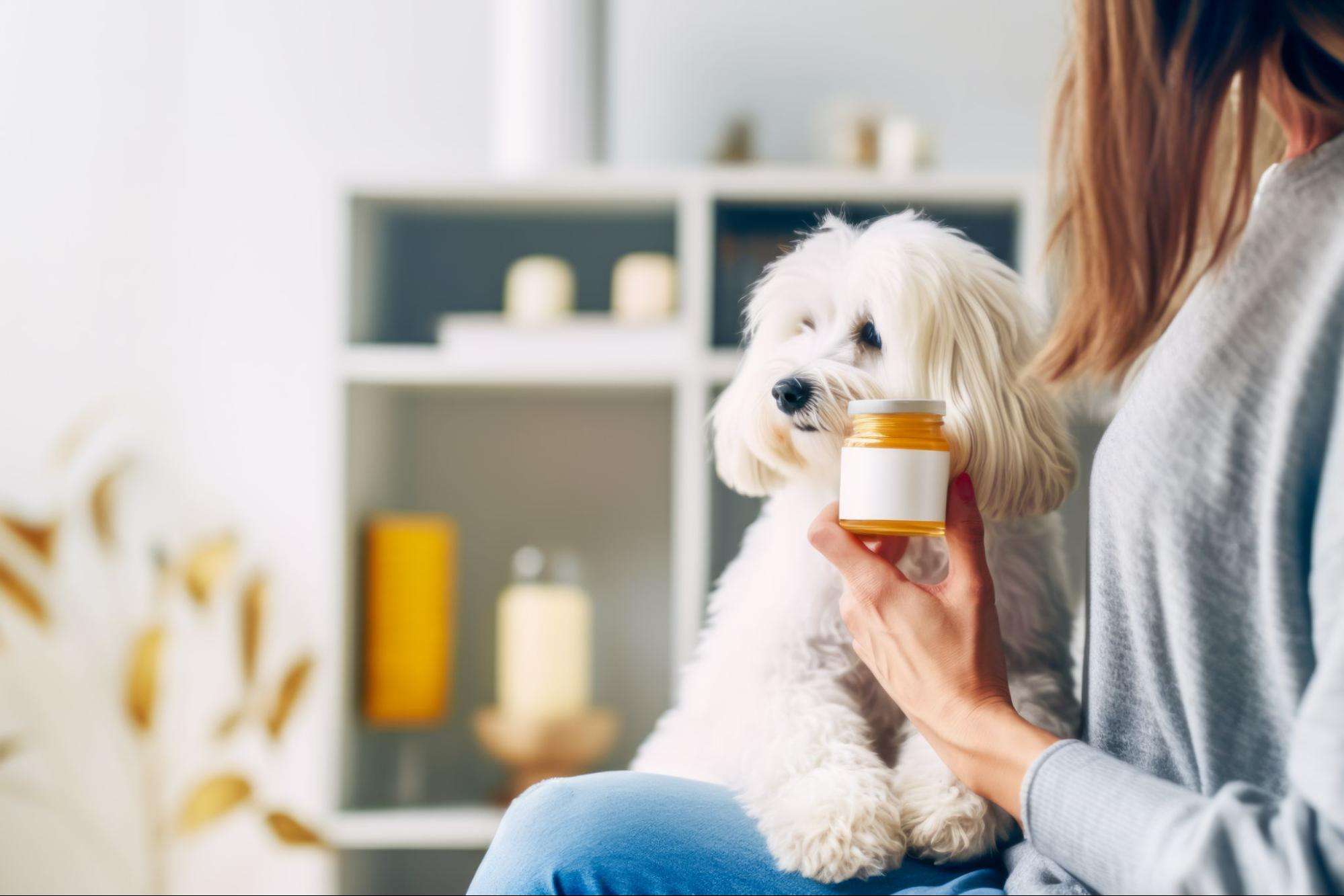
- Immediate Sugar Intake: Maple or corn syrup, honey or sugar should be placed on your puppy’s gums as soon as you suspect hypoglycemia. Then head to the vet ASAP.
- Get To The Vet ASAP: Have an emergency vet plan in place in case you need it. Once you arrive, your vet will need to confirm hypoglycemia- A blood sample will be drawn to diagnose a low blood sugar. An ear prick or paw pad prick may have to be used if a larger sample cannot be obtained.
- Keep Warm: Low body temperature can exacerbate hypoglycemia. Use a heating pad or warm blankets to keep your puppy warm while on the way to the vet..
- In Hospital care:
- An IV catheter should be placed as soon as possible so that dextrose can be administered to bring the blood sugar back into a safe range.
- Reflex hypoglycemia can occur after your pup has reached a normal glucose level, so frequent blood glucose monitoring for a period of 6-24 hours will be needed.
- Many patients require a dextrose constant rate infusion until their glycemic status can be stabilized.
- Be sure that you bring your puppy’s high-quality, fresh diet to the vet so that they do not end up feeding highly processed prescription diets to your puppy.
Prevention
Prevention is the key to ensuring your puppy’s well-being. Here are some steps you can take to minimize the risk of hypoglycemia:
- Choose a breed of puppy that you know you can manage: Before you decide on a tiny toy breed, you must be sure that you are ready for high-intensity nursing care for the first few weeks.
- Monitor body temperature: They need extra warmth, so be sure that they are not exposed to cold temperatures and are kept in a warm area of the home. Very young, very tiny puppies may need access to a heating pad. A circulating water heating pad is safest. Always be sure your puppy can crawl away from the heat if they get too hot.
- Frequent vet checks: It is important that you make an appointment with your veterinarian for a wellness check as soon as you get your new pup. Keep records of the weights to be sure your pup is gaining. Recheck often to monitor progress. Have your vet check a fecal sample for parasites.
- Feeding: You may need to feed at least 4-6 times daily. Soft, high-caloric puppy foods are needed as these puppies may not be able to eat hard food (which I never recommend anyway). Examples of food that are suitable for young puppies include gently cooked commercial or balanced home-cooked diets, commercial raw diets, and human-grade dehydrated or freeze-dried diets. Add water and blenderize if needed. High-quality canned is also OK. But it’s not my first choice. Dry kibble is not a good choice not only because of the puppy’s inability to chew well but also for many other reasons. Ultra-processed kibble is bad for dogs. Check out my blog for more on this.
- Supplement with Sugar but ONLY WHEN NECESSARY: Nutrical is a product frequently provided by both veterinarians and breeders for use in toy breed puppies. It consists basically of a malt-flavored paste with sugar and vitamins. Some puppies will readily lap it off their fingers, and others will only take it if it is smeared on the roof of the mouth. If a puppy seems listless, the first thing to do is attempt feeding. If the puppy does not eat, a fingertip of Nutrical may make all the difference. Never give nutrical or any other sugar as a regular daily supplement. In normoglycemic patients, this can cause a glucose spike, which in turn causes the pancreas to secrete insulin, leading to a drop in glucose resulting in the hypoglycemia you’re trying to prevent.
Conclusion
Hypoglycemia in puppies is a condition that requires fast action. By understanding the risks, recognizing the symptoms, and taking preventive measures, you can help ensure that your puppy grows up with vitality. If you suspect your puppy is experiencing hypoglycemia, consult your veterinarian for guidance and treatment. Your puppy’s well-being depends on your care and vigilance. If your puppy has multiple hypoglycemic episodes, have your vet look for underlying causes, such as a congenital liver shunt.