
Introduction
The sound of a dog with a kennel cough is unmistakable…It’s the disconcerting combo of a cat hacking up a hairball and a distressed goose. Kennel cough, also known as canine infectious tracheobronchitis, is the most common cause of coughing in dogs. If you’ve ever had your dog boarded, groomed, or in daycare, then you’ve likely been required to vaccinate for Kennel Cough. Let’s delve into this canine concern and learn what you need to know in order to avoid it in your dog.
What Is Kennel Cough?
Kennel Cough is a term used for a group of pathogens that cause a contagious upper-respiratory infection in dogs. Other names include Infectious tracheobronchitis and Canine Upper Respiratory Complex (CIRD), just to make it more confusing. It is most often caused by infection with the bacteria Bordetella bronchiseptica, one of the most common organisms involved in the Canine infectious respiratory disease complex (CIRD). However, the condition usually requires a combination of infectious agents, including viruses and bacteria, in order to develop. Some of the more common agents include Parainfluenza virus, Adenovirus type 2, Canine distemper virus, Canine influenza virus, Canine herpesvirus (very young puppies), Mycoplasma canis, and Parainfluenza virus.
Due to the condition’s highly contagious nature, most boarding facilities and veterinarians sometimes treat a cough from a dog with the kind of alarm usually reserved for a COVID outbreak. Nonetheless, it resembles a common cold in humans and does not warrant the usual degree of anxiety it typically generates.
Symptoms:
Abnormalities are typically mild and include:
- Hacking cough- it may be persistent, or your pup may only cough occasionally or when excited.
- Retching and gagging may occur at the end of the cough, which guardians often mistake as choking or vomiting.
- Sneezing
- Clear nasal discharge may be present.
- A cough is easily elicited when the trachea is touched. The cough may be high-pitched and hacking. Retching and gagging may occur at the end of the cough and be mistaken for something caught in the dog’s throat.
- Fever, lethargy, anorexia, and difficulty breathing are uncommon but can occur in patients with secondary pneumonia.
Uncomplicated cases do not involve fever or listlessness, just lots of coughing. This bronchitis usually does not last long and may be mild enough not to require any treatment. An uncomplicated kennel cough runs the course of a week or two and entails frequent fits of coughing in a patient who otherwise feels active and normal.
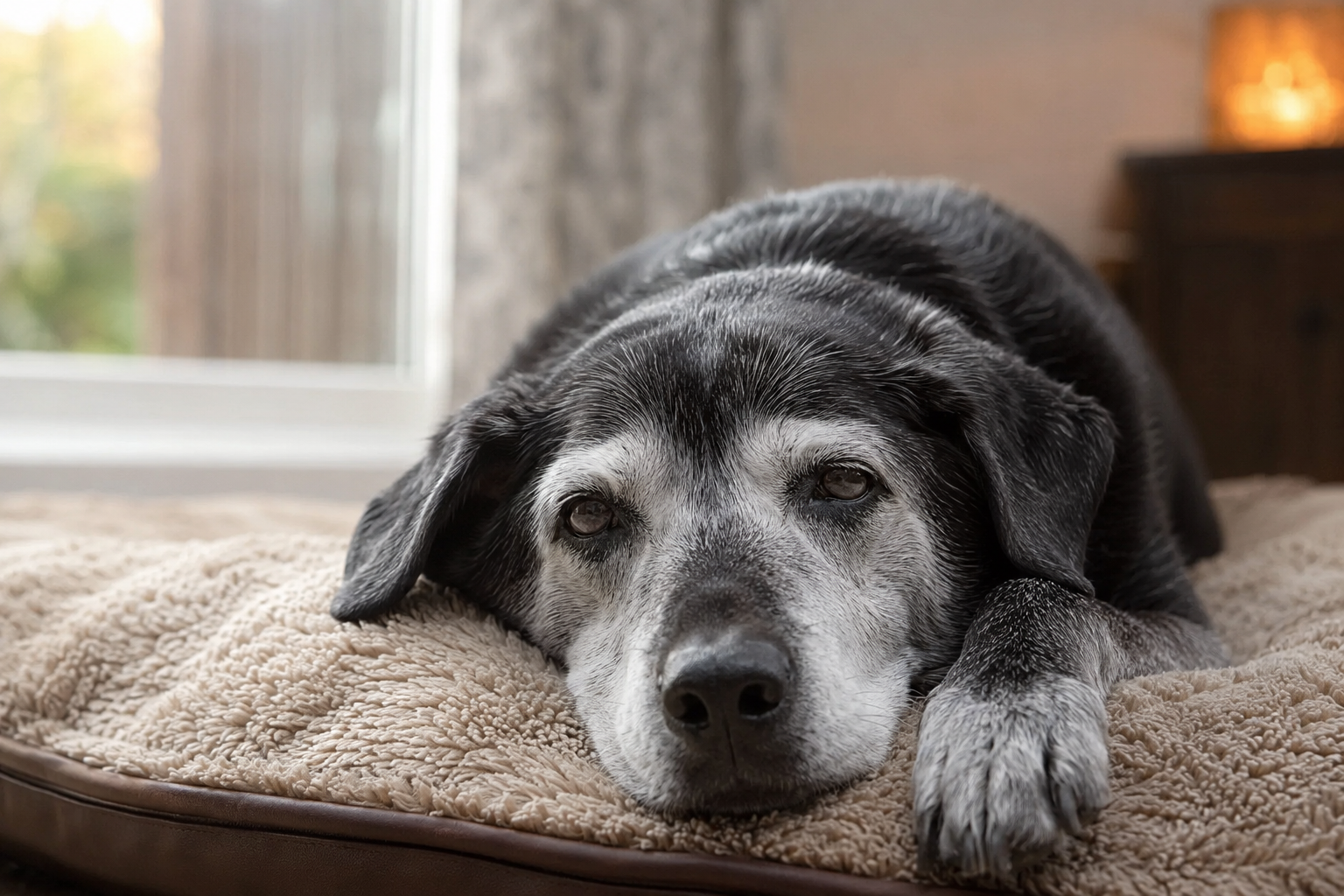
The intensity of symptoms varies based on the dog’s immune status, age, and concurrent infections. In rare instances, it can escalate to a life-threatening pneumonia, contingent upon the specific infectious agents and the dog’s immune response. For young puppies or senior dogs, those under significant stress (e.g., sheltered dogs), individuals with compromised immune systems, or those with underlying health issues, kennel cough can progress to the lower respiratory tract, potentially leading to life-threatening pneumonia.
How It Spreads and Infects:
History of exposure to high-stress, high-density environments (e.g., shelter, veterinary hospital, kennel, grooming facility, dog park, dog show, or other competition) is usually noted.
An infected dog sheds infectious bacteria and/or viruses in respiratory secretions. Recently vaccinated dogs also shed Bordetella. These secretions become aerosolized in the air, where they can be inhaled by a healthy dog. Obviously, crowded housing and suboptimal ventilation play important roles in the likelihood of transmission, but organisms may also be transmitted on toys, food bowls, or other objects.
Mucociliary Escalator.

Graphic by MarVistaVet
The normal respiratory tract has substantial safeguards against invading infectious agents. Probably the most important of these is what is called the mucociliary escalator.
The mucociliary escalator is damaged by the following:
- shipping stress
- crowding stress
- heavy dust exposure
- cigarette smoke exposure
- infectious agents (as listed previously)
- cold temperature
- poor ventilation.
Without a fully functional mucociliary escalator, Bordetella bronchiseptica may simply march down the airways unimpeded.
Other chronic health issues that affect the immune system, such as leaky gut, endocrine disorders, allergies, etc., make it more likely to catch an infection like kennel cough.
The incubation period is 2 to 14 days. Dogs typically exhibit symptoms for 1 to 2 weeks. Infected dogs shed Bordetella organisms for 1 to 3 months following infection.
How is a Diagnosis Made?
Usually, the history of exposure to a crowd of dogs within the proper time frame, plus typical examination findings (coughing dog that otherwise feels well), is adequate to make the diagnosis. An elicitable cough on tracheal palpation is also a key indicator.
Radiography: Your vet may recommend x-rays if lung auscultation is abnormal or if your dog has other systemic symptoms that may indicate pneumonia, such as lethargy, lack of appetite, green/yellow nasal discharge, fever, and difficulty breathing.
Complete Blood Count: It may be recommended to look for signs of systemic infection.
And it’s time To Answer The Big Question…Should You Vaccinate For Kennel Cough?
Many places like doggy daycares or boarding facilities often ask for proof of kennel cough (Bordetella) vaccination. These places request vaccinations because the risk of kennel cough is higher when dogs hang out together, just like kids sharing germs at school. But before you go ahead and vaccinate your pup, it’s crucial to ask the three questions you should consider for any vaccine:
- Is the vaccine safe?
- Is the vaccine effective?
- Is the disease dangerous?
Is The Kennel Cough Vaccine Safe?
The Bordetella vaccine is a modified live vaccine which means it contains altered versions of bacteria or viruses that are designed not to cause full-blown clinical diseases. Instead, they aim to stimulate the immune response within your dog.
However, this means they can sometimes trigger the very disease they were meant to protect against. These viruses may linger within your dog’s body, potentially leading to illnesses even years down the line.
I see cases all the time that were vaccinated but still developed symptoms.
Vaccination can also elevate histamines, causing chronic inflammation, which may lead to other health issues as your dog ages.
Is The Kennel Cough Vaccine Effective?
Regrettably, the kennel cough vaccine doesn’t boast impressive effectiveness. These infections are caused by a mixture of bacteria and viruses, and the vaccine only targets a select few. For example, intranasal Bordetella vaccines only encompass canine parainfluenza and Bordetella bronchiseptica.
Is Kennel Cough So Dangerous That We Need To Vaccinate?
In my opinion…No. When it comes to any vaccine, it is important to weigh the risks of the vaccine vs. the risks of the disease. The good news is kennel cough is like a doggy cold—it’s not usually life-threatening, especially if you support your dog’s immune system. So, in most cases, it’s not necessary to vaccinate. There are natural and safer approaches available for preventing and treating kennel cough, making it a prudent choice to consider saying no to the vaccine. Now, if you’re wondering how to prevent and treat kennel cough naturally, let’s discuss alternatives.
How To Treat and Prevent Kennel Cough Naturally
- BREATH by CBC Dog Health
- Medicinal Mushrooms: These have immune-boosting properties that support your dog’s health. Reishi, turkey tail, shiitake, phellinus, Chaga, and cordyceps are the major players.
- Nosodes: These are specialized homeopathic remedies made from diseased tissue from a sick animal. They’re safe alternatives to vaccination and can be highly effective in preventing kennel cough. To use a nosode to protect your dog who will be in a high-risk environment, start dosing the dog several days before the expected risk, giving the remedy once or twice a day with a 30C potency for a maximum of five days.
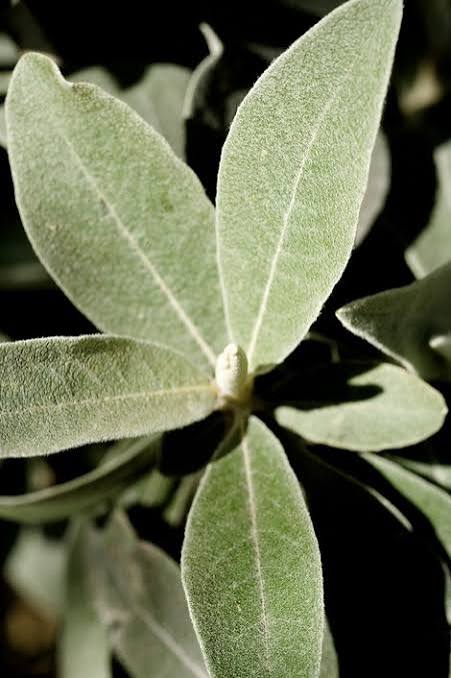
- Give your dog Echinacea before meeting new dogs, ahead of stressful events, and before and during boarding at kennels or daycares. The recommended dose for dogs is 1/2 ml for every 15 lbs of body weight. Give just before feeding, up to 3 times daily.
- Probiotics: About 90% of your dog’s immune system comes from his gut. So, probiotics are important in supporting immune health. Check out my blog on choosing the right probiotics.
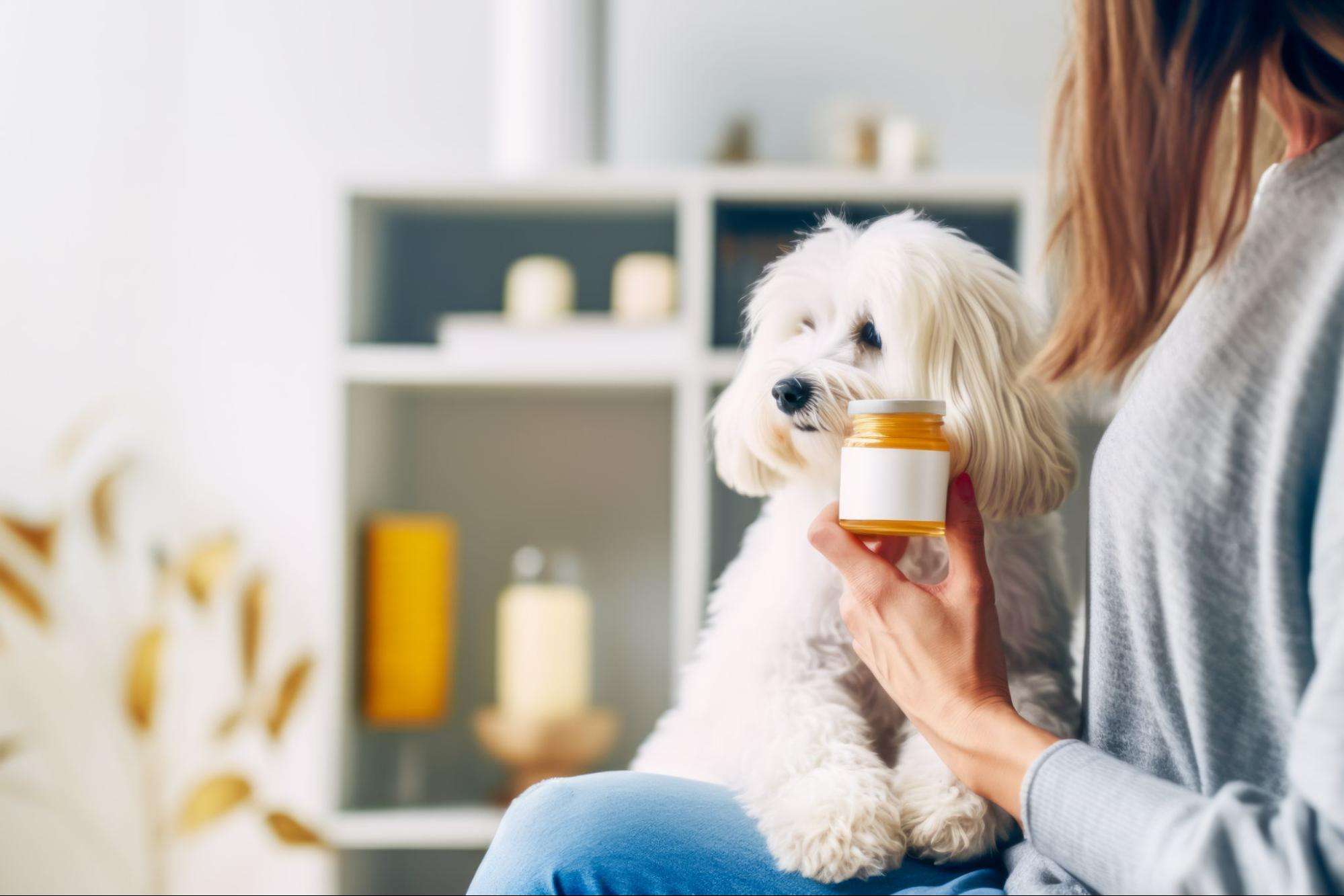
- Manuka Honey: Manuka honey boasts remarkable potency thanks to its natural components, namely methylglyoxal (MGO), dihydroxyacetone (DHA), and leptosperin. These compounds confer upon it powerful antibiotic, antifungal, and antiviral properties. In addition to providing relief for your dog’s throat, this honey is rich in antioxidants and serves as a prebiotic, enhancing the effectiveness of probiotics. When seeking Manuka honey, aim for a Unique Manuka Factor (UMF) rating of 10 or higher. Administer Manuka honey to your canine companion twice daily: ½ teaspoon for dogs weighing less than 20 pounds, 1 teaspoon for those up to 60 pounds, and 2 teaspoons for dogs weighing over 60 pounds.
- Soothing Herbal Tea
- Make a tea by steeping these ingredients for 10 minutes in hot/boiling water.
- 4 Tbsp dried echinacea
- 1 to 2 teaspoons of fresh ginger, or more, if your dog tolerates its strong taste
- 4 Tbsp dried chamomile
- Cool, then add 1-2 tsp of tea (including the herbs) to meals for small dogs and 2-4 tbsp for large dogs or allow them to lap it up if they like it.
- Make a tea by steeping these ingredients for 10 minutes in hot/boiling water.
-
Dry Cough Aid Drops : Professional Formulas Dry Cough Aid drops / Certified organic / Homeopathic. Active Ingredients: Collinsonia canadensis 3x, sambucus nigra 3x, nitricum acidum 6x, argentum nitricum 12x, Baryta carbonica 12x, drosera rotundifolia 12x, spongia tosta 12x, arsenicum album 30x
- Antibiotics: I will treat my patients with Doxycyline 5mg/kg twice daily for 3-5 days if their cough is severe, the cough is keeping them from resting or other symptoms are present such as fever, lethargy and inappetance. I recommend a daily probiotic for 14 days following treatment with antibiotics.
Remember, it’s essential to consult with your vet before making any decisions about your dog’s health.
Summary
- If your dog starts coughing acutely with no other symptoms… it’s kennel cough until proven otherwise
- Dogs are most susceptible in high-stress, high-density environments such as shelters, veterinary hospitals, kennels, grooming facilities, dog parks, dog shows, or other competitions.
- Vaccines are not worth it. Choose to boost your dog’s immune system prior to higher-risk events instead.
- Treatment is not always necessary. If symptoms are persistent, do not respond to nature remedies or the cough is severe, then 5 days of doxycycline should do the trick.
- If other symptoms exist, such as lethargy, green/yellow nasal discharge, fever, difficulty breathing, and/or lack of appetite, then secondary pneumonia may be involved and requires immediate veterinary care.
- Dogs who are very young, very old, highly stressed (for example, in a shelter), immunocompromised, or who have an underlying condition are at risk for kennel cough advancing to pneumonia.