
Introduction
Your furry friend’s wagging tail and joyful demeanor can bring immense happiness to your life. As a responsible dog guardian, it’s your duty to return the favor by ensuring your companion enjoys a healthy and happy life, which includes taking care of their dental health. Just like humans, dogs can suffer from dental issues that can lead to pain, discomfort, and overall health problems. In this blog post, we’ll explore the importance of dental health for dogs and offer natural solutions to keep those pearly whites in tip-top shape.
What exactly is Dental Disease?
Dental disease in dogs refers to a condition where their gums, teeth, and the surrounding structures in their mouth get inflamed and damaged over time. It’s the most common oral problem that dogs face.
The disease has two main stages:
- Gingivitis: This is the first stage, and it’s treatable and preventable. It’s all about inflammation of the gums caused by a sticky film called plaque that forms on the teeth. Plaque is made up of bacteria, saliva, debris, fats, and sugars. If it’s not removed, it can harden into something called tartar.
- Periodontitis: If gingivitis isn’t taken care of, it can advance to periodontitis. At this point, the inflammation and damage spread deeper, affecting the tissues that hold the teeth in place. It’s a serious problem because it leads to permanent and destructive changes in the structures supporting the teeth. Dogs with periodontitis can experience pain and discomfort, and it can seriously impact their quality of life.
Why Dental Health Matters for Dogs
- Prevention of Dental Diseases: Neglecting your dog’s oral health can result in dental diseases such as periodontal disease, gingivitis, tooth decay and even bone erosion of the jaw. These conditions can cause pain, difficulty eating, and ultimately affect internal organs.
- It Can be Linked To Systemic Disease: Research has connected periodontal disease in both people and animals to systemic issues such as kidney and liver diseases, heart problems, lung ailments, diabetes complications, pregnancy difficulties, and even cancer. Oral bacteria entering the bloodstream through inflamed or bleeding gums have a substantial impact on internal organ systems. Fortunately, many of these conditions can be improved with proper dental care and consistent oral hygiene.
- Elevated Quality of Life: Good dental health contributes to your dog’s overall well-being. Healthy teeth and gums allow them to chew their food properly, leading to better digestion and nutrition. You know how it feels after you brush your teeth in the morning…refreshed and clean. Your dog feels the same sense of improvement when their teeth are cleaned.
- It Supports The Bond You Share: Halitosis, or bad breath, discourages guardians from getting close to their dogs. Dogs will actually receive less contact and attention because the unpleasant odor can make it difficult for people to interact with their pets, such as cuddling or letting them sit on their laps. Maintaining oral hygiene helps keep your pup’s breath fresh, making those cuddle sessions all the more enjoyable.
Symptoms of Dental Disease:
-
- Bad breath (halitosis)
- Drooling
- Bleeding gums
- Unilateral facial swelling under the eye
- Pawing at the mouth
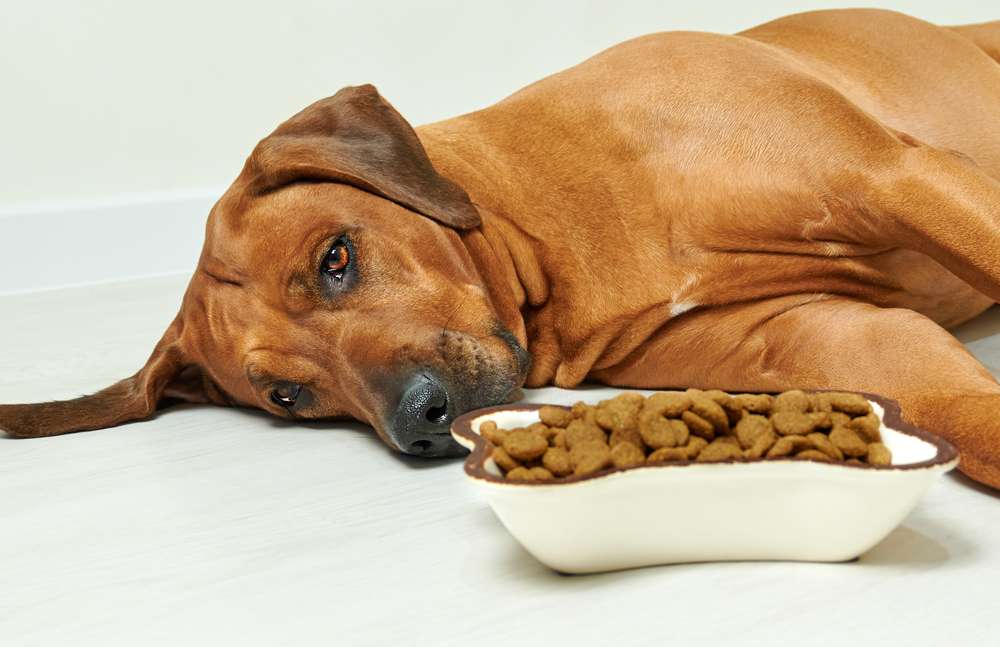
- Reluctance to eat
- Decreased activity level
- Less playful
- Avoids interaction
- Resists petting of the face and oral exam
- Slow, cautious eating
- Food falling out of the mouth
Tips for Maintaining Your Dog’s Dental Health
- Regular Brushing: Just like humans, dogs benefit from regular tooth brushing. Use a dog-specific toothbrush and toothpaste, and start slowly to get your dog accustomed to the process. Aim to brush their teeth a few times a week. A natural remedy for early dental symptoms is calendula. It’s antibacterial, antiviral, antifungal, and it soothes the gums. Calendula promotes healing and can be used for gingivitis. Use an alcohol calendula tincture diluted with 1 part calendula to 3 parts spring water. Then, apply it to the affected areas of your dog’s mouth.
- Dental Chews and Toys: There are plenty of dental chews and toys designed to help clean your dog’s teeth as they chew. However, there are many more that are not healthy and contain excessive amounts of sugar and fillers like corn or wheat, which can contribute to dental problems and obesity. High levels of sugars and simple carbohydrates provide rapidly available nutrition for oral bacteria. Look for options that have the Veterinary Oral Health Council (VOHC) seal of approval. Stay away from Greenies… I see dogs in the ER for gastrointestinal symptoms all the time after eating these.
- Provide Natural Chews and bones:
- Raw meaty bones are beneficial for dental health as they provide active chewing and gum-cleaning benefits. Larger raw bones like marrow bones and knucklebones seldom cause tooth damage due to their shape and how dogs chew them. DO NOT GIVE COOKED BONES.
- Water Buffalo horns are nutritious treats that scrape off plaque as your dog chews them. They are high in protein and low in fat. They are also high in calcium and phosphorus, which are vital for healthy, strong bones and muscles.
- Farmhounds Natural Beef Hide Rolls These are sourced from 100% pasture-raised, grass-fed cattle and are naturally dried hides that are the complete hide. They are NOT stripped, processed with toxic chemicals, or dyed like many industrially made rawhides. These are my dog’s absolute favs.
- Moose Antlers – Moose antlers are natural, healthy and long-lasting. They are a natural source of calcium, zinc, manganese and potassium and will help aid in your dog’s tartar control. I prefer the paddle shape to the narrower options because they are less likely to cause damage to teeth.
- Feed A Healthy Diet: Feed your dog a balanced, fresh diet that promotes dental health and a strong immune system. Avoid highly processed kibble diets containing damaging starches and sugars, synthetic ingredients, toxic end products, and harmful aflatoxins that stress the dog’s immune system. Raw food is an optimal choice because these diets contain natural enzymes that help resist bacterial plaque.
- Add a high-quality probiotic: Probiotic supplements help keep your dog’s mouth healthy by creating a good mix of bacteria. They do this by fighting for space and making helpful substances that stop bad bacteria from growing while reducing inflammation.
- Regular Vet Check-ups and Home Oral Exams: Schedule annual dental check-ups with your veterinarian. They can identify dental issues and recommend professional cleanings when necessary. It is also important for you to look at your dog’s teeth and gums weekly to catch any dental issues early.
- Dental Cleaning Treatments: Your vet may recommend professional teeth cleaning under anesthesia if your dog has significant plaque and tartar buildup. This will give you a clean slate to start preventative measures to avoid the need for future cleanings. Check out my blog The Top Myths Of Dental Disease, to learn how to be sure your vet takes the appropriate precautions to ensure a safe procedure.
- Consider Dental Care Supplements: Some supplements are available that may help support your dog’s dental health, but always consult with your vet before adding any supplements to your dog’s diet.
Conclusion
Dental health is a crucial aspect of your dog’s overall well-being. By taking proactive steps to care for your dog’s teeth and gums, you can ensure they lead a happier, healthier life. Regular brushing, natural chews, a balanced, fresh diet, and annual check-ups with your veterinarian are all key components of maintaining your dog’s dental health and overall well-being. Remember, a little effort in dental care today can lead to many more years of joyful companionship with your furry friend.
One Comment
Comments are closed.

























Love your posts! So informative and always the best advice for one’s pet.