
Introduction
Dental health is a crucial aspect of a dog’s overall well-being, yet it often remains shrouded in misconceptions and myths that can lead to confusion amongst guardians. In this comprehensive guide, we embark on a mission to debunk the five most common myths surrounding dog dental disease. From the truth about diet and dental chews to the importance of dental cleanings and addressing the concerns of older dogs, we aim to provide clarity and actionable insights to ensure your canine companion enjoys a lifetime of healthy oral hygiene. It’s time to separate fact from fiction and empower dog guardians with the knowledge needed to make informed decisions about their furry friends’ dental care.
MYTH #1:
The Crunch Of Kibble Helps Clean Your Dog’s Teeth.
Here are the reasons that this is not true and why kibble actually promotes dental disease:
- Lack of Natural Cleaning Mechanism – One of the primary issues with kibble is its dry and crunchy nature. Unlike moist or raw diets, kibble doesn’t have the same natural cleaning effect on a dog’s teeth. When dogs eat moist food, the chewing and tearing help remove food particles and plaque from their teeth. Kibble, on the other hand, tends to shatter into small pieces, making it less effective at cleaning teeth during consumption.
- High Carbohydrate and Sugar Content – Most commercial kibble contains a significant amount of carbohydrates and sugar which can contribute to dental disease. Carbohydrates provide a source of energy for harmful bacteria in the mouth. As dogs chew kibble, carbohydrates can stick to their teeth, providing a breeding ground for bacteria, ultimately leading to plaque formation and tooth decay.
- Toxic end products – Kibble is heavily processed using high heat and pressure creating AGEs (Advanced Glycation End Products) and HCAs (Heterocyclic Amines). These consequences of processing are pro-inflammatory and carcinogenic. As a result, dry kibble and other heavily processed treats fuel inflammation and disease in your dog’s body.
- Misinformation Regarding The Dental Benefits of Commercial Foods on The Market – While some dog food brands claim to provide dental benefits through special shapes or ingredients designed to reduce plaque and tartar, these claims are often overstated. In reality, the majority of kibble products actually worsen dental disease.
MYTH #2:
My Dog Is Too Old For A Dental Cleaning
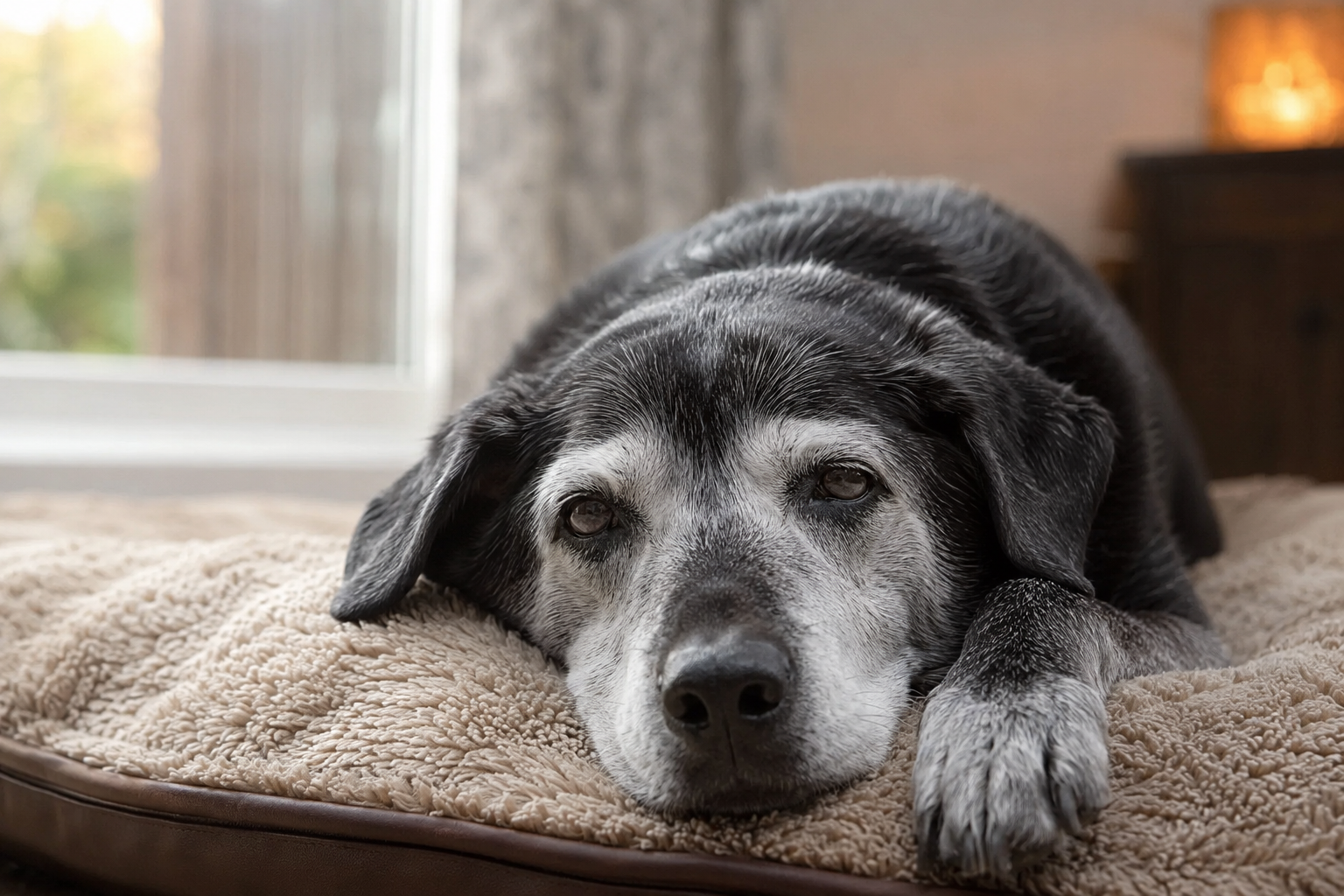
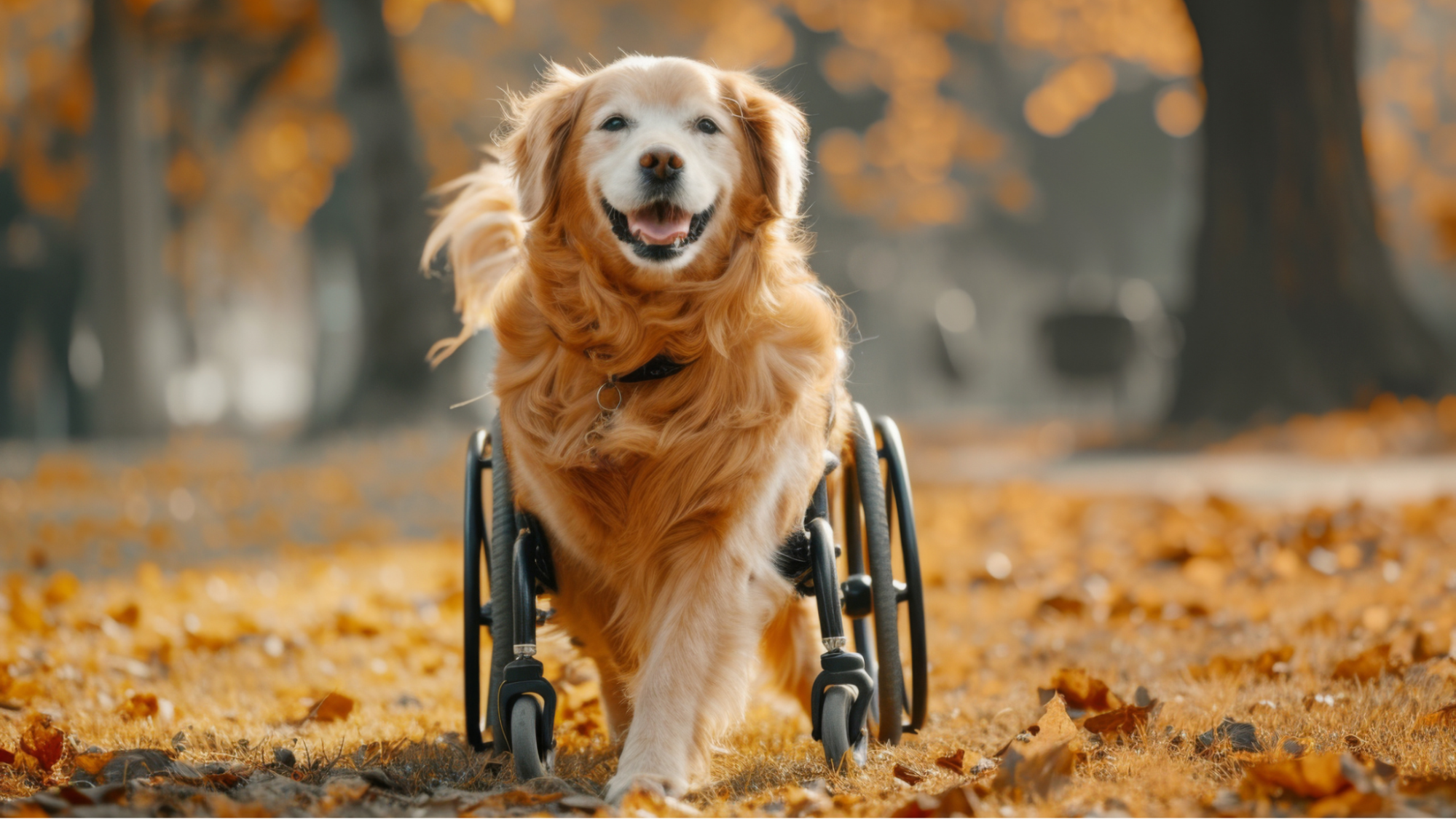
- Dental hygiene is even more important when it comes to senior dogs. Neglecting your dog’s oral health can result in dental diseases such as periodontal disease, gingivitis, tooth decay and even bone erosion of the jaw. This has an even greater impact on older dogs, as they may already have weakened immune systems or other health issues that can be exacerbated by dental problems.
- Pain Relief and Improved Quality of Life: Older dogs are more likely to have dental issues, which can be painful. A dental cleaning can help alleviate this pain, improve your dog’s comfort, and enhance their overall quality of life. Older dogs deserve to enjoy their golden years without the discomfort of dental problems.
- Preventing Secondary Health Issues: Dental disease can lead to secondary health issues, such as heart disease, liver disease, kidney problems, diabetes and even cancer. By addressing dental issues before they become severe, you can potentially prevent or mitigate these more serious health concerns in older dogs. This proactive approach to dental care can contribute to a longer, healthier and more comfortable life for your senior canine companion.
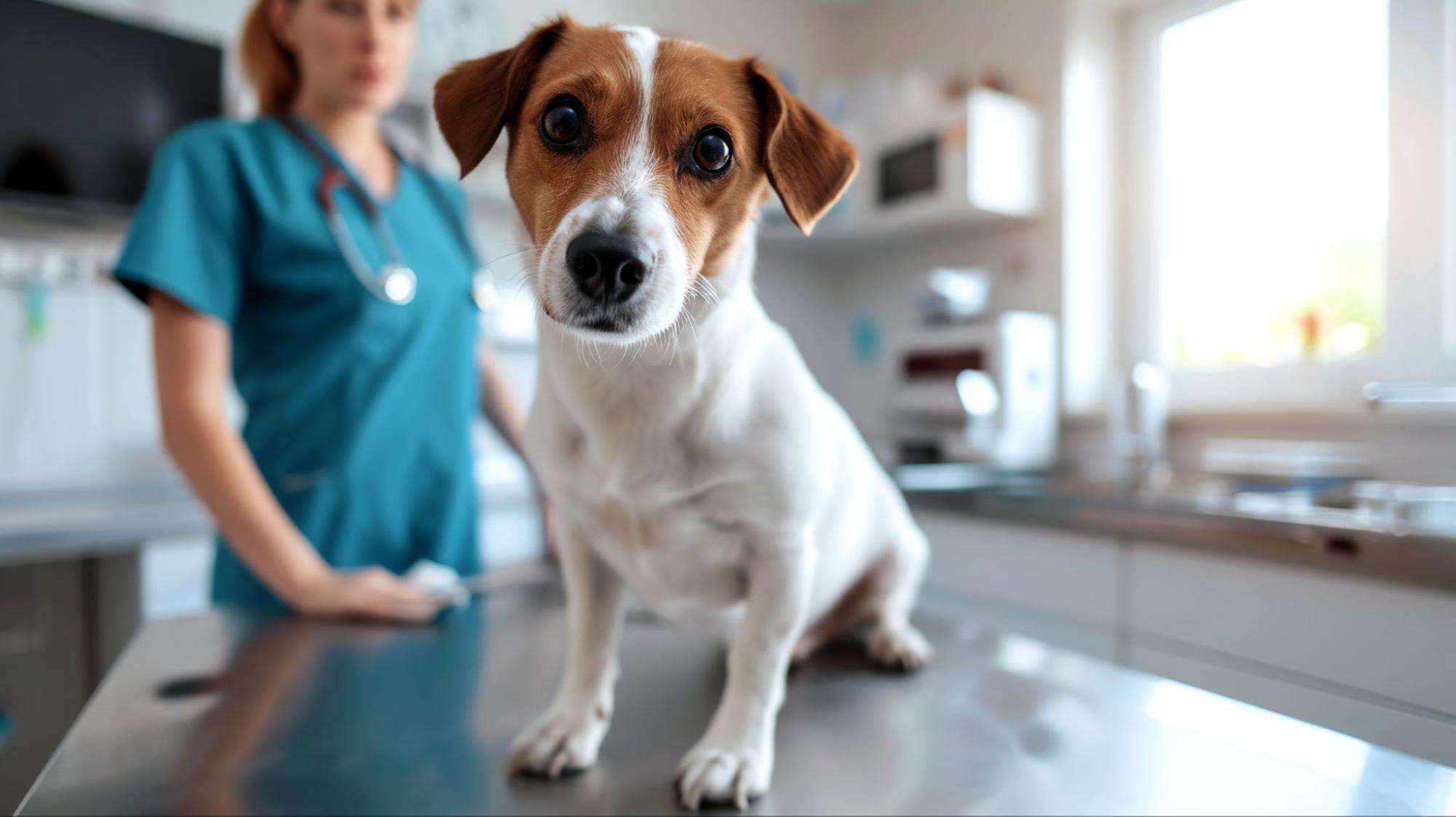
- You Can Reduce anesthetic risks through A thorough veterinary pre-op examination, pre-op blood work, an individualized anesthetic protocol and diligent monitoring during anesthesia. Ask your vet what monitor equipment they use. You want to hear that they use blood pressure monitoring, EKG, pulse oximetry, body temperature monitoring and capnography. Consider a more in-depth pre-op workup for geriatric dogs that may also include radiographs and EKG.
Naturally, anesthesia carries a degree of risk, but there are methods to reduce these potential hazards. Would it be better to have taken steps to prevent dental disease in the first place? Well, yes. But if you find yourself with a senior dog suffering from severe periodontal disease, then a proper anesthetic dental is the next best option.
MYTH #3:
Non-Anesthetic Dental (NAD ) Cleanings Are Safer.
An anesthesia-free dental cleaning not only provides zero benefits to the pet’s oral health… It is dangerous.
- It doesn’t address the most important problem areas: Scaling teeth with an instrument while the patient is awake only cleans about one-third of the tooth, with the remaining two-thirds left untouched below the gumline. It is most vital to address the bacteria below the gum line because they destroy the tissues surrounding the tooth, induce inflammation and add to oral odor. With the NAD method, it is impossible to eliminate bacteria where the bulk of the damage is done.
- Accident Risks: Using sharp instruments on awake, moving patients risks accidental damage to surrounding structures, such as laceration of delicate gingival tissues, jaw fractures and tooth injuries, which have all been reported following restraint for NAD cleanings.
- Risk of pneumonia: Scaling without anesthesia frees up bacteria and tartar that can then be inhaled by the patient and put them at risk for pneumonia. When a proper dental is performed, the patient is intubated, which helps prevent this occurrence.
MYTH #4:
My Dog Is Not In Pain From Dental Disease.
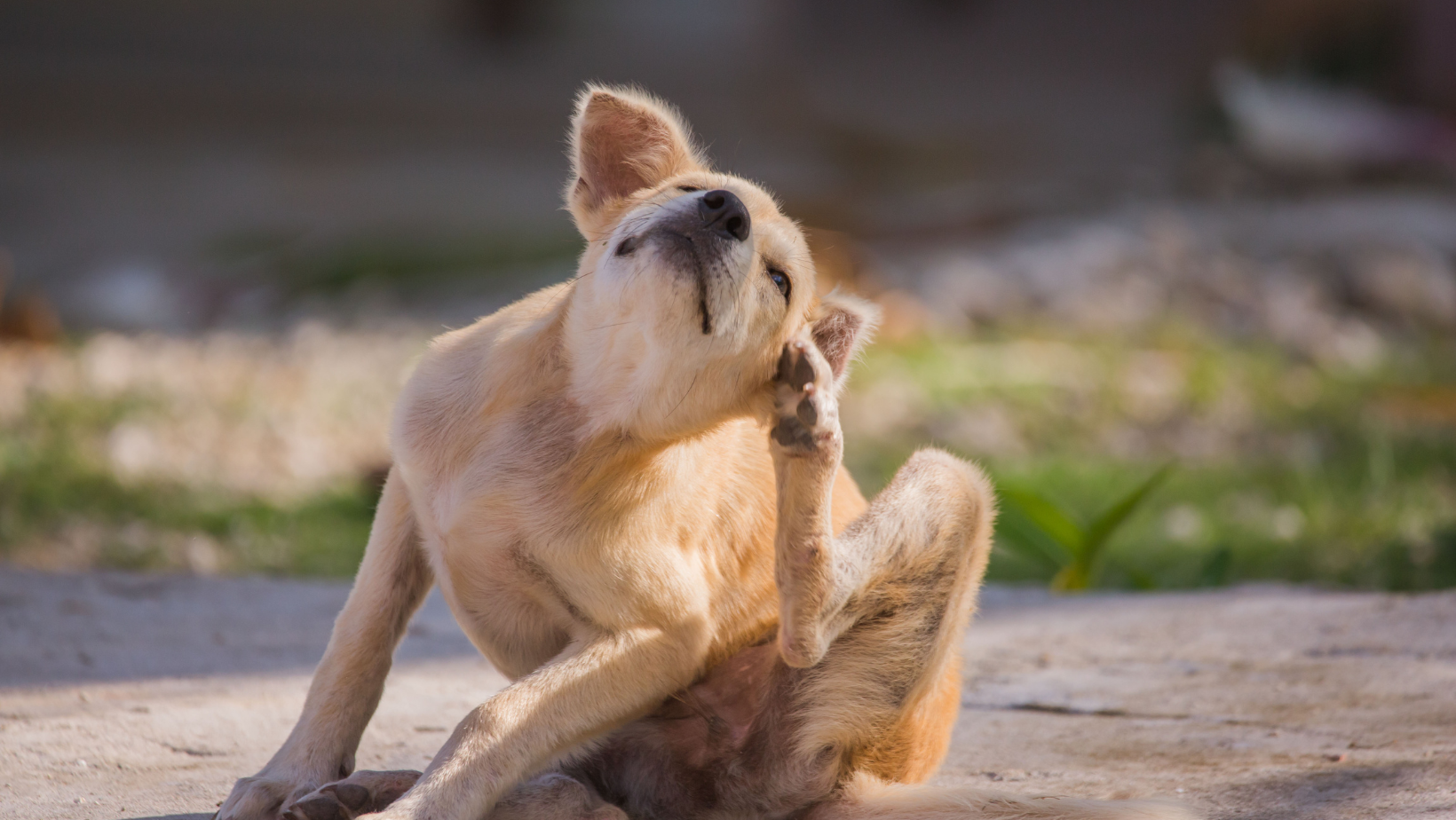
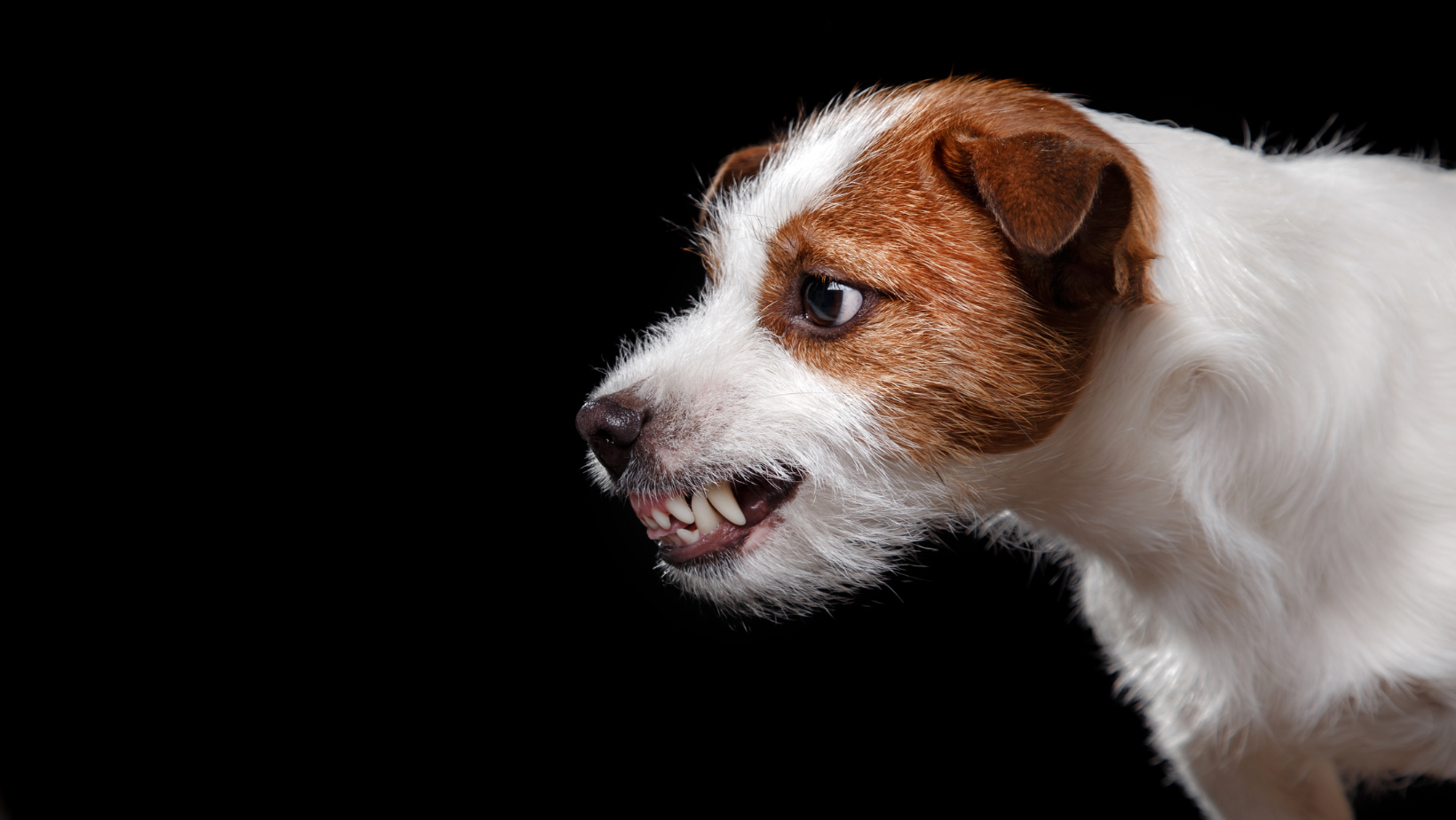
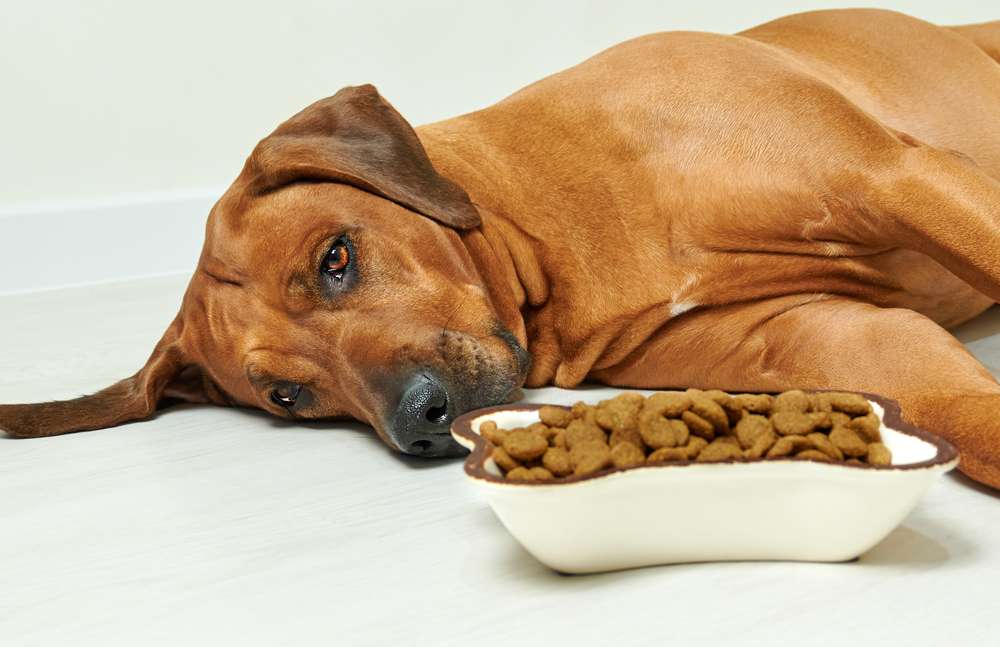
Dental disease leads to gum inflammation, tooth decay, and toothaches, all of which hurt… Dogs may not show obvious signs of pain but suffer in silence with constant discomfort, leading to a reduced quality of life. Subtle symptoms of pain include decreased activity, less playfulness, decreased appetite, avoiding interaction, especially petting around the face, changes in daily habits and behaviors, cautious eating, food falling out of the mouth, flinching when touched on the face, reluctance to allow oral exam, excessive panting and shaking. More obvious pain symptoms include crying out when eating or touching the mouth, difficulty or lack of eating, drooling, pawing at the mouth, and hiding.
The bottom line is… If your dog’s mouth looks and smells horrible, then it is causing pain…end of story.
MYTH#5:
Bad Breath Is The Only Real Consequence of Dental Disease.
Bad breath is commonly associated with dental issues, but it’s not the only consequence. Research has connected periodontal disease in people and animals to systemic issues such as kidney and liver diseases, heart problems, lung ailments, diabetes complications, pregnancy difficulties, and even cancer.
It’s important to recognize that bad breath is not just a superficial issue; it’s a symptom of an underlying problem. Bad breath caused by primary oral disease is typically a result of anaerobic bacteria breaking down specific amino acids, indicating a severe periodontal infection. This can progress to gingivitis, tooth decay, tooth loss, and even jawbone erosion, causing pain, difficulty eating, and ultimately impacting internal organs.
There’s also a common misconception that bad breath is normal in dogs, with approximately one-third of pet owners (around 28 million individuals) believing this to be the case. However, it’s crucial to understand that bad breath in dogs should not be dismissed as normal, as it often signifies an underlying health issue that needs attention.
Summary
- Don’t fall for the marketing campaigns of companies behind commercial kibble diets, processed treats and unhealthy dental chews.
- Take proactive steps to promote better oral health, such as regular dental check-ups, a fresh diet, natural dental chews, a good probiotic and brushing. Remember, your dog’s oral health is an integral part of their overall well-being, so make it a priority in their care routine.
- Check your dog’s mouth regularly for dental issues and signs of oral pain.
- If your veterinarian tells you your dog is too old for a dental cleaning, then get a second opinion. Try to find a dental specialist in your area.
- If your dog’s breath suddenly changes, then have it checked by a veterinarian to rule out dental disease or other underlying chronic diseases.
- Prevent your dog from chewing tennis balls, and rocks-This can abrade tooth enamel over time.
- Check out my blog on how to prepare your dog for anesthesia.
3 Comments
Comments are closed.
















Question…..what is a fresh diet?
Hi Marcia. A fresh diet is one that is not highly processed such as dry kibble. This could be a commercial raw diet or gently cooked diet or home prepared raw diet or cooked diet using trusted recipes. Freeze dried, dehydrated and air dried diets are also good options. Some brands that I recommend include: 1. K9 Kravings. 2. Cooking a protein at home (whitefish, pork, duck, venison, beef or turkey) and adding Dr. Harvey’s base (powder) and a healthy oil. 3. Gently cooked diets:.
-evermore
-raised right
-small batch
-Ollie
Freeze dried diets:
-small batch
-vital essentials
-open farm
Air dried diets:
-Sundays food for dogs
-Ziwi. A dehydrated grain free diet such as honest kitchen3. A cooked diet such as Evermore, Raised Right, Small Batch or Ollie.
I hope this helps.????
I give my dogs N&D dry dog food, I’ve read that this is a good dog food what is your opinion?