
Introduction
Intestinal obstruction in dogs is a serious medical condition that can have severe consequences if not promptly diagnosed and treated. This condition occurs when a blockage prevents the normal flow of food, fluids, and gas through the dog’s gastrointestinal tract. Left untreated, intestinal obstruction can lead to severe complications, including sepsis and death. In this blog, we will explore the causes, symptoms, and treatment options for intestinal obstruction in dogs and how you can prevent it in your own dog.
Causes of Intestinal Obstruction
Intestinal obstruction can have various causes, and understanding these triggers is crucial in preventing and addressing the condition effectively. Some common causes include:
- Ingested Foreign Objects: This is the most common cause of this condition. Dogs are notorious for swallowing things they shouldn’t, such as toys, bones, rocks, or clothing. These foreign objects can get stuck in the stomach or intestines, causing an obstruction. Curious puppies are at the highest risk.
- Intestinal Tumors: While less common, tumors can develop in a dog’s intestines, leading to a blockage.
- Intestinal Strictures: Scarring from previous surgeries, inflammation, or trauma can cause strictures or narrowing of the intestines, resulting in an obstruction.
- Intussusception: This occurs when one part of the intestine slides into another and stays there, often causing an obstruction. There is usually an underlying cause for this to occur such as severe inflammation, a heavy parasite load, viral infections, bacterial infections, intestinal foreign objects, dietary changes, intestinal tumors, and surgical procedures previously performed on the bowel. These primary causes result in abnormal motility (movement) of the bowel.
- Gastrointestinal Parasites: Some intestinal parasites, like worms, can cause blockages if their infestation is severe. This is rare in dogs.
Symptoms of Intestinal Obstruction
Recognizing symptoms early is key to survival. Common signs include:
- Vomiting: Frequent and persistent vomiting is a hallmark sign. Initially, the vomit may contain food, but it can quickly progress to yellow bile or even blood. Vomiting every time your dog eats or drinks is a significant clue.
- Abdominal Pain: Dogs with intestinal obstruction often display signs of abdominal discomfort, including restlessness, whining, tense abdomen, and a hunched posture.
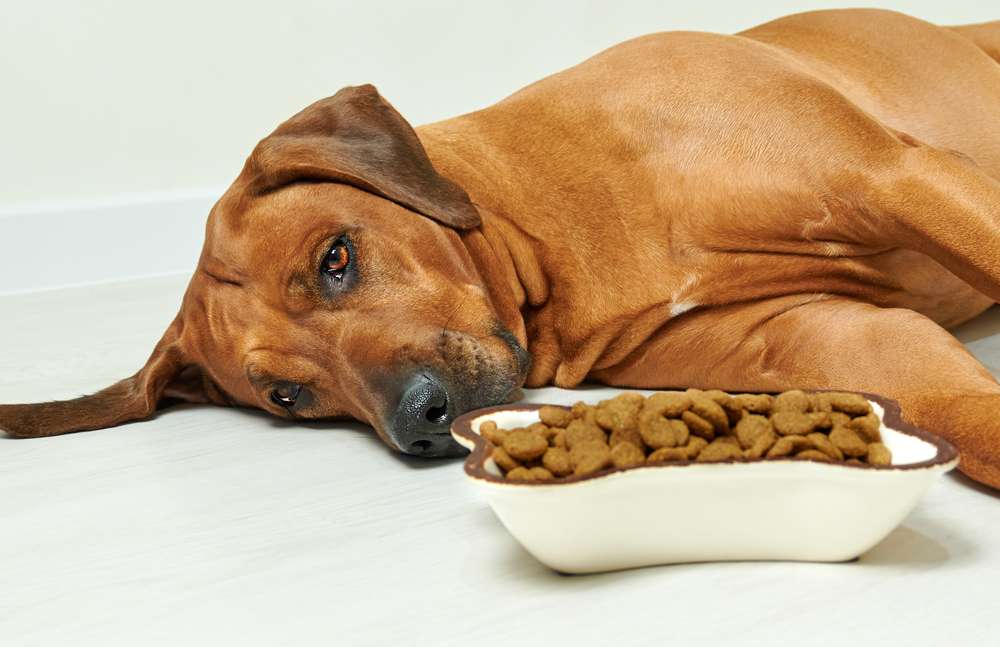
- Lack of Appetite: A sudden loss of interest in food or refusal to eat is a common indicator.
- Diarrhea or Straining: Diarrhea, often accompanied by straining, blood, or mucus, may occur. In some cases, there may be no bowel movements at all.
- Dehydration: Persistent vomiting and diarrhea will lead to dehydration, which can be detected through dry, tacky gums, a drawn appearance, and skin that doesn’t bounce back when pinched.
- Weakness and Lethargy: As the condition worsens, dogs may become weak and lethargic due to dehydration, pain, and the inability to absorb nutrients.
- Bloated Abdomen: Later stages reveal a distended abdomen that is severely painful to the touch.
Diagnosis and Treatment
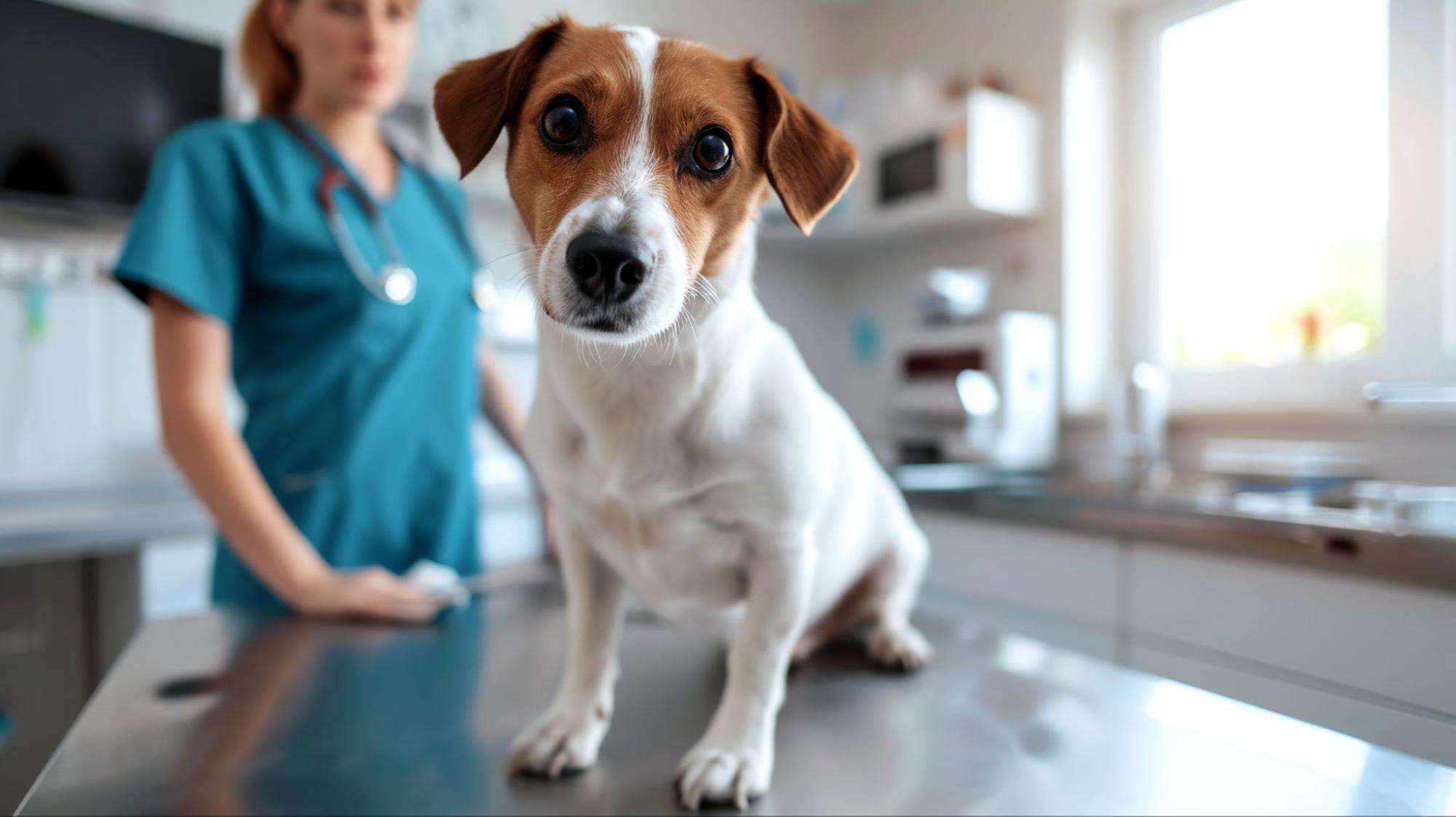
If you suspect your dog is suffering from intestinal obstruction, it is crucial to seek immediate veterinary care. Early diagnosis and treatment are key to a successful outcome.
Diagnostic Tests: The veterinarian will conduct a physical examination and may order diagnostic tests such as:
-
- X-rays and/or ultrasound to confirm the presence of an obstruction and its location. I usually start with X-rays, and if the X-ray results are not definitive and I’m still suspicious of obstruction, then I will move on to an ultrasound.
- Blood work is necessary to check electrolytes (which will likely be depleted), organ function, white blood cell count and blood glucose (these help with a sepsis diagnosis), dehydration level, and more.
- Blood pressure – This will be necessary if your dog’s symptoms are severe and sepsis is suspected.
- EKG will be recommended if symptoms are severe and if your dog requires surgery.
- Biopsy– this should be performed if there is an intestinal tumor or if a reason for the symptoms was not found at surgery.
- Culture and sensitivity– this is recommended for cases of ruptured bowel and suspected infection.
Treatment: The treatment for intestinal obstruction depends on its cause and severity. Common treatment options include:
-
- Surgery: In most cases, surgery is necessary to remove the blockage and repair damaged tissues. The type of surgery required depends on the location and nature of the obstruction. An intestinal resection and anastomosis may be necessary if a section of the intestine has died due to decreased blood flow. This involves the removal of the damaged piece of the intestine and suturing the healthy sections together. This type of surgery is more difficult and carries a more guarded prognosis.
Be ready for clean exploratory procedures. This implies that your veterinarian decided to perform surgery due to a strong suspicion of a blockage, but at surgery, it turned out that there was no actual blockage. Many ailments can mimic the symptoms of an intestinal blockage, and in some cases, exploratory surgery is necessary as a diagnostic tool. Waiting too long to address an intestinal obstruction can be riskier than opting for exploratory surgery.
-
- Fluid Therapy: Dogs will receive intravenous fluids to restore hydration and electrolyte balance.
- Medications: Medications may be prescribed to manage symptoms such as vomiting and pain.
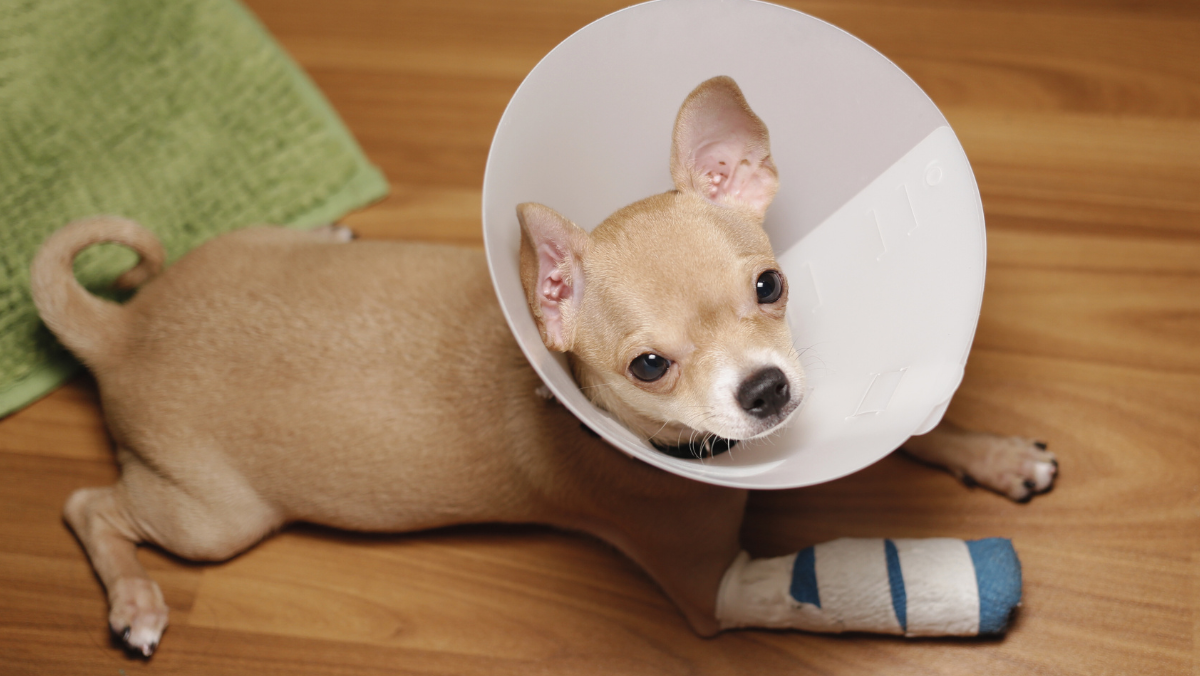
Postoperative Care: After surgery, your dog will require careful postoperative care, including monitoring and pain management. Once you have your dog home, you must exercise restrict your dog, and monitor the incision for discoloration, discharge, dehiscence, and swelling for the next 7 days. A body suit (preferred) or Elizabethan collar is recommended to prevent your dog from licking or biting at the incision.
Prevention Tips
Preventing intestinal obstruction in dogs is primarily about keeping hazardous items out of their reach. Here are some tips to help prevent this condition:

- Supervise Playtime: Watch your dog during playtime to ensure they don’t chew up toys and ingest parts of them. If your dog is a heavy chewer, then eliminate the toys that can be chewed. It’s just not worth the risk.
- Secure Trash Bins: Keep trash cans securely closed to prevent any dumpster diving.
- Training: Train your dog with basic commands like “leave it” and “out” to discourage them from picking up and swallowing objects. These commands can be literally life savers.
- Avoid unhealthy bones and treats: Cooked bones can splinter, causing intestinal laceration and obstructions. I have removed many cheap, highly processed bones and dental chews from dog intestines. Check out my blog on bones that are safe.
- Boundaries-keep shoes and socks out of the puppy’s safe space. Eliminate the opportunity to chew the wrong things. When your puppy or adult chewer is alone, be sure you remove any objects that can be chewed and ingested.
- Provide plenty of healthy chew options.
- Redirect your dog the moment they reach to chew something they shouldn’t. Replace it with the proper chew bone. Do not reprimand after the fact.
- Dogs that have undergone two or more foreign body surgeries sometimes have to wear basket muzzles when their owners are not in direct control of them. This seems extreme; however, it could save lives in these rare situations. Each time a surgery is performed on the intestines, it can increase the challenges for future surgeries because of the adhesions that develop.
Conclusion
Intestinal obstruction is a very serious and potentially life-threatening condition in dogs. Although this is my favorite surgery to perform… I hate that I have to. It is completely preventable when it is due to ingestion of a foreign object. And there is nothing sadder than a puppy losing its life because of swallowing their favorite toy.
Being vigilant about what your dog eats and seeking prompt veterinary care as soon as symptoms arise is critical to a favorable outcome. By understanding the causes, symptoms, and treatment options for intestinal obstruction, you can better protect your furry friend and ensure they receive the care they need in a timely manner. Remember, when it comes to your dog’s health, it’s always better to be safe than sorry.