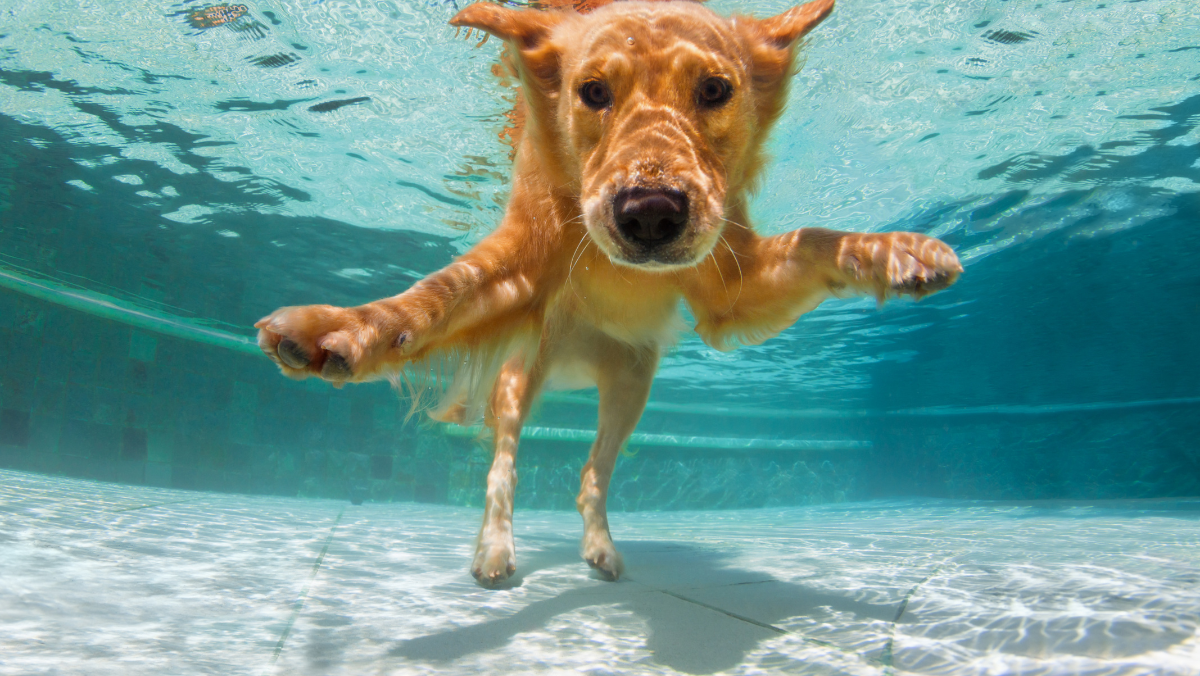

The majority of dogs today are living in a state of chronic dehydration. Dogs are designed to eat a high moisture diet of around 70%, but most are fed dry kibble that only contains 10-12%. moisture. Chronic dehydration manifests as continuous organ stress leading to kidney, endocrine, and other chronic disease states. It also results in dry, flaky skin and unhealthy hair coats.
.Crafting bone broth for your dog is a way to not only add moisture to your dog’s diet but also essential minerals and nutrients to elevate your dog’s health. The act of making homemade bone broth is a gesture that speaks volumes of the love and care we extend to our dogs, signifying a commitment to their vibrant well-being.
Here’s some reasons why this is a great addition to your dog’s nutrition plan:
- Joint Health Support: Bone broth contains glucosamine and chondroitin, which are beneficial for maintaining healthy joints in dogs, especially in aging or active individuals.
- Digestive Health: The gelatin in bone broth supports a healthy digestive system by aiding in the repair and maintenance of the gut lining. This can be particularly helpful for dogs with digestive issues.
- Nutrient Boost: Bone broth is rich in various nutrients like minerals (calcium, magnesium, phosphorus), amino acids, and collagen, contributing to overall nutritional balance in a dog’s diet.
- Hydration: The liquid content of bone broth can contribute to a dog’s hydration, especially useful for dogs that may not drink enough water or during periods of illness.
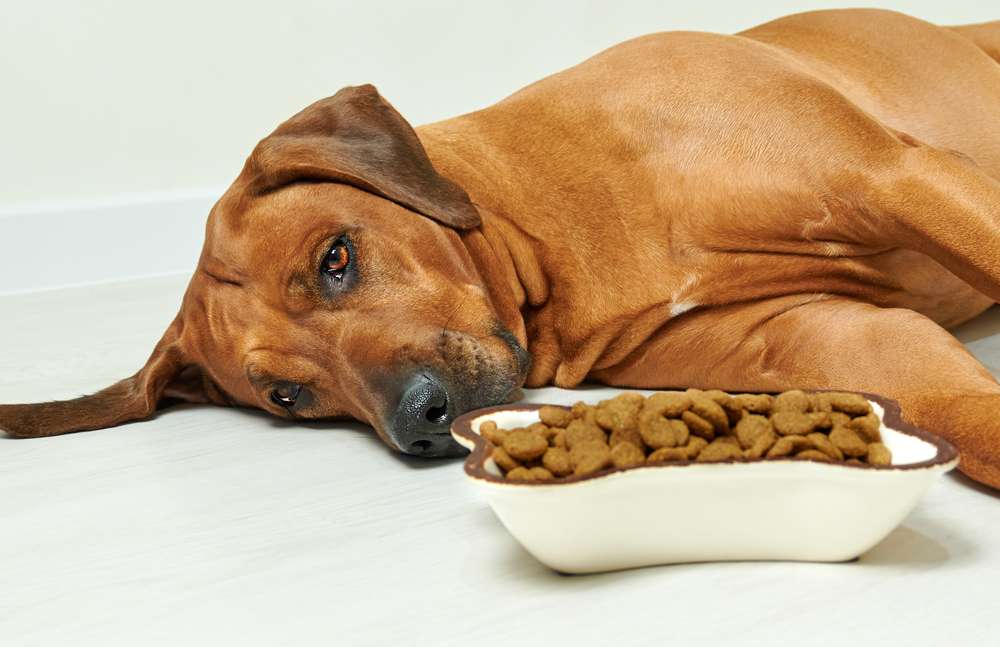
- Appetite Stimulant: The appealing aroma and taste of bone broth can entice picky eaters, making it a useful tool to encourage dogs to eat and enjoy their meals.
Now, let’s embark on a step-by-step guide to creating this canine culinary masterpiece:
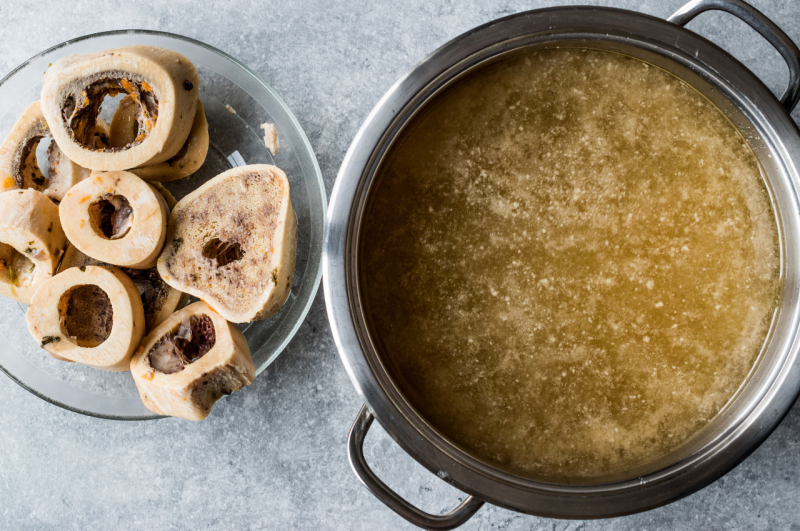
Step 1: Add Bones, Water, and Vinegar
Begin by loading your crockpot with bones. Opt for joint-rich bones like chicken feet for that extra boost of joint-loving gelatin. A touch of garlic can be included for both health benefits and added flavor. If you prefer a stove, no worries; just let it simmer overnight.
Step 2: Submerge and Infuse
Ensure the bones are fully submerged, adding an extra couple of inches of water on top. add 4 tablespoons of raw apple cider vinegar or lemon juice to a large pot. This ingredient not only ensures a gelatinous broth but also helps extract the nutritious minerals from the bones.
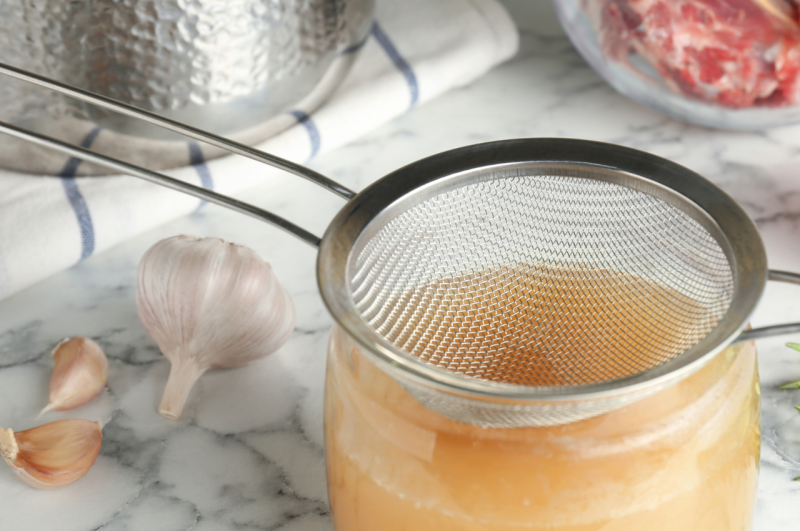
Step 3: Strain
Once the broth has simmered for 24-hours ( you can also let it simmer for 2-3 days), it’s time to separate the bones and meat from the liquid masterpiece. The bones bid farewell to the trash bin, leaving only the nutrient-rich elixir for your dog’s delight. Cooked bones are very bad for dogs so do not be tempted to give them to your dog.
Step 4: Add Additional Flavors and Nutrients
Here comes the fun part – get creative! As the crockpot takes its well-deserved break, add some nutritious extras. Whether it’s frozen kale, leftover green beans, medicinal mushrooms, broccoli, kelp, or herbs.
Step 5: Cool Vibes
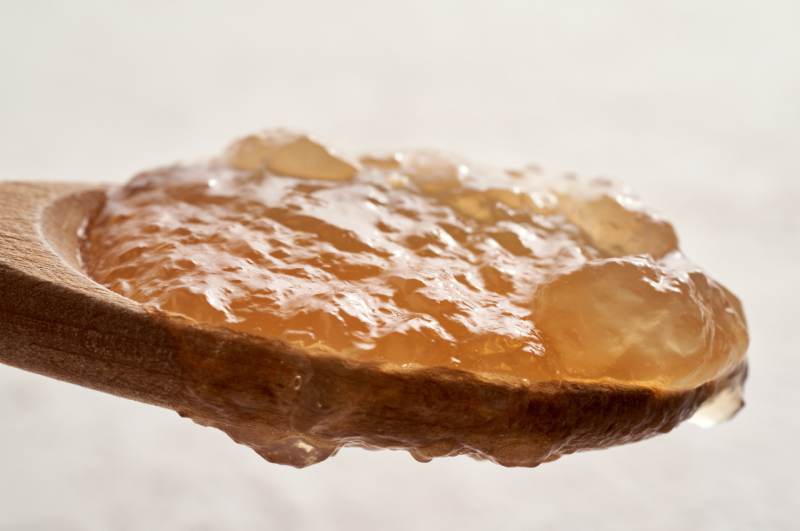
Let the broth cool before storing it. The magic unfolds in the fridge, where, after a few hours, you’ll unveil a layer of fat on top. Simply remove it, and beneath lies the treasure – jelly-like broth, a sign of abundant gelatin.
Step 6: Safe Storing
Storing bone broth properly is essential to maintain its freshness and safety for your dog. Here’s a guide on how to store bone broth:
-
- Cooling: Allow the bone broth to cool to room temperature before storing it.
- Containers: Store bone broth in airtight containers or resealable plastic bags. Make sure the containers are suitable for freezing or refrigerating.
- Portioning: Consider dividing the bone broth into smaller portions before storing. This makes it easier to thaw only what you need.
- Refrigeration: If you plan to use the bone broth within a few days, store it in the refrigerator. It can typically last for 3-4 days in the fridge.
- Freezing: For longer storage, freeze the bone broth. Leave some space at the top of the container or bag to allow for expansion during freezing.
- Labeling: Clearly label each container with the date of preparation. This helps you keep track of freshness.
- Thawing: When ready to use, thaw the frozen bone broth in the refrigerator overnight or use the defrost setting on a microwave. Avoid thawing at room temperature to prevent bacterial growth.
- Checking: Before serving, check the bone broth for any signs of spoilage, such as an off smell or unusual appearance. If in doubt, discard it.
Remember that bone broth, like any perishable food, should be handled and stored with care to ensure its safety and quality for your dog
Step 7: Serve the Goodness
The final and most gratifying step is to present this liquid gold to your dog. Whether spooned over their dinner or enjoyed on its own, bone broth becomes a delectable addition to their culinary repertoire.
How much?
The recommended dose of bone broth to add to your dog’s food can vary based on factors such as their size, health condition, and dietary needs. As a general guideline, you can start with:
- Small dogs (up to 20 lbs): 1 to 2 tablespoons per meal.
- Medium dogs (20-40 lbs): 2 to 4 tablespoons per meal.
- Large dogs (40+ lbs): 4 to 6 tablespoons per meal.
It’s essential to observe your dog’s response and adjust the amount based on their individual preferences and digestive tolerance. Start with small amounts and gradually increase over time. Additionally, consult with your veterinarian for personalized advice, especially if your dog has specific health concerns or dietary requirements. I personally do not feed my dogs bone broth every single day. I add it in rotation to keep my dog’s diet varied, enticing and nutritious.
So, why wait? Dive into the art of crafting bone broth – a simple yet incredibly nutritious treat that speaks volumes of your dedication to your dog’s well-being! ????