
Introduction
Vestibular syndrome in dogs, specifically idiopathic vestibular disease (IVD), is an acute onset of vestibular signs that can be quite dramatic and unexpected. This blog will shed light on the symptoms, diagnostics, treatments, and prognosis associated with this peculiar condition.
What Exactly Is the Vestibular Apparatus?
The vestibular apparatus is a complex system within the inner ear responsible for detecting and interpreting changes in the body’s position and movement in relation to gravity. It consists of the semicircular canals and otolith organs, which sense rotational and linear movements, respectively.
This apparatus is crucial for maintaining balance, coordinating movements, and providing a sense of spatial orientation. It enables us to walk, run, and navigate uneven terrain without falling, as well as helps us understand which way is up or down. Overall, the vestibular apparatus plays a fundamental role in our ability to move, perceive our surroundings, and maintain equilibrium. Therefore, you can imagine that if this apparatus is not working effectively your dog’s world is literally turned upside down.
Symptoms
Vestibular Syndrome manifests with abrupt symptoms such as:
-
- Ataxia (imbalance)
- Rolling (often called “alligator” rolling)
- Falling, slipping
- Head tilt
- Nystagmus (rapid eye movements that are either back and forth, up and down or rotational)
- Generalized weakness
- Circling
- Abnormalities of the facial nerves
It is essential for your veterinarian to determine whether your dog’s symptoms are originating from a central neurologic cause versus a peripheral cause.
Causes of Vestibular Disease
In order to determine prognosis and choose treatment, we must first determine what went wrong with the vestibular apparatus. The first step is to determine whether the lesion is central (in the brain) or peripheral (in the inner ear). Central disease would involve issues within the central parts of the vestibular system, such as the brainstem or cerebellum. This is in contrast to peripheral disease, which involves problems in the outer regions of the vestibular system, like the inner ear and vestibulocochlear nerve.
Differentiating between central and peripheral vestibular disease in dogs involves keen observation of clinical signs.
Peripheral Disease:
-
- Head tilt typically towards the side of the lesion.
- Nystagmus is horizontal or rotational, with the fast phase directed away from the lesion (opposite to head tilt).
- Postural reactions and mentation are normal.
- Cerebellar signs are usually absent.
Central Disease:
-
- Head can tilt to either side.
- Nystagmus can be horizontal, rotational, or vertical, with the fast phase to either side.
- Multiple ipsilateral (same side of the body) cranial nerve deficits may be present.
- Horner syndrome is rare.
- Postural deficits may be present.
- Mentation may be abnormal.
- Dysmetria (difficulty in accurately gauging and executing precise movements) or intention tremors are sometimes noted.
Central Vestibular Syndrome Causes:
Central vestibular disease could be associated with various causes such as:
- Brain tumors: Both primary and metastatic tumors can lead to central vestibular dysfunction (see forebrain lecture for more brain tumor specifics). Common primary tumors include: meningioma, choroid plexus papilloma, lymphoma.
- Inflammatory (Infectious, non-infectious): Many non-infectious inflammatory (e.g., GME, NME) and infectious (rickettsial, protozoal, fungal, viral, bacterial) etiologies can affect the vestibular system. Be aware that canine distemper virus and Rocky Mountain Spotted Fever are probably the most frequent infectious agents responsible for central vestibular signs.
- Metronidazole Toxicity occurs when dogs are exposed to high doses of the medication, typically over 60 mg/kg/day for an extended period, while the exact way it affects the nervous system is not completely understood. In dogs, it often manifests as signs of central vestibular disease, including tremors and stiffness, and seizures can also occur. If a dog experiences metronidazole toxicity, treatment with diazepam can significantly reduce recovery time, with an initial intravenous dose followed by oral treatment for several days.
- A Cerebrovascular Accident (stroke) is a sudden onset of neurological dysfunction caused by issues with blood vessels in the brain. This dysfunction persists for at least 24 hours, and the symptoms may either stay the same or improve over time. Strokes generally occur due to two main processes: ischemic infarction, often linked to various factors like vasculitis, infections, or tumors; and intracranial hemorrhage, which can result from issues like bleeding disorders or trauma.
- Chiari Malformation is a condition where the back part of the skull is unusually small, causing compression of the cerebellum, abnormal cerebrospinal fluid flow, and the development of cavities in the spinal cord. Symptoms include phantom pain or scratching, difficulties with coordination, weakness, and signs related to the vestibular and cerebellar systems. Treatment options include medical approaches to control fluid production and pain, while surgery aims to correct the skull’s size and improve fluid flow, with success seen in around 80% of cases, although some may experience a recurrence of symptoms within a few years. This is common in Cavalier King Charles Spaniels.
- Thiamine Deficiency: Results in energy deprivation to selected areas of the CNS. Lesions predominate in the caudal colliculus, vestibular nuclei, and thalamus in small animals. Signs may be acute onset and include: central vestibular dysfunction, ataxia, ventroflexion of the neck, tremors, pupillary dilation, and obtundation-coma. Diagnosis can be based on classic MRI findings, dietary history, and a measurement of thiamine levels.
Imaging the brain through a CT scan or MRI is essential for a precise diagnosis, typically requiring a veterinary referral.
Peripheral Vestibular Disease (most common) Causes:
- Idiopathic vestibular syndrome: Old Dog Vestibular Disease, also known as Canine Idiopathic Vestibular Disease, is thought to happen due to a problem with the flow of a fluid called endolymph in the ear. Some suspect it might be related to a virus or the immune system. Dogs affected by this are usually older, typically over 10 years old.
- Bacterial Otitis Interna: This results from extension of infection from the nasopharynx or external ear and is common in dogs with allergies. Staphylococcus, Streptococcus, and Pseudomonas are common. Otitis interna is the most common cause of vestibular disease in dogs.
This is a potential cause of vestibular disease, particularly in patients with a history of ear infections. Symptoms such as facial nerve paralysis or Horner’s syndrome, which involves eye changes, may accompany middle ear infections. While debris in the external ear during an otoscopic exam suggests an infection, its absence doesn’t rule it out. - Cholesteatomas are like cysts filled with a substance called keratin, and they show up in the middle ear. In dogs, they often happen because of a long-lasting bacterial infection, though there are cases where dogs are born with them. These cysts cause issues with balance, and interestingly, they can affect more than just one cranial nerve. In some cases, they can press on other nerves near the base of the skull.
- Trauma: Head injuries or trauma impacting the peripheral vestibular system.Over-cleaning of the ears, causing perforated eardrum
- Hypothyroidism: Vestibular signs likely occur due to the buildup of myxomatous material around the internal acoustic meatus, putting pressure on CN VIII (the vestibulocochlear nerve). This condition is often seen in older dogs with a history of ongoing vestibular issues.
- Stress can precipitate vestibular disease if your dog has underlying predisposing factors.
Diagnostic
A minimum database, including a complete blood count, serum biochemistry, 4dx (tick-borne test), Thyroid panel, blood pressure and urinalysis, provides essential insights. Advanced imaging techniques like MRI or CT help exclude structural issues if symptoms are pointing to a central cause.
Rule out Ear Infection:
Otoscopy can suggest this diagnosis, but is not definitive. A cytology of a swab taken from the ear canal is recommended to help rule out an ear infection as the primary cause. If bacteria are noted on the cytology then culture is recommended. Myringotomy (surgical incision of the eardrum, typically performed to relieve pressure or drain fluid from the middle ear) allows vets to obtain a culture of the middle ear. Advanced imaging is required for definitive diagnosis and to understand the extent of disease. Regular cleaning of the external ear in pets with known middle ear infections may actually trigger vestibular symptoms.
Treatment
Idiopathic Vestibular Syndrome Treatment:
Supportive care is essential in managing dogs with idiopathic vestibular syndrome, especially for symptoms like nausea and balance issues. Antiemetic medications can help relieve nausea. Maropitant citrate (Cerenia) or metoclopramide are often prescribed to manage acute symptoms. Many dogs are also sent home with Meclizine (found in over-the-counter options like Bonine®, Antivert®, or Dramamine Less Drowsy®) as a motion-sickness antihistamine. This can help reduce nausea and vertigo, though it may cause drowsiness; typical dosing is 12.5-25 mg once daily. You can opt to manage nausea symptoms naturally at home (see below)
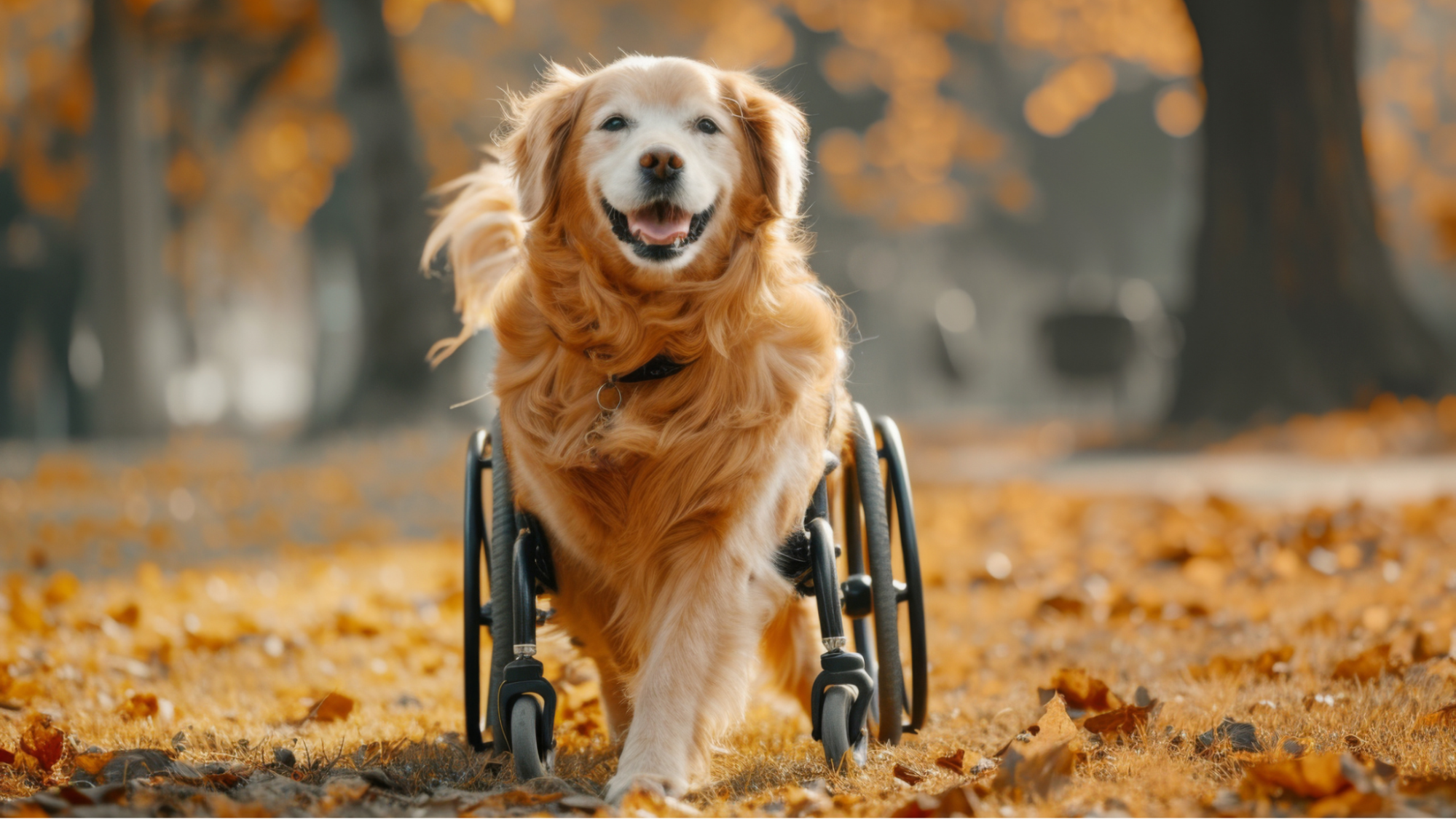
If symptoms are severe, some patients may need 12-24 hours in a veterinary hospital for IV fluids and medications before they’re stable enough for home care. For home nursing, ensure they’re comfortable, especially if ambulation is challenging. Proper nursing care includes guarding against issues like urine scald or bed sores. A harness from handicappedpets.com can assist with mobility, and non-slip surfaces, such as runners or sticky paw pads, can help dogs navigate floors more confidently.
Encouraging gentle, supported movement throughout the day can aid recovery, but handle them slowly and with ample support to foster a sense of stability. Minimize stress by maintaining a calm, quiet environment, and keep the area well-lit as dark spaces may exacerbate disorientation.
Keeping your dog safe from potential injuries is also crucial. Block access to hazards like stairs, tall furniture, slippery floors, and open water sources (e.g., pools or ponds).
Managing Nausea Naturally:
- Ginger: Known for its anti-nausea properties, ginger can be helpful for dogs with vestibular syndrome or motion sickness. You can give fresh ginger in very small amounts, add a ginger powder to their food, create a ginger tea or tincture.
- Peppermint: Peppermint has calming effects on the stomach and can relieve nausea and vomiting. Using a pet-safe peppermint oil diluted in a diffuser (never applied directly) or offering a tiny amount of peppermint tea can provide relief. Check with your vet first, as peppermint may not be suitable for all dogs, especially those with GERD.
- Slippery Elm: This herb is known for its ability to coat and soothe the gastrointestinal tract. Slippery elm can be given as a powder mixed with water or in capsule form.
- Chamomile: Chamomile tea can settle an upset stomach and reduce nausea. Let the tea cool completely and offer small sips or add it to their food.

You can give 50:50 with chamomile.
- CBD: These two products can help your dog through this condition
Specific treatment for middle ear infections: this involves addressing the infection with oral antibiotics (based on culture and sensitivity results) for an extended period (6-8 weeks), and in severe cases, surgical drainage of the ear may be required. Bulla osteotomy may be needed if significant soft tissue material is present in the bulla.
A Healing Diet- Nourish your dog’s gut biome to aid in their healing process by prioritizing their gut health. Opt for a whole food, species-appropriate diet instead of highly processed kibble. A bland diet of gently cooked turkey or cod with canned organic pumpkin is a good choice to feed during the initial stages. Explore my blogs on homemade diets and supporting your dog’s gut through probiotics for additional insights in order to help your dog heal.
Acupuncture for Vestibular Syndrome in Dogs
Acupuncture is a traditional Chinese medicine technique that involves inserting thin needles into specific points on the body to stimulate nerve pathways, blood circulation, and the release of natural pain-relief chemicals. In dogs with vestibular syndrome, acupuncture can:
- Promote Neurorecovery: Acupuncture can stimulate neural pathways, helping the brain and nervous system adjust to changes caused by vestibular dysfunction. This stimulation can reduce dizziness, vertigo, and imbalance by facilitating more accurate communication between the nervous system and the rest of the body.
- Reduce Nausea: Acupuncture has anti-nausea effects by activating specific points that reduce stomach discomfort and suppress nausea, which can be severe in vestibular syndrome cases.
- Alleviate Inflammation: It can help reduce inflammation around the affected nerves and tissues, which may relieve pressure or discomfort associated with the syndrome, speeding up the recovery process.
Physical Therapy for Vestibular Syndrome in Dogs
Physical therapy is another effective treatment for vestibular syndrome, focusing on muscle strengthening, balance improvement, and mobility restoration. This would be recommended after any initial severe symptoms have subsided and your dogs is ambulating. Physical therapy for vestibular syndrome in dogs typically includes:
- Balance and Coordination Exercises: Exercises such as walking on uneven surfaces, gentle wobble boards, or balance discs can help retrain the brain and body to compensate for lost balance and coordination, gradually improving stability.
- Strengthening Exercises: Weakness can result from prolonged inactivity or muscle atrophy due to dizziness. Simple strengthening exercises like supported walking or gentle resistance training help maintain or rebuild muscle strength, improving the dog’s overall stability and movement control.
- Gentle Massage: Massage therapy can also be included to release muscle tension, particularly if the dog has been compensating for balance issues by favoring certain muscles or shifting weight.
- Gait Retraining: For dogs struggling with limb coordination, physical therapy can involve gait retraining exercises, helping them relearn smooth and coordinated steps, reducing the risk of falls.
Surgery would be required for treating cholesteatomas, Chiari Malformation or operable brain tumors. All are rare causes of vestibular syndrome in dogs.
Hypothyroidism or thiamine deficiency would be treated with oral supplementation.
Prognosis
The prognosis for vestibular syndrome depends on the cause and whether it is a central or peripheral problem. Central diagnosis comes with a less favorable outcome because it often means there is a brain tumor or other brain lesion involved. Thankfully, central vestibular is much less common than peripheral vestibular disease.
Idiopathic (geriatric) vestibular syndrome outcome is generally favorable. Dogs typically show improvement within days and recover over 2-3 weeks. Although head tilt may persist and it may recur in some cases (approx 17%). Regular monitoring through neurological and physical examinations ensures a comprehensive understanding of the dog’s progress.
Conclusion
Dog guardians will often be very distressed by the dramatic symptoms of this condition and feel that they may have to euthanize their old dog in order to relieve suffering. This is usually not the case. Symptoms can often be managed and many of these dogs get better with time and supportive care.
Therefore, despite the disturbing initial symptoms, recovery is possible with time and care. Armed with knowledge, attentive care, and a supportive environment, dogs affected by vestibular symptoms often return to a normal lifestyle. If a central lesion is found then your veterinarian will have to guide you through the next steps.