
Zane and Peter Parker get bone broth in their bowls a few times a week, not every day. I rotate it in to keep their diet varied and to make sure they’re getting enough moisture, something most dogs are quietly missing without anyone noticing.
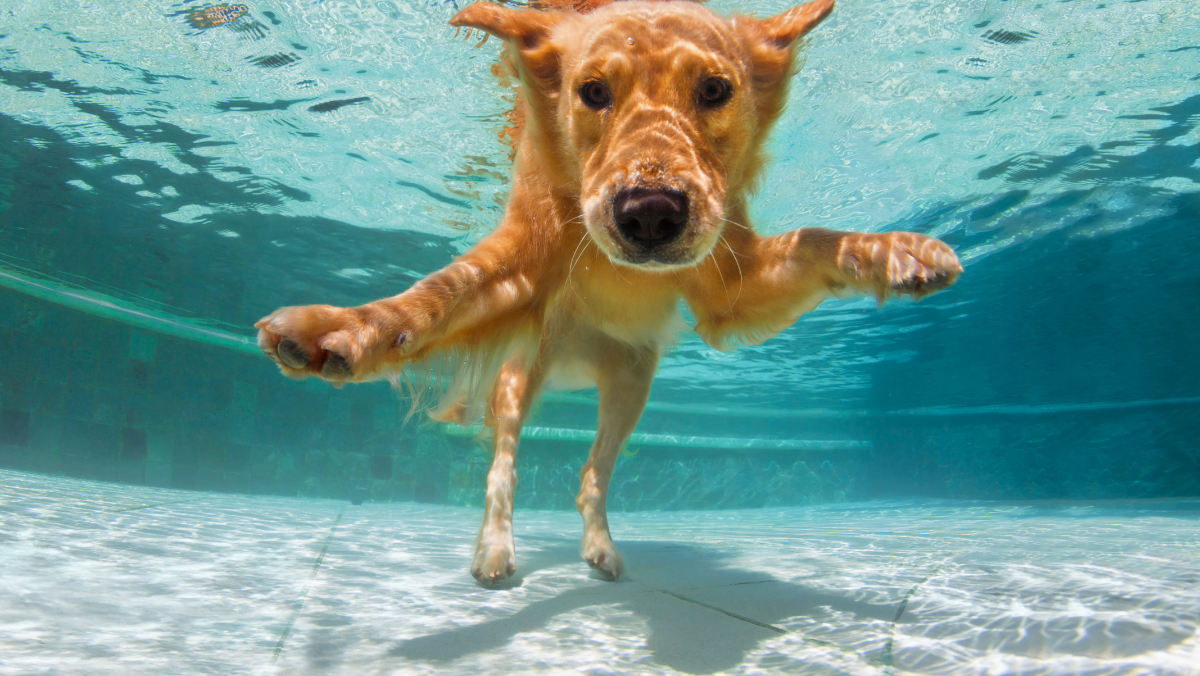
Dogs are built to eat a high-moisture diet, somewhere around 70% water. Most dry kibble sits at 10 to 12%. That gap adds up. Chronic dehydration puts ongoing stress on the kidneys and endocrine system, and it shows up in the coat too: dry, flaky skin and a dull coat are often the first visible sign.
Bone broth is a simple way to close that gap, and it does far more than just add water.
What it actually does for your dog:
- Joint Health Support: Bone broth contains glucosamine and chondroitin, which are beneficial for maintaining healthy joints in dogs, especially in aging or active individuals.
- Digestive Health: The gelatin in bone broth supports a healthy digestive system by aiding in the repair and maintenance of the gut lining. This can be particularly helpful for dogs with digestive issues.
- Nutrient Boost: Bone broth is rich in various nutrients like minerals (calcium, magnesium, phosphorus), amino acids, and collagen, contributing to overall nutritional balance in a dog’s diet.
- Hydration: The liquid content of bone broth can contribute to a dog’s hydration, especially useful for dogs that may not drink enough water or during periods of illness.
- Appetite Stimulant: The appealing aroma and taste of bone broth can entice picky eaters, making it a useful tool to encourage dogs to eat and enjoy their meals.
How to make it:
1. Load the pot.
Fill a crockpot with bones. Joint-rich bones like chicken feet add extra gelatin. A clove of garlic is fine to include, for flavor and a mild health benefit. No crockpot? A stovetop pot works too, just let it simmer low and slow overnight.
2. Cover and add acid.
Submerge the bones fully, with a couple of extra inches of water on top. Add 4 tablespoons of raw apple cider vinegar or lemon juice. This pulls the minerals out of the bone and is what gives the broth its gelatinous texture.
3. Simmer, then strain.
Let it simmer for 24 hours, or up to 2 to 3 days if you want it even richer. Strain out the bones and meat, keep the liquid. Throw the cooked bones away, don’t give them to your dog. Cooked bones splinter and are genuinely dangerous, not a “just this once” exception.
4. Add extras, if you want.
Frozen kale, leftover green beans, broccoli, kelp, or herbs can go in here. Optional, not necessary.
5. Cool it.
Let the broth cool before storing. In the fridge, a layer of fat will rise to the top after a few hours. Skim it off. Underneath, you’re looking for a jelly-like texture, that’s the gelatin doing its job.
6. Store it properly.
- Cool to room temperature before storing.
- Use airtight, freezer-safe containers, portioned into amounts you’ll actually use.
- In the fridge: good for 3 to 4 days.
- In the freezer: leave room for expansion, and label with the date.
- Thaw in the fridge overnight, not on the counter.
- If it smells off or looks wrong when you go to use it, don’t risk it.
How much to feed:
The recommended dose of bone broth to add to your dog’s food can vary based on factors such as their size, health condition, and dietary needs. As a general guideline, you can start with:
- Small dogs (up to 20 lbs): 1 to 2 tablespoons per meal.
- Medium dogs (20-40 lbs): 2 to 4 tablespoons per meal.
- Large dogs (40+ lbs): 4 to 6 tablespoons per meal.
Start small and watch how your dog does with it. If your dog has specific health concerns, talk to your vet before adding anything new. I don’t feed bone broth every day, I rotate it in, the same as I’d rotate in any good thing: consistently, not constantly.