
It might sound surprising, but one of the simplest ways to promote your dog’s health is to let them get dirty! Exposure to soil plays a significant role in building a healthy microbiome, which impacts everything from digestion to immunity and longevity. In fact, many of the oldest dogs on record were outdoor dogs, spending most of their lives connected to nature. Let’s explore how soil exposure benefits your dog and why outdoor time is essential for their long-term health.
What is the Microbiome and Why Does it Matter?
The microbiome refers to the collection of beneficial bacteria, fungi, and microorganisms that live inside your dog’s body—especially in their gut. These tiny organisms work in harmony to regulate digestion, support immune function, and even impact your dog’s mood and behavior. A balanced microbiome can prevent chronic diseases, reduce inflammation, and contribute to your dog’s longevity.
However, a dog’s microbiome isn’t static—it’s shaped by what they eat, the environment they live in, and the bacteria they encounter. Exposure to natural environments, especially soil, plays a key role in developing and maintaining a healthy microbiome.
The Benefits of Soil Exposure for Your Dog’s Microbiome
1. Diverse Bacteria for a Stronger Gut
Soil contains millions of beneficial bacteria and fungi that dogs ingest through sniffing, licking, and rolling around. This bacterial diversity helps populate your dog’s gut with healthy microbes, which are essential for digestion and nutrient absorption.
2. Boosts Immune System Function
A robust microbiome helps regulate immune function by preventing harmful bacteria from taking over and reducing inflammation. Dogs with well-balanced microbiomes are less likely to develop allergies, infections, and autoimmune diseases. A human study published in the Journal of Allergy and Clinical Immunology found that exposure to soil microbes can shift the gut microbial composition toward a Bacteroidetes-dominant profile, which is associated with anti-inflammatory effects and improved immune responses.
Additionally, research highlighted in The Scientist discusses how exposure to diverse soil bacteria can lead to changes in the gut microbiome, supporting immune tolerance and potentially reducing the risk of autoimmune diseases.
These findings suggest that regular interaction with soil and natural environments can be beneficial for gut health and immune system function.
3. Reduced Risk of Chronic Diseases
Chronic illnesses like Immune-mediated diseases, diabetes, obesity, and cancer have been linked to poor gut health. Exposing your dog to soil and natural environments helps maintain a healthy microbiome, which in turn lowers the risk of developing these diseases.
4. Longevity and Quality of Life
Some of the longest-living dogs in history spent much of their lives outdoors. Dogs like Bluey, an Australian cattle dog who lived to be 29, thrived with daily exposure to natural environments. Outdoor dogs often benefit from the combination of physical activity, soil exposure, and mental stimulation—all of which promote longevity. In this review of soil microbiome and gut health in humans it was stated, “the potential health benefits of soil microorganisms include gut homeostasis, immunological resilience, prevention of allergies and autoimmune diseases, as well as benefits for mental well-being.”
How to Provide Safe Soil Exposure for Your Dog
While outdoor time is beneficial, it’s important to take a few precautions to keep your dog safe:
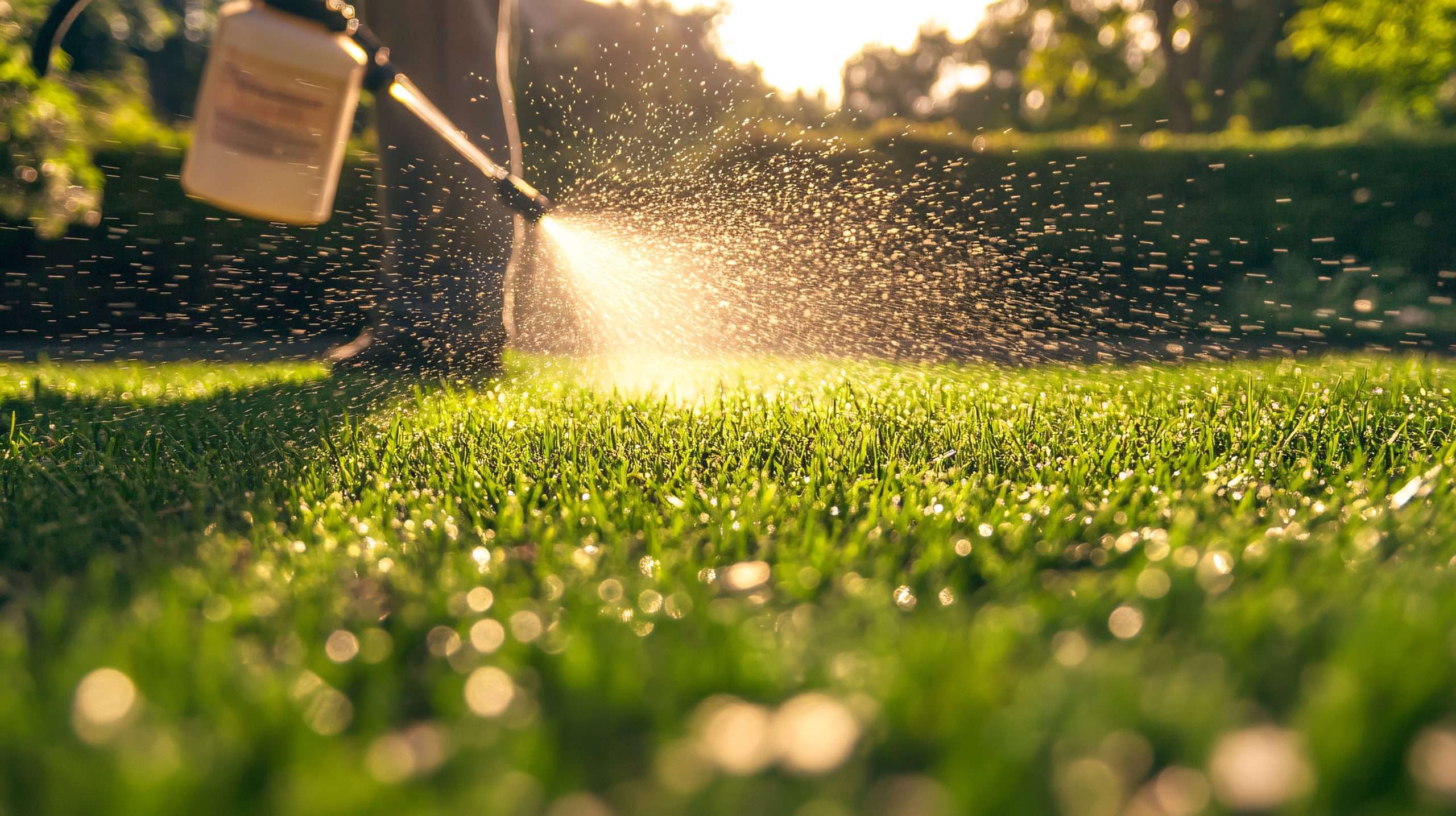
- Avoid Pesticide-Treated Areas: Choose natural environments that aren’t treated with harmful chemicals, as these can disrupt your dog’s microbiome and pose health risks.
- Start Small with Puppies: If you have a puppy, gradually introduce them to outdoor spaces to build their immune system safely.
- Let Them Sniff and Explore: Dogs interact with the world through their nose and mouth, so allow them to sniff around freely in safe areas.
The Connection Between Nature and Mental Well-Being
In addition to physical health benefits, spending time outdoors helps reduce stress and anxiety in dogs. Outdoor play stimulates your dog’s brain, releases feel-good chemicals like serotonin, and helps regulate behavior. Just as humans feel calmer and more grounded after spending time in nature, dogs benefit mentally from connecting with the natural world.
Conclusion: Let Them Get Dirty!
Allowing your dog to interact with soil isn’t just about letting them enjoy a little fun—it’s an important step toward promoting health, happiness, and longevity. A diverse microbiome supported by natural exposure to soil can boost your dog’s immune system, improve digestion, and reduce the risk of chronic diseases. And, as history shows, dogs that spend more time outdoors tend to live longer, healthier lives.
So, the next time your dog rolls in the dirt or insists on sniffing every corner of the park, take a deep breath and let them. Their health—and yours—will be better for it.
Registration for The Dog Mom Society is open!
In our community you’ll gain clarity on all things canine nutrition and holistic wellness.
Together, we’ll navigate this journey to enhance your dog’s health, happiness, and well-being.
And you’ll gain the confidence that you’re doing right by your dog every step of the way!
One Comment
Comments are closed.












Love this! My German Shepherd of many years ago loved to eat dirt. He lived to be 17 years old!!!!