
This may be one of the most complained about behaviors concerning our dogs.
Why do they do it…
- To alert you to potential danger.
- To Tell you he/she wants to play, eat, drink, or relieve himself.
- Because he/she is lonely.
- He/she is fearful.
- To use it as a form of greeting.
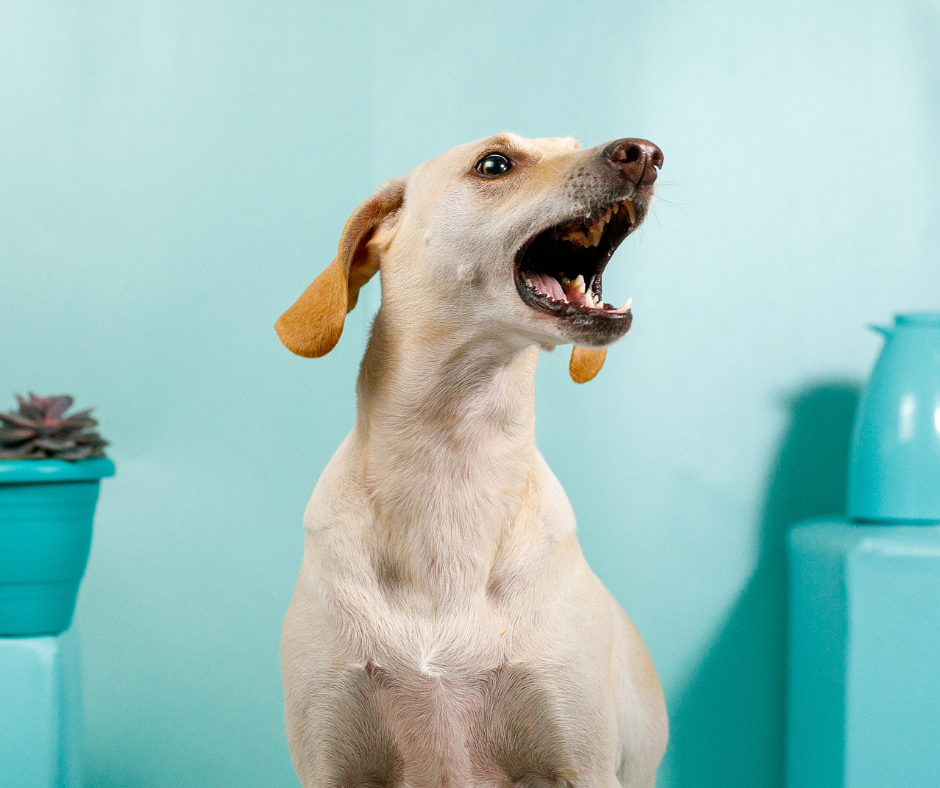
Always consider the why, acknowledge the cause, and change the pup’s state through commands, movement, and/or sound.

The why…
It makes sense for puppies to cry when they are left alone in a crate. They are pack animals who have been separated from their mom and siblings.
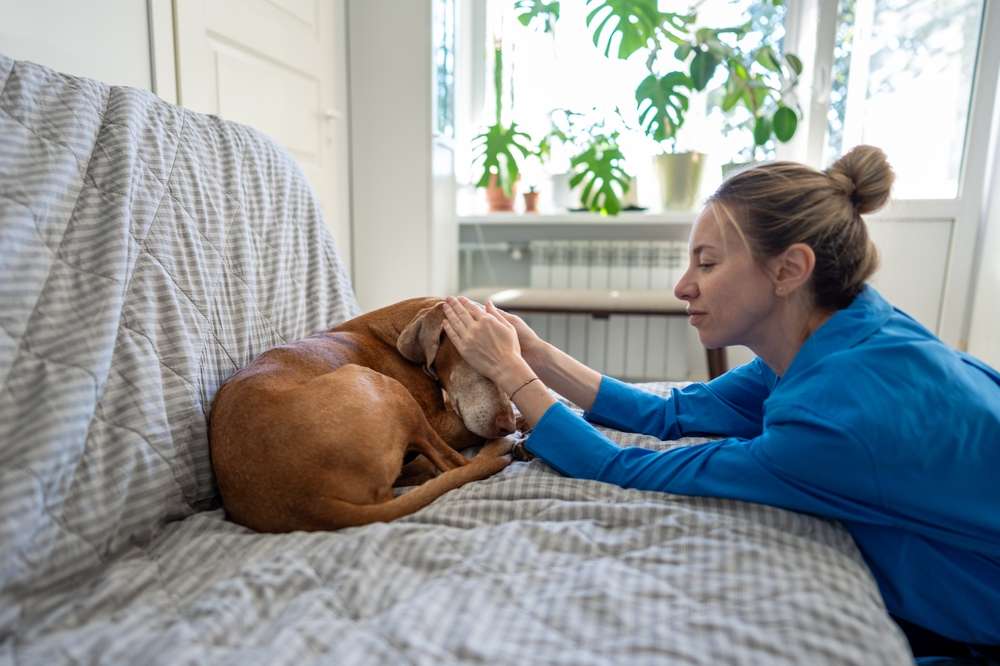
If the puppy is lonely, take steps to address the loneliness rather than reprimand him.
Steps might consist of a heartbeat toy in his crate at night, soft music, placing the crate near your bed, covering the crate, or simply offering comfort through touch or sound.
Alarm Barking
This happens when your dog is trying to bring your attention to what he views as a danger.
This could be a stranger at the front door, a snake in the backyard, or a dangerous leaf falling from the front yard tree…
How To Curb the Alarm Barking
The best way to prevent barking from becoming a problem is to have a plan for how to handle it.
The goal is to clearly communicate to your pup when and where barking is not accepted.
If the pup is alerting you that someone is at the door:
Avoid yelling “Quiet!” when your dog is barking, he’ll think you’re just joining in.
Acknowledge the dog’s alarm, get up and look at what he wants to bring your attention to, and then calmly let him know it’s ok and there is no longer a need for him to continue.
Manage the energy rather than escalate it by using a loud voice or exaggerated body language.


Teach a cue that means “that first bark or two was enough.” Use a simple phrase like “Enough” or “Thank You.”
Start by presenting a stimulus that elicits barking (knocking on the door for example), then taking it away (stop knocking on the door). As the noise stops, go all the way to your dog, say “Thank You,” and use a yummy treat to lure her away from the stimulus. Once she’s stopped barking and taken a few steps away from the door, treat her immediately. Be sure to only give it once she stopped barking so you don’t reinforce the barking.
• Something caused him to bark.
• You said, “Thank You” or “Enough”.
• He stopped barking.
• He got reinforced with a tasty piece of food
Barking – teach “spot”
Here is the sequence:
- Something caused him to bark.
- You said “Thank You” or “Enough” or “Spot”
- Change his state by gently removing or guiding him away from the window or door where he sees the visitor.
- He stopped barking.
- He got reinforced with a tasty piece of food. Be sure he gets the treat before he starts barking again, otherwise, you’ll reinforce the barking.
If he’s barking because he wants to play, eat, drink, or relieve himself.
Fulfill the need he is asking for.
However, be careful with the play demand. Your dog could learn that if their bark results in play then they may take advantage. Your dog could end up training you. Do your best to ignore him until he is quiet.
Turn your head away or turn your back on him if he is demanding. You could even leave the room until he quiets down. As soon as he is quiet, ask him to do something for you (sit or down, for example), then give him the attention he wants.
Fear Barking
Even very friendly puppies can go through a period in their lives when they become frightened or cautious around things that had no effect on them when they were younger.
There seems to be a “fear period” experienced by many dogs, usually around six to nine months of age. The first sign is usually your puppy backing away from a visitor, perhaps remaining silent but stiff, or starting to bark at strangers.
This is a sign that your puppy is becoming afraid of unfamiliar people, and his fear of strangers can turn into aggression when he grows up. If you see your puppy begin to act fearfully, take steps to condition your dog to associate strangers with good things.
Approaching Visitors
If you have a slightly fearful dog do not hesitate to start linking the approach of a visitor with something good.
If you see signs of fear or discomfort in your pup, have visitors toss treats while still five feet away. Be sure not to force any interactions.
Teach your pup that the approach of strangers means great things are about to happen.
Visitors might toss a ball as they approach or enter the yard throwing high-value treats. Ask your friends to stop by and give your pup tasty treats to reinforce that strangers can mean good things.
Take your pup to towns and parks and walk around strangers without forcing any interactions. Treat your pup when he walks by strangers without backing up, growling, or barking. Practice focus work when in busy settings to elevate his confidence in these situations.
Barking Habits
If you have a dog who has a habit or ritual of barking like crazy around specific situations such as the kids leaving for school, the neighbor walking at the same time every day, visitors arriving, etc. break this habit by changing the routine. For example, if your dog goes nuts when the kids leave for school don’t allow your dog near the front door during this time. Withdraw him from the situation and make it his meal time to keep him distracted.
Figure out how you can change the routine in a way that makes your dog comfortable and distracted while breaking the annoying habit. This makes it easier and less stressful for you as well.
Let’s Sum It Up
Let’s face it, dog barking is annoying. We can pretend incessant barking doesn’t bother us but we’d be lying. The key is to understand why our dogs do it and to then use the reason to create a pattern around it that works for both you and your dog.
Dogs bark… they are supposed to. Especially if you have a toy breed dog who wants to be a rottweiler or a working dog who has been bred to protect. The key is to teach your dog how he can alert you in a way that is controlled and appropriate.
And don’t beat yourself up if you yell, “Shut up” once in a while. We all do. Just remember that it’s not going to be effective and come up with a better way to handle it.