
Diarrhea is a common issue that many dog guardians face at some point. While it can be concerning, being prepared and informed can make all the difference. In this blog, we’ll delve into the causes of canine diarrhea, offer effective home remedies to manage it, and help you recognize signs that indicate when it might be more than just a passing discomfort. Your loyal companion’s well-being is our priority, so let’s navigate this together.
The Most Common Causes of Diarrhea In Dogs
 Diarrhea is one of the most common presenting symptoms of enterocolitis. Enterocolitis is rapid onset of inflammation of the small and/or large intestines.
The number one cause of dog enterocolitis is called dietary indiscretion. This may happen due to a change in diet, your dog eating something he’s not used to, eating something spicy or fatty or eating a diet that he/she is allergic or sensitive to.
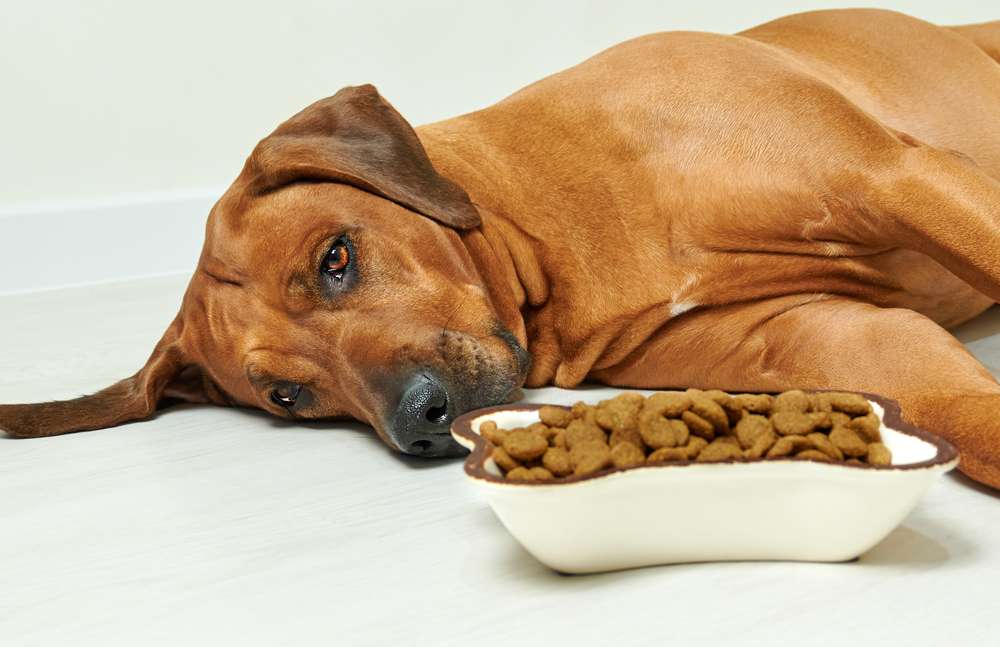
Dogs eating only highly processed, dry kibble are more likely to develop diarrhea for a few reasons. One being that their gut is not used to variety, so any slight change in diet brings on symptoms. Another reason is that dry, processed kibble does not support a varied, healthy intestinal flora. This leaves these dogs less able to deal with any changes in their gut.
Feeding a diverse, flexible whole food, diet is the best way to build a healthy gut in your dog.
Garbage Gut
This can be something your dog got into while counter surfing or raiding the trash can. This also includes ingestion of plants, toxins, foreign objects, and table scraps. These can cause inflammation of the gut lining and result in diarrhea.
Viral Or Bacterial Infections
This can happen due to a weakened immune system. About 90% of your dog’s immune system is found in the gut. So if beneficial bacteria is low, problem bacteria or a virus can take over and cause problems.
One common viral disease in dogs that causes diarrhea, especially in puppies, is parvovirus. Other viral causes include coronavirus and distemper virus. If you have a puppy with diarrhea, it’s better to be safe and have your vet check him/her out.
A bacterial infection can develop from food poisoning caused by contaminated food or weakened immune system. It can also develop from a weakened immune system. Types of intestinal bacterial infections include Salmonella, Campylobacter, Clostridium and E.coli.
Parasites
Puppies are usually more prone to get parasites, but it can happen to any dog. Parasites include worms like roundworms, hookworms, whipworms, and tapeworms. Protozoal infections such as giardia and coccidia can cause severe, chronic diarrhea.
Stress Colitis
This is a common cause of diarrhea, especially when your dog is boarded or is away from you for a prolonged period of time. Other changes such as moving, dramatic change in routine, hospitalization, travel, construction in the house, new baby, separation anxiety or additional of a household pet can all be potential causes for stress colitis.
Inflammatory Diseases
If your dog has colitis or inflammatory bowel disease (IBD), it can cause chronic diarrhea. This is an immune disorder that can be compounded by bacterial overgrowth and food allergies.
Other Disorders
Pancreatitis (inflammation of the pancreas), kidney disease, Addison’s disease, and liver disease can all cause acute or chronic diarrhea.
Intestinal neoplasia and exocrine pancreatic insufficiency are also causes of chronic diarrhea, and are often accompanied by weight loss.
Medications
Drugs, especially antibiotics, can cause diarrhea. Antibiotics kill good bacteria along with the bad bacteria. Non-steroidal anti-inflammatories are a common cause of diarrhea and should be stopped immediately if gastrointestinal symptoms develop.
Do I need a vet visit?
Take your dog to your vet if he/she has 1 or 2 of these additional symptoms:
- Loss of appetite or no interest in food
- Not drinking, or he appears dehydrated (tacky gums, drawn appearance, decreased urination, decreased skin turgor)
- Abdominal pain
- Blood in the stool (dark, blackish or bright red blood)
- Vomiting
- Failure to urinate or reduced urination
- Lethargy or weakness
- A puppy, young or very small dog
- Older or senior dogs
- A dog with chronic health issues like diabetes, Cushing’s or cancer
- The diarrhea does not improve after 48 hours of home remedies
Acute diarrhea
- Fecal with giardia test. Bring a sample of the stool to the vet for analysis.
- Bloodwork to rule out a metabolic cause
- Radiographs if vomiting +/- abdominal pain is present
Chronic diarrhea may require a more extensive workup including:
- Radiographs
- Abdominal ultrasound
- Diarrhea panel including B12, folate, TLI
- Have your dog’s microbiome tested by sending a sample to animalbiome.com
- Endoscopy with biopsy- I do not recommend this unless neoplasia is suspected and chemotherapy is a consideration.
Treatment

Home treatment: This is only appropriate for mild diarrhea secondary to dietary indiscretion or mild stress colitis.
- Be sure your dog has access to fresh, filtered water so that he/she does not become dehydrated. Offer small amounts often to prevent drinking too much/too fast which could lead to vomiting.
- Fasting for 6 hours is recommended for severe diarrhea to allow the intestinal tract to rest and give the gut time to heal.
- It is not recommended to fast a puppy, a very small dog or an elderly dog.
- My Diarrhea Quick-Fix Recipe:
- For the first 1-2 meals feed a COOKED SWEET POTATO (¼ of large potato for dogs under 20lbs, ½ for dogs 20-40lbs, whole potato for dogs above 40lbs or organic plain canned PUMPKIN (not pumpkin pie filling) 1/8-1/4 can per 20 lbs body weight.
- Add plain PSYLLIUM HUSK (Breeds up to 20 pounds -one teaspoon twice daily, medium dog breeds up to 20-40 pounds -two teaspoons twice daily, and large dogs breed above 40 pounds 1 tablespoon twice a day). Mix with warm water. This dose can be increased or decreased based on severity of the diarrhea and response to treatment.
- Next 2-3 meals add in a bland, cooked meat such as lean ground turkey.
- Once the stools become formed, you can slowly switch back over to the maintenance diet over the next 3–4 meals. Keep adding psyllium husk to each meal until the stools have been formed for 3 days in a row.
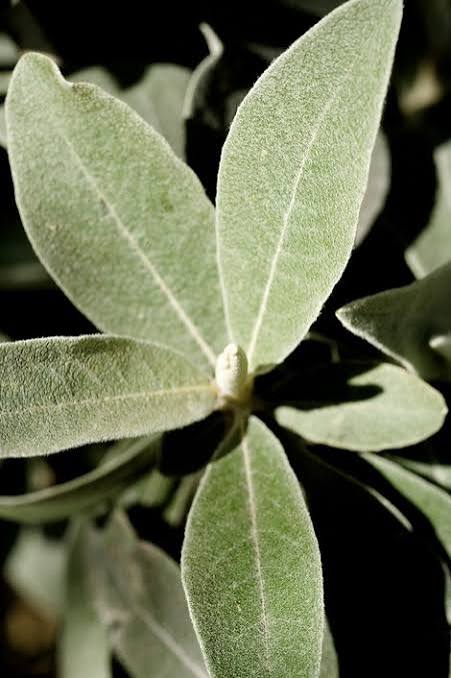
Slippery Elm
Slippery elm is a tree native to the central and eastern United States and Ontario, Canada. The bark generates a sticky material known as mucilage, which is therapeutic and soothing. It’s safe and gentle on your dog’s inflamed digestive tract. Give slippery elm with food. Give ¼ tsp powder for every 10 lbs body weight.
Probiotics
A soil-based probiotic with multiple species will help re-establish the gut flora. Raw goat’s milk is great way to provide probiotics for your dog. The probiotics prescribed by vet offices are often poor quality and lack high numbers of diverse species of bacteria. Prebiotics are non-digestible fibers that promote the growth and activity of beneficial bacteria in the gastrointestinal tract. They provide a favorable environment for probiotics to thrive. Here are four common types of prebiotics used for managing dog diarrhea: Inulin, FOS (Fructooligosaccharides), MOS (Mannan Oligosaccharides), Pectin. Natural prebiotic options are mushrooms, garlic, chicory root, burdock root and dandelion greens.
Metronidazole
This medication is frequently prescribed by veterinarians, however, recent studies have shown that its deleterious effects on the gut flora do not recover until weeks after administration. I do not recommend the use of Metronidazole for diarrhea.
Supportive Care
If your dog has severe diarrhea, a vet visit for fluid therapy may become necessary. This is most critical for small breeds dogs. The fluids may be administered as an injection subcutaneously or, if your dog is severely dehydrated, hospitalization for IV fluids may be necessary. You can check your dog for dehydration by placing your finger on the gums. There should be a film of saliva between your finger and the gums. If the gums are tacky then your dog is dehydrated.
Summary
Canine diarrhea has many potential underlying causes. Feeding your dog a species-appropriate, whole food diet and rotating the protein to support healthy gut flora will help prevent diarrhea. Add a daily pre and probiotic and avoid overuse of medications. Catch symptoms early so that you can start home remedies and know when to have your dog checked by a veterinarian. Chronic diarrhea requires further testing such as bloodwork, microbiome testing at animalbiome.com, etc.
By understanding the causes, employing effective home remedies, and knowing when to seek professional help, you can confidently navigate the challenges of your dog’s diarrhea and ensure their well-being. And hopefully less messes to clean up for you…