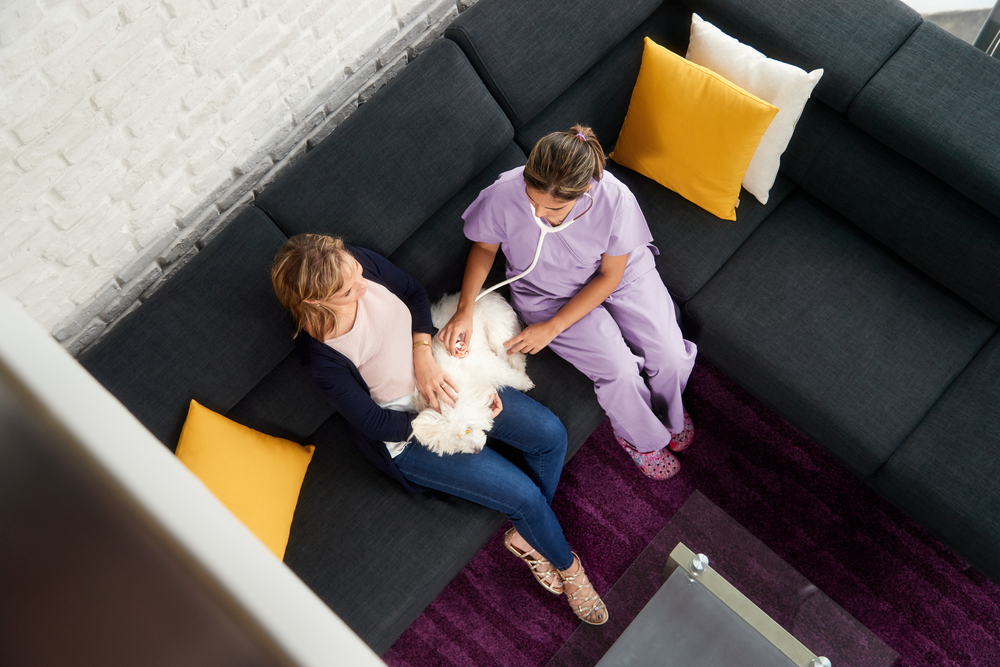

Witnessing signs that our dogs are getting older is difficult for all of us dog guardians. It can feel upsetting and even frightening to realize your beloved companion may be entering a new stage of life. As a veterinarian who provides in home end of life care, I can share something many guardians do not realize. Loss of mobility is one of the most common reasons I am called to help a family say goodbye.
The hopeful truth is that early joint support and early recognition of arthritis open the door to many meaningful ways to protect comfort, preserve mobility, and support a full, high quality life well into the golden years.
In this blog, my hope is to help you recognize these changes early and begin supporting joint health even before obvious symptoms appear, so you can decrease the chances that mobility ever becomes the reason you have to let your dog go. Please know that you do not need to implement every recommendation shared here. Even three or four thoughtful changes can make a meaningful difference in your dog’s comfort, confidence, and mobility.
Early Signs of Arthritis
Arthritic pain doesn’t always look like limping. Common early signs include:
-
Slipping or walking cautiously on hardwood or tile floors
-
Playing less or disengaging from favorite activities
-
Walking more slowly or stopping to rest on walks
-
Exercise intolerance or fatigue after minimal activity
-
Decreased appetite
-
Irritability, especially when touched or handled
-
Taking longer to rise from lying or sitting
-
Intermittent lameness
-
Stiff or shortened gait
-
Difficulty navigating stairs
-
Sleeping more and moving less overall
If you notice even a few of these changes, it’s worth paying attention.
Management: A Whole-Body Approach
Nutrition Comes First
A whole food, fresh diet is one of the most powerful things you can do to support your aging dog’s health and longevity.
For many dogs, a thoughtfully balanced raw diet is an excellent option. This can be prepared at home using trusted recipes or chosen as a complete, commercially prepared raw diet. Gently cooked diets are also a wonderful choice, especially for dogs with sensitive digestion. Additional high-quality options include freeze-dried, air-dried, or human-grade dehydrated foods. What truly matters is minimizing ultra-processed kibble and treats, which can contribute to inflammation and accelerate age-related decline.
Some brands I consistently recommend include Evermore, AllProvide, Raised Right, Goodness Gracious, Steve’s Real Food, Dr. Harvey’s Raw Vibrance and Paradigm, Green Juju, and OC Raw. If you prefer to cook at home, I walk you through the process step-by-step in my blog Cooking Up Wellness.
Equally important is maintaining your dog at an ideal body weight. Healthy weight plays a major role in protecting joints, preserving mobility, and extending quality of life. Sadly, I often see dogs lose years they could have otherwise enjoyed due to obesity-related immobility—something that is entirely preventable. An ideal weight looks like a visible waist or hourglass shape, with ribs and hips easily felt just beneath the skin but not protruding. When we nourish wisely and manage weight proactively, we give our dogs the best chance to stay comfortable, active, and walking by our side for as long as possible.
Targeted Joint Support
Supplements:
When choosing a supplement product, choose products from companies that use transparent sourcing, third-party testing, clearly labeled active ingredients, and veterinary-level quality standards rather than vague proprietary blends.
Omega-3 Fatty Acids
 Omega-3 fatty acids play a powerful role in reducing inflammation, supporting joint integrity, and easing arthritis-related discomfort. EPA and DHA help modulate the body’s inflammatory response, protect cartilage, and support mobility, making them an essential part of any arthritis support plan. Beyond joint support, omega-3s also benefit the brain, skin, kidneys, and cardiovascular system, which is especially important for aging dogs.
Sources of omega 3s include:
- Green-lipped mussels
- Krill oil, salmon oil, anchovy oil
- Sardines packed in water (no salt)
- Eggs (pasture-raised, lightly cooked or raw if tolerated)
Non-fish sources of omega-3s:
- Hemp seeds or hemp oil – provide alpha-linolenic acid (ALA) with added anti-inflammatory phytonutrients
- Chia seeds (ground or soaked) – rich in plant-based omega-3s and supportive fiber
- Flaxseed oil or freshly ground flaxseed – concentrated in ALA, best used in small amounts and freshly prepared
These plant-based sources can complement marine omega-3s, though they are best used as supportive additions rather than sole sources since conversion to EPA and DHA is limited in dogs.
Green-lipped mussels are one of my favorite sources particularly because they provide not only highly concentrated omega-3s but also natural chondroitin sulfate and other joint-supportive compounds. When using a liquid omega-3 supplement, always choose a product with an airtight pump or single-dose packaging to prevent oxidation, as rancid oils can promote inflammation rather than reduce it.
Glucosamine & Chondroitin
Glucosamine and chondroitin are foundational supplements for joint health, helping support cartilage integrity, reduce inflammation, and slow the progression of osteoarthritis. They work by nourishing joint tissue and inhibiting enzymes that contribute to cartilage breakdown, which can improve mobility and comfort over time. For dogs with more advanced arthritis or those who struggle to absorb oral supplements, Adequan—an injectable, highly bioavailable form of glucosamine—can be especially beneficial. Adequan helps protect existing cartilage, reduce joint inflammation, and may improve joint lubrication, making it a valuable option in more significant cases. Natural sources of glucosamine include green-lipped mussels, shellfish (such as shrimp shells), bone broth made from cartilage-rich bones, trachea or other connective tissues, and eggshell membrane.
Boswellia
Boswellia, an herbal extract derived from the resin of the Boswellia serrata tree, is a powerful natural anti-inflammatory that can be especially helpful for dogs with arthritis. It works by inhibiting the 5-lipoxygenase (5-LOX) enzyme pathway, which plays a key role in producing inflammatory leukotrienes that contribute to joint pain, swelling, and stiffness. Unlike some medications that broadly suppress inflammation, Boswellia helps calm excessive inflammation without interfering with the body’s natural healing processes. In dogs with arthritis, this can translate to improved mobility, reduced joint discomfort, and greater ease of movement, often without the gastrointestinal or organ-related side effects associated with long-term NSAID use. When used as part of a comprehensive joint-support plan, Boswellia can gently but effectively support comfort, resilience, and quality of life in aging or arthritic dogs.
Turmeric (Curcumin)
Curcumin has been shown to reduce pain and inflammation by influencing inflammatory gene expression. In some studies, it performed comparably to non-steroidal medications, without the same risk profile. It helps down-regulate key inflammatory pathways such as NF-κB and COX-2 while also acting as a potent antioxidant, protecting joint tissues from ongoing oxidative damage. When absorbed properly, curcumin may support cartilage health, reduce stiffness, and improve overall mobility, making it a valuable tool in long-term arthritis management for dogs
CBD for Arthritis Pain Support
CBD has become one of my most trusted tools for supporting dogs with chronic arthritis pain. Cannabidiol works by interacting with the endocannabinoid system, which plays a key role in regulating pain, inflammation, immune response, and nervous system balance. In arthritic dogs, CBD can help reduce joint inflammation, ease discomfort, improve mobility, and support overall relaxation without the sedating effects seen with many conventional pain medications.
 Physical Therapy
Physical therapy strengthens core muscles, improves joint function, and enhances overall mobility. It’s especially helpful for dogs who need to lose weight safely while rebuilding strength and confidence in movement. Guided exercises, balance work, and controlled movement help reduce strain on painful joints while improving stability and coordination. Over time, physical therapy can slow arthritis progression, decrease pain, and help dogs remain active and comfortable longer.
Stem Cell Therapy
Stem cell therapy is a regenerative option for osteoarthritis and other joint, tendon, and spinal injuries. It works by using the body’s own healing cells to reduce inflammation, modulate the immune response, and support repair of damaged cartilage and joint tissues. Rather than masking pain, the goal is to improve joint health at the source, restoring function and enhancing long-term quality of life.
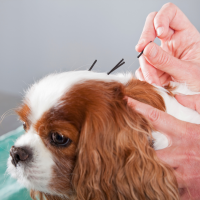 Acupuncture
Acupuncture is a gentle, non-pharmacologic therapy that supports the body’s natural healing processes. By stimulating specific points, it helps regulate the nervous system, improve circulation, and reduce inflammation. Many dogs experience improved mobility, relaxation, and meaningful pain relief, making acupuncture a valuable adjunct to both conventional and holistic arthritis care.
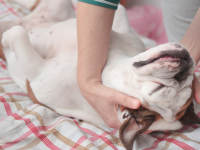 Massage and Heat Therapy
This is a simple, supportive therapy you can provide at home on a daily basis. Gentle massage around your dog’s joints and along the muscles of the back helps improve circulation, reduce muscle tension, and ease stiffness. Beyond the physical benefits, it creates a calming, reassuring routine that deepens your bond and provides comfort during your dog’s senior years
Laser Therapy
Laser therapy uses high-powered, deep-penetrating light to stimulate cellular repair through a process called photobiomodulation. This therapy improves circulation, reduces inflammatory chemicals, and supports healing in joints, muscles, and surrounding soft tissues, making it especially helpful for moderate to advanced arthritis or deeper orthopedic injuries. In addition to reducing pain through endorphin release, laser therapy is particularly valuable for promoting true tissue healing and slowing degenerative changes over time. Because of its power and penetration depth, laser therapy is typically performed in a clinical setting as part of an active treatment plan.
Red Light Therapy
Red light therapy uses lower-level wavelengths of light that work through the same biological pathways as laser therapy but with a gentler, more superficial penetration. This makes it safe and effective for frequent, at-home use, offering ongoing support for inflammation reduction, circulation, and cellular repair. Red light therapy is an excellent tool for managing chronic arthritis discomfort, supporting mobility, and enhancing overall comfort when used consistently. While it does not replace in-clinic laser therapy for deeper tissue healing, it pairs beautifully with it—helping maintain progress between treatments and supporting long-term joint health in aging dogs.
Non-Steroidal Anti-Inflammatories
Non-steroidal anti-inflammatory medications may become necessary in the more advanced stages of arthritis when other supportive therapies are no longer sufficient on their own. While these medications can be effective for pain relief and inflammation control, they do carry potential risks, including gastrointestinal ulceration, vomiting, diarrhea, decreased appetite, elevations in liver enzymes, and possible kidney stress.
For this reason, NSAIDs are best reserved for dogs who have already benefited from nutritional support, supplements, physical therapies, and other integrative approaches but still need additional pain control. When used, routine bloodwork should be monitored every three to six months to ensure liver and kidney health. If any gastrointestinal symptoms develop, the medication should be stopped immediately and your veterinarian notified.
That said, some dogs experience meaningful improvement and comfort only once an NSAID is introduced. In these cases, the goal is thoughtful, monitored use—where the benefits to mobility, comfort, and quality of life clearly outweigh the potential risks. Choosing medication doesn’t mean you’ve failed at natural care. Sometimes it means you’re loving your dog well in a different season.
Pain Medication
If you have implemented nutritional changes, supplements, physical therapies, and other supportive measures and your dog still appears uncomfortable, targeted pain medications may be appropriate. Commonly used options for arthritis-related pain include gabapentin, tramadol, and amantadine. While gabapentin and tramadol help modulate pain signaling, amantadine works differently by calming an over-sensitized nervous system and reducing “wind-up” pain, which can occur when chronic pain becomes amplified over time.
Because each dog responds differently, close observation is essential. Some more advanced patients experience meaningful improvements in comfort and mobility and may struggle to function without these medications. In other dogs, sedation or disorientation can outweigh the benefits and actually reduce quality of life. The goal is always individualized care. Finding the lowest effective combination and dose that relieves pain while preserving your dog’s clarity, movement, and enjoyment of daily life is essential.
Supportive Tools for Comfort & Stability
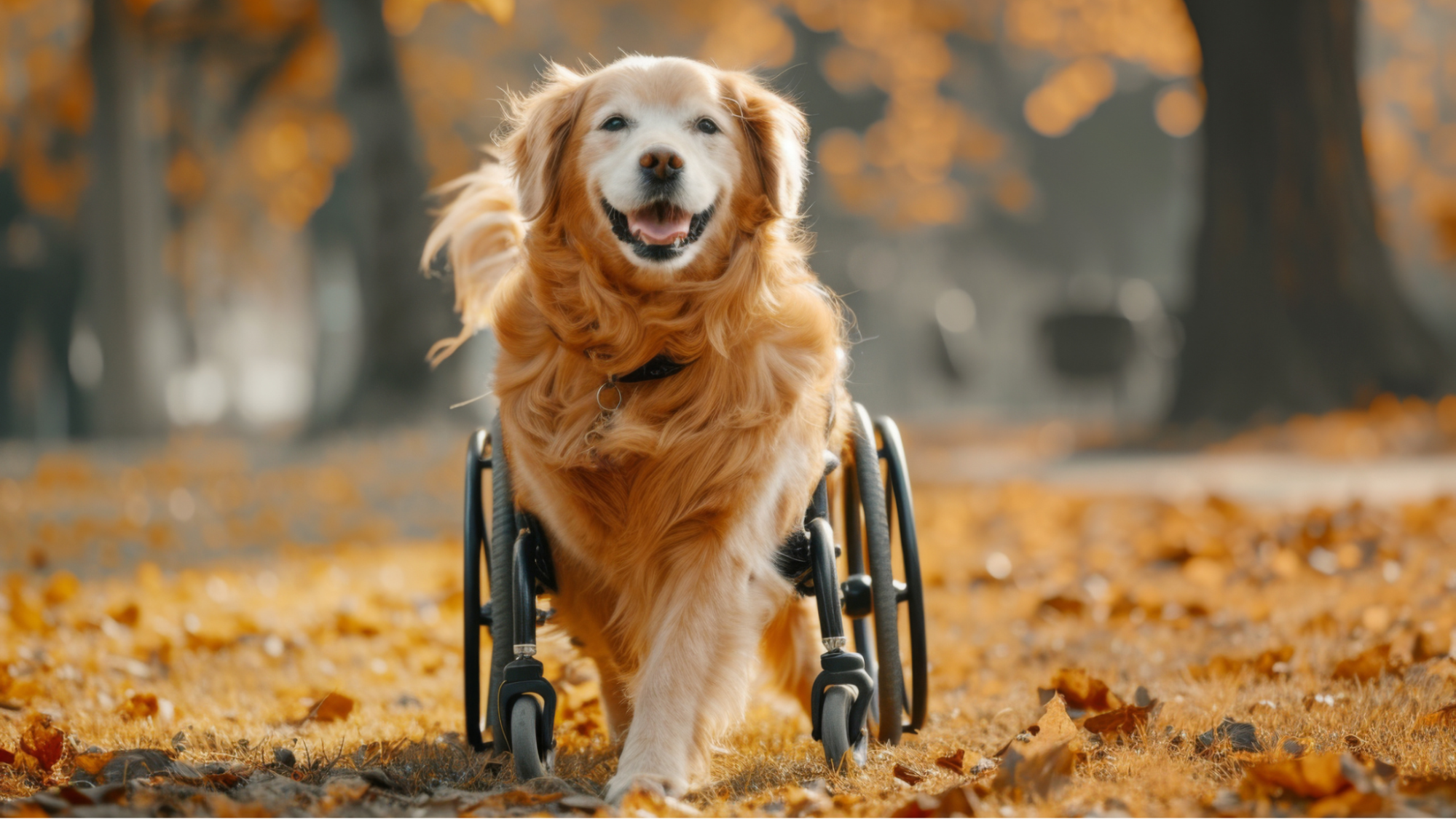
Supporting a dog with arthritis also means making thoughtful adjustments to their environment to reduce strain and prevent unnecessary pain. Well-fitted harnesses can provide support rising, climbing stairs and on walks without placing pressure on the neck. Orthopedic beds offer crucial cushioning for sore joints and help dogs rest more comfortably. Adding runners or yoga mats to slippery floors can dramatically improve confidence and stability, reducing the risk of falls and anxiety around movement. Stick-on traction products for paw pads can be especially helpful for dogs that slip indoors, and properly fitted booties are invaluable for protecting paws during winter walks from cold, ice, and salt while also improving grip. These simple, practical changes often make a profound difference in day-to-day comfort and mobility, allowing arthritic dogs to move with more ease and confidence in their own homes and on daily walks.
By keeping your dog’s wellbeing at the center of your decisions as they age, you truly can influence not just how long they live, but how well they live. Recognizing subtle changes early and responding with thoughtful, whole-body support often leads to better outcomes, greater comfort, and more joyful days together.
This stage of life doesn’t have to be defined by fear or helplessness. With the right tools, guidance, and mindset, supporting a senior dog can become a deeply meaningful chapter. It invites a slower pace, a deeper connection, and a renewed awareness of what matters most. In caring for your dog with intention and compassion now, you are honoring the years of unconditional love, loyalty, and quiet presence they have given you while creating space for comfort, dignity, and togetherness in the time you still share.
Always work with a veterinarian to tailor these recommendations to your individual dog.