
Introduction:
Liver disease is a common and significant health concern that can affect our beloved canine companions. The liver plays a vital role in various bodily functions, including digestion, detoxification, and nutrient storage. When the liver’s normal functioning is compromised, it can lead to a range of health issues. In this blog post, we will delve into the causes, symptoms, diagnosis, and treatment options for liver disease in dogs.
Causes of Liver Disease:
Several factors can contribute to the development of liver disease in dogs:
- Infections: Bacterial, viral, or parasitic infections can damage the liver tissue and lead to inflammation. This is a less common cause of liver disease.
- Toxins: Ingestion of toxic substances such as certain plants, medications, chemicals, mycotoxins (especially aflatoxin B1) and even certain human foods such as chocolate, and xylitol can harm the liver.
- Chronic Treatment with Certain Medications: such as steroids, anticonvulsants (Phenobarbital, etc), certain antibiotics (sulfonamides, etc), Acetaminophen, and non-steroidal anti-inflammatories (carprofen, etc), dewormers such as Mebendazole, etc.
- Genetics: Certain breeds are predisposed to liver problems due to genetic factors. Predisposed breeds include the Bedlington terrier, Labrador retriever, West Highland white terrier, Doberman pinscher, Dalmatian, Skye terrier, Anatolian shepherd, Pembroke and Cardigan Welsh corgi, Clumber spaniel, and possibly the Keeshond.
- Copper Storage Disease: Copper storage hepatopathy (CSH) occurs when excessive amounts of copper accumulate in the liver. The liver is the most important organ involved in copper metabolism. It is responsible for copper storage, redistribution, and excretion via the biliary system. Accumulation may be related to the inability to excrete copper; excessive copper in the diet; or a combination of these factors. Genetic influences may account for development of CSH.
- Endocrine Disorders: such as Cushing’s Disease and Diabetes: These endocrine disorders can negatively impact the liver.
- Cholecystitis: inflammation of the gallbladder which can occur due to gallstones, mucoceles (excessive mucus in the gallbladder that it essentially becomes a solid mass) or bacterial infections that block bile from exiting the liver. Extrahepatic Biliary Tract Obstruction from Other Causes such as pancreatitis can also occur.
- Portosystemic Shunts: These are abnormal blood vessels that bypass the liver, leading to inadequate detoxification of blood.
- Hepatic Microvascular Dysplasia: (sometimes called portal vein hypoplasia) is an inherited abnormality of the liver. In affected dogs, the microscopic blood vessels within the liver are underdeveloped or absent.
- Cancer: liver cancer can be a cause of elevated liver enzymes, liver enlargement and symptoms of hepatic disease.
- Vaccinosis: Acute liver inflammation and associated symptoms have been documented following vaccine administration in dogs.
- Idiopathic Liver Disease: this means the primary cause cannot be identified.
Symptoms of Liver Disease:
The symptoms of liver disease vary depending on the primary cause.
- Jaundice: Yellowing of the skin, gums, and eyes due to the accumulation of bilirubin. This is more commonly seen with gallbladder disease.
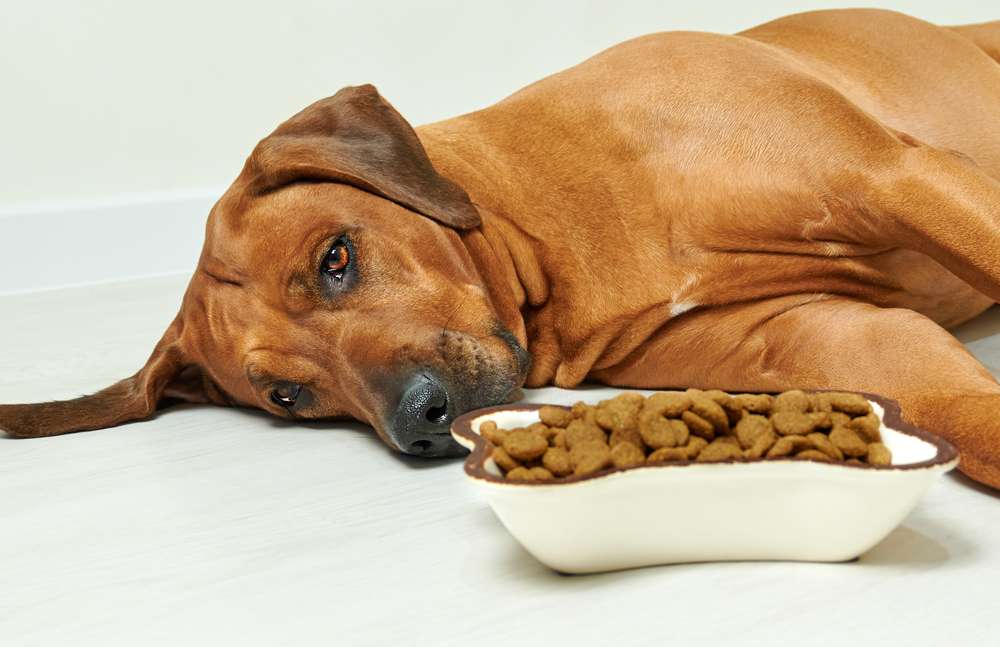
- Loss of Appetite: Dogs with liver disease often lose interest in food.
- Vomiting and Diarrhea: Gastrointestinal symptoms can occur due to impaired liver function.
- Increased Thirst and Urination: The liver’s role in regulating hormones can be disrupted, leading to changes in water consumption.
- Lethargy and Weakness: Dogs may become tired and less active.
- Abdominal Distention and Pain: An enlarged liver or ascites (fluid) can cause discomfort.
- Some Dogs are Asymptomatic: Initially, and the disease is identified from routine bloodwork screening.
- Weight and Muscle Loss: ( most notable along the spine).
- Abnormal Bleeding Tendencies: the liver is responsible for clotting factors THAT may be affected by Hepatic disease.
- Neurological Symptoms: Include dull mentation, disorientation, and seizures due to ammonia build-up (hepatic encephalopathy).
Diagnosis
In many dogs, biochemical changes can be present on routine bloodwork long before outward symptoms develop, which is why monitoring laboratory trends over time can provide valuable insight into early hepatic stress. The following tests help determine the primary cause and targeted treatment
-
Blood Tests:
These help evaluate liver enzyme levels, bilirubin levels, clotting factors, and overall liver function. Patterns in enzymes such as ALT, ALP, AST, and GGT can provide clues about whether the issue involves liver cell injury, bile flow disruption, or metabolic stress. Testing for vitamin and mineral deficiencies is also recommended, as liver disease can impair nutrient metabolism.
- Bile Acids Test:
This test assesses how effectively the liver is processing and recycling bile acids after a meal. Elevated bile acids may indicate reduced liver function, portosystemic shunts, or impaired blood flow through the liver.
- Imaging:
Ultrasound and radiographs can reveal changes in the liver’s size, shape, and internal structure. Imaging can also help identify gallbladder disease, masses, inflammation, or bile duct obstruction that may be contributing to abnormal liver values.
- Biopsy:
A small sample of liver tissue may be taken for microscopic analysis. A biopsy can help determine the exact type of liver disease present, such as inflammatory hepatitis, copper accumulation, fibrosis, or cancer.
- Copper Measurement:
Copper levels can be evaluated using special stains on liver biopsy samples. This is particularly important in breeds predisposed to copper storage disease. Be sure your veterinarian requests copper quantification when submitting biopsy samples to the laboratory.
- Culture and Sensitivity:
Bacterial culture of the biopsy sample helps determine whether infection is contributing to liver inflammation and allows veterinarians to select the most effective antibiotic when needed.
Treatment
Treatment Options
The treatment approach depends on the severity of symptoms and the underlying cause of liver disease. In many cases, therapy focuses on removing the inciting cause, supporting liver function, and addressing complications that may arise.
Removal of the Inciting Cause
Meaningful liver support often begins with reducing the toxic burden placed on the liver. Strategies that support gastrointestinal health, minimize environmental chemical exposure, and prioritize fresh, minimally processed nutrition may help reduce the metabolic load placed on hepatic detoxification pathways.
Examples include
• Discontinuing chronic medications when possible such as anticonvulsants, NSAIDs, and certain parasite preventatives
• Treating adverse drug reactions. For example, acetaminophen intoxication may be treated with N acetylcysteine
• Identifying and removing dietary sources of excess copper when copper storage hepatopathy is diagnosed
Medications Used to Support Liver Function
Dogs may be prescribed medications to improve bile flow, reduce inflammation, and support liver recovery. These medications should always be used under the guidance of a veterinarian.
Ursodiol (Ursodeoxycholic acid)
This medication increases bile acid dependent flow and may reduce hepatocellular inflammatory changes and fibrosis.
Immunosuppressive or Anti inflammatory drugs
Immunosuppressive therapy is indicated in cases of immune mediated chronic hepatitis but is generally contraindicated in acute infectious hepatitis.
Hepatoprotective Nutrients
Oxidative stress plays a significant role in many forms of liver disease. Certain nutrients can help protect liver cells and support detoxification pathways.
- S Adenosylmethionine (SAMe) –This naturally occurring molecule plays a role in several metabolic pathways and supports the production of glutathione, one of the liver’s most important antioxidants. SAMe may also influence cellular repair and help modulate inflammation.
- Milk Thistle (Silymarin)- Milk thistle has been widely studied for its hepatoprotective effects. Silymarin may help protect hepatocytes from toxin induced injury, reduce inflammation, and promote liver cell regeneration.
- Vitamin E (d alpha tocopherol) –Vitamin E functions as a major intracellular antioxidant. It may help protect liver cells from oxidative injury associated with copper accumulation, bile acids, and other hepatotoxins.
- N Acetylcysteine (NAC)–NAC is a precursor to glutathione and plays an important role in supporting the liver’s detoxification systems. It is commonly used in cases of toxin exposure and may also support hepatic recovery by replenishing antioxidant defenses.
Herbal Support
Certain botanicals may provide additional support for liver health.
Chamomile (Matricaria chamomilla)
Chamomile contains compounds such as apigenin and luteolin which possess anti inflammatory and antioxidant properties. These compounds may help protect liver cells from oxidative stress and inflammation.
Chamomile may also soothe the gastrointestinal tract and support digestion. By improving digestive function and reducing gastrointestinal irritation, it may indirectly reduce metabolic stress placed on the liver.
Dandelion (Taraxacum officinale)
Dandelion root has long been used in traditional herbal medicine to support liver and gallbladder function. It may help stimulate bile production and improve bile flow, which assists the body in eliminating metabolic waste products. Dandelion also contains antioxidants that may help protect liver cells from oxidative stress.
Turmeric (Curcuma longa)
Turmeric contains the active compound curcumin, which has well documented anti inflammatory and antioxidant properties. Curcumin may help reduce inflammatory signaling within the liver and support overall hepatocyte health. It may also support bile production and digestive function.
Artichoke Leaf (Cynara scolymus)
Artichoke leaf extract has been shown to support bile production and improve bile flow. Because bile is essential for the elimination of many toxins and metabolic byproducts, supporting bile movement may help reduce metabolic stress on the liver.
Burdock Root (Arctium lappa)
Burdock root is traditionally used as a gentle detoxifying herb and may support both liver and digestive function. It contains antioxidant compounds that may help protect tissues from oxidative damage while also supporting normal elimination pathways.
Supportive Care
Dogs experiencing complications from liver disease may require supportive treatment.
Examples include
• Intravenous fluids to address dehydration
• Antiemetic medications for vomiting
• Fiber or probiotics for diarrhea
• Plasma transfusions if clotting factors become compromised
• Feeding tubes for patients with prolonged anorexia
Treatment of Underlying Conditions
In some cases, liver disease develops secondary to other medical conditions. Addressing these underlying disorders is an important part of treatment.
Examples include
• Infection
• Diabetes
• Cushing’s disease
Copper Associated Liver Disease
When copper accumulation is confirmed through liver biopsy, treatment focuses on removing excess copper and preventing further accumulation.
Chelation therapy
D penicillamine is commonly used to remove excess copper from the liver.
Zinc
Zinc can reduce intestinal absorption of copper and may also provide antifibrotic effects. Zinc therapy should be initiated after chelation therapy and should not be administered at the same time.
Vitamin C
Vitamin C may increase copper excretion in urine and reduce copper absorption.
Nutritional Therapy
Dietary management is one of the most important components of liver disease recovery and should be tailored to the individual patient.
General principles include
• Meals should be highly palatable to ensure adequate caloric intake
• Avoid ultra processed dry diets that may contain mold toxins such as mycotoxins
• Feed foods free of unnecessary synthetic additives when possible
• Protein restriction should only be implemented in dogs experiencing hepatic encephalopathy
• Smaller and more frequent meals may improve nutrient absorption and digestive efficiency
Important nutrients that support liver health may include
• Methionine
• Cysteine
• Taurine
• Selenium
• Omega 3 fatty acids
• Zinc
Fresh gently cooked diets prepared with lean meats, poultry, fish, eggs, and vegetables are often beneficial for many liver patients. Recipes should ideally be formulated with guidance from a veterinary nutritionist or a trusted canine nutrition professional.
Additional dietary considerations may include
• Lower fat diets in some cases
• Copper restriction when copper hepatopathy is present
• Sodium restriction if ascites develop
Prevention:Steps to take now to prevent liver disease in your dog’s future
- Avoid Toxins: Keep hazardous substances out of your dog’s reach.
- Feed a fresh diet instead of ultra-processed kibble. Check out my blog on diet.
- Choose natural flea and tick protocols. Check out my blog on natural flea and tick options.
- Elect for blood titers to avoid over-vaccination. Check out my blog on vaccines.
- Limit exposure to environmental toxins when possible. Use only natural pesticides for your yard.
- Prevent overuse of medications: Know which medications can cause liver inflammation so you can question your vet if they are prescribed for your dog. If these medications are necessary for your dog’s condition, take precautions, add liver support while on the meds, and detox afterward.
- Regular Vet Visits: Regular check-ups can help catch potential issues early. Yearly bloodwork can pick up on liver enzyme elevations.
- Maintain a Healthy Weight: Prevent obesity through proper diet and exercise.
Conclusion:
Liver disease in dogs is a serious condition that is often preventable. Make any necessary changes now in order to prevent liver disease in your dog’s future. Understanding the causes, symptoms, diagnosis, and treatment options is essential for providing the best care for your furry friend. By staying vigilant and working closely with A trusted veterinarian, you can help ensure your dog has optimal liver health and a long, vibrant life.