
Introduction
Immune-Mediated Hemolytic Anemia (IMHA) is a life-threatening condition that often catches dog guardians by surprise. Your dog can seem fine one moment and then suddenly a cascade of rapidly occurring symptoms can occur. This condition arises from a dysregulated immune response targeting the body’s own red blood cells, leading to severe anemia and systemic inflammation. Let’s discuss IMHA, exploring its causes, which dogs are most at risk, and treatment options. And most importantly, how you can try to prevent it in your dog.
IMHA Causes
IMHA manifests as a breakdown in immune self-tolerance, where the immune system erroneously identifies red blood cells as foreign invaders and launches an attack.
Vaccination is a common trigger of IMHA. In one study of 76 dogs with IMHA, 22% had been vaccinated within 30 days of being presented and 30% had been vaccinated within 60 days. In my experience, white small breeds (maltese, maltese mixes, bichons) that have been over-vaccinated (middle-aged and older who receive unnecessary vaccines) are most commonly affected.
Clinical Presentation
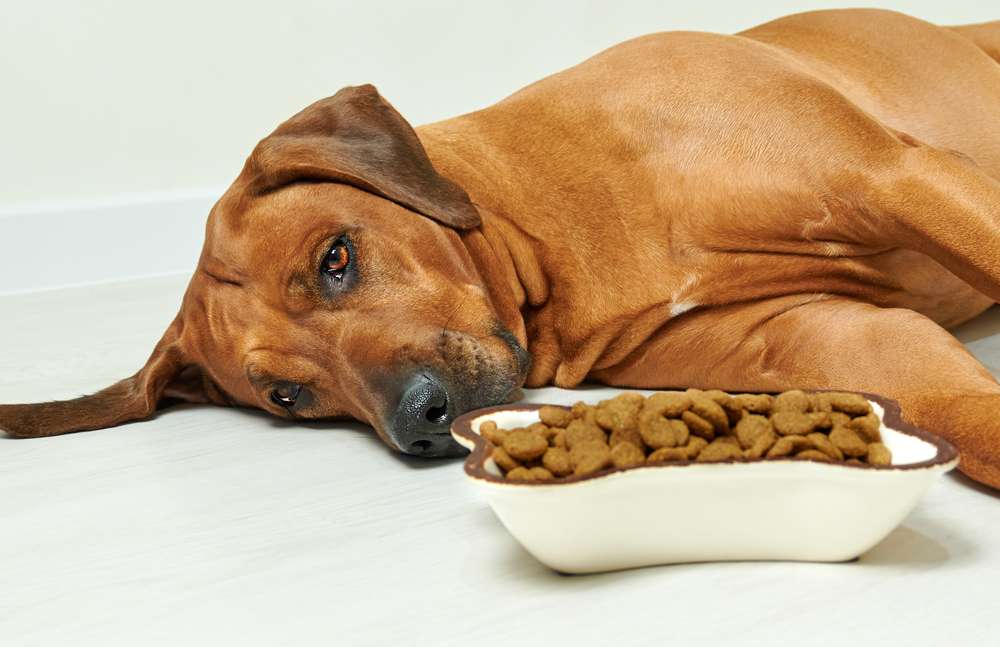
- The first presenting signs of this disease are often subtle such as lethargy and exercise intolerance. However, there have been cases where dogs were running around the yard one day and completely weak the next.
- Common Anemia Symptoms:
- Generalized weakness.
- Lethargy.
- Lack of appetite.
- Pallor of mucous membranes (gums, tongue, conjunctiva).
- Elevated respiratory and heart rates.
- Additional Symptoms:
- Vomiting (potentially containing blood).
- Diarrhea (potentially containing blood).
- Nosebleeds.
- Discolored urine.
- Melena (dark, tarry stool).
- Petechiae: Pinpoint-sized red or purple spots due to minor bleeding under the skin.
- Ecchymoses: Larger, dark purple or blue patches on the skin.
- Abdominal pain.
- Jaundice (yellowing of the skin and eyes).
- Enlarged lymph nodes.
- Fever
Breed Type Predisposition
Breeds that seem to be most frequently affected by this condition include American cocker spaniel, Bichon Frise, Collie, Doberman pinscher, English springer spaniel, Maltese, Miniature pinscher, Miniature schnauzer, Old English sheepdog, and Poodle.
Diagnostic Approach for IMHA
A comprehensive approach is essential, incorporating:
Blood Work
- Diagnosis typically requires at least one sign of red cell destruction, such as orange-colored urine or yellowing tissues (icterus), coupled with at least two indicators suggesting immune-mediated destruction. These indicators may include a positive auto-agglutination test, a positive Coombs test, or the presence of spherocytes (red blood cells that have a spherical shape rather than the typical biconcave disc shape).
- Anemia. Packed cell Volume typically below 13%
- Evidence of hemolysis, such as:
Hyperbilirubinemia (elevated bilirubin levels).
- Hemoglobinemia (presence of hemoglobin in the bloodstream).
- Confirmation Tests for Immune-mediated disease:
- Saline agglutination tests
- Direct Coombs tests
- Flow Cytometry
Additional Testing To Identify Primary Triggers:
- Urinalysis
- Coagulation testing
- Tick serology
- Radiographs.
- Abdominal ultrasound.
- Bone Marrow testing: Indicated in patients with non-regenerative anemia to rule out other causes.
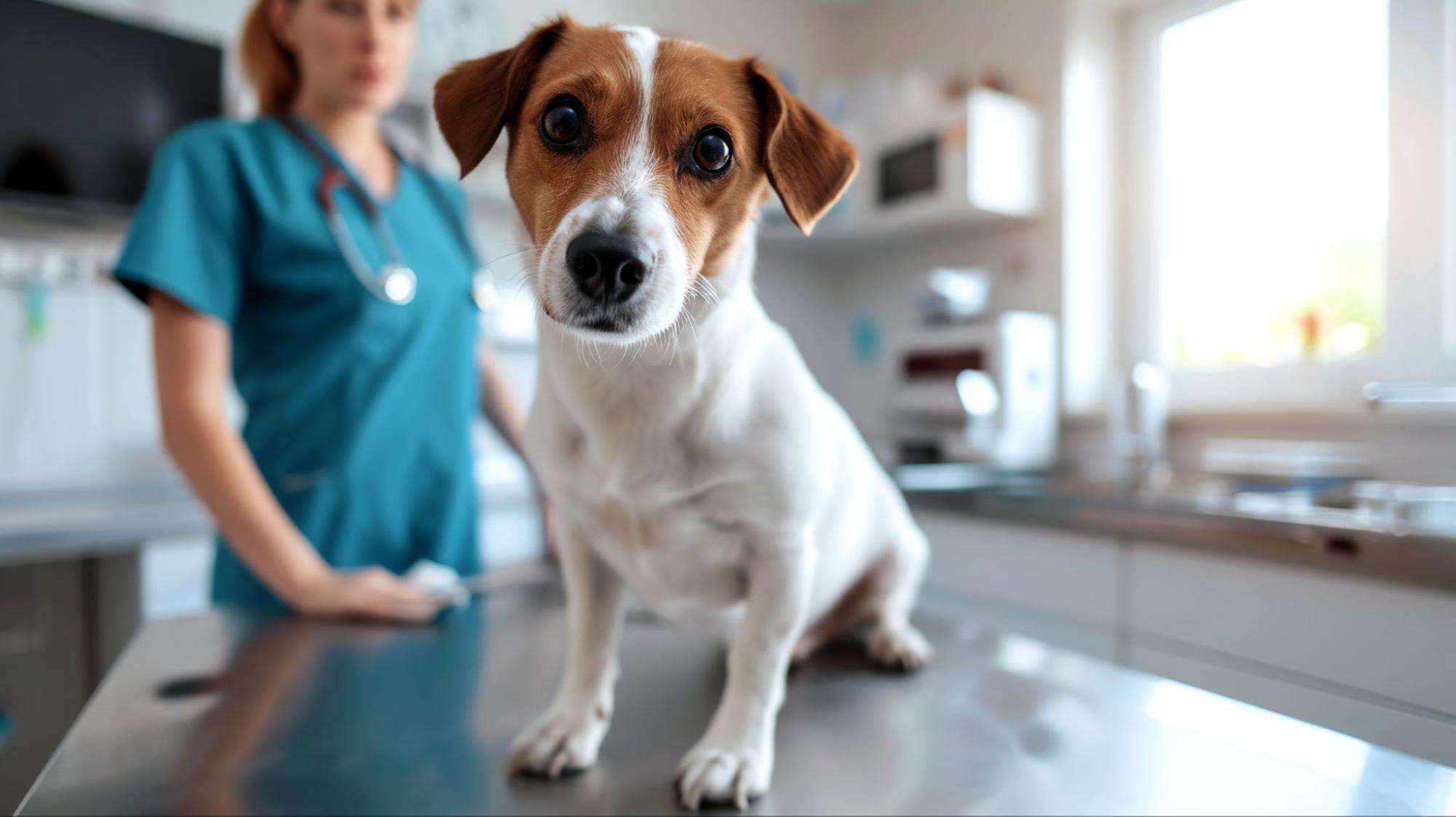
This comprehensive diagnostic approach is crucial for accurately diagnosing Immune-Mediated Hemolytic Anemia (IMHA) and determining appropriate treatment strategies.
Treatment Strategies
- The management of IMHA necessitates a multifaceted approach aimed at suppressing immune-mediated destruction of erythrocytes while addressing concurrent complications.
- Immunosuppressive therapies, including:
- Glucocorticoids (steroids).
- Other immunomodulatory agents (mycophenolate, cyclosporine, Azathioprine).
- Human intravenous immunoglobulin (hIVIG) is a treatment that helps to suppress the immune system’s overactivity. It’s given through a vein as a single infusion over a period of 6-12 hours, usually at a dose of 0.5-1 gram per kilogram of body weight.
Some studies have found that hIVIG doesn’t always improve survival or shorten the time spent in the hospital for dogs with Immune-Mediated Hemolytic Anemia (IMHA). In fact, it may only provide minimal and short-lived benefits when used alongside other medications like prednisolone and mycophenolate mofetil (MMF). Because of this, it’s often considered a last-resort treatment for dogs that haven’t responded well to other immune-suppressing drugs. However, it’s important to note that there are risks involved, such as allergic reactions (anaphylaxis) and an increased chance of blood clot formation (thrombosis). It is also very expensive.
- Antithrombotic therapy is often recommended for all dogs with IMHA, except for those with very low platelet counts.
There are a few options for antithrombotic therapy:
-
- Aspirin: Studies have shown that giving aspirin along with other medications like prednisone and azathioprine can improve survival rates for dogs with IMHA.
- Heparin: This medication prevents blood clots from forming. There are different types of heparin, but doctors often use a type called low-molecular weight heparin.
- Clopidogrel: This medication also helps prevent blood platelets from sticking together. Some studies suggest that clopidogrel may be a better option than aspirin for dogs with IMHA, but more research is needed to be sure.
- Anemia treatment:
-
- Blood transfusions are often necessary to manage the anemia.
- Patients may require multiple blood transfusions to stabilize them while waiting for the immune-suppressant to take effect.
- This can be very costly and is often a limiting factor for dog guardians to be able to afford treatment of this condition.
- Address Concurrent Conditions:
- Identifying and addressing concurrent conditions (infection, tick-borne illness, cancer, etc.) contributing to IMHA is crucial whenever possible.
Supportive Care
- Liver Support
-
-
- S-Adensosylmethionine (SAMe)- THE SAMe is involved in cell replication and protein synthesis, has a modulating influence on inflammation, and plays a role as a precursor of the antioxidant glutathione in the liver cell.
- Milk thistle (Silymarin)- It has been suggested that silymarin has strong antioxidant effects and may help promote liver cell regeneration, reduce inflammation, and benefit those with liver disease. Check out my blog on milk thistle for more info.
-
- Nutrition
-
-
- A whole food, fresh species appropriate diet is the best way to set your dog up for vitality and long term health. This means providing a balanced diet rich in quality proteins and healthy fats, including whole foods like raw or gently cooked meat, along with fruits and vegetables for essential antioxidants.
-
- Boost The Immune System:
-
-
- Consider incorporating immune-supportive foods such as medicinal mushrooms and omega-3 fatty acids into your dog’s diet. These can help bolster the immune system and promote overall health.
-
- Support the gut microbiome
-
-
- Feed pre and probiotic-rich foods and probiotic supplements. Check out my blog on probiotics.
- Probiotics, found in foods like raw goat’s milk, yogurt, kefir, and fermented vegetables, contribute to digestive support, alleviate diarrhea, boost immune function, and help with inflammation. Prebiotics, obtained from sources like garlic, dandelion, bananas, mushrooms, and chicory root, serve as food for beneficial bacteria, enhancing the effectiveness of probiotics in colonizing the gut and maintaining a balanced microbiome.
- Feed pre and probiotic-rich foods and probiotic supplements. Check out my blog on probiotics.
-
-
-
- Test your dog’s gut biome health using companies such as animal biome.
-
- Natural anti-inflammatory ingredients like turmeric and ginger can be beneficial in reducing inflammation and supporting your dog’s well-being.
Prognosis and Follow-Up
The prognosis for IMHA varies depending on the underlying cause, severity of anemia, and response to therapy. Patients may be refractory to initial or long term conventional therapy. Despite advances in treatment, IMHA remains associated with significant morbidity and mortality. Close monitoring, regular re-evaluation of RBC counts and platelet numbers, and adjustments to treatment are crucial components of long-term management. Patients often need to remain on immunosuppressants for a prolonged period of time, sometimes life-long.
Once a dog has IMHA it can never be vaccinated or given pesticides as these can be triggers for future episodes. You can request a rabies waver from your veterinarian for this condition.
Prevention
You can take proactive steps to reduce the risk of autoimmune diseases in your dog by focusing on optimal nutrition and minimizing exposure to harmful toxins.
AVOID PROCESSED DIETS AND TREATS. Processed diets such as kibble are known to contribute to cardiometabolic disease by mechanisms such as a faster rate of absorption, causing a more rapid rise in insulin levels and more rapid inhibition of AMP-activated protein kinase, leading ultimately to insulin resistance, obesity, and inflammation. A whole food, fresh species appropriate diet is the best way to set your dog up for vitality and long term health.
AVOID TOXINS: To minimize exposure to toxins, avoid unnecessary medications and limit the use of pesticides and chemical products in your home and yard, including commercial flea and tick products.
AVOID OVERUSE OF DRUGS AND VACCINATIONS: When it comes to vaccination, discuss with your veterinarian to ensure your dog receives only necessary vaccines and choose titers whenever possible to reduce the risk of over-vaccination. Choose natural remedies when possible over drugs and conventional medications.
Conclusion
Dealing with IMHA is a challenge for veterinarians and often heartbreaking for dog guardians. It is a life-threatening condition with severe symptoms that requires expensive treatment.
By adopting a comprehensive approach that focuses on nutrition, toxin avoidance, and immune support, you can help safeguard your dog against conditions like Immune-Mediated Hemolytic Anemia (IMHA). If your dog shows any symptoms that might indicate anemia it is vital to have them checked immediately to rule out this condition. Early intervention is key to a positive outcome. And if your dog does develop anemia try not to give up too soon as many will eventually respond to treatment if given the support they need for the amount of time necessary.