
Introduction
Welcome to our comprehensive guide on inflammatory bowel disease (IBD) in dogs. As a dedicated integrative veterinarian, I’ve witnessed firsthand the challenges faced by dog guardians when dealing with this complex condition. In this detailed exploration, we’ll delve into the intricate mechanisms underlying IBD, explore the triggers that can exacerbate its symptoms, and outline effective diagnostic procedures and treatment options. From the subtle signs of gastrointestinal distress to the profound impact of diet and medication, we’ll navigate the landscape of IBD with a focus on holistic, evidence-based approaches aimed at restoring balance and vitality to your canine companion.
What is IBD?
Inflammatory bowel disease (IBD) is a complex condition characterized by the infiltration of inflammatory and immune cells into the gastrointestinal (GI) tract, leading to disruptions in nutrient absorption. The disease is considered to be caused due to a combination of an underlying genetic susceptibility, an aberrant immune response, and microbiota dysbiosis. In dogs, IBD presents as chronic inflammation of the gut lasting over three weeks that can manifest in various gastrointestinal symptoms.
What Causes It?
Inflammatory bowel disease (IBD) stems from uncontrolled inflammation in the gastrointestinal (GI) tract, influenced by various environmental, microbial, dietary, and immune factors. This inflammation leads to disruptions in the delicate balance of immune cells and mediators within the GI tract, resulting in symptoms like weight loss, anorexia, diarrhea, and vomiting. An imbalance of pro-inflammatory and anti-inflammatory factors exacerbates intestinal inflammation and can disrupt the gut microbiota, leading to microbial dysbiosis. Additionally, inflammatory infiltration causes structural changes in the GI tract, such as villous atrophy and fibrosis, resulting in malabsorption and protein loss. These inflammatory processes also affect gut motility, potentially leading to vomiting and other complications.
Certain breeds, such as the German shepherd dog, basenji, soft-coated wheaten terrier, and Chinese shar pei, seem to be predisposed to IBD; however, the mode of inheritance is unknown.
Symptoms
- Chronic diarrhea
- Weight loss
- Flatulence and odor of stool
- Vomiting (may be the only sign)
- Large bowel diarrhea (develops with chronicity of symptoms)
- Halitosis (bad breath)
- Abdominal distention, abdominal pain
- Anorexia, hyporexia (decreased appetite)-may be the only sign
- Ascites (free fluid within the abdomen), abdominal distention
- Borborygmus (increased intestinal sounds)
- Dehydration
- Lethargy
- Poor hair coat
- Enlarged lymph nodes
- Polyphagia (increased appetite)
- In severe untreated cases, it is possible for a patient to have developed protein-losing enteropathy (PLE), and/or lymphangiectasia. These cases can present with severe weight loss, bicavitary effusion (free fluid in the abdomen and chest cavities) and other edematous states (edema of the limbs, etc).
Triggers for IBD
Lymphocytic-Plasmacytic Inflammatory Bowel Disease is one of the most prevalent forms of IBD in dogs, and it’s believed to stem from allergic reactions occurring within the bowel and across the digestive tract. Essentially, the body’s inflammatory cells launch an assault on the walls of the intestine, all triggered by some sort of antigen. These antigens encompass a wide spectrum, ranging from food sensitivities and toxins to insect stings. Even vaccinations can contribute to triggering this immune response.
Vaccines
The link between over-vaccination and inflammatory bowel disease (IBD) in dogs is not fully understood, however, excessive vaccination may contribute to immune system dysregulation and inflammation in susceptible dogs. Some researchers speculate that certain vaccine components or adjuvants may provoke an exaggerated immune response in genetically predisposed dogs, leading to chronic inflammation in the gastrointestinal tract. Additionally, some vaccines may contain adjuvants or preservatives that could potentially trigger immune-mediated reactions or hypersensitivity responses in sensitive dogs, further contributing to intestinal inflammation. More studies are needed to fully understand the mechanisms underlying this potential association. In the meantime, choose titering when possible and avoid unnecessary vaccinations. Read my blogs on vaccines to gain a deeper understanding.
Diet
Ultra-processed kibble contributes to inflammatory bowel disease (IBD) in dogs due to several factors. Firstly, these types of commercial dog foods often contain high levels of preservatives, additives, and artificial ingredients, which can disrupt the delicate balance of the gut microbiome and trigger inflammation in susceptible individuals. Additionally, the high carbohydrate content in many processed kibbles can lead to dysbiosis and overgrowth of harmful bacteria in the gut, further exacerbating intestinal inflammation. Moreover, the lack of dietary diversity and essential nutrients in ultra-processed kibble diets may weaken the immune system and compromise the integrity of the intestinal lining, making dogs more susceptible to gastrointestinal disorders like IBD. Scientists are also starting to recognize potential systemic effects, like chronic inflammation, resulting from consuming advanced glycation end products in high-heat processed pet foods (kibble). In summary, the poor quality and lack of nutritional balance in ultra-processed kibble can contribute to the development and progression of IBD in dogs. Unfortunately, the majority of internists managing this condition prescribe ultra-processed “prescription” diets further damaging the gut microbiome. Read more about diet in my blog:
Overuse of Medications
The overuse of medications in dogs can contribute to the development or exacerbation of inflammatory bowel disease (IBD) through various mechanisms. One primary concern is the prolonged or excessive use of certain medications, such as antibiotics, non-steroidal anti-inflammatory drugs (NSAIDs), and corticosteroids, which can disrupt the delicate balance of the gut microbiome. Antibiotics, while often necessary to treat bacterial infections, can also indiscriminately eliminate beneficial bacteria in the gut, leading to dysbiosis and intestinal inflammation. Similarly, NSAIDs and corticosteroids, commonly used to manage pain and inflammation, can cause gastrointestinal side effects such as mucosal damage and ulceration, potentially triggering chronic inflammation in the gut. Moreover, repeated or prolonged exposure to medications may lead to drug-induced hypersensitivity reactions or immune-mediated responses, further exacerbating gastrointestinal symptoms and complicating the management of IBD.
Diagnosis
Diagnostic Procedures:
- Food Intolerance Testing: This should always be the FIRST step for these patients but is often overlooked. Often medications are administered to cover up the symptoms before investigating the inciting cause! There are online testing companies that I trust including VDI labs and Glacier Peak.
- Metabolic database testing: Run a basic blood panel (CBC/chemistry) and urinalysis to rule out biochemically widespread problems, such as liver disease, kidney disease, pancreatitis, or hypothyroidism. Since IBD mainly affects the GI tract, the regular tests might appear normal, but sometimes they show signs of inflammation in the blood or a decrease in important blood proteins, like albumin, which can leak from the intestine. These tests not only help rule out other causes of the symptoms but can also uncover other contributing factors.
- Fecal analysis: Routine fecal test along with PCR testing for organisms such as Giardia, Cryptosporidium, Salmonella, Tritrichomonas, and Clostridium perfringens. I’ve encountered numerous cases where patients were given steroid treatment for IBD without first checking for parasites. When I tested their stool, it turned out they had a parasite, and once treated, their symptoms resolved.
- Gut biome testing: Using genetic sequencing, resident bacteria groups are identified in your dog’s microbiome. These results are compared to a database of healthy dog microbiomes. This can be done through labs such as animal biome or VDI lab.
- Fecal calprotectin measurement: Fecal calprotectin (i.e. S100A8/A9 protein complex) is a nonspecific biomarker of GI inflammation. Fecal calprotectin levels may increase with IBD and decrease in response to therapy. If a patient’s calprotectin level is persistently slightly elevated the likelihood of abnormal pathology is low. However, levels over 200 μg/mg have a higher positive predictive value for pathology, and values of 500 to 600 μg/mg nearly guarantee pathology findings.
- Rule out Addison’s disease as a cause of gastrointestinal symptoms (ACTH stimulation test, dexamethasone suppression test, or basal cortisol level)
- Rule out pancreatic exocrine insufficiency (a deficiency of digestive enzymes) by testing Pancreatic lipase immunoreactivity in serum.
- Radiography of the abdomen to rule out intestinal foreign material or obstruction, enlarged organs, and tumors.
- Ultrasonography of the abdomen: The texture of the liver and pancreas is evaluated, and the size of the mesenteric lymph nodes, which serve the bowel, is examined. The thickness of the bowel wall will also be measured.
- Rule out Protein-losing enteropathy: Alpha 1-proteinase inhibitor measurement is a reliable, noninvasive marker for protein-losing enteropathy.
- Analysis of serum cobalamin (Vitamin B12) and folate. Cobalamin deficiency is a common sequela of chronic enteropathies (CE) in dogs). Serum folate is considered a biomarker of chronic enteropathy (CE) in dogs.
Low levels of vitamin B12 or folate can indicate different types of small intestinal issues: low B12 suggests a problem in the lower part, while low folate points to a problem in the upper part. High folate levels may indicate an imbalance in the gut bacteria. Checking vitamin levels after fasting can help pinpoint the location and nature of the intestinal problem.
- Endoscopy of esophagus/upper GI tract with Biopsy and histopathology of small intestines. I very rarely (pretty much never) recommend this. I usually do not need to take this step with my patients because, once I implement strategies to support a healthy gut microbiome, symptoms improve dramatically. The only time I recommend this is if I suspect intestinal lymphoma.
Treatment
Support The Gut Biome:
-
- Replenish beneficial bacteria according to gut biome results.
- Fecal microbiota transplantation (FMT): is the process in which stool from a healthy donor is transferred to the intestines of a sick recipient. The stool from the donor contains a functioning and healthy community of bacteria that can take up residence in the sick recipient’s gut. This can be done with capsules provided by companies such as animal biome or legacy biome. It can also be done manually in the veterinary setting.
- Pre & Probiotics: Many veterinary probiotic products do not contain enough of a diverse variety of species to be effective and often contain harmful ingredients. You can provide probiotics by feeding healthy probiotic-filled foods or by adding healthy supplements to the diet. Check out my blogs on probiotics to learn more.
- Replenish beneficial bacteria according to gut biome results.
Feed Real Food:
- Canines require a diverse diet to fulfill all their nutritional needs for optimal health. This encompasses high-quality muscle meats (preferably organic or grass-fed), raw bones, organ meats, essential fatty acids, and whole foods rich in vitamins and minerals. Feeding them the same meal every day will not provide the variety of nutrients their gut microbiome needs to be healthy.
It is important to remember that 70-80% of the immune system is found in the gut. This is why I cringe every time I see IBD patients placed on ultra-processed “prescription” diets as a form of treatment. It’s a giant leap backward for these patients. It is the single worst thing you can do to manage your dog with inflammatory bowel disease.
Test for food intolerances as mentioned above and then seek out a holistic veterinarian or certified canine nutritionist to help guide you based on your test results. When gastrointestinal symptoms are severe, I recommend a gently cooked bland diet of antibiotic-free ground turkey and organic canned pumpkin. As symptoms improve, I recommend transitioning to a novel protein diet (a protein your dog hasn’t been fed before). Raw or gently cooked are the optimal choices for your dog with IBD.
- Cobalamin(B12) and Folate supplementation. Abnormal folate and cobalamin levels are common in patients with IBD, and supplementing these vitamins can improve nutrient absorption, digestion, and appetite in some cases. Cobalamin deficiency is associated with gastrointestinal diseases, and supplementation is crucial for treatment, typically administered through weekly subcutaneous injections. Monitoring cobalamin levels and adjusting supplementation accordingly is important for maintaining optimal health in patients with gastrointestinal disorders.Cobalamin may be administered as a SC injection at 250 µg for dogs weighing <10 kg; 500 µg for dogs 10-30 kg; and 1000 µg for dogs >30 kg q 7 days for 6 weeks. Injections are tapered to every other week for 6 weeks, then monthly. Oral cyanocobalamin (50 µg/kg orally q 24 hrs) may also be effective.
- Omega 3 fatty acids: Omega 3 fish oils are useful in IBD therapy because of their anti-inflammatory properties. N-3 fatty acids can be administered orally in an effort to reduce pro inflammatory cytokines synthesized from n-6 fatty acids. Check out my blog on omega 3s to choose the best one for your dog.
- Stem cell therapy with adipose tissue-derived mesenchymal stem cells (MSC) may be beneficial for IBD. In a study of 11 dogs with severe IBD treated with a single IV infusion of allogeneic MSCs, clinical remission was achieved in 9 and partial response in 2 dogs.
- I DO NOT recommend using the antibiotic Metronidazole for treating inflammatory bowel disease. The negative effects that Metronidazole has on the gut microbiome has been shown to last for more than 28 days. Here is a study discussing why Metronidazole is not a good choice for treatment of diarrhea. Recent controlled studies are appreciating that antibiotics cause severe disruptions in major metabolic pathways, including bile acid metabolism and increase oxidative stress. These metabolic changes are associated with clinical signs of GI disease in a subset of animals. For example, a 14 day administration of metronidazole to healthy pet dogs led to development of diarrhea in 9/16 dogs.
Symptomatic Support:
Additional supplements may be necessary to treat symptoms such as nausea, vomiting, and diarrhea, and to aid in gut healing alongside microbiome restoration. However, it’s crucial to approach supplement usage thoughtfully. Consultation with an integrative veterinarian is recommended to develop a tailored supplement plan. It’s important not to overwhelm the dog with multiple supplements simultaneously. Start with one supplement at a time under the guidance of a veterinarian to carefully evaluate your dog’s individual response.
- Nausea:
-
- Ginger has anti-spasmodic and antacid effects to settle stomach irritation and nausea. You can grind up ginger root and make a tea or mix powdered ginger/powdered chamomile and raw honey. Administer 1/8 teaspoon dissolved in a bit of honey per 15 pounds of body weight.
- Fennel: Make an infusion of 1 tsp of ground fennel seeds and 1 cup water at the first sign of nausea. Let it steep for 20 minutes covered in almost boiling water and give 1 tsp for every 15 lbs of body weight.
- Diarrhea:
-
- Clay: healing clay for dogs helps eliminate internal parasites, supports a strong immune system by balancing pH levels and supporting healthy intestinal flora and helps detoxify the digestive tract. Caution: this is a binder that has the potential to pull nutrients out of food therefore I only recommend it during episodes of diarrhea and not as a daily, chronic supplement. Here is one product I like: RxClay
- Fiber: organic plain psyllium husk. Breeds up to 20 pounds -one teaspoon twice daily, medium dog breeds up to 20-40 pounds -two teaspoons twice daily, and large dogs breed above 40 pounds 1 tablespoon twice a day). Mix with warm water. This dose can be increased or decreased based on severity of the diarrhea and response to treatment. This can be given daily indefinitely.
- Digestive enzymes: These are essential for breaking down the food your pet eats. These proteins accelerate chemical reactions, converting nutrients into forms that the digestive system can absorb. While the pancreas, gallbladder, and liver naturally release enzymes, pets with digestive disorders may not produce enough for proper nutrient absorption.n Digestive enzyme products I like: Digest from fourleafrover, Adored Beast Apothecary Healthy Gut Digestive Enzyme.
Enzyme-rich foods:- Raw fermented goat’s milk is a great probiotic that also supplies digestive enzymes.
- Fruits like bananas, mangos, papayas, pineapple, kiwi
- Ginger
- Honey
- Apple cider vinegar
- Fermented veggies
- Other Natural supplements:
-
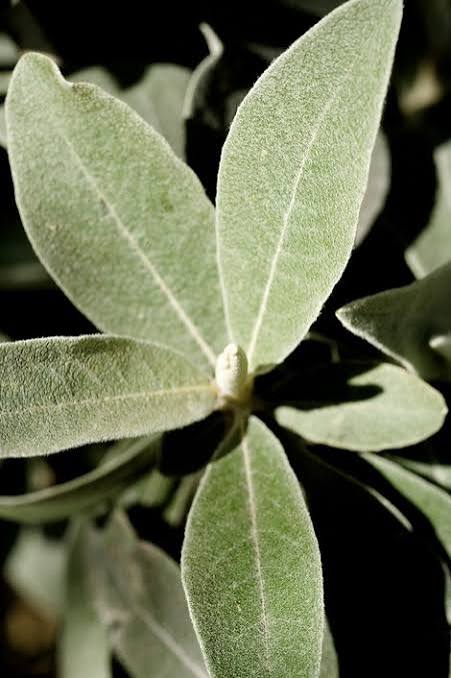
- Marshmallow root can contain up to 35% of a thick gelatinous substance called mucilage which makes it such a powerful herb to soothe and protect irritated and inflamed tissue of the digestive tract. Give 0.5 to 1.5 ml per 20 pounds body weight, twice daily.
- Animal essentials colon rescue
- Slippery Elm: Slippery elm is a tree native to the central and eastern United States and Ontario, Canada. The bark generates a sticky material known as mucilage, which is therapeutic and soothing. It’s safe and gentle on your dog’s inflamed digestive tract. Give slippery elm with food. Give ¼ tsp powder for every 10 lbs body weight.
- ION: This supplement, derived from soil, enhances your pet’s health foundation by utilizing an innovative fulvate formula to diversify the microbiome, strengthen the gut lining, and enhance nutrient absorption while protecting against environmental toxins.
- Herbalists Greg Tilford and Mary Wulff recommend this recipe:
- 1 part marshmallow root
- 1 part licorice root
- 2 parts slippery elm or plantain
- 1 part fennel seed
For any size dog, give this mixture twice a day as a tea, tincture or dried herbs, dosing 1 tbs. of dried herbs or 1 ml of a low alcohol tincture combination or 2 tbsp of a strong tea.
-
When To Resort To Steroid Treatment
This is a last resort in my opinion.
In cases where nothing else has improved symptoms then a medication called budesonide can be used to help avoid the side effects of long-term steroids. This medication is not readily absorbed from the GI tract and serves as a topical treatment for the lining of the intestine.
Conclusion
Healing dogs with inflammatory bowel disease starts with healing the dysbiotic microbiome. Covering up symptoms with harsh medications and ultra-processed kibble further damages the gut biome. Once other conditions have been ruled out, starting with gut support, a diet of real food that is specific for your dog, and treating symptoms with natural supplements is a much more common sense and holistic approach to managing inflammatory bowel disease.
Registration for The Dog Mom Society is open!
In our community you’ll gain clarity on all things canine nutrition and holistic wellness.
Together, we’ll navigate this journey to enhance your dog’s health, happiness, and well-being.
And you’ll gain the confidence that you’re doing right by your dog every step of the way!