
Introduction
As a dedicated dog parent, ensuring the health and well-being of your furry companion is a top priority. One serious condition that every dog parent should be aware of is gastric dilatation and volvulus (GDV), commonly known as bloat. In this comprehensive guide, we’ll delve into the causes, prevention strategies, diagnostics, treatment options, and prognosis for GDV, empowering you to recognize and address this potentially life-threatening condition in your beloved canine friend.
What is Gastric Dilatation and Volvulus (Bloat)?
Gastric dilatation and volvulus, or bloat, is a critical medical emergency that primarily affects large and deep-chested dog breeds. This condition occurs when the stomach rapidly fills with gas and fluid, leading to distension (dilatation). In severe cases, the distended stomach can rotate (volvulus), causing a dangerous obstruction to blood flow and resulting in tissue damage, shock, and organ failure.
Causes of GDV:
No single cause of GDV exists. Rather, multifactorial causes are likely involved including:
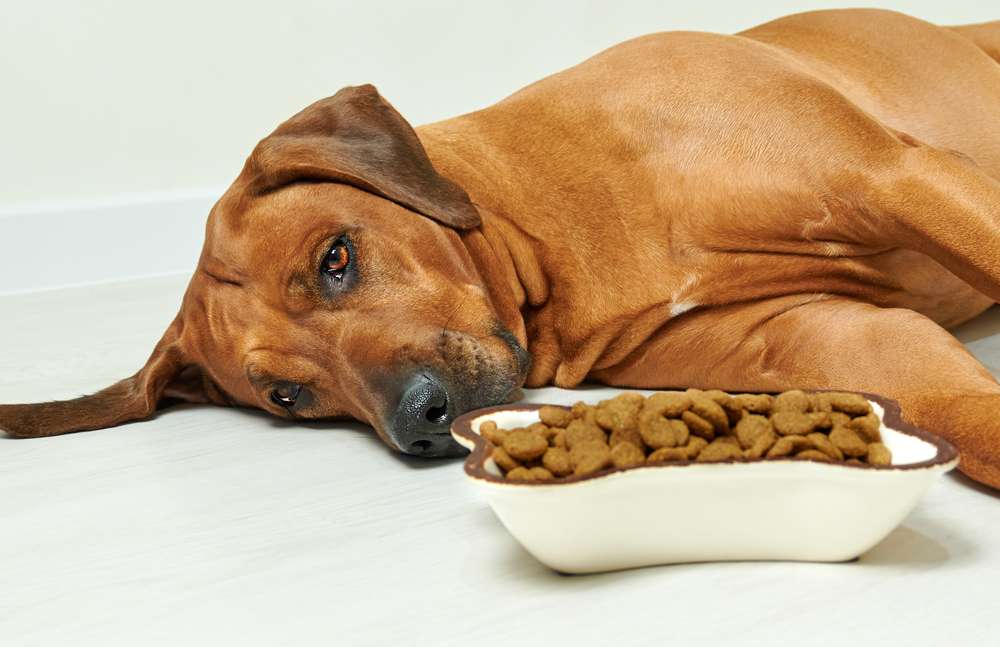
- Eating Too Quickly: Dogs that gulp their food or consume large meals in a short period are at higher risk.
- Excessive Exercise After Eating: Vigorous activity following a meal can increase the likelihood of bloat.
- Genetics: The most commonly predisposed breeds to GDV include large and giant breeds, with Great Danes having the highest incidence. Other frequently affected breeds include standard poodles, Saint Bernards, Irish setters, Gordon setters, weimaraners, Irish wolfhounds, Newfoundlands, akitas, German shepherd dogs, Doberman pinschers, collies, rottweilers, Bernese Mountain dogs, boxers, mastiffs, and more. However, it’s important to note that bloat can occur in dogs of any breed or size.
- Stress or Anxiety: Environmental stressors or changes may trigger episodes of bloat in susceptible dogs.
- Diet: Dogs fed ultra-processed kibble are more likely to bloat than dogs eating raw or gently cooked diets.
Why diet matters: several factors may contribute to this association
- Rapid Eating: Dogs often consume kibble quickly, especially if they are eager or have competition from other pets. Rapid eating can lead to the ingestion of large amounts of air, which may contribute to gastric dilatation.
- Swelling in the Stomach: Kibble has the potential to swell in the stomach when it absorbs fluids. This expansion can contribute to gastric dilatation, especially if combined with rapid eating.
- High Carbohydrate Content: Many commercial kibble diets are high in carbohydrates, which can ferment in the stomach and produce gas, further contributing to gastric distension.
- Lack of Moisture: Dry kibble diets have low moisture content compared to gently cooked or raw diets. Inadequate hydration can affect gastrointestinal motility and increase the risk of bloat.
- Mechanical Factors: The shape and size of kibble may not promote chewing, leading to large pieces being swallowed whole. This can exacerbate the risk of gastric dilatation and volvulus.
Symptoms
- Unsuccessful attempts to vomit, retching.
- Agitation: Panting, whining, or pacing due to discomfort.
- Head hanging and stiff movement, indicating discomfort.
- Burping and excessive drooling, signs of gastric distress.
- Bloated abdomen, visibly distended and very tense.
- Signs of abdominal discomfort or pain, such as restlessness or guarding.
- Symptoms of shock, including pale gums, rapid heartbeat, and weakness.
- Collapse or loss of consciousness, indicating severe distress and potential organ failure.
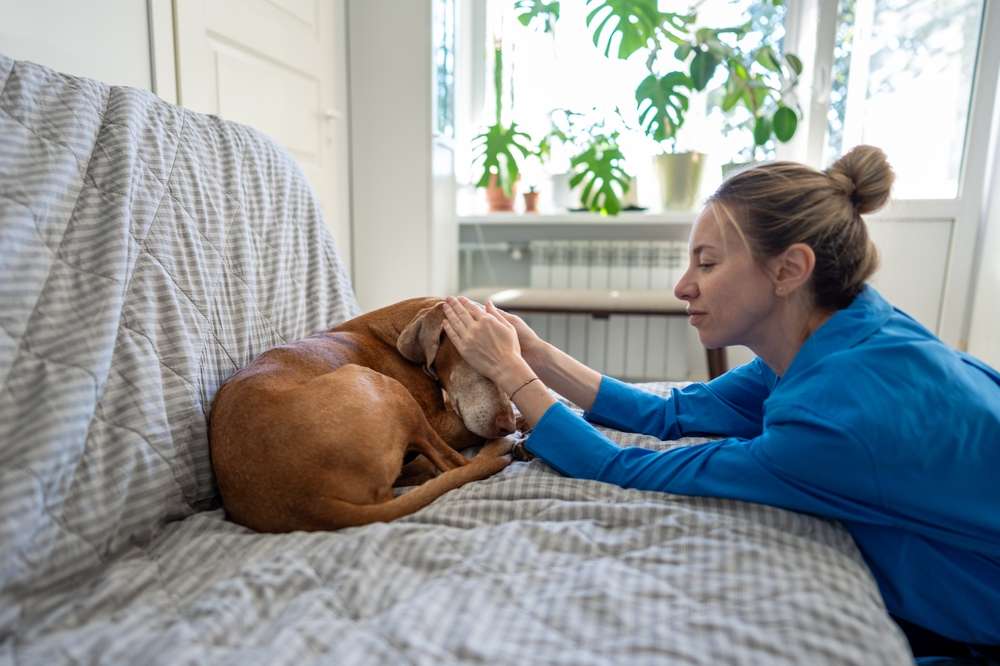
If you notice any of these signs, seek immediate veterinary care as bloat is a life-threatening emergency requiring prompt intervention.
Diagnostics
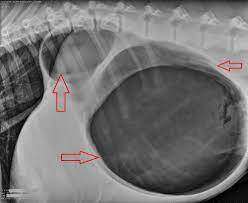 Prompt recognition and diagnosis of GDV are crucial for successful treatment. Common diagnostic tests may include:
- Physical Examination: Your veterinarian will perform a thorough physical assessment, paying attention to signs of abdominal distension, pain, and shock.
- Radiography (X-rays): X-rays can confirm the presence of gastric dilatation and volvulus, as well as assess the extent of stomach rotation.
- Blood Tests: Bloodwork helps evaluate organ function and assess for signs of dehydration or metabolic abnormalities. A CBC/chemistry panel and lactate level are recommended.
Treatment
Treatment for GDV is typically multifaceted and requires immediate intervention to stabilize the patient and alleviate gastric torsion. Treatment may involve:
- Decompression: Emergency decompression of the stomach using a stomach tube or trocar to relieve pressure and facilitate gas expulsion.
- Pain management: This is a very painful condition therefore pain should be addressed ASAP. I usually give my patients fentanyl bolus followed by a fentanyl CRI through surgery and the early post-op period.
- Intravenous Fluid Therapy: Fluids are administered rapidly to address dehydration, restore blood pressure, and support organ function.
- Surgical Intervention: emergency surgery is often necessary to de-rotate the stomach (if volvulus has occurred), assess tissue viability, and perform a gastropexy to prevent future torsion. Occasionally the spleen will also be compromised and require removal. If the stomach blood supply has been cut off for too long then a resection of part of the stomach may be necessary.
- Postoperative Care: Following surgery, your dog will require close monitoring, pain management, EKG monitoring for at least 12 hours ( an arrhythmia called VPC, ( Ventricular Premature Contraction) is a common post-op complication) and supportive care to aid in recovery.
Preventing Gastric Dilatation and Volvulus
While it’s not always possible to prevent GDV entirely, dog guardians can take proactive measures to reduce the risk:
- Feed Smaller, Frequent Meals: Offer multiple smaller meals throughout the day rather than one large meal.
- Use Slow-Feeding Bowls: Specialized bowls can help slow down eating and prevent rapid ingestion of air.
- Avoid Strenuous Activity After Meals: Encourage rest and relaxation for at least an hour after your dog eats.
- Monitor Water Consumption: Limit water intake immediately after meals, especially in predisposed breeds.
- Consider Preventive Gastropexy: In high-risk breeds, surgical gastropexy can be performed to tack the stomach in place, reducing the risk of volvulus. I only recommend this if either: your dog is undergoing abdominal surgery for another intention such as a spay or you have a surgeon who can perform it laparoscopically.
- Diet: A raw or gently cooked diet is not only much healthier for your dog, it also reduces the risks for this condition. I have performed over 200 GDV surgeries in my career and have never had to cut a raw-fed dog.
Prognosis
The prognosis for GDV depends on several factors, including the severity of the condition, the promptness of treatment, and the presence of underlying health issues. While GDV is a life-threatening emergency, many dogs can recover successfully with prompt veterinary care and appropriate management. It is an expensive surgery and guardians will often question if they should put their dogs through it. For this particular condition, my answer is almost always “YES”. If your dog does not have another underlying life-threatening condition then this surgery can often be curative.
Conclusion
As a devoted dog guardian, being informed about gastric dilatation and volvulus is essential for safeguarding your canine companion’s health. By understanding the causes, recognizing the signs, and implementing preventive measures, you can help reduce the risk of GDV in your dog. Remember, swift action and timely veterinary intervention are crucial in the event of a suspected bloat emergency.
Remember, stay vigilant, and prioritize your dog’s well-being. Together, we can keep our canine companions safe from this serious condition.
Registration for The Dog Mom Society is open!
In our community you’ll gain clarity on all things canine nutrition and holistic wellness.
Together, we’ll navigate this journey to enhance your dog’s health, happiness, and well-being.
And you’ll gain the confidence that you’re doing right by your dog every step of the way!