
SYMPTOMS
- Head shaking
- Head tilting towards the side with the infection
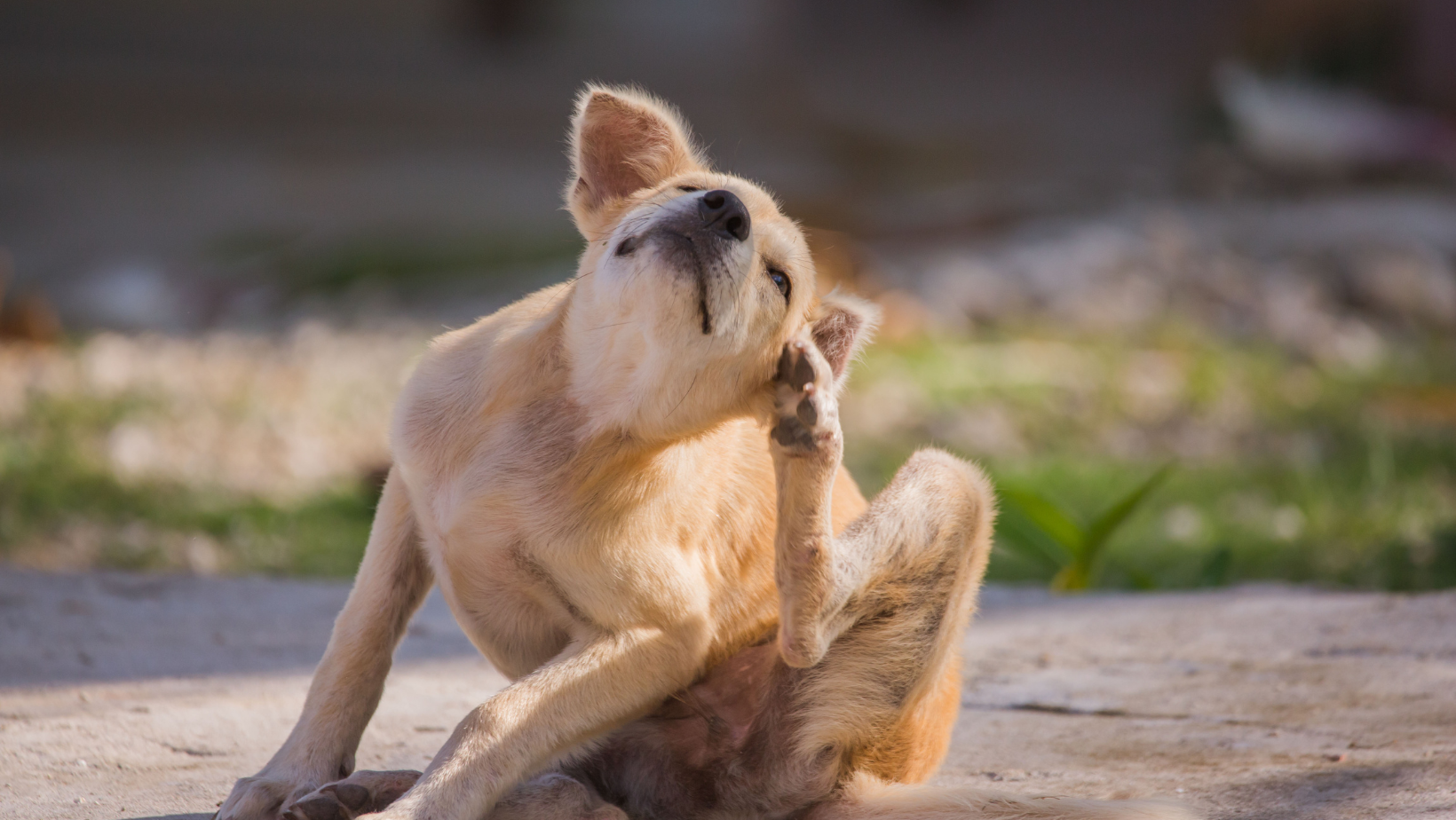
- Scratching or pawing at ears
- Rubbing ears on furniture or carpets
- Hot ears
- Odorous ears
- Waxy discharge
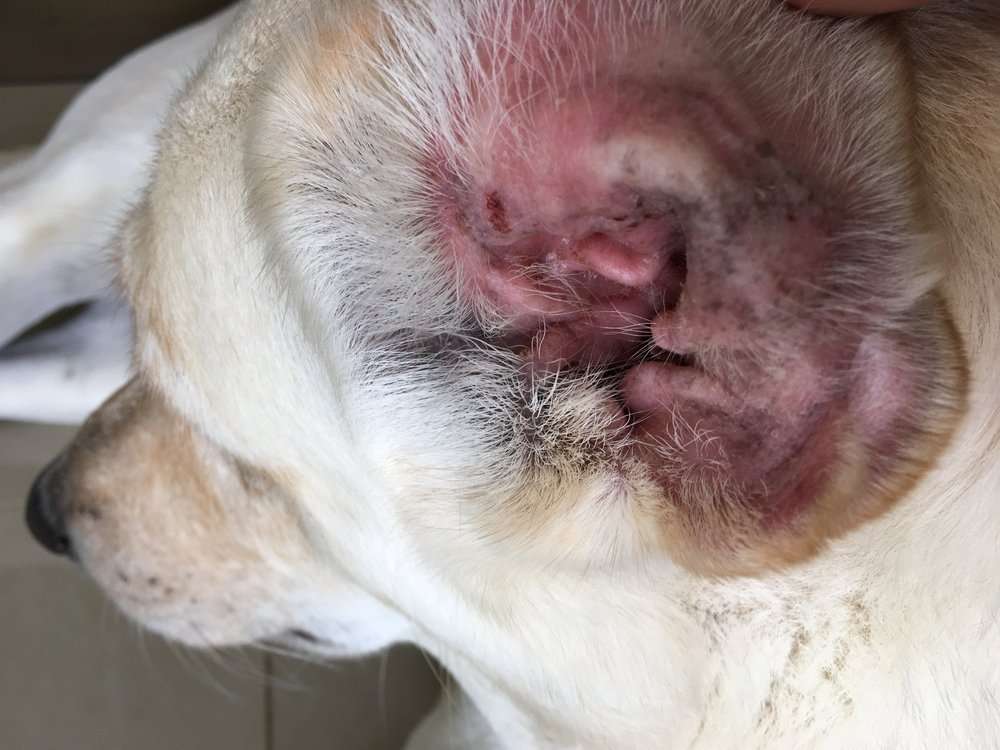
- Crusty, scabby or red, irritated skin inside the ear flap
In severe cases of middle or inner ear infections your dog may experience:
- Hearing loss
- Loss of balance
- Walking in circles
- Dry eye
- Nystagmus (quick side to side eye movements)
- Drooping of eyelids or mouth, drooling to indicate nerve damage
CAUSES
The ears are an extension of the skin and like other skin conditions, ear infections are usually a symptom of a deeper problem.
- Yeast Overgrowth
Yeast exists naturally in healthy ears but can get out of balance causing a yeast infection. If your dog’s ears are yeasty-smelling with a yellow, waxy and sometimes crusty discharge, it’s often yeast overgrowth. The number one cause for this is food allergies.
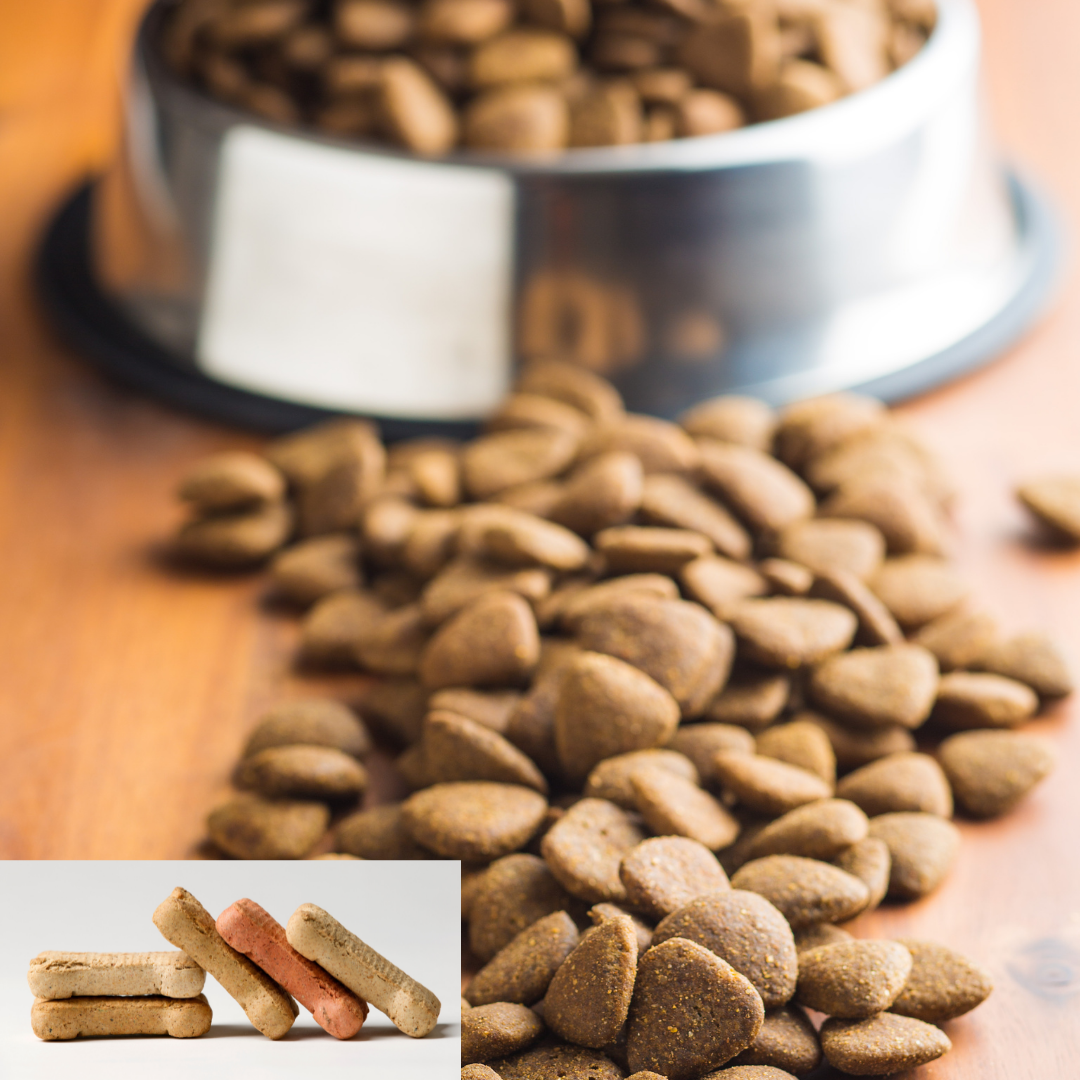
- Diet is a huge factor, especially if your dog eats highly processed kibble, which is high in carbohydrates and synthetic ingredients. Starchy foods feed the natural yeast in your dog’s body so it grows out of balance. Highly processed treats such as milk bones can also cause acute flare ups.
- Bacterial Infection
You may notice a foul-smelling, yellow or light brown discharge. Yellow and smelly often indicates a rod-type bacterial infection which is harder to treat and can sometimes be caused by a resistant bacteria. These types of infections warrant a culture to be sure the correct antibiotic is chosen.
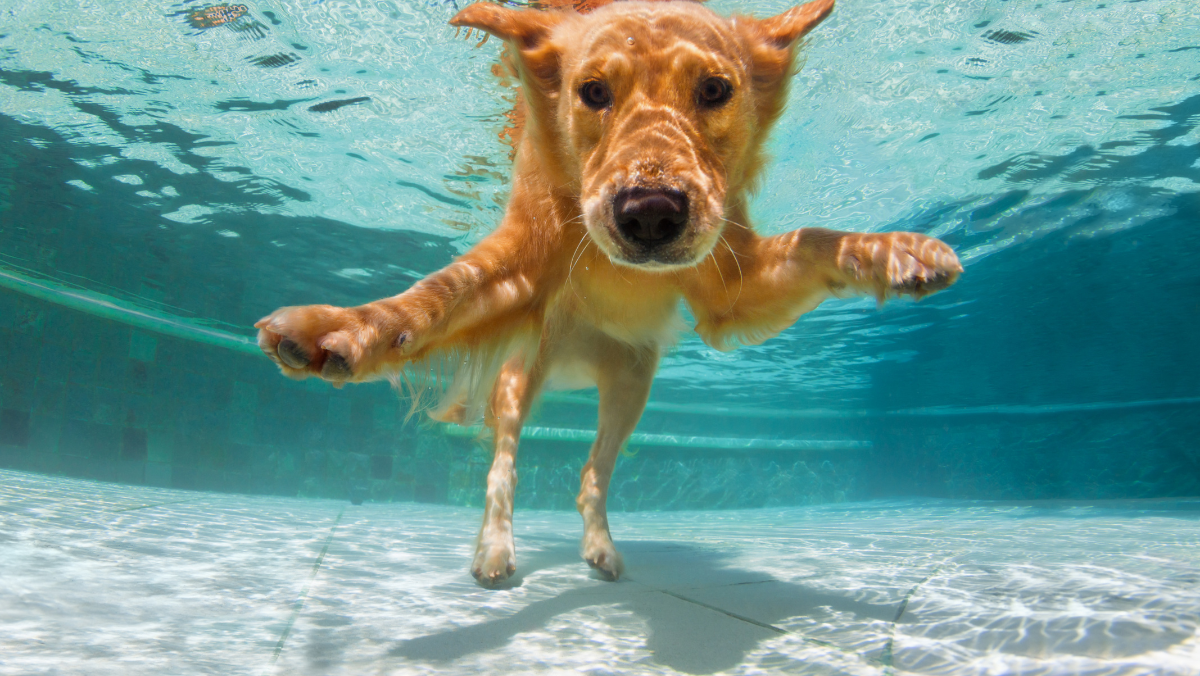
- Retained moisture in the ears from excessive swimming, bathing , etc can be a breeding ground for both yeast and bacteria. Dogs that swim who also have floppy ears are more prone to this. However, this is a less common primary cause.
- Some Dog Breeds are More Susceptible to Ear Infections. They are more common in floppy eared dogs. These dogs’ ears create a cozy environment for bacteria. Certain breeds, such as Poodles, can get them because dense hair traps moisture in the ear canal. Cocker Spaniels have heavy floppy ears to hold in moisture and more secretory glands than other dogs.
- Foreign Bodies
Your dog can pick up grass seeds or foxtails, insects such as ticks, excess dirt, etc. Shaking his/her head excessively may be a symptom of this. The debris in the ears can cause irritation, bacteria or yeast overgrowth. However, this is also a less common cause of ear infections.
DIAGNOSIS
- An ear exam using an otoscope by your veterinarian is recommended to check that the tympanic membrane (ear drum) is intact and to assess the ear canal.
- An ear cytology by your veterinarian will determine if the infection is yeast, bacteria or mixed. This involves taking a swab of the ear discharge and looking at it under the microscope. This will help your vet better target the topical medication.
- An ear culture is recommended if:
- It is a recurring infection
- It is a persistent infection
- Rod-type bacteria are found on cytology (this type of bacteria can be harder to treat).
- Bloodwork– this may be necessary to look for underlying causes if: the ear infections are chronic or if there are other generalized symptoms. Baseline CBC/chemistry and thyroid panel may be indicated.
- For chronic conditions, suspected tumors or foreign bodies a video otoscope may become necessary.

TREATMENT
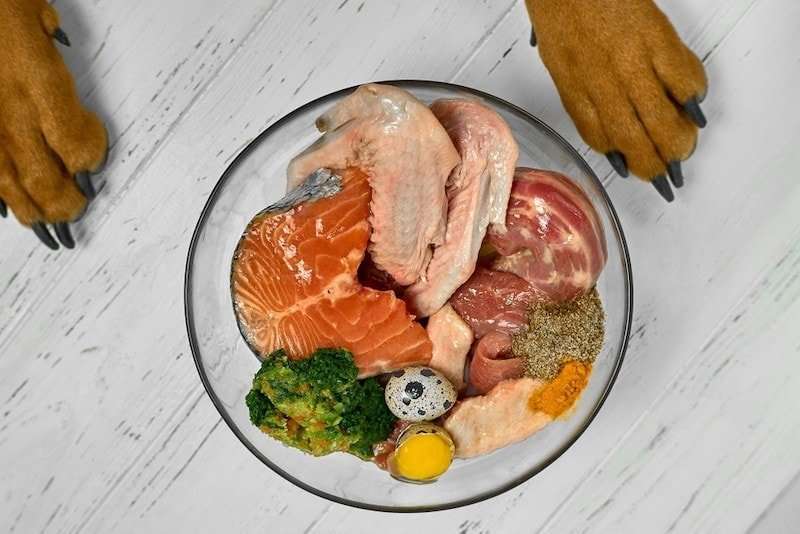
- DIET– Stop all processed kibbles and treats. Switch the diet to a fresh diet options such as:
- Commercial or home-prepared, balanced raw diet
- Commercial or home-prepared, balanced cooked diet
- Grain-free, human grade, dehydrated diet
- Air-dried diet
- Freeze dried diet
*If your dog has other symptoms of skin allergies then start with a novel protein meaning a fresh protein your dog has not been fed before such as duck, venison, rabbit or kangaroo.
- GUT HEALTH is the foundation of immune health and the ears are a window to your dog’s digestive health. About 90% of your dog’s immune system lives in the gut … so gut health leads to overall health. The best ways to promote gut health include:
- A fresh, species-appropriate diet
- Adding a high-quality pre and probiotic. Here is my article on picking the right probiotics http://drloudon.com/pet-health/probiotics/
- Digestive enzymes initially while your dog’s gut flora is recuperating
- TOPICALS for the ears
- Topical antibiotic or anti-yeast drops may be recommended by your veterinarian based on the cytology results. Remember, this is a secondary fix and will not cure the primary problem.
- Ear cleaners–
- A chlorhexidine based cleaner is ideal for a bacterial infection
- An anti-yeast cleaner is best if the infection is yeast overgrowth.
- Here are a few of my favorite natural cleaning agents you can use as preventatives
- Witch hazel- has antibacterial properties that can help reduce inflammation and irritation
- Organic apple cider vinegar (helps maintain the pH balance in your dog’s ear canal) mixed with an equal amount of filtered water
- Equal parts witch hazel and apple cider vinegar.
- Green tea (using cooled tea) –Boil 8 oz of water and add two green tea bags. Let the tea steep for a few minutes and cool to lukewarm temperature. Use a dropper or syringe some of the solution into the ear canal.
- Calendula infusion- Calendula can help relieve pain and reduce inflammation. It also has antimicrobial properties to help prevent infection. To use calendula, buy herbal calendula in tincture form. Add 5 to 10 drops of calendula tincture to 1 cup of lukewarm filtered water. Then use a dropper to place some into the ears.
- Oral Medications
- Avoid oral antibiotics as they can disrupt the bacterial balance in your dog’s gut, which can lead to more health issues due to bacteria or yeast that grow out of control.
- Although I try to avoid steroids when possible, I will use them if there is severe swelling and pain of the ear canal. It is necessary to get the swelling down in order for the ear drops to reach the full canal. I will only prescribe 3-4 doses to get the pain and swelling under control.
- In the case of severely painful infections an added pain medication may be indicated for 2-3 days until the medications start to work.
PREVENTION
- Feed a high-quality, species-specific fresh diet. Stop all processed foods
- Give a daily high-quality pre and probiotic
- Add a high quality omega 3 supplement to your dog’s diet
- It’s so important to thoroughly dry your dog’s ears each time he comes out of the water, has been outdoors in the rain or snow, and after baths.
- You can place cotton in your dog’s ears during baths to prevent water from getting in.
- Keep the ears clean using natural ear cleaners
Check out my blog on choosing a high quality