
Pancreatitis is Inflammation of the Pancreas
First, let’s understand the role of the pancreas…
The pancreas is a pale pink glandular organ that is tucked just under the stomach and along the duodenum (the first part of the upper intestines after the stomach).
The pancreas has two main jobs:
1-Secrete digestive enzymes to help break down the nutrients we eat
2-Secrete insulin and glucagon (to regulate how we use the nutrients we eat).
It’s the digestive enzyme part that concerns us in pancreatitis.
When inflammation occurs it disrupts the normal integrity of the pancreas. Digestive enzymes are normally stored safely as inactive forms within pancreas so that they are harmless. When pancreatitis occurs they are prematurely activated and released internally, digesting the body itself. The result can cause catastrophic metabolic changes. The living tissue becomes further inflamed and the tissue damage can involve the liver (which is adjacent to the pancreas).
Toxins released from the tissue destruction enter the circulation and can cause a body-wide inflammatory response.
Pancreatitis can be acute or chronic, mild or severe.

Causes of Acute Pancreatitis
Dog Breeds at Increased Risk For Pancreatitis
Yorkshire Terriers have increased risk of acute pancreatitis. Miniature Schnauzers (who have issues with fat metabolism) also have a higher risk. Breeds predisposed to chronic pancreatitis include …
Cocker Spaniels
Cavalier King Charles Spaniels
Collies
Boxers
Shetland Sheepdogs
In most cases we never find out the underlying cause, but we do know some conditions that can incite pancreatitis.
Here are some of the common causes:
- A sudden high fat meal is the classic cause of canine pancreatitis. The sudden stimulation to release enzymes to digest fat seems to be involved.
- Obesity has been found to be a risk factor because of the altered fat metabolism that goes along with it.
- Concurrent hormonal imbalance predisposes a dog to pancreatitis. Such conditions include: Diabetes mellitus (approximately 25% of dogs with acute diabetes also have acute pancreatitis), hypothyroidism, and hypercalcemia. The first two conditions are associated with altered fat metabolism and the latter condition involves elevated blood calcium that activates stored digestive enzymes.
- Use of certain drugs can predispose to pancreatitis (sulfa-containing antibiotics such as Trimethoprim Sulfa, certain chemotherapy agents and the anti-seizure medication Potassium Bromide, exposure to organophosphate insecticides has also been implicated as a cause of pancreatitis.
- Trauma to the pancreas that occurs from a car accident or even surgical manipulation can cause inflammation and thus pancreatitis.
- A tumor in the pancreas can lead to inflammation in the adjacent pancreatic tissue.
Symptoms of Pancreatitis
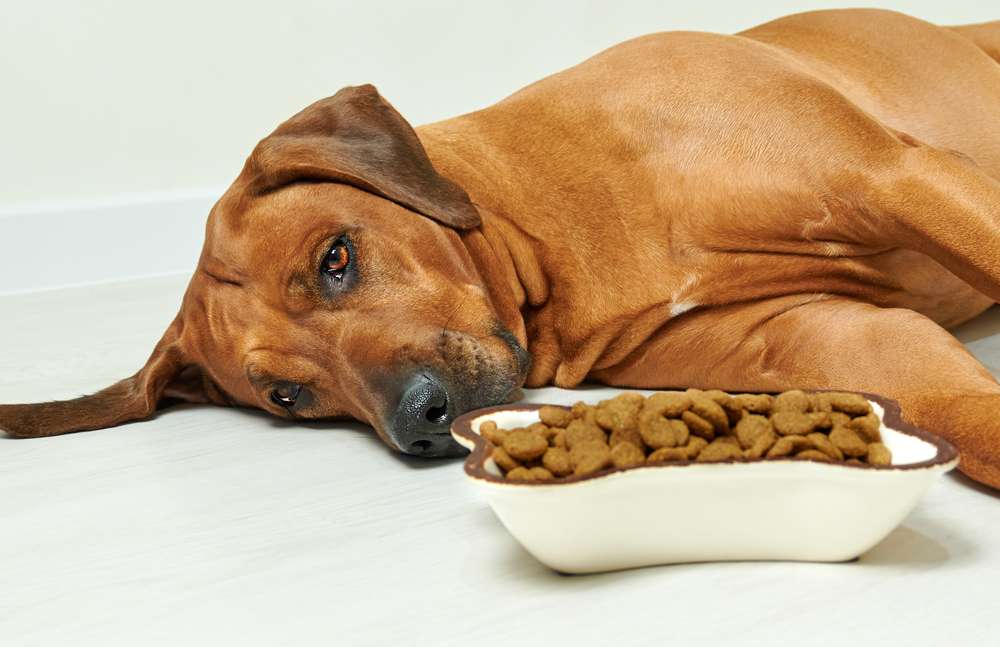
- Appetite loss
- Vomiting
- Nausea
- Diarrhea
- Fever
- Painful abdomen
This picture below is an example of a dog in ‘praying position’ due to a painful abdomen

Chronic Pancreatitis In Dogs
Some dogs develop a low-grade, smoldering form of pancreatitis. This can produce intermittent mild signs of illness such as: Occasional vomiting
Intermittent diarrhea
Lack of appetite
Diagnosis
Bloodwork
- Lipase and Amylase Levels are two pancreatic digestive enzymes. If these enzymes are elevated, it is suggestive of pancreatitis.
- Pancreatic Lipase Immunoreactivity
- A test called the PLI, or pancreatic lipase immunoreactivity is different from the regular lipase level because the PLI test measures only lipase of pancreatic origin and thus is more specific.
- SPEC cPL (specific canine pancreatic lipase) test is an in-house test and can be run quickly and conveniently. This alone does not confirm pancreatitis but points towards it.
- A similar lipase assay called the DGGR Lipase Assay (Precision PSL® test) can be run at a reference laboratory with results obtained usually overnight.
Although these blood tests can point towards a diagnosis of pancreatitis additional diagnostic testing is necessary for a more definitive diagnosis.
Imaging
- Ultrasound detects 68% of cases and provides the opportunity to image other organs as well. This provides the opportunity to catch such complicating factors such as such as blockage of the pancreatic duct, liver disease, tumors, etc.
- Radiographs can show a widening of the angle of the duodenum against the stomach indicating swelling of the pancreas in 24 percent of cases.

Treatment
Most cases require hospitalization anywhere from 24 hours in mild cases to 4 days or more in severe cases.
- The most important feature of treatment is aggressive rehydration with intravenous fluids to restore circulation to the pancreas and support the natural healing mechanisms of the body. Fluids are continued until the patient can reliably drink and hold down adequate fluids.
- Pain management and gastrointestinal protectants for nausea are used to keep the patient comfortable, restore appetite, and support hydration.
- In the past, nutritional support was delayed in pancreatitis patients as it was felt that stimulating the pancreas to secrete enzymes would encourage the on-going inflammation, but this theory has been re-thought. Currently, earlier return to feeding has been found to be beneficial to the GI tract’s ability to resume function.
Antibiotics are usually not necessary in uncomplicated pancreatitis. Concurrent infections such urinary tract infections or sepsis should be confirmed before antibiotics are used in cases of pancreatitis.
Return of appetite and resolution of vomiting/diarrhea and abdominal pain generally means the patient is ready to be discharged from the hospital.
Diet Is Key to Management of Chronic Pancreatitis
I recommend starting with a bland, low fat diet while dogs are recovering from a pancreatitis episode, whether acute or chronic.
Cooked ground turkey or chicken breast with mashed sweet potato is a great option.
For a long term maintenance diet, a fresh, low-fat diet is recommended
- A balanced homemade whole food diet is my first choice immediately following a pancreatic episode. Be sure a home-cooked diet is balanced by using recipes from trusted sites such as balanceit.com or by adding a base such as Dr. Harvey’s.
- A raw diet is a great choice. Raw, uncooked foods contain an abundance of live, active enzymes. These living enzymes help with the digestion process, and can reduce stress on the pancreas that is forced to produce additional enzymes to break down the food. Avoid meat proteins that are high in fat, such as lamb and pork. Instead, feed meats that are lower in fat, like chicken, turkey or beef. There are many great commercially prepared raw diets on the market. I do recommend introducing or re-introducing it slowly after an episode of pancreatitis. Be sure symptoms have been resolved for more than 2 weeks.
- Commercial cooked diet options include NomNomNow and Balanced Remedy from JustFoodforDogs.
- A dehydrated grain free diet such as Honest Kitchen or Dr. Harvey’s is another good option.
- Do not give kibble. Dry food is a bad choice due to the high carbohydrate content, sprayed-on fats, heat processing, low moisture, lack of live nutrients.
Avoid
High fat foods such as cheese, baked goods, peanut butter, fried foods, fatty meats such as bacon, chicken skin, gravy and high fat treats such as pig’s ears.
Supplements are important to support dogs with Pancreatitis
- Digestive enzymes
- Pre and probiotics
- Omega-3 fatty acids
- Antioxidants
- Herbs, such as milk thistle, ginger, and turmeric can help maintain healthy liver function and may thus be useful to support animals with pancreatitis.
Alternative therapies
such as acupuncture and homeopathy may also be helpful approaches for the pain and nausea associated with pancreatitis.
Prognosis:
Mild to moderate cases of pancreatitis have a good prognosis especially if treatment is pursued at the first onset of symptoms.
Cases of severe pancreatitis can have a more guarded prognosis.
In rare cases, dogs can also develop severe necrotizing pancreatitis in which entire portions of the pancreas are completely destroyed and in these cases prognosis is poor.
Longstanding chronic pancreatitis can lead to type 1 diabetes or pancreatic insufficiency. This is due to gradual loss of cells and replacement with scar tissue over time.
How To Prevent Pancreatitis In Dogs
Many variables can be involved in pancreatitis so there is no guarantee regarding prevention. However, these recommendations can give your dog the best chance of avoiding pancreatitis:
- Feed a healthy, fresh low fat diet.
- Give the supplements suggested above.
- Maintain a healthy weight by providing adequate exercise. Keep your dog on the lean side.
- Avoid over-vaccination. Vaccines are a major factor in autoimmune and inflammatory conditions.
Check out my blog on Choosing The Right probiotic