
Introduction
If your dog has been scratching endlessly, sneezing out of nowhere, or dealing with watery eyes, you’re not alone.
Allergies in dogs are on the rise — and many pet owners are left wondering: “Is it something my dog ate… or something in the environment?”
Understanding whether your dog is facing food allergies or environmental allergies is key to giving them real relief. Let’s dive into how you can tell the difference and manage each one naturally — setting your pup up for a healthier, happier life. ????
What Are Dog Allergies, Really?
Allergies happen when your dog’s immune system mistakes something harmless for a real threat.
Instead of ignoring things like pollen or chicken, the body overreacts — releasing chemicals that cause itching, swelling, redness, or stomach problems.
The immune system’s job is to fight off serious dangers like bacteria and viruses, but with allergies, it sounds the alarm for no good reason.
It’s like a fire alarm screaming just because you burned a piece of toast. ????????
Even the tiniest exposure can set off a big reaction when the immune system gets confused.
Common Symptoms of Dog Allergies (Food vs. Environmental)
Symptoms of Food Allergies:
- Chronic ear infections (especially yeast-based)
- Persistent itching year-round (face, paws, belly)
- Vomiting or diarrhea
- Gas, bloating, or inconsistent stools
- Red, inflamed skin or bald patches
Symptoms of Environmental Allergies:
- Itching that flares seasonally (spring, summer, fall)
- Watery, red eyes
- Sneezing fits
- Licking or chewing the paws after walks
- Skin redness right after outdoor time
- Frequent skin or ear infections during high pollen seasons
???? Quick Tip: If your dog itches even in the dead of winter when everything outside is frozen, food allergies may be the culprit.
How to Tell the Difference: Key Clues
Timing is Everything
- Food allergies cause symptoms all year long.
- Environmental allergies tend to flare up seasonally, tracking with blooms, pollen, or mold.
Where It Hurts
- Food allergies often affect the ears, paws, face, and digestive system.
- Environmental allergies tend to cause eye irritation, paw licking, and seasonal skin rashes.
Use an Allergy Journal ????
Keeping a simple daily log of:
- Symptoms
- Foods eaten
- Walks/weather
- Household items: candles, sprays, cleaning products, etc.
- New treats, products or exposures can reveal powerful patterns.
Testing and Trials
- Food Elimination Diets: Feed a novel protein + simple ingredients for 8–12 weeks.
- Environmental Testing: Skin prick or blood tests to identify reactions to pollen, dust, mold, or mites.
Diagnosing Allergies
Your best partner in this detective work? A trusted holistic or integrative vet who understands allergies.
They might recommend:
- A strict elimination diet to rule out food causes first. (Don’t agree to ultra-processed prescription diets!)
- Food sensitivity testing
- Allergy testing for environmental triggers if food isn’t the issue.
- Considering “cross-reactivity,” where a dog is allergic to both food and environmental factors.
Patience is key — proper diagnosis can take months, but the reward is life-changing for your dog.
Managing Food Allergies Naturally
Once food allergies are confirmed:
Go Limited Ingredient
Use a simple, wholesome diet focusing on:
- Novel proteins (like venison, duck, rabbit)
- Clean, minimal ingredients
- No artificial additives
Fresh, Whole Food Wins
Fresh diets (raw or lightly cooked) offer:
- Better nutrient absorption
- Stronger immune support
- Reduced gut inflammation
Boost Gut Health
- Probiotics to balance gut flora
- Omega-3 fatty acids for anti-inflammatory support
- Digestive enzymes for better food breakdown
- Consider fecal transplant ( FMT) if allergy symptoms are severe
Healing the gut can dramatically reduce allergy symptoms over time.
Managing Environmental Allergies Naturally
When pollen, dust, or mold are the enemies:
Reduce Exposure
- Wipe paws and belly after walks using unscented baby wipes, a damp organic cotton cloth, or a diluted apple cider vinegar spray (1 part ACV to 4 parts water) if there are no open wounds.
- Bathing weekly with gentle, natural shampoos: I love 4-Legger!
- Using air purifiers indoors
- Avoiding walks during peak pollen times (early mornings)
Natural Remedies
- Quercetin (“Nature’s Benadryl”) helps calm inflammation.
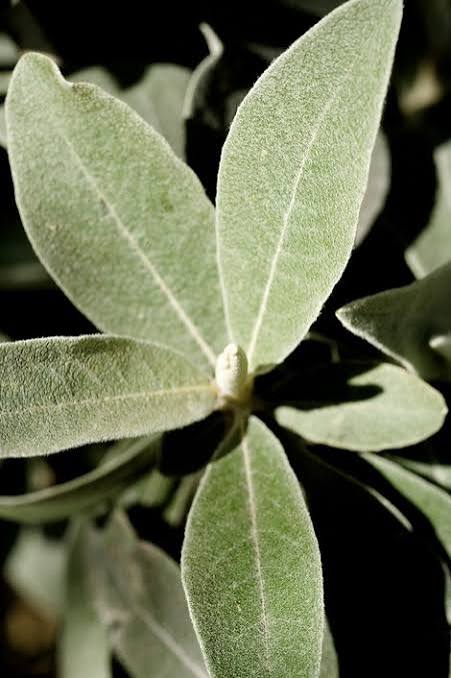
- Nettle leaf acts as a gentle antihistamine.
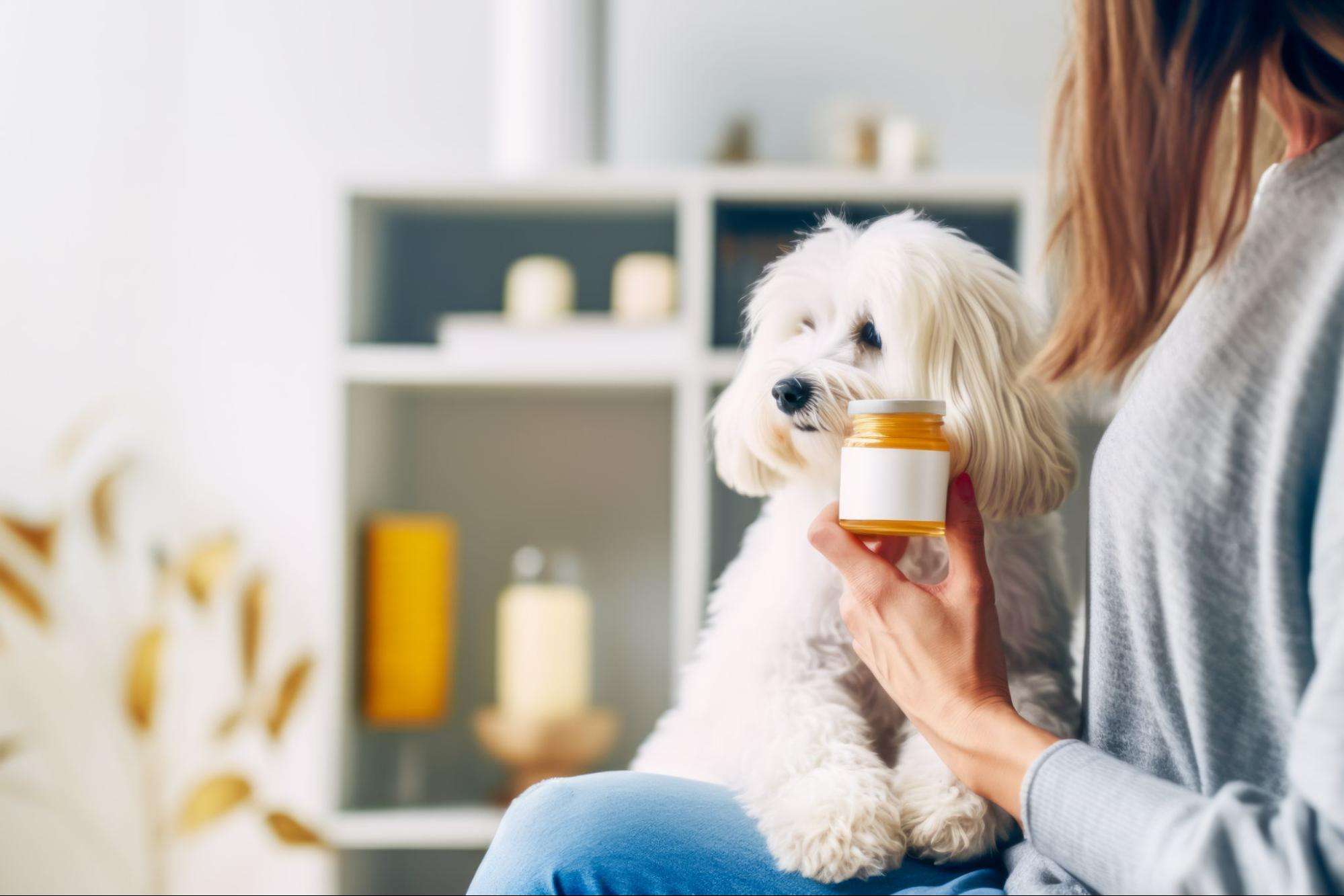
- Local raw honey may help build pollen tolerance over time (tiny amounts!).
- Check out my blog on natural remedies for allergies
Strengthen the Skin Barrier
- Coconut oil massages- I love Cocotherapy
- Omega-3 supplementation-check out my blog on omega 3s
- Gentle moisturizing sprays: Here’s one of my recipes:
- Gentle Moisturizing Paw & Belly Spray
- 1 cup distilled water
- 1 tablespoon organic aloe vera juice (pure, no additives)
- 1 teaspoon organic coconut glycerin (for moisture, optional)
- Optional: a splash of chamomile hydrosol for extra soothing
- Shake gently before use. Lightly mist paws and belly after walks, then wipe with a soft cloth.
- Gentle Moisturizing Paw & Belly Spray
A strong, healthy skin barrier is your dog’s first line of defense against allergens.
Conclusion: Know the Difference, Help Your Dog Thrive
Distinguishing between food and environmental allergies can feel like a daunting puzzle at first — but it’s one worth solving.
With careful observation, smart testing, and a little help from natural remedies, you can uncover the root cause of your dog’s discomfort and give them a much better life.
FAQs
Q: Can a dog have both food and environmental allergies?
A: Absolutely. Some dogs react to both, requiring a combination of diet management and environmental adjustments.
Q: How long does an elimination diet take to show results?
A: It usually takes 8 to 12 weeks to notice improvements and pinpoint food allergies accurately.
Q: Can puppies develop allergies?
A: Yes! Puppies as young as six months can show early signs of allergies, especially if gut health is compromised.


One Comment
Comments are closed.




















Thank you so very much Dr . Your information is absolutely the. Best . Very informative.
Lee