
Introduction
Discover how your dog mirrors your physical and emotional health. Learn the science behind emotional and illness mirroring in dogs and explore simple, effective strategies to nurture both your well-being and theirs.
The Silent Language of Connection
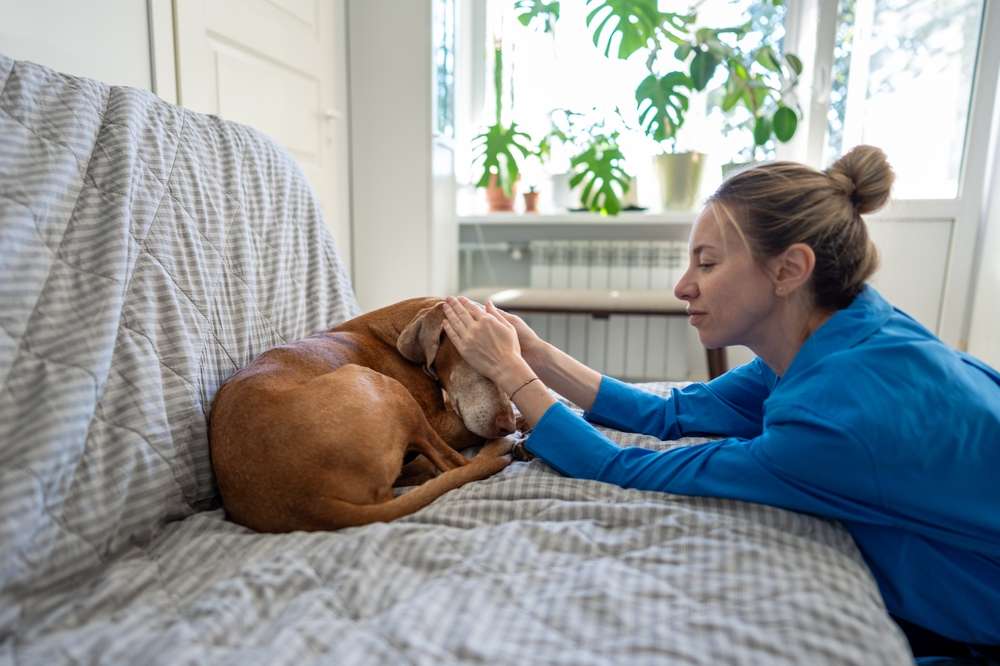
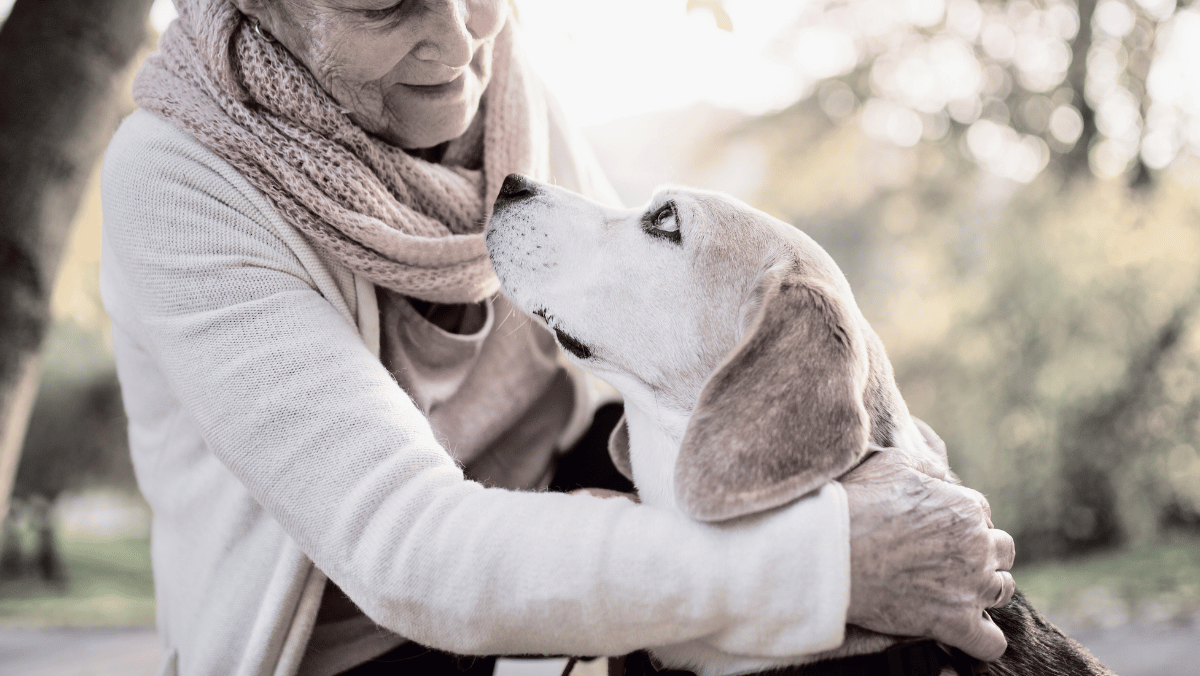
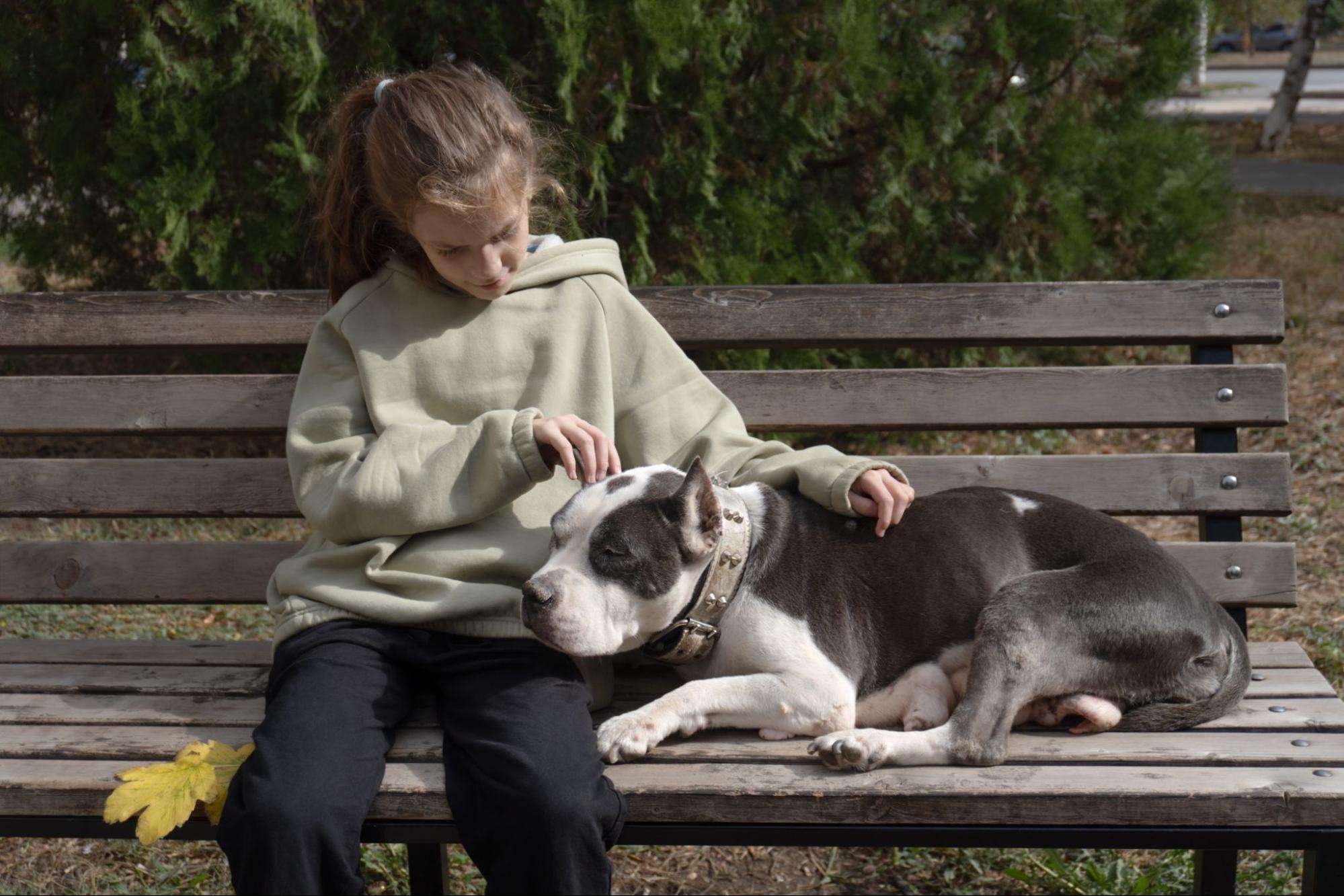
There’s an almost magical quality to the way our dogs seem to “just know” how we’re feeling. They snuggle close when we’re down, bounce with joy when we’re happy, and sometimes, they even mirror our discomfort. This profound connection transcends mere companionship—it’s a reflection of shared energy, emotions, and, in some cases, even physical ailments.
Let’s delve into how your emotional and physical states influence your dog’s well-being and discover empowering ways to nurture both your lives.
The Science of Emotional Mirroring in Dogs
Dogs have evolved alongside humans for millennia, forging bonds that go beyond loyalty. Recent research reveals that dogs don’t merely respond to our emotions—they mirror them.
This mirroring behavior is believed to be linked to mirror neurons, specialized cells that enable dogs to “read” and reflect our emotions.
- Stress Synchronization: A study by Sundman et al. (2019) found that long-term stress levels, measured via hair cortisol concentrations, are synchronized between dogs and their owners. This synchronization was particularly pronounced among female dog owners. Nature
- Behavioral Synchronization: Lamontagne and Gaunet (2024) suggest that dogs exhibit behavioral synchronization with humans, potentially underpinned by interspecific motor resonance—a mechanism involving mirror neurons that allows dogs to mirror human behaviors and emotions. MDPI
These findings highlight that dogs don’t just observe our emotional states—they experience them alongside us.
How Your Anxiety Affects Your Dog
Dogs are sensitive emotional barometers. If you’ve noticed your dog becoming restless or withdrawn during your anxious moments, it’s not your imagination. Dogs often display:
- Increased clinginess or hypervigilance
- Avoidance behavior or withdrawal
- Destructive behavior or excessive barking
- Restlessness or difficulty settling
A study in Scientific Reports (2019) revealed that dogs owned by individuals with higher anxiety levels were more likely to exhibit behavioral problems, including separation anxiety and fear-based aggression. Nature
Your emotional state directly influences your dog’s behavior. When you find calm, they often do too.

Physical Illness Mirroring – Can Dogs Sense and Reflect Our Health?
Your dog may be more attuned to your body than you realize. Dogs can detect cancer, anticipate seizures, and alert to blood sugar drops. More subtly, they can mirror physical symptoms, especially in close-knit households.
Some pet owners report their dogs developing joint stiffness, fatigue, or digestive issues alongside their own chronic conditions. Shared lifestyle factors—diet, exercise patterns, and environmental exposures—play a role. Beyond that, the emotional strain of living with a sick owner can manifest physically in dogs.
In essence, your dog not only senses your illness but also reflects its emotional and biological weight.
Shared Gut, Shared Health
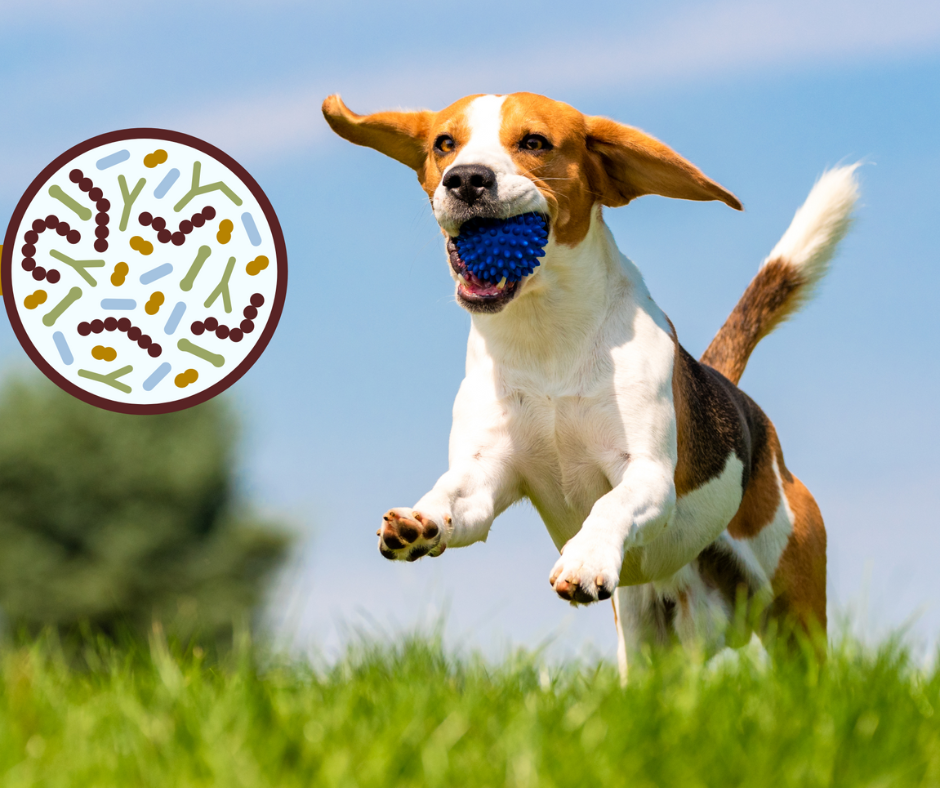
One of the most fascinating discoveries in recent research is that you and your dog share microbiomes—the colonies of bacteria in your gut.
- Microbiota Sharing: Overgaauw et al. (2020) found that cohabiting dogs and owners share gut bacteria, particularly those who sleep together or engage in affectionate contact. PubMed
- Health Benefits: Surette et al. (2016) reported that microbial diversity increases in homes with dogs, benefiting both species with enhanced immunity, digestion, and mental resilience.
This shared microbiome affects:
- Immune function
- Inflammation
- Hormone balance
- Mental health via the gut–brain axis
What nurtures your body nurtures theirs. What imbalances yours echoes in them.
When the Mirror Reflects Back
It’s not just your dog mirroring you—you mirror them too. When your dog is anxious, unwell, or in pain, you often feel it in your own body and mind.
Barcelos et al. (2023) found that pet guardians of anxious or ill dogs commonly experience heightened anxiety, emotional exhaustion, and physical fatigue. This phenomenon stems from emotional contagion, disrupted routines, and a profound empathetic bond between you and your dog. MDPI
Caregivers may experience:
- Chronic fatigue
- Mood swings and irritability
- Heightened anxiety or caregiver burnout
- Physical symptoms like muscle tension or illness
You and your dog aren’t just companions—you’re energetic reflections of each other. Their suffering resonates through your nervous system. Their peace becomes your peace.
The Impact of Your Energy on Your Dog’s Behavior and Well-being
Energy is contagious—especially to a creature whose world revolves around you.
A dog living with a calm, emotionally stable owner is more likely to be relaxed, confident, and socially adaptable. Conversely, a dog cohabiting with high emotional tension may exhibit hyperactivity, reactivity, or withdrawal. This isn’t “bad behavior”—it’s behavior shaped by emotional proximity.
Physiologically, dogs and humans share stress responses, particularly involving the sympathetic nervous system. This “fight or flight” reaction is activated when you’re anxious—and your dog’s may trigger too.

Solutions and Holistic Strategies to Protect You and Your Dog
Creating emotional harmony is key to protecting your dog. Here’s how:
- Practice Mindfulness with Your Dog:
Daily meditations or breathwork routines can soothe both of your nervous systems. Dogs respond to the tone and pace of your breathing and voice. - Maintain Structured, Calming Routines:
Predictable daily patterns reduce stress in dogs. Regular walks, consistent feeding times, and quiet time routines offer reassurance and stability. - Exercise Together:
Movement is healing. Walks, runs, and playtime release endorphins for both species and reduce anxious energy. - Create Calming Environments:
Use pheromone diffusers, calming music, or safe spaces to help your dog decompress. Avoid high-conflict energy or overstimulation indoors. - Conduct Emotional Check-ins:
Tune into your state before engaging with your dog. Are you projecting stress or love? Dogs feel the difference.
Seek Professional Support:
Working with a vet, trainer, or behaviorist helps identify stress-related symptoms in your dog. Pet-friendly therapists and holistic practitioners can support your co-healing journey.
Building a Healthier, Harmonious Bond
Your dog reflects more than your schedule—they reflect your soul. By managing your own emotional and physical well-being, you’re actively caring for your dog’s health too. Together, you form a circle of healing, trust, and deep companionship.
So the next time your dog seems unusually anxious, fatigued, or out of sorts, take a moment. Pause. Breathe. Look inward.
Ask yourself gently:
“What might my energy be telling them?”
In that quiet reflection lies the beginning of healing—not just for your beloved companion, but for you as well.
By honoring this sacred bond, by tending to your own well-being with compassion and care, you offer your dog the greatest gift: a life anchored in emotional balance, vibrant health, and unconditional love.
Because when you thrive, so do they.
FAQs
Can my dog sense when I’m anxious or depressed?
Yes. Dogs are highly attuned to human emotions. They perceive subtle cues through your body language, tone of voice, scent, and overall energy.
Why does my dog act sick when I’m unwell?
Dogs may mirror your physical or emotional symptoms due to shared environmental exposure, empathic bonding, or stress-related shifts in their routine.
How can I stop my dog from picking up my stress?
The key is self-regulation. Practicing mindfulness, creating calm environments, and maintaining healthy routines can help soothe both of your nervous systems.
What behaviors show that my dog is mirroring me?
Watch for changes in their energy—clinginess, restlessness, appetite changes, or mirrored physical ailments may all be signs of emotional mirroring.
Do dogs really feel what we feel emotionally?
Yes. Studies show that dogs not only empathize with us—they physically and behaviorally reflect our emotional states, forming a unique bond of mutual emotional resonance.