
Introduction: Why Nutrition is Your Pet’s First Line of Defense
As an integrative veterinarian with over 23 years of experience, I’ve seen firsthand how nutrition profoundly impacts a pet’s ability to fend off external parasites like fleas and ticks. While many people jump to topical treatments or sprays, the internal health of your pet—especially their gut health—plays an equally critical role. In this article, we’ll explore how a nutrient-rich, balanced diet strengthens your pet’s natural defense mechanisms and repels pests in a gentle, sustainable way.
The Gut-Immune-Pest Connection
Your pet’s gastrointestinal tract isn’t just responsible for digestion—it’s also home to roughly 70-80% of their immune system. When the gut flora is thriving, your pet’s body is better equipped to combat inflammatory responses and parasitic invasions. A healthy microbiome acts like an invisible shield, signaling immune cells to respond more efficiently to flea and tick bites and even making your pet less appealing to these parasites in the first place.
Apple Cider Vinegar: A Natural pH Balancer
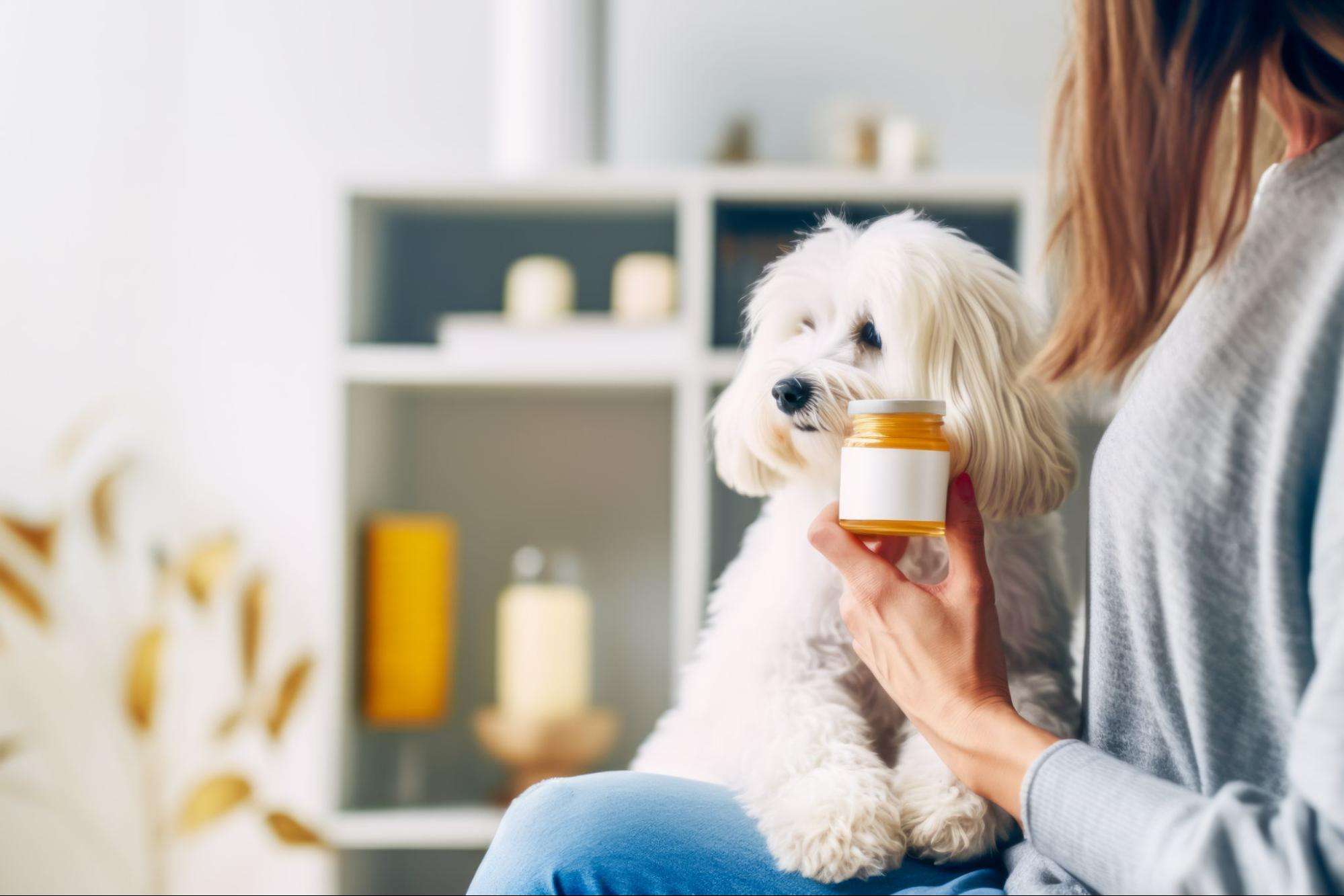
Apple cider vinegar (ACV) can be a game-changer in your pet’s anti-parasite toolkit. Adding a small amount to your pet’s water or food can help maintain an optimal internal pH level, creating an environment that fleas and ticks find uninviting. ACV also supports digestive health by promoting the growth of beneficial bacteria in the gut.
Dosage: For dogs, 1 teaspoon per 50 lbs of body weight, diluted in water or food.
*Tip: Always use raw, organic, unfiltered ACV with the “mother” for the best results.
Garlic: Nature’s Flea Deterrent (In Safe Doses)
Garlic is often misunderstood in the pet world. While high doses can be harmful, small, carefully measured amounts can be incredibly effective in repelling fleas and ticks. Garlic contains sulfur compounds that are excreted through the skin, making your pet less attractive to pests without any artificial chemicals.
Safe Dosage: Fresh garlic, finely minced. Approximately 1/4 clove for a small dog (under 20 lbs), 1/2 clove for medium dogs (20-50 lbs), and up to 1 clove for large dogs (over 50 lbs). Avoid garlic in cats unless directed by a knowledgeable vet.
Frequency: 2-3 times a week is usually sufficient during high flea season.
Omega-3 Fatty Acids: Anti-Inflammatory Powerhouses
Omega-3s are crucial not just for skin and coat health but also for reducing the inflammation that flea and tick bites can cause. Pets with sufficient levels of omega-3s are less prone to allergic reactions and itching, which means even if a flea finds its way onto your pet, the bite is less likely to turn into a full-blown skin issue.
Sources: Cold-water fish like sardines and salmon, flaxseed oil, and krill oil.
*Tip:Look for pet-specific omega-3 supplements to ensure proper EPA and DHA ratios.
Check out my blog on omega 3s: http://drloudon.com/pet-health/the-best-way-to-provide-your-dog-with-omega-3s/
Probiotics: The Foundation of Gut Health
Probiotics help maintain a balanced microbiome, which is essential for optimal immune response. Supplementing your pet’s diet with high-quality probiotics ensures a stable internal environment that discourages pest infestation from the inside out.
Form: Choose a probiotic formulated specifically for pets with multiple strains of beneficial bacteria or add probiotic-rich foods to their diet. Check out my blog on probiotics: http://drloudon.com/pet-health/how-to-nurture-your-dogs-gut-health-through-probiotics/
Bonus: A healthy gut also means better nutrient absorption and less inflammation overall.
Fresh is Best: Why Whole Food Diets Nurture a Healthier Microbiome
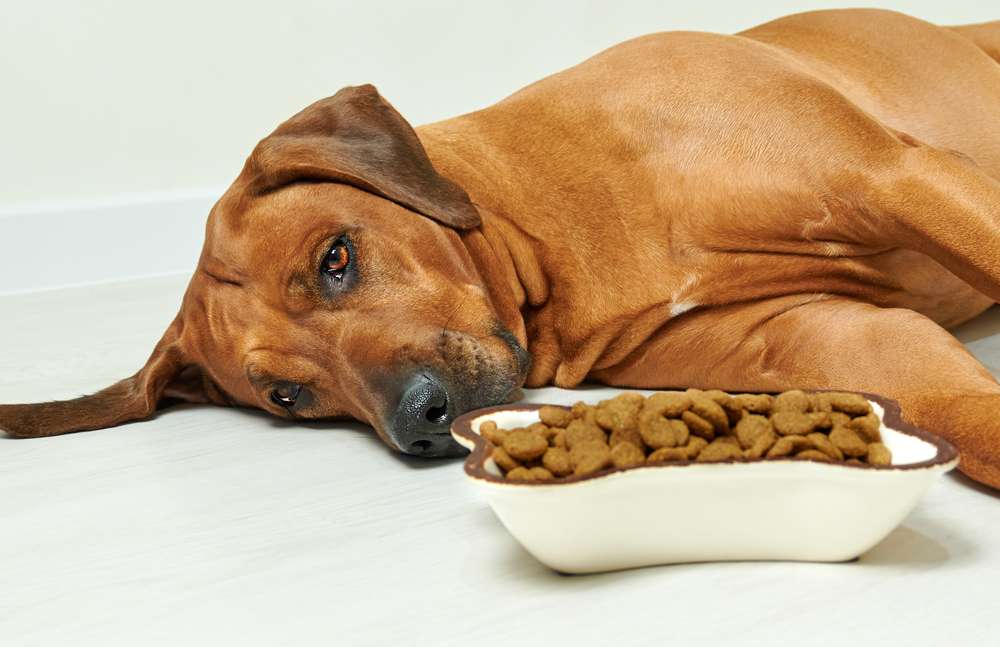
Feeding your pet a fresh, whole food diet is one of the most effective ways to support long-term gut health and immune function. Unlike ultra-processed kibble, which often includes feed-grade ingredients, high-heat processing, artificial preservatives, and excessive starches, a fresh diet is rich in bioavailable nutrients, natural moisture, and digestive enzymes. These elements nourish the gut lining, encourage beneficial bacteria, and reduce the risk of inflammatory conditions.
Whole foods also lack the hidden toxins and allergens common in kibble, such as mycotoxins and storage mites, which can disrupt the gut and compromise your pet’s immune defense. Switching to a raw or lightly cooked fresh diet not only promotes a more diverse and resilient microbiome but also results in better skin health, lean muscle mass, and overall vitality—making your pet less attractive to fleas and ticks naturally.
To learn more, visit my in-depth guide: http://drloudon.com/pet-health/feeding-your-dog-for-vitality-why-dry-kibble-is-not-the-best-choice/
Conclusion: Build Resilience From the Bowl Up
By focusing on your pet’s gut and internal health, you’re not just preventing fleas and ticks—you’re creating a stronger, more resilient animal from the inside out. With the right nutritional strategies, you’re giving your pet the best chance to naturally repel pests while enhancing their overall well-being.
If you are looking for additional information, you can download my complete, step-by-step guide “8 Powerful Natural Solutions to Get Rid of Fleas & Ticks – Safely and Effectively” for the best natural products that protect your pets & home— for just $9.99. Click below!