
Introduction
Our four-legged companions are more than just pets; they’re beloved members of our families. When your furry friend faces a medical issue that may require surgery, it’s a tough decision to make. Before making a decision, it’s crucial to consider various factors to determine if surgery is the right choice for your dog. This blog will guide you through the process, covering prognosis, quality of life, aftercare, financial obligations, your dog’s current condition, along with other important considerations before making this difficult decision.
Prognosis
One of the first steps in deciding whether surgery is the right choice for your dog is understanding the prognosis. Consult with your veterinarian to assess the likelihood of success and the potential risks involved. Ask questions such as:
- What is the medical condition your dog is suffering from?
- Are there alternative treatments, or is surgery the best option?
- What are the expected outcomes, and how long will recovery take?
- What are the potential complications or risks during surgery?
- How can we prepare for surgery in a way that decreases potential risks?
Having a clear understanding of the diagnosis and prognosis will help you make an informed decision about your dog’s treatment.
Quality of Life
Consider your dog’s quality of life before and after surgery. Think about factors like pain, mobility, and overall well-being. If your dog’s condition severely impacts their quality of life and the surgery offers a reasonable chance of improvement, it may be the right choice. On the other hand, if surgery is unlikely to significantly enhance their well-being and comfort, you might want to explore alternative options.
Aftercare Following Surgery
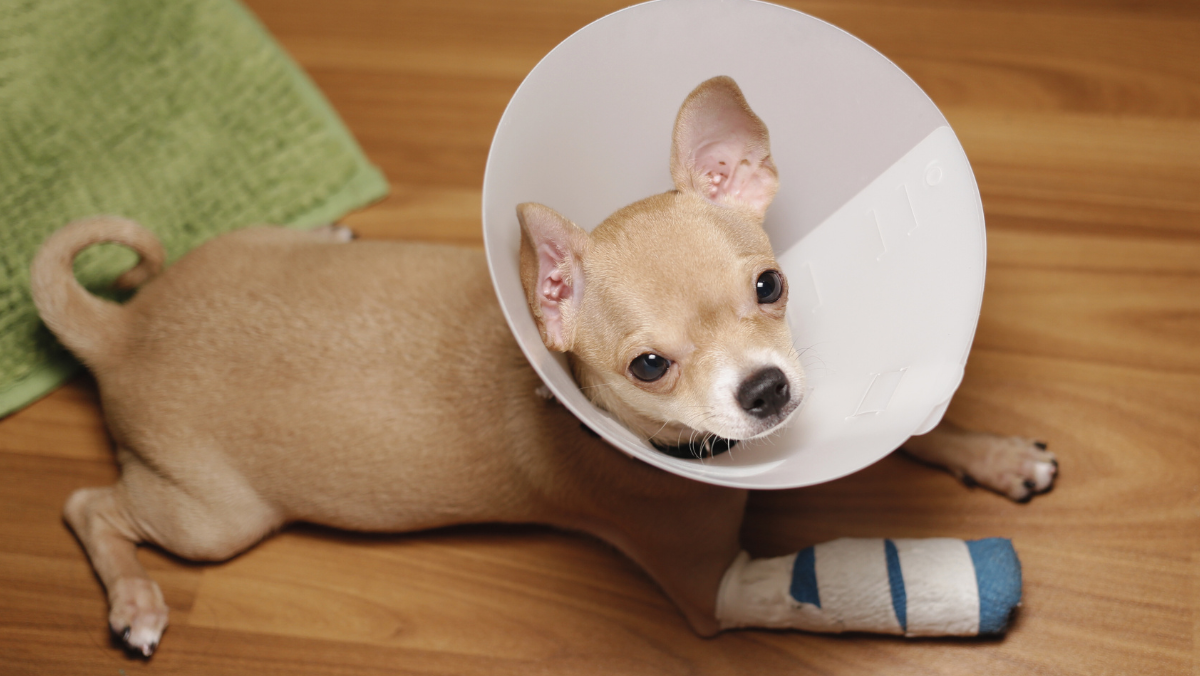
After the surgery, your dog will require proper aftercare to ensure a smooth recovery. This will likely include medication, wound care, physical therapy, and monitoring. Discuss the aftercare process with your veterinarian, and be honest with yourself about your ability and willingness to provide the necessary care. If you’re unable to commit to post-operative care, it might be best to reconsider surgery.
Financial Obligations
Surgery can be costly, and the financial aspect is a significant consideration. Be prepared for procedures, anesthesia, medications, and post-operative care expenses. If the financial burden is too heavy for you to bear comfortably, it’s essential to explore other options, such as payment plans, pet insurance, or assistance programs. There may be less expensive surgeons in your area. Starting a separate bank account or enrolling in pet insurance prior to a problem is your best chance at preventing finances from paying a roll in your dog’s health decisions.
Your Dog’s Current Condition
Your dog’s overall health and condition are crucial in making the decision. Pre-existing medical issues, age, and the dog’s ability to withstand anesthesia and surgery should be evaluated. Some conditions may increase the risks associated with surgery, while others might lower the chances of a successful outcome.
Key Considerations Prior to Surgery
Before proceeding with surgery, it’s essential to consider other factors, including:
- The expertise and reputation of the veterinary surgeon. A board-certified surgeon may be a better option depending on the surgery required. Don’t be afraid to ask the tough questions here. “Would a board-certified surgeon be a better option for this type of surgery?” , “How many have you performed?”, “How confident are you in your ability to perform this type of surgery successfully?” These are all questions you have the right to ask before placing your dog’s life in your veterinarian’s hands.
- The available facilities and equipment for the procedure. Ask questions such as, “what type of monitoring equipment do you use during anesthesia?” , “ Is there a dedicated anesthesia technician monitoring my pet while under anesthesia?” ( you’d be surprised how many vet clinics allow techs to multitask while a patient is under anesthesia).
- Potential long-term effects on your dog’s lifestyle and daily routine. Ask questions such as, “What do you expect recovery to look like for my pet?”, “What is the best vs worst case scenarios?”, “What type of expectations should I have that my dog will make a full recovery and live a comfortable life following surgery?”
- The emotional and logistical support you and your dog will need during the recovery period. Ask questions such as, “What do you expect to be the recovery period for my pet post-op?”, “What would recovery entail?”, “Do you recommend physical therapy afterwards?”, “Is there a veterinary physical therapist that you recommend?”
- Are there Medical Alternatives? Ask, “Is there a way to achieve healing without surgery?”, “What is the risk of trying medical management?”
- Complete pre-op work-up. Ask your vet, “ what can we do prior to the surgery to increase the safety and likelihood of a positive outcome?” This may include blood work, radiographs, weight loss for orthopedic repairs, pre-op antibiotics if an infection is involved, etc.
- Is this surgery Elective, Life-Saving, or necessary for your dog’s comfort?
Let’s go deeper on the types of surgeries:
- Elective Surgery: Elective surgeries are non-urgent, planned procedures that enhance your dog’s quality of life but are not life-threatening. Examples include spaying or neutering (please read my blog on this), cosmetic surgeries (ear cropping, tail docking), or orthopedic procedures to correct non-urgent issues. In these cases, the decision largely depends on your preferences and your dog’s needs. Consider factors such as your dog’s breed, age, and any potential benefits the surgery may offer. The prognosis and how the expected outcome will help your dog should guide your decision.
- Life-Saving Surgery: When your dog’s life is at risk due to a medical condition, surgery may be the only option to save them. I always ask guardians to consider this, “if you were to ask your dog if he would be willing to endure a bit of discomfort or pain for a chance at survival or end it now to avoid the recovery phase, what do you think he would choose?” If he is a young vibrant dog with a chance at a full life then I bet the answer would be, “ hell yes, give me a chance.” Many guardians worry too much about ending suffering in dogs that are still fighting. Pain can be very well controlled these days. So if your dog has a chance to get through this and live a great life then I always say give them that chance. If the emergent surgery involves cancer and your pet’s long term prognosis after surgery is grave then this can make this decision very difficult. I have made the decision for cancer surgery on two of my dogs. My Shepherd, Gadden, had a great three months with us after hemangiosarcoma diagnosis and my sweet Joey had five beautiful months after cancer surgery before we had to let him go. Some may feel that putting them through surgery for just a few months is not worth the recovery and/or the financial expense and I get this… but for us and our dogs, it was the right decision.
- Medical Alternatives: It’s essential to explore all available alternatives before deciding on surgery. Your veterinarian should discuss these options with you. Medical alternatives may include medications, physical therapy, or specialized diets for certain conditions. While these alternatives may not always provide a permanent solution, they could be more appropriate for specific situations. Weigh the pros and cons of each option, taking into account the long-term effects and the potential impact on your dog’s quality of life.
Take a moment to breathe, be still and follow your gut once you have the answers you need to make an informed decision. This may sound crazy but I always think, what would my dog say if I could ask them. I’ve looked into the eyes of my dogs and made this decision for them multiple times in my lifetime. Which can get muddy when you’re a vet and want to fix everything. But when I stop to consider the specific situation and where my dog is at that point in their life, my gut has always guided me to the right decision. Most times I have seen or felt from them, “yes, I’m ready to fight.” and a few times I have felt the answer, “no, I’m ready to rest.”
Remember that the decision to opt for surgery, whether elective or life-saving, should be based on what’s best for your dog’s well-being and your ability to provide the necessary care and support. The prognosis, the availability of medical alternatives, and the urgency of the situation should guide your choice. Always consult with your veterinarian and never hesitate to get a second opinion when needed to make the most informed decision for your furry friend.
Gaining medical knowledge now before these situations present themselves is key.