Introduction

In today’s world, our dogs are exposed to a variety of toxins and chemicals—from pesticides in the yard to additives in their food—that can silently harm their overall health. While it’s impossible to eliminate all environmental threats, there are proactive steps you can take to support your dog’s well-being. Regular detoxification can be an effective way to help your dog’s body eliminate these harmful substances, promoting better health and longevity. In this blog, we’ll explore how to safely and effectively detox your dog to keep them thriving.

Toxins To Try To Avoid

Pesticides

Pesticides are placed on and in them on a regular, recurring basis. Consider that these toxins, especially the ones formulated to kill multiple types of pests, are designed to poison and kill. The theory is that you are using a small enough amount on your dog not to kill them however, the cumulative effect of these toxins is real. Even the small amounts placed on dogs have actually killed dogs instantly or caused chronic severe symptoms such as seizures. Check out my blog where I go into depth on these. Choose natural alternatives for flea and tick control.

Volatile Organic Compounds (VOCs)

Volatile Organic Compounds (VOCs) are chemicals that can evaporate into the air and contribute to indoor air pollution, commonly found in products like air fresheners, candles, and essential oils. While some essential oils can be safe for dogs, others may release harmful VOCs that can cause various health issues, including respiratory problems, nausea, and even organ damage. To ensure safety, it’s best to use essential oils specifically formulated for canines, such as those from trusted brands like Olia.

Polybrominated Diphenyl Ethers (PBDEs)

Polybrominated diphenyl ethers (PBDEs) are flame retardants commonly found in furniture, electronics, and building materials, and they can accumulate in dogs’ bodies through inhalation or ingestion. Prolonged exposure to PBDEs has been linked to serious health issues in dogs, such as thyroid dysfunction, neurobehavioral changes, and developmental problems, as well as reproductive issues. Research has shown that dogs have much higher levels of these chemicals in their blood compared to humans, particularly due to ultra-processed dog food, underscoring the importance of avoiding such products.

Cleaning Agents

Cleaning Agents containing toxic chemicals can negatively affect dogs when ingested, inhaled, or when they come into contact with surfaces cleaned with these agents, potentially leading to poisoning, respiratory problems, or skin irritations in dogs. You want to try to avoid: bleach, ammonia, carpet and floor cleaners that emit toxic fumes. Carpet deodorizers in powder, foam or dry shampoo form can be irritating to dogs. Cleaning agents adhere to carpet fibers which increases bacterial growth in the carpets which can lead to allergy symptoms in dogs. Avoid dog shampoos that contain sulfates, phthalates, propylene glycol, alcohol, artificial fragrances and detergents.

Heavy metals

In this study, they found lead in 100% of examined tissues, cadmium in 100% of kidney and 95% of liver samples, while mercury was detected in 55% of kidney and 71% of liver samples. These oxic substances can enter a dog’s system through various sources, including contaminated water, food, and even environmental pollution. Once absorbed, heavy metals can accumulate in the dog’s body over time, leading to a range of health issues. These may include neurological problems, organ damage, gastrointestinal distress, and even behavioral changes, making it crucial to prevent and minimize heavy metal exposure to protect canine health.

Glyphosate

Glyphosate is a widely used herbicide found in soil, water and crops and poses potential dangers to dogs. Ingesting glyphosate-containing products can lead to gastrointestinal upset, drooling, lethargy, and, in severe cases, more serious symptoms like tremors or organ damage. A new Cornell study published in Environmental Pollution finds that glyphosate, the active herbicidal ingredient in widely used weed killers like Roundup, was present at low levels in a variety of dog and cat foods the researchers purchased at stores. Dogs that are fed grain-free kibble have the highest concentrations. It’s likely the glyphosate is coming from plant products as it correlates with the fiber content in foods. Raw-fed dogs have virtually no detectable glyphosate.
How To Detox Your Dog

Provide Clean, Filtered Water

Provide your dog with clean drinking water, preferably mountain spring water that has been put through a filter.

Harness the Power of Greens, Minerals, and Herbs

Utilizing young grasses can be highly detoxifying and supplies the essential magnesium required for a detoxification process. Sea vegetables serve as valuable sources of calcium, iodine, and essential trace minerals.

Incorporating herbs such as curcumin, ginger, and cayenne can provide potent antioxidant effects, with ginger and curcumin demonstrating remarkable abilities in DNA repair.

Cruciferous green leafy vegetables like spinach and broccoli are indispensable for their capability to penetrate cell structures and deactivate inflammation-inducing pathways. For enhanced digestibility, consider blending or lightly steaming these vegetables before adding approximately one tablespoon to the meals of smaller dogs or three to four tablespoons for larger dogs.

Broccoli sprouts, known for their strong anti-inflammatory properties, can be found at most grocery stores or in a concentrated powder form, which is considered the most effective means of delivery.

Detox Heavy Metals

Phytoplankton – Marine phytoplankton is a natural, vegan source of EPA and DHA, consisting of more than 50% EFA by weight (more than fish).

It is a great detoxifier- it contains Iodine and Chlorophyll, both of which detox the body and organs from heavy metal build-ups. Marine Phytoplankton is also a strong antioxidant, with anti-inflammatory and protective qualities due to its carotenoids and potent phytochemicals.

I like this product from holistic bin. Dose- 1/16 tspn daily.

Liver Detox

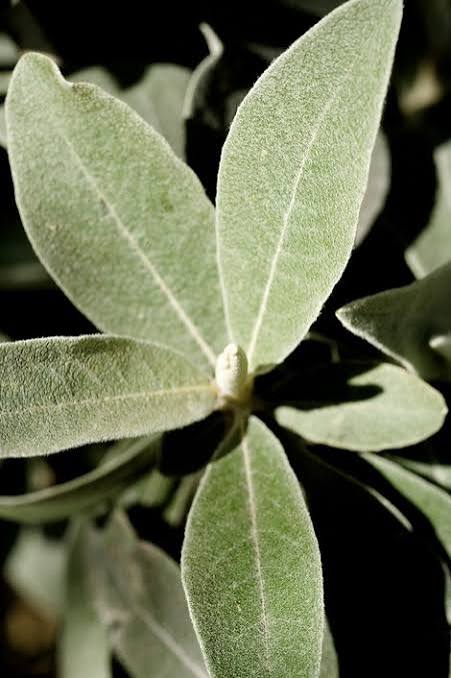
  • Milk Thistle 5-15 mg/kg body weight. Silymarin protects the liver cells against toxins and their oxidative effects, helps regenerate liver cells and stimulates protein synthesis. This is not recommended as a daily supplement but instead only use for detox and when the liver is under added stress.
  • Glutathione: is an antioxidant produced in cells. It can also be found in raw milk (I like to use goat’s milk) and raw egg whites.
  • N-acetylcysteine– is a precursor for Glutathione, the most potent antioxidant made by the body, is important for liver detox. This can be given at 500mg twice daily for 2 weeks then once daily for two weeks for known acute toxin ingestions.
  • S-adenosyl-L-methionine, is known as SAMe, is produced naturally in the body by amino acids and is another precursor to glutathione. SAMe improves detoxification, reduces inflammation and serves as an antioxidant. Dose: 20mg/kg for a general detox, 40mg/kg during times of liver enzymes elevation or diagnosed liver disease.

Kidney Detox

  • Ensure they have access to plenty of clean, pure water every day through a fresh, filled water bowl and hydrating diet. Dehydration is the supreme enemy of the kidney leading to highly concentrated toxins and mineral particles that damage the kidneys’ filtration system.
  • Incorporate Kidney-Supportive Foods: Add fresh foods like cranberries, blueberries, and dandelion greens, which support kidney function. Herbs such as parsley, and marshmallow root are all beneficial. Cranberry helps prevent urinary tract infections and supports overall urinary health. Marshmallow Root acts as a diuretic and anti-inflammatory agent.
  • Poria mushrooms are particularly effective in enhancing kidney detoxification and are also a natural source of glutathione, which boosts detox pathways. Ginger enhances kidney function and offers antioxidant properties. Horsetail is known for its diuretic properties as it helps flush out excess fluids and toxins. Nettle supports detoxification and acts as a diuretic, promoting kidney function.

By focusing on hydration and incorporating these natural remedies, you can help maintain your pet’s kidney health and overall well-being.

Lymphatic Detox

  • Massage: massage your dog daily to encourage and support lymphatic drainage.

  • Incorporate Detoxifying Herbs: Add red clover and cleavers to your pet’s diet to support the lymphatic system in flushing out toxins from the body.

  • Ensure Regular Exercise: Keeping your pet active stimulates lymphatic flow, promoting efficient toxin removal.
  • Provide Adequate Hydration: Make sure your pet drinks plenty of clean water to help flush out toxins.

Gastrointestinal Detox

Start with a test of your dog’s gut biome through companies such as animalbiome.com or VDI. Eliminate processed foods and treats. Fast for one day and break the fast with a homemade bone broth. Rebalance with prebiotics, probiotics and digestive enzymes. Check out my blog on how to nurture your dog’s microbiome with probiotics.

Skin Detox

Bath regularly at least 4-5x per year. Use only natural products such as 4-Legger and Project Sudz. Dogs in urban settings should be bathed at least once monthly.

Detox bath:

Conclusion

Understanding and addressing the impact of toxins on your dog’s health is crucial for their long-term well-being. We’ve discussed how harmful substances like pesticides, volatile organic compounds, PBDEs, and glyphosate can affect your dog’s health. To mitigate these risks, avoid exposing your dog to these toxins and incorporate detoxification strategies into their routine. By adopting these practices, you can enhance your dog’s health and longevity.


Join us at The Dog Mom Society, where you’ll receive unwavering support, expert guidance, and the essential information you need to make informed choices about your dog’s wellbeing.

Share This Post