
And why is it worse than ever before…
Marijuana intoxication in dogs generally occurs following accidental ingestion of marijuana plant material or marijuana edibles. I have also had a few had cases where smoke from marijuana cigarettes was intentionally blown into the face/nose of dogs.
The number of cases of marijuana toxicosis in dogs has increased dramatically with legalization. Dogs are also presenting with more severe signs than ever seen before because it has become more accessible and in more potent forms.
Increased accessibility– There has been a significant increase in the reports of dogs suffering from marijuana toxicosis. The Animal Poison Control Center reported a staggering 765% increase in calls about pets ingesting marijuana in 2019, compared with the same period the previous year. The Pet Poison Helpline also saw an increase of more than 400% in the number of calls they took regarding marijuana incidents over a six-year period.
More severe symptoms– In states with legalized marijuana, more severe clinical signs have been reported anecdotally, such as hyperactivity, agitation, hyperthermia, hypertension, tachycardia, seizures, and death. Whether these signs are from exposure to the more potent forms of marijuana or contamination/adulteration of marijuana with other compounds is not known. A troublesome combo is chocolate edibles where we have to manage the chocolate toxicity along with the THC toxicity.
Symptoms
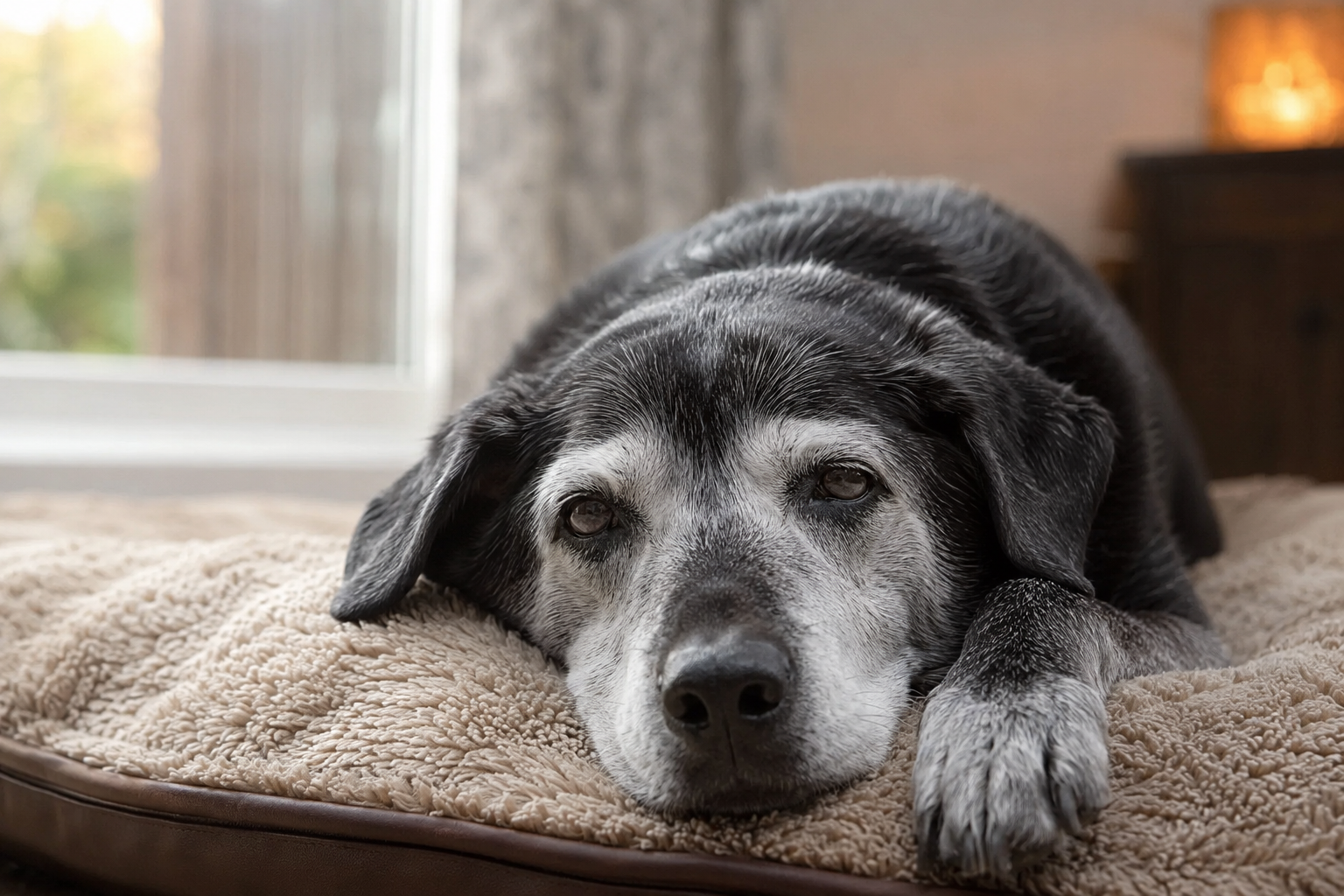
Clinical signs of canine intoxication include:
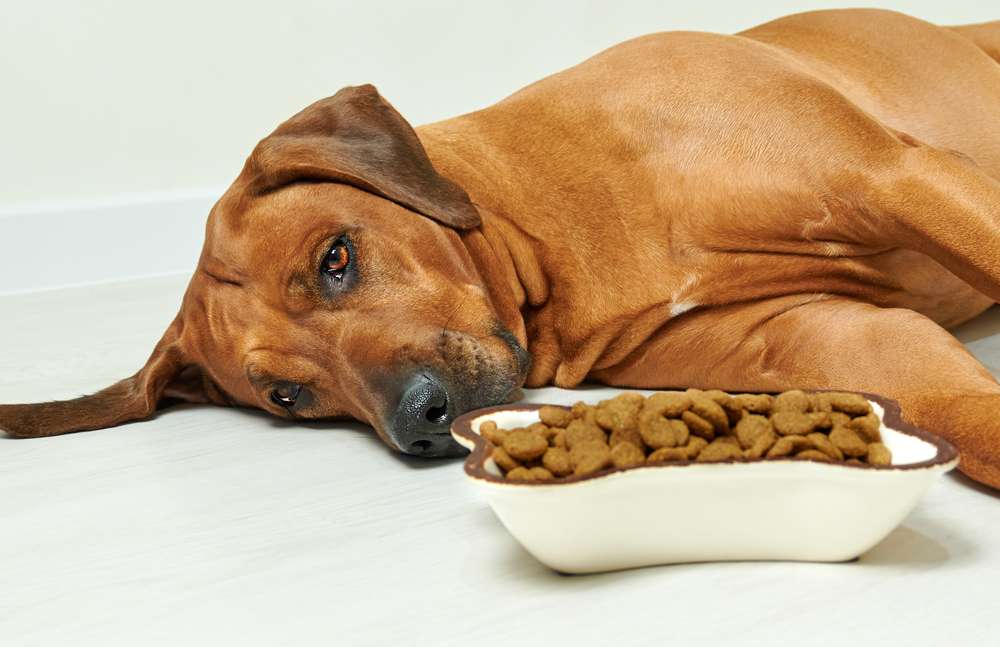
- Lethargy
- Disorientation
- Abnormal behavior,
- Excessive drooling
- Enlarged pupils
- Vomiting
- Urinary leakage
- Tremors
- Low body temperature
- Low heart rate.
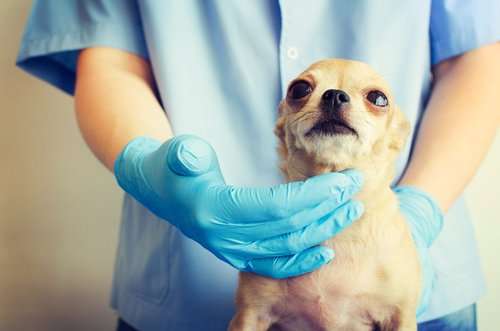
Higher dosages may additionally cause: nystagmus (rapid eye movements), agitation, elevated respiratory rate, elevated heart rate, imbalance, hyperexcitability, and seizures.
One key symptom of marijuana toxicity is the symptom of hyperesthesia (increased sensitivity to stimulation) followed by return to a depressed state.
Diagnosis
Marijuana Urine Test: Over-the-counter human urine test kits that detect the presence of marijuana metabolites can produce inconsistent results. In general, a positive urine test for THC (along with consistent clinical signs) is probably accurate but a negative test does not rule out the possibility of marijuana toxicosis.
Treatment
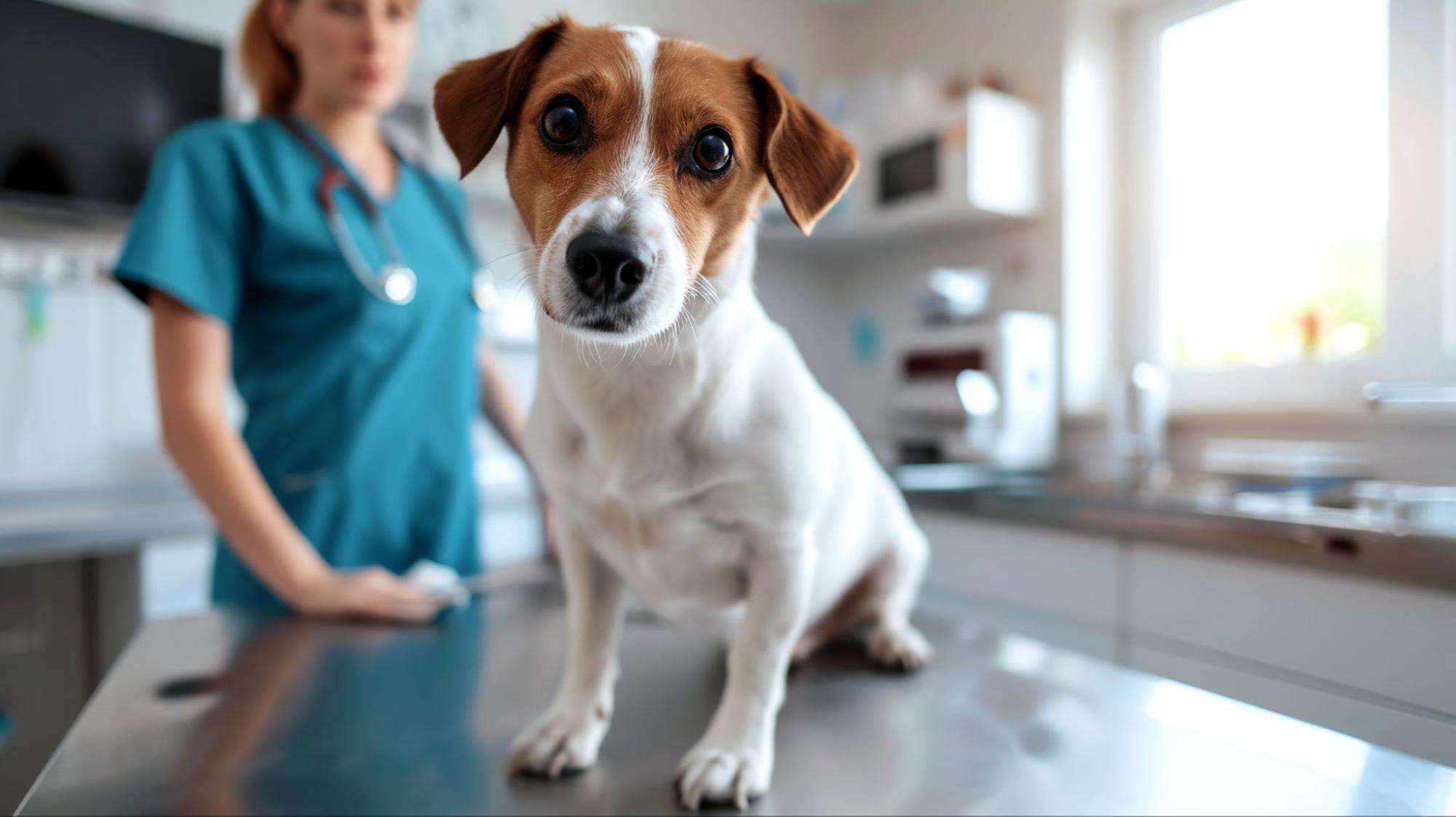
Treatment is mainly supportive and includes;
- We do not perform intention vomiting in this toxicity, as we would in most other accidental ingestions, due to the risk of aspiration in these depressed patients.
- Sometimes gastrointestinal decontamination is considered if large quantities are ingested but this is rare.
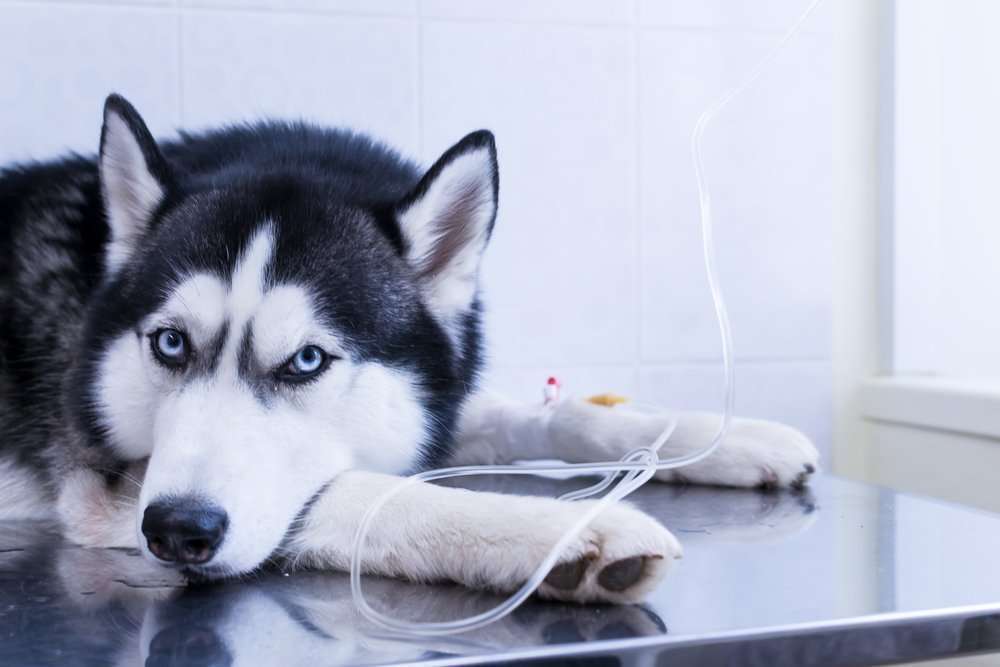
- IV fluid therapy is instituted to provide cardiovascular support and maintain hydration.
- Activated charcoal is given if it can be given safely without risk of aspiration in order to stop the continued absorption of THC in the gastrointestinal tract.
- Agitation symptoms are managed with sedatives if needed.
- Vomiting is managed with anti-nausea medications.
- Heat therapy is sometimes needed to maintain body temperature.
- Intravenous lipid therapy has been of benefit in severe cases.
Prognosis
The prognosis is usually very good. Full recovery can sometimes take several days, depending on the dose and type of product. However, higher dosages, more potent strains of marijuana, and ingestion of marijuana butter have resulted in more severe, and sometimes fatal, intoxications in dogs.
It is important to be honest with your veterinarian regarding marijuana exposure. This allows your veterinarian to handle the case more efficiently. Let your dog’s wellbeing trump your embarrassment.
If your dog accidentally ingests marijuana call The Pet Poison Helpline at 1-855-886-7965 and take your dog immediately to the closest veterinarian. Your dog may need overnight care therefore an emergency clinic may be your best option.