
What is vaginitis?
Vaginitis is inflammation of the vaginal tissues.
Symptoms:
The most common clinical signs of vaginitis include:
- Increased frequency of urination
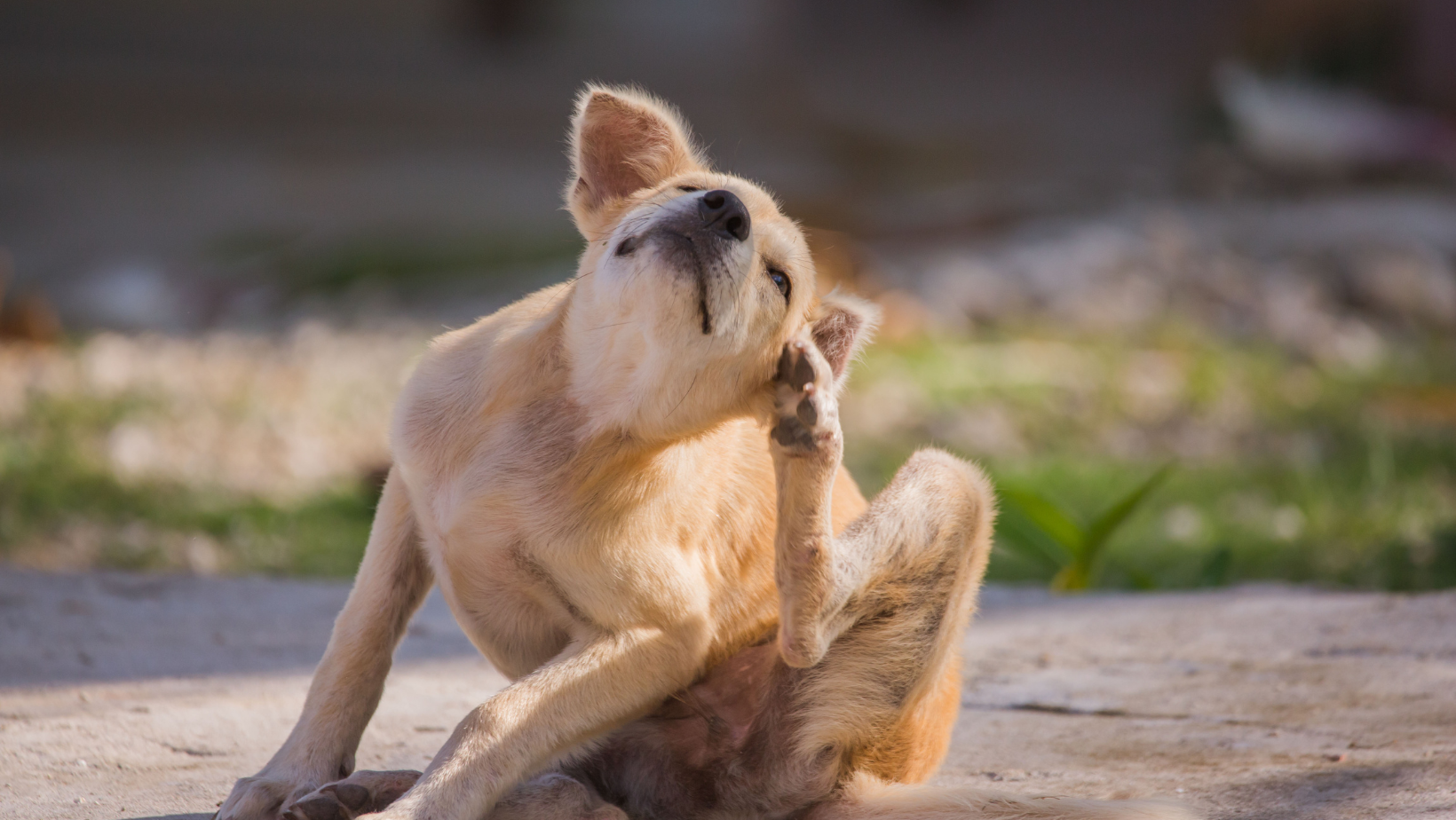
- Excessive licking of the vaginal area
- Vaginal discharge that may be white, yellow or bloody
- Scooting or rubbing of the vulva area (The vulva is the outer part of the female genitals)
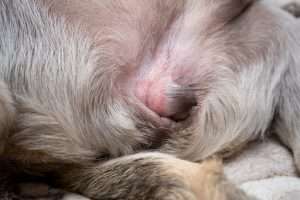
- The vulva will often appear red and swollen.
- Dermatitis of the area around the vulva
Causes:
1. Poor Diet
This is the most common cause of skin inflammation and chronic dermatitis.
Just like us, dogs need variety in their diet in order to support healthy gut flora. A healthy gut is essential to a strong immu
ne system. Approximately 90% of your dog’s immune system comes from the gut. If the
microbiome is unhealthy then your dog’s immune system will be weak and symptoms will start to show up on the outside of the body such as on the skin.
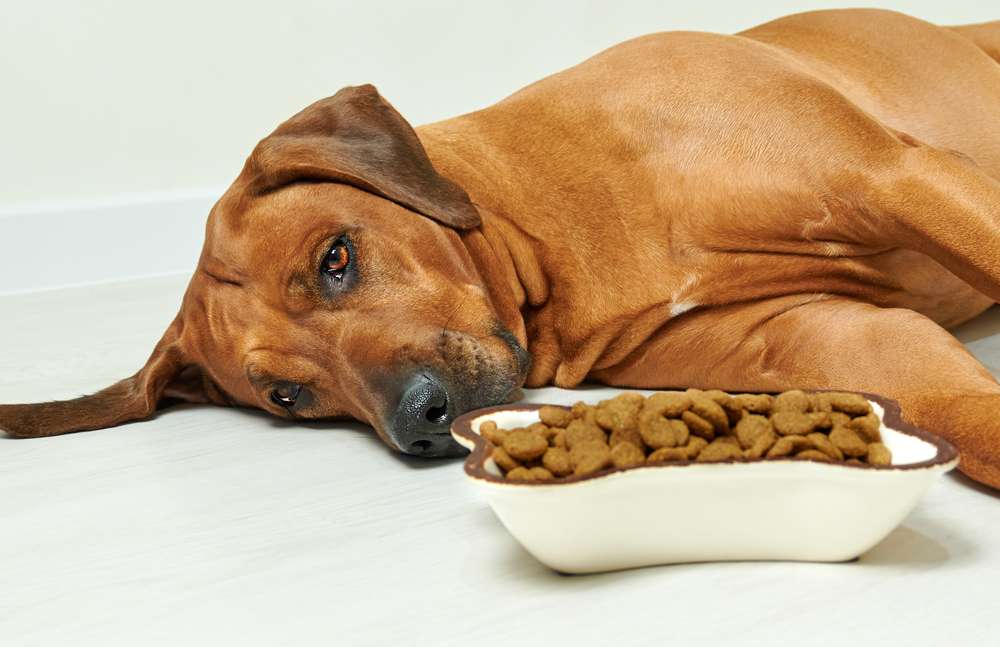
Most dogs are still fed highly processed dry kibble. The problem with dry kibble is:
-
It’s made at high heat through a process called extrusion, which results in the loss of nutrients. This is why synthetic vitamins and minerals are sprayed on the dry food after
-
processing. Extrusion also produces carcinogens
-
It contains high starch carbohydrates
-
Lacks moisture, causing chronic dehydration
-
Contains feed grade ingredients
Check out my blog that dives deeper into why dry kibble is so bad for your dog.
2. Early ( juvenile) spay
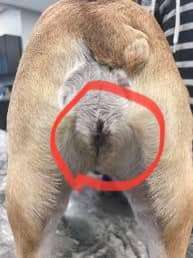
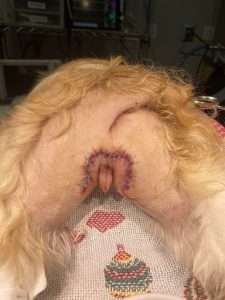
Many females who are spayed before puberty have very small external genitalia which lie in a recessed position. This is called a hooded or recessed vulva. These immature genitalia trap moisture after she urinates, resulting in chafing and dermatitis of the moist surfaces.
3. Yeast Infections of the skin –
Check out my blog on yeast infections to go deeper on this.
4. Obesity
Obesity can result in redundant folds of fat and tissue which can retain moisture, collect bacteria and cause moist dermatitis. Weight control is essential, combined with proper hygiene of the perivulvar region.
5. Urinary tract infections
This can be a cause but can also be a result of chronic vaginitis.
6. Other less common causes include :
-
Unsanitary conditions resulting in fecal material near the vaginal opening
-
Urinary incontinence creating chronic, irritating moisture
-
Birth defects causing abnormal conformation of the vulva
-
Vaginal tumors
Diagnostics:
-
Urinalysis to rule out a urinary tract infection
-
Skin cytology to look for bacteria and yeast
Treatments:
-
Be sure that your dog is on a fresh, whole food diet and not receiving highly processed dry kibble or treats. Check out my blog here for healthy diet options.
-
Topical treatments.
-
Bathe with a gentle, natural soothing shampoo. Leave the shampoo on for 20 minutes before rinsing.
-
Twice daily gentle and thorough cleaning with unscented baby wipes, followed by gentle powdering with cornstarch (no talc) baby powder. The deep creases along the vulva must be gently cleansed and powdered until the inflammation subsides. After that, it is often sufficient to powder once daily.
-
Apple cider vinegar is great for the dermatitis due to its healing properties. Dilute apple cider vinegar in water 20/80 and apply it topically to the affected area.
-
Coconut oil is also helpful because it not only soothes the discomfort in your dog’s skin but also contains antibacterial properties that are proven to fight against yeast infections. It can also be applied directly to the area. A coconut oil rub can be repeated daily until you see results.
-
If bacteria are present, then mupirocin is a good ointment to use 2x daily for 7 days. If yeast is found then check out my blog on yeast treatment. http://drloudon.com/pet-health/yeast-infection-in-dogs/.
-
A high quality probiotic is also great for vaginitis. I recommend raw goat’s milk. Check out my blog on probiotics here http://drloudon.com/pet-health/probiotics/
-
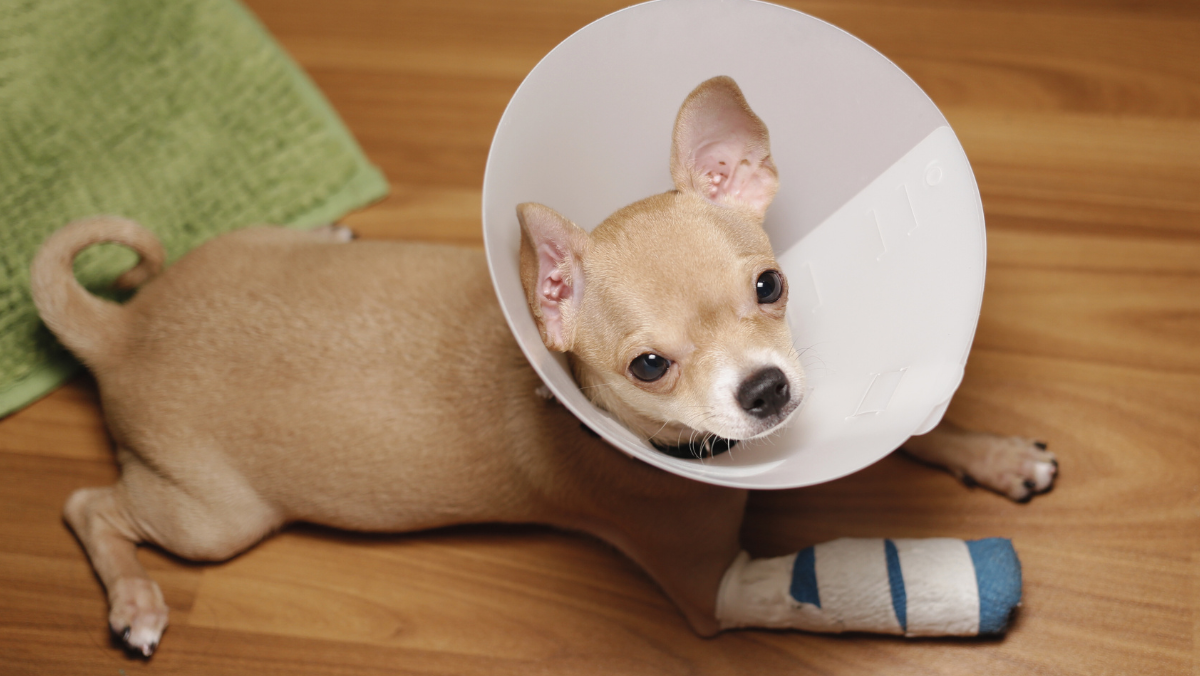
I would use an elizabethan collar to prevent her from licking for a few days to allow treatments to work and to stop the cycle of inflammation.
-
Surgery is sometimes necessary for a recessed vulva if all of the above treatments do not control recurrent vaginitis and urinary tract infections. This picture below is my patient post-op vulvoplasty. Note how the vulva is no longer hidden beneath folds of skin.
-