
Introduction
Anesthesia can be a stressful event for both dogs and their guardians. Ensuring your dog is in their best possible state of health prior to the procedure can significantly reduce risks and promote a smoother recovery. Here are some key steps to prepare your devoted friend for an anesthetic procedure and fulfill your role as their healthcare advocate.
1. Ideal Body Weight
If you have adequate time before a planned anesthetic event, it is crucial to get your dog to their ideal weight. Obesity is a risk factor for anesthesia and surgery, just as it is for humans. Switching to a nutrient-rich, fresh diet is the best way to achieve this. Avoid ultra-processed foods like kibble and unhealthy treats. A commercial raw or gently cooked diet is ideal, or you can cook for your dog using trusted recipes. Explore more on feeding your dog for health and longevity through my blogs http://drloudon.com/pet-health/understanding-dog-food-exploring-the-pros-and-cons-of-common-diet-options/ and http://drloudon.com/pet-health/cooking-up-canine-wellness-a-guide-to-nutrient-rich-homemade-dog-food/. Additionally, increasing exercise and muscle tone, where feasible, can benefit your dog’s condition prior to anesthesia.
2. Detoxing
After any surgical or diagnostic procedure involving anesthesia, a detox can help rid your dog’s body of residual anesthetic and medications, restoring balance. This reduces the burden on their liver and kidneys, vital for metabolizing anesthetic agents.
Steps to Detox Your Dog:
-
Hydration: Ensure your dog is well-hydrated. Adequate hydration supports detoxification and helps maintain stable blood pressure during anesthesia. Consider using purity-checked stainless steel or glass (Pyrex) bowls for their water, as recommended by Dr. Karen Becker.
-
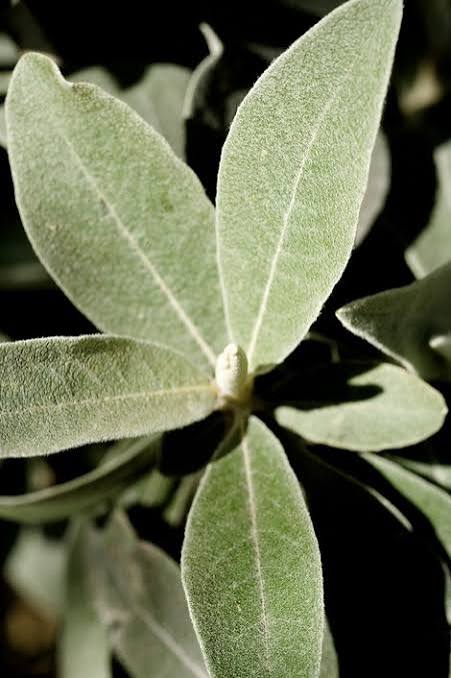
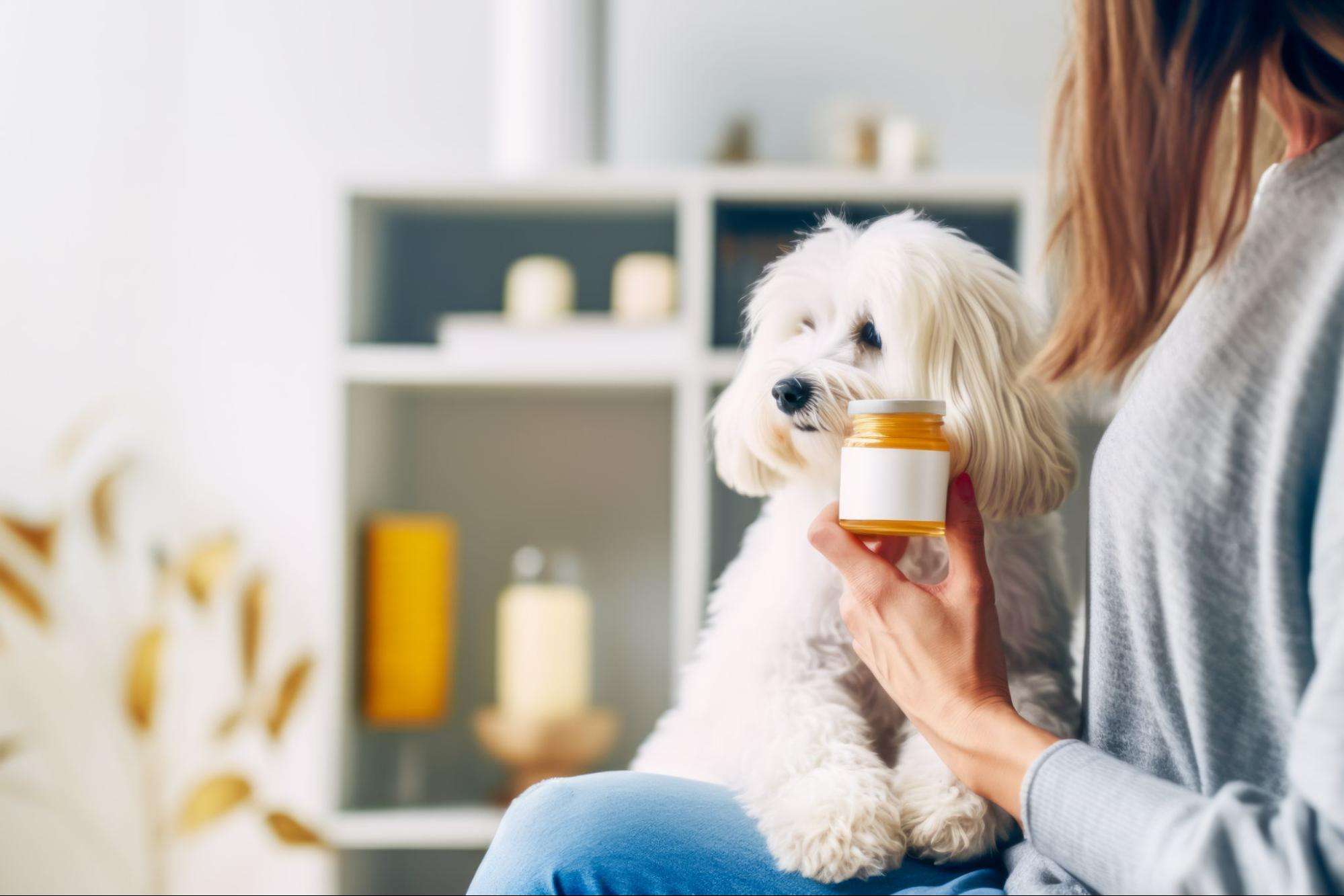
Harness the Power of Greens, Minerals, and Herbs: Young grasses and sea vegetables are potent sources of detoxifying agents like essential magnesium, iodine, and trace minerals. Marine phytoplankton, available from sources like Holistic Bin, contains iodine and chlorophyll that detoxify the body and organs from heavy metals, along with antioxidants and anti-inflammatory properties from carotenoids and phytochemicals. Recommended dose: 1/16 tsp daily.
-
Herbs such as curcumin and ginger provide potent antioxidant effects and aid in DNA repair. Green leafy vegetables such as spinach and broccoli, when lightly steamed or blended for better digestibility, are invaluable for penetrating cell structures and deactivating inflammation-inducing pathways. Broccoli sprouts, available fresh or in concentrated powder form, are particularly effective for their anti-inflammatory properties.
-
Support for Detoxifying Organs: The lymphatic system, liver, and kidneys play crucial roles in natural detoxification. Red clover and cleavers aid the lymphatic system in removing toxins from tissues, while chlorella binds toxins in the bloodstream, easing the lymphatic system’s workload. Combining chlorella with cilantro enhances its detoxifying effects.
-
Liver Support: Herbs like burdock root, dandelion root, licorice, Oregon grape root, yellow dock, and milk thistle aid liver function and detoxification. Milk thistle, in particular, protects the liver by reducing toxins, promoting protein synthesis, stimulating the growth of new liver cells, and providing potent antioxidant and anti-inflammatory actions. S-Adenosylmethionine (SAMe) supports liver cell replication, protein synthesis, inflammation modulation, and acts as a precursor to the antioxidant glutathione.
-
Kidney Support: Ensure your dog has access to purified water. Herbs like dandelion, parsley, cranberry, corn silk, and marshmallow support kidney detoxification. Consult with a canine herbalist or holistic veterinarian for guidance on using these herbs safely.
3. Prepping the Gut Microbiome
A healthy gut microbiome is crucial for overall health and influences how dogs respond to anesthesia. Prepping the gut enhances the immune system and improves recovery.
Steps to Prepare the Gut Microbiome:
-
Test the microbiome ahead of time and supplement based on the results. VDI and animalbiome.com both offer this type of testing.
-
Feed a Fresh, Real Food Diet: A species-appropriate diet supports gut health.
-
Probiotics: Incorporate probiotics to maintain a healthy gut balance. Raw goat’s milk offers digestive enzymes, probiotics, and essential nutrients.
-
Prebiotics: Foods like chicory root, dandelion greens, and bananas feed beneficial gut bacteria.
-
Fermented Foods: Add small amounts of kefir or sauerkraut to meals, promoting gut health. Learn more about choosing probiotics for your dog in my blog http://drloudon.com/pet-health/how-to-nurture-your-dogs-gut-health-through-probiotics/.
4. Natural Detoxifying Remedies
-
Green Tea: Green tea catechins modify and neutralize harmful molecules, supporting detoxification. Their antioxidant properties contribute to overall cellular health and help mitigate oxidative stress.
-
Activated Charcoal: Effective due to its porous surface and negative electrical charge, activated charcoal binds toxins and chemicals in the digestive tract, preventing their absorption into the bloodstream. Use under veterinary guidance as it can bind nutrients and medications.
-
Superoxide Dismutase (SOD): Catalyzes the conversion of harmful superoxide radicals into less reactive molecules, reducing oxidative stress and supporting detoxification processes.
5. Discussing the Plan with Your Veterinarian
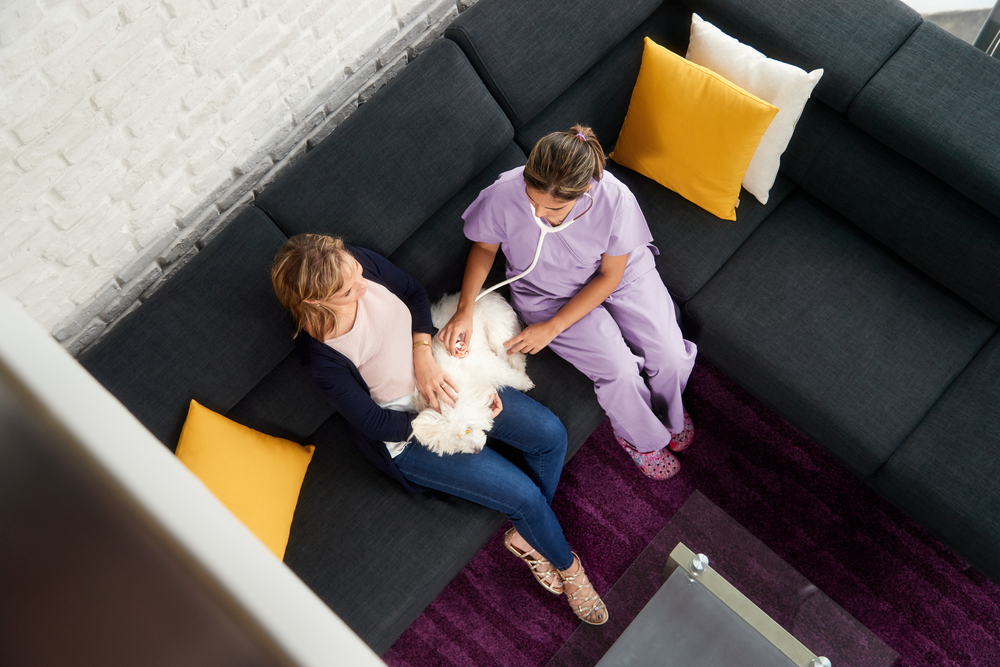
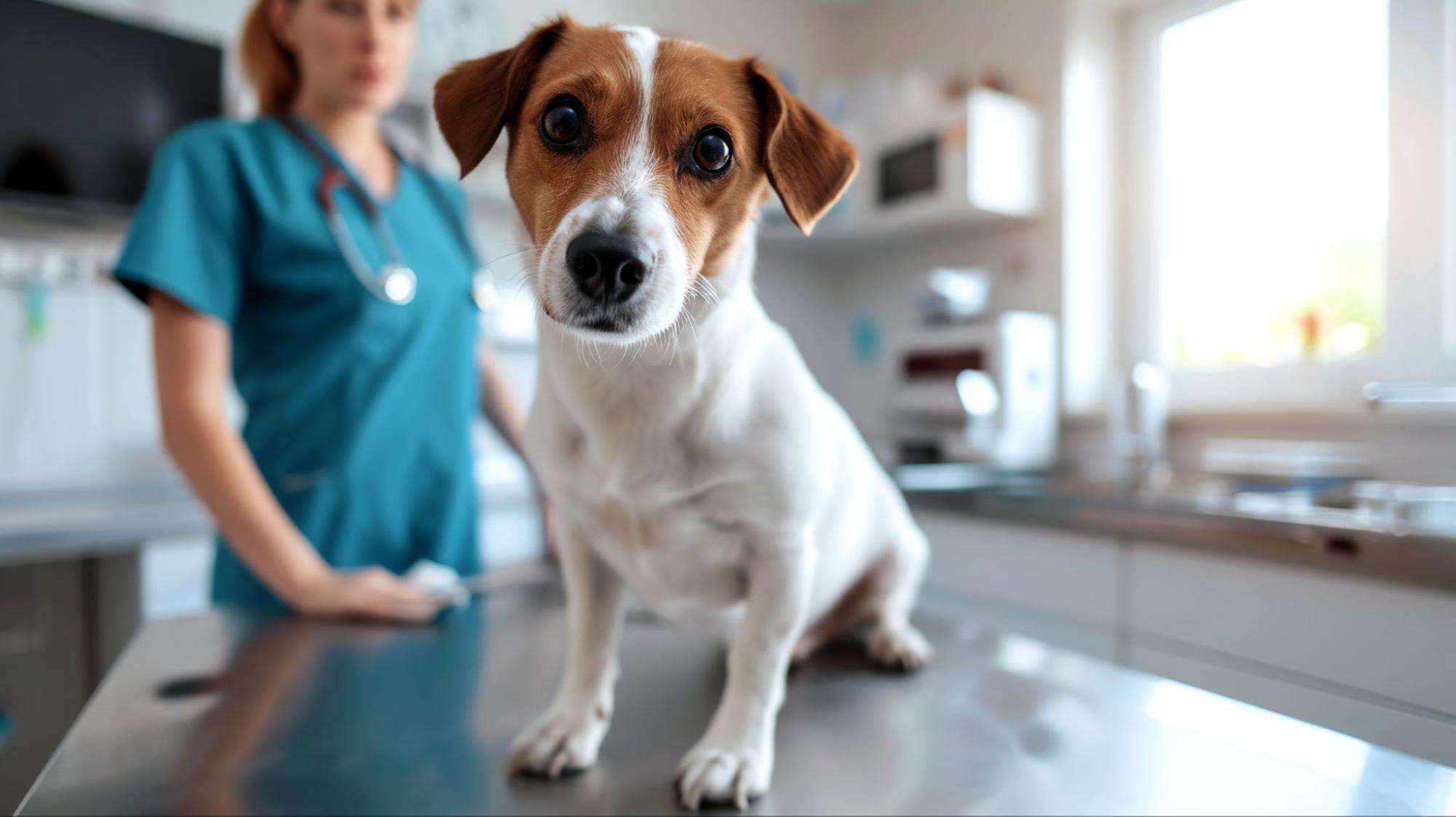
Communication is vital to ensure a safe anesthetic event. Ask questions and share concerns with your veterinarian.
Questions to Ask Your Veterinarian:
-
Anesthetic Protocol: What anesthetic agents will be used? Are there safer alternatives?
-
Pre-Anesthetic Testing: Will my dog undergo blood work or other tests before anesthesia to assess their health?
-
Medications: Which medications will be prescribed? Will pain medications or antibiotics be necessary? Are there natural alternatives?
-
Monitoring: How will my dog be monitored during the procedure? What measures are in place for complications?
-
Post-Anesthetic Care: What should I expect during the recovery period? How can I prepare for my dog’s return home? Will a bland diet be recommended? What food will be provided during hospitalization? Can I bring my own food?
6. Manage Stress
Consider ways you can help your dog feel more comfortable and relaxed before and after the procedure. Ask if they will allow you to bring your dog’s bed, an item of your clothing or a preferred blanket. Spray some high quality lavender on the items if you know your dog reacts positively to it. Discuss with your vet giving calming remedies prior and after the procedure such as CBD oil, valerian root, and chamomile.
7. Remembering You Are Your Dog’s Healthcare Advocate
As your dog’s guardian, you play a crucial role in their healthcare. Your knowledge, preparation, and advocacy can significantly impact their anesthetic experience and recovery.
Advocacy Tips:
-
Research: Educate yourself about the procedure and anesthetic agents. Understanding risks and benefits helps you make informed decisions.
-
Communication: Maintain open communication with your veterinarian. Share concerns or observations about your dog’s health before the procedure.
-
Trust Your Instincts: If something feels wrong or you question the necessity of a procedure, seek a second opinion.
-
Follow-Up: Have a clear plan for post-procedure care. Be aware of signs that may indicate complications.
Conclusion
Preparing your dog for anesthesia involves more than scheduling. Detoxing, supporting gut health, and communicating with your veterinarian are vital steps to ensure their safety and well-being. Your proactive efforts can make a significant difference in their health and recovery. Remember, you are the best advocate for your dog, and your commitment can ensure a safe anesthetic experience and a smooth recovery journey.
Registration for The Dog Mom Society is open!
In our community you’ll gain clarity on all things canine nutrition and holistic wellness.
Together, we’ll navigate this journey to enhance your dog’s health, happiness, and well-being.
And you’ll gain the confidence that you’re doing right by your dog every step of the way!