
Introduction
As an integrative emergency veterinarian, I see a wide range of conditions that bring dogs into the ER, and one of the most common is acute hemorrhagic diarrhea syndrome (AHDS), formerly known as hemorrhagic gastroenteritis. The terminology changed because studies that determined gastric inflammation is absent and only intestines are involved. This condition is a sudden and severe intestinal inflammation that results in bloody diarrhea, often accompanied by vomiting, and significant dehydration. In this blog, we’ll explore why this condition is so common in dogs, how you can prevent it, and the treatments that truly work.
What Causes AHDS in Dogs?
While the exact cause of Acute Hemorrhagic Diarrhea Syndrome (AHDS) isn’t fully understood, one of the main suspects has long been a bacterium called Clostridium perfringens. This microbe naturally lives in the intestines of many dogs, but under certain conditions, it may produce harmful toxins that damage the gut lining. In one study, it was found in the small intestines of most dogs with AHDS, but rarely in healthy dogs. Specific toxins like CPE (Clostridium perfringens enterotoxin) and newer ones such as NetE, NetF, and NetG have been identified in severe cases. These toxins are capable of destroying cells and may be involved in triggering the condition. However, not all dogs with AHDS test positive for these toxins, and the exact role of C. perfringens remains uncertain. Other bacteria like Clostridium sordellii and Providencia alcalifaciens have also been linked to outbreaks, including one in Norway where Providencia was found in 41% of affected dogs. Researchers believe that AHDS may result from a combination of bacterial toxins, gut imbalances, and possibly contaminated food or environmental sources.
Symptoms
Acute hemorrhagic diarrhea syndrome (AHDS) typically manifests suddenly, often in otherwise healthy dogs. The primary symptoms include:
- Bloody, watery diarrhea
- Vomiting, which may also contain blood
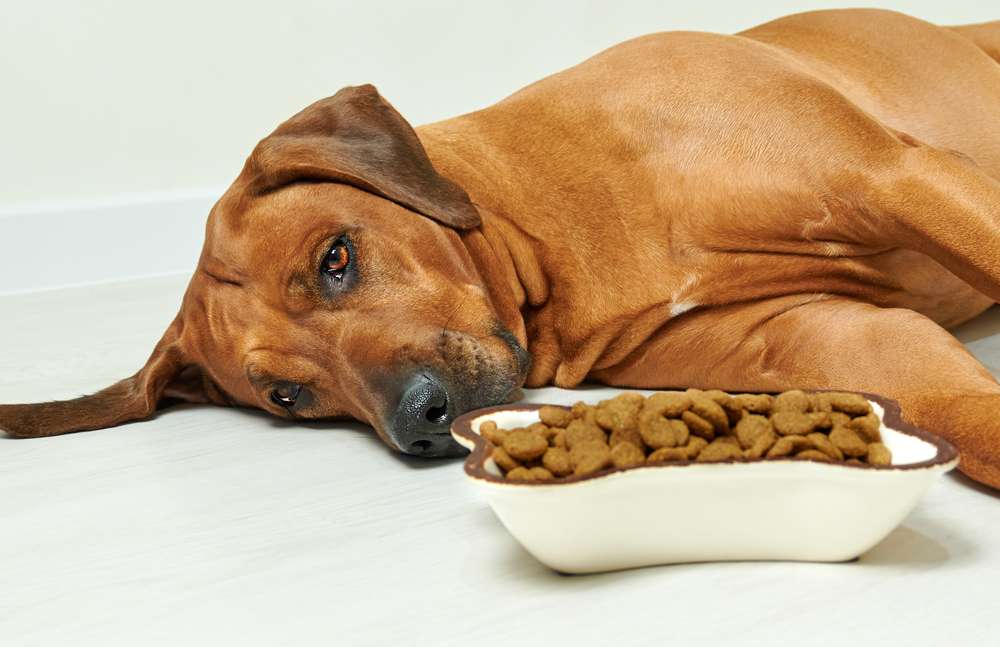
- Loss of appetite
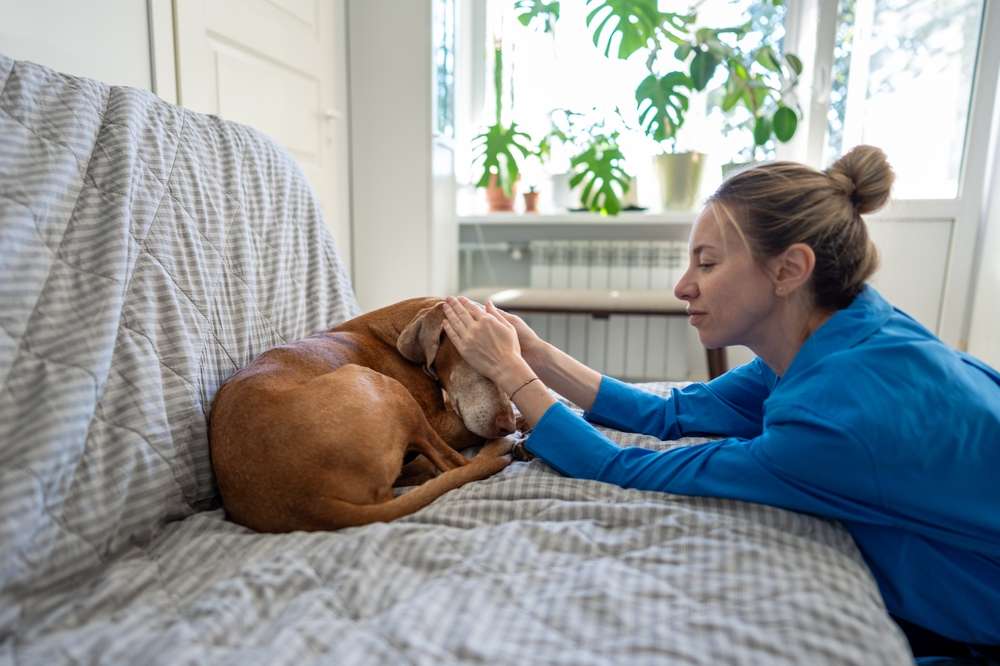
- Lethargy
- Abdominal discomfort
- Rapid dehydration
- Fever
- Signs of shock (e.g., extreme lethargy, rapid heart rate, weak pulses, pale gums, cool extremities)
- Inflamed mucous membranes
- Slow capillary refill
- Hypothermia and collapse (in severe cases)
- Hypovolemia (severe fluid loss)
Complications of Severe AHDS
In severe cases of Acute Hemorrhagic Diarrhea Syndrome (AHDS), the rapid loss of fluids through vomiting and bloody diarrhea can lead to life-threatening dehydration and a dangerous drop in blood volume, known as hypovolemic shock. If not treated promptly, this can cause organ dysfunction, especially in the kidneys and liver. In some dogs, the breakdown of the intestinal barrier may allow harmful bacteria or their toxins to enter the bloodstream, triggering a widespread inflammatory response or even sepsis. This can result in low platelet counts (thrombocytopenia), abnormal blood clotting, and in rare cases, disseminated intravascular coagulation (DIC), a serious condition where the body’s clotting system becomes overactivated. Immediate veterinary care is critical in these cases to stabilize the dog, replace lost fluids, and prevent further complications.
Diagnostic Testing for AHDS
Diagnosing Acute Hemorrhagic Diarrhea Syndrome (AHDS) involves a combination of evaluating clinical signs and performing targeted diagnostic tests. Because AHDS shares symptoms with many other gastrointestinal conditions, your veterinarian will tailor testing based on your dog’s symptoms, age, and overall clinical status. Early and accurate diagnosis is crucial for effective treatment and monitoring.
Fecal flotation and antigen testing to rule out parasites or protozoal infections
Complete Blood Count (CBC): One hallmark of AHDS is hemoconcentration, which appears as a significantly elevated hematocrit (HCT)—often exceeding 60–65%. This indicates severe fluid loss and dehydration. Additional findings may include neutrophilia (elevated white blood cells), toxic changes in neutrophils, or thrombocytopenia, depending on severity and duration of illness.
Serum Biochemistry Profile: A full chemistry panel helps evaluate the impact of AHDS on internal organs. Common abnormalities may include:
- Electrolyte imbalances (e.g., low potassium, chloride, or sodium)
- Hypoglycemia (low blood sugar), especially in small-breed or young dogs
- Elevated kidney values due to dehydration
- Increased liver enzymes, depending on disease duration or concurrent conditions
In chronic or recurrent cases, your vet may also recommend a malabsorption panel—including Vitamin B12 (cobalamin), folate, and trypsin-like immunoreactivity (TLI)—to evaluate pancreatic and intestinal function.
Urinalysis: Urinalysis should be included in every diagnostic work-up, whether the patient appears healthy or is showing signs of illness. It provides valuable insights into kidney function, hydration status, urinary tract health, and can even help detect early signs of systemic disease before other symptoms appear
Abdominal Radiographs (X-rays): X-rays are often performed to rule out intestinal obstruction, foreign bodies, or other surgical emergencies. In AHDS, X-rays may appear normal or may show mild gas patterns in the intestines, but they are essential for excluding life-threatening conditions.
Additional Diagnostic Tests: Depending on the clinical scenario, your veterinarian may recommend:
- Parvovirus testing (especially in puppies or unvaccinated dogs)
- PCR testing of stool for pathogens such as Clostridium perfringens, Salmonella, Campylobacter, and others—particularly if the dog is systemically ill or not improving with treatment
- Toxin testing for Clostridium perfringens (CPE or NetF toxins) using ELISA or PCR
- Abdominal ultrasound for detailed imaging of the intestines, pancreas, and lymph nodes, which can help rule out conditions like pancreatitis or intestinal intussusception.
- Microbiome testing (e.g., AnimalBiome kits) to assess gut bacterial balance, especially in dogs with recurring GI issues or after antibiotic use.
Early diagnostic testing not only helps confirm AHDS but also rules out other causes of acute hemorrhagic diarrhea. Prompt treatment based on these results significantly improves outcomes and reduces the risk of complications.
Treatment
Treatment of AHDS focuses on rehydration, supportive care, and addressing the underlying cause if identified.
-
Intravenous Fluids: Hydration is the cornerstone of treatment for AHDS. Subcutaneous fluids and outpatient care are often not sufficient. In cases where a dog experiences dangerously low blood pressure and severe fluid loss, your veterinarian may use a special type of IV fluid called hetastarch to help quickly restore circulation and stabilize vital signs.
-
Antibiotics: Antibiotic therapy was once a common recommendation for treating dogs with AHDS due to concerns about bacterial infections. However, recent research suggests that antibiotics might not be necessary in most cases. For example, a study involving 53 dogs with AHDS found no significant difference in recovery between those treated with antibiotics and those given a placebo. All dogs in the study received fluids and supportive care, which seemed to be sufficient. Another study showed that 128 dogs with AHDS recovered well with just fluid therapy, anti-nausea medications, and stomach protectants—without the need for antibiotics. Antibiotics might still be considered if certain signs are present, such as fever, persistent fast heart rate even after rehydration, and/or abnormal white blood cell counts, Clostridium perfringens infection, or if the dog is not improving with supportive care alone. If antibiotics are used, they should cover a broad range of bacteria. Common choices include amoxicillin-clavulanate or ampicillin combined with enrofloxacin. Metronidazole, often the first medication veterinarians reach for to treat diarrhea, is not recommended. This 2020 study found that important gut bacteria in dogs’ microbiomes had not fully recovered even four weeks after discontinuing metronidazole.
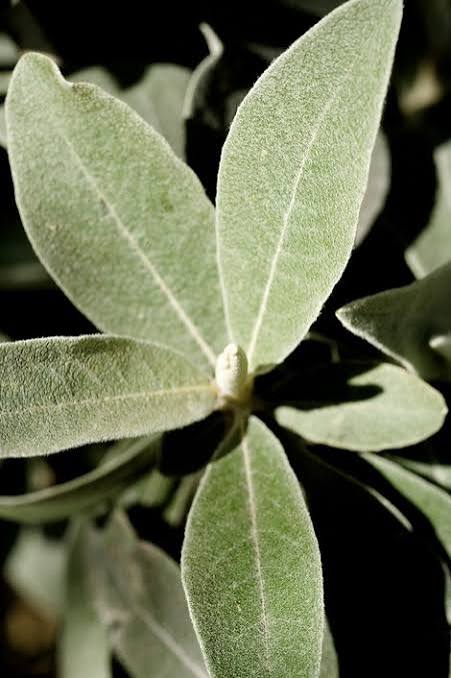
- Anti-nausea Medications & Remedies: To manage nausea, medications such as cerenia or metoclopramide may be administered if your pet’s symptoms are severe enough to require hospitalization. Remedies that can help soothe gastrointestinal upset include L-Glutamine, Marshmallow Root, and Slippery Elm. Bentonite clay is great at binding to pathogenic bacteria in the gut and is a great treatment for diarrhea.
- Antacids are generally discouraged in the management of AHDS, as reducing gastric acidity may impair the gastrointestinal tract’s natural barrier against pathogenic bacteria and contribute to dysbiosis, potentially prolonging or complicating recovery.
- Fiber: Adding fiber can support digestion and help firm stools in dogs recovering from AHDS. Plain, organic psyllium husk is a gentle option—mix it with warm water before feeding. General dosing is 1 teaspoon twice daily for small dogs (under 20 lbs), 2 teaspoons for medium dogs (20–40 lbs), and 1 tablespoon for large dogs (over 40 lbs), adjusting as needed based on response. Other fiber options include plain canned pumpkin, ground flaxseed, or cooked oats—each offering natural soluble fiber to soothe the gut and promote healthy bowel movements. If your pet is hospitalized, ask your vet if they have any of these options. If not, drop some off for your dog.
- Probiotics: Probiotics can play a valuable role in restoring healthy gut flora during recovery from AHDS. A high-quality, multi-strain soil-based probiotic is often recommended, as these tend to be more stable and resilient in the digestive tract. Raw goat’s milk is another natural source of beneficial bacteria and enzymes that support gut health. While some veterinary-prescribed probiotics can be helpful, others may lack bacterial diversity or contain unnecessary additives—so it’s important to choose reputable, research-backed products. If your dog is currently on antibiotics, be sure to give probiotics at least 2 hours apart to avoid having the antibiotic kill off the beneficial bacteria.
- Prebiotics: Non-digestible fibers that nourish good bacteria—create a healthy environment for the microbiome to thrive.Common prebiotic compounds include inulin, FOS (fructooligosaccharides), MOS (mannan oligosaccharides), and pectin. Natural food sources of prebiotics include chicory root, burdock root, dandelion greens, and medicinal mushrooms like shiitake, maitake, turkey tail, and lion’s mane—all of which contain beta-glucans that support immune and gut health.
- Nutrition: Once the nausea is under control, a bland diet of gently cooked turkey or cod with canned organic pumpkin or steamed squash can be given for the next 5-7 days. While your dog is hospitalized, tell your vet that you will bring in food and request they not feed kibble (even if it is a prescription diet).
Monitoring Your Dog During AHDS Recovery
Close monitoring is key when treating Acute Hemorrhagic Diarrhea Syndrome (AHDS), especially in more serious cases. It helps ensure your dog is improving and alerts your vet to any changes that need quick attention.
- Blood Pressure: Severe fluid loss can cause dangerously low blood pressure. Vets monitor this to make sure blood is flowing properly to your dog’s organs.
- Blood Sugar: Low blood sugar can occur in dogs with AHDS, especially in small breeds, puppies, or those that are very sick. In some cases, it may be an early warning sign of sepsis, a serious body-wide infection. Regular monitoring helps catch this early and guide urgent treatment if needed.
- Hydration Status: Vets check for signs of dehydration by looking at your dog’s gums, skin, and urine output. IV fluids are adjusted as needed.
- Repeat Blood Tests: If earlier bloodwork showed problems (like kidney issues or low platelets), your vet may recommend follow-up tests to track recovery or catch complications early.
- Watching Symptoms: If vomiting, bloody diarrhea, or weakness continue or get worse, more testing may be needed to adjust treatment or rule out other causes.
- At home monitoring: At-home monitoring is just as important after treatment—watch for changes in your dog’s stool, appetite, energy level, or signs of fever, and consider rechecking the gut microbiome in the weeks following recovery to ensure proper healing and balance.
Conclusion
Acute Hemorrhagic Diarrhea Syndrome (AHDS) is a sudden and potentially life-threatening condition in dogs that demands immediate veterinary attention. One of the most effective ways to help prevent AHDS is by supporting your dog’s gut microbiome through a fresh, species-appropriate diet and by avoiding ultra-processed foods, artificial additives, and unhealthy treats. If your dog shows signs like sudden bloody diarrhea or vomiting, don’t wait—hospitalization is often needed for at least 24 hours to correct dehydration and monitor recovery. Early treatment truly makes a difference—the sooner it begins, the better the outcome. In my own experience, I’ve seen how quickly AHDS can escalate, but also how well dogs recover when we act fast and treat the gut as the foundation of healing. If your dog develops recurring episodes, further testing is essential to uncover any underlying issues or repeating triggers.
Written by Dr. Lynda Loudon
Founder of The Dog Mom Society
Registration for The Dog Mom Society is open!
In our community you’ll gain clarity on all things canine nutrition and holistic wellness.
Together, we’ll navigate this journey to enhance your dog’s health, happiness, and well-being.
And you’ll gain the confidence that you’re doing right by your dog every step of the way!
One Comment
Comments are closed.














thank you for so many useful informtion..from Italy I follow you-