
The dangers of fleas and ticks to your dog’s health are scary. However, in many cases, the long term effects of commercial preventatives are terrifying.
Introduction
Shielding our dogs from fleas and ticks can feel overwhelming at times. Dog guardians are inundated with product options, veterinary advice, and concerns about the potential consequences of not using flea and tick products.
Commonly, veterinarians suggest conventional spot-on or oral flea and tick preventatives that require regular administration throughout the dog’s lifetime. However, these oral and spot-on preventatives contain hazardous chemicals known to cause severe side effects.

We must approach this issue with pragmatism and consider the potential adverse effects it may have on our dogs’ well-being.
The struggle with combating fleas and ticks lies in the inadvertent exposure of our dogs to harmful toxins during the process. Throughout my years as a veterinarian, I’ve witnessed numerous cases of dogs suffering severe, acute reactions to these substances, ranging from skin burns to seizures and other neurological symptoms.
Concerning the long-term effects, the prevailing assumption is that a dog’s size makes them resilient to small doses of poison. However, when administered monthly over an extended period, this cumulative exposure becomes worrisome. Unfortunately, manufacturers like Zoetis have only conducted safety tests for up to three months, leaving the potential long-term consequences largely unknown
With two decades of experience as an emergency veterinarian, I can’t ignore the potential correlation between the rise in cancer cases, immune-mediated diseases, chronic illnesses, and declining lifespans in dogs, and the excessive preventive measures we employ, including flea and tick treatments.
Adhering to the medical ethos of “First, do no harm,” it’s imperative to examine the active ingredients present in common flea and tick products. Rest assured, once we’ve tackled this aspect, I’ll offer natural solutions to address your concerns. Let’s explore together a few of the most popular types of commercial flea & tick products.
1. Pyrethrins and Pyrethroids

Pyrethrins and pyrethroids are pesticides that disrupt normal nerve and brain function. These chemicals have been associated with symptoms such as dizziness, headaches, nausea, muscle twitching, reduced energy, and convulsions. Allergic reactions to pyrethrins have been severe, leading to heart failure, brain damage, anemia, seizures, and even death.
Additionally, the Environmental Protection Agency (EPA) classifies pyrethrins as likely human carcinogens. According to a study by the Center for Public Integrity, over the past five years, the EPA has received reports of at least 1600 pet deaths linked to spot-on treatments. For further information, you can visit the EPA website at [link].
Some examples of products containing pyrethrins and pyrethroids include Defend EXspot Treatment, Zodiac Fleatrol Spot On, K9 Advantix II, and Biospot Active Spot.
2. Fipronil
Fipronil is a broad-spectrum insecticide that disrupts the nervous system of insects by blocking GABA-gated chloride channels and glutamate-gated chloride (GluCl) channels.
Individuals who have ingested fipronil have reported side effects such as sweating, nausea, vomiting, headache, stomach pain, dizziness, weakness, and seizures. In dogs, fipronil has been found to accumulate in fat, organs, urine, and feces.
According to the Environmental Protection Agency (EPA), fipronil can cause liver and kidney toxicity, thyroid cancer, nervous system toxicity, and abnormal behaviors including whining, excessive barking, crying, decreased appetite, decreased fertility, hair loss, skin inflammation, and chemical burns.
Products containing fipronil include Frontline®, Barricade®, Easyspot®, Effipro®, Sentry Fiproguard®, Parastar®, PetArmor®, Pronyl OTC®, Spectra Sure®, and many others.
For further information on fipronil, you can visit: http://npic.orst.edu/factsheets/fipronil.pdf
3. Isoxazoline Class

Originally developed by Dupont Pharmaceuticals as a series of bisbenzamidine isoxazolines, these compounds were intended to serve as antithrombotic agents by inhibiting the activity of coagulation factor Xa. However, despite this intended use, they exhibited side effects such as excessive bleeding and hemolysis (Quan et al., 1999).
On September 20, 2018, the U.S. Food and Drug Administration (FDA) issued a warning to animal caregivers and veterinarians regarding the potential for serious neurologic events in dogs and cats treated with certain flea and tick medications.
This caution specifically pertains to medications classified as isoxazolines, including NexGard (afoxalaner), Bravecto (fluralaner), Simparica (sarolaner), and Credelio (lotilaner).
An update to the FDA’s advisory on April 22, 2019, expanded the list to include another recently-approved product in the isoxazoline class—Revolution Plus (selamectin and sarolaner topical solution).
More information: https://onlinelibrary.wiley.com/doi/full/10.1002/vms3.285
4. Imidacloprid

Imidacloprid, classified as an insecticide, functions as an insect neurotoxin.
Laboratory research indicates its potential to induce thyroid lesions, liver toxicity, and various organ damages such as kidney, lung, spleen, adrenal, brain, and gonad. In studies involving rats consuming imidacloprid in their diet for three months, researchers observed weight reduction, liver damage, impaired blood clotting, and decreased platelet counts.
Animals exposed to imidacloprid may exhibit signs of toxicity such as hypersensitivity, skin reactions, excessive salivation, lethargy, vomiting, diarrhea, muscle weakness, and ataxia.
Products containing Imidacloprid include: **Seresto Flea and Tick Collar, Advantage II, K9 Advantix II.
Read more about Imidacloprid: http://npic.orst.edu/factsheets/archive/imidacloprid.html
Natural Solutions for Fleas and Ticks
Treating The Dog, Naturally
-
- Feed a species-appropriate fresh diet. This may not be the first recommendation you expected however, it is true that fleas, ticks and other ectoparasites prefer unhealthy hosts and unkempt coats. Keeping your dog in optimal condition, both inside and out, will help deter these nasty pests.
- Add garlic to the diet: Garlic can serve as an effective internal flea repellent when used apporpriately.
In case you are still under the assumption that garlic is not safe… don’t worry, freshly chopped organic garlic in moderation is perfectly safe. Choose organic, whole clove garlic instead of supplements or pre-diced products. Dosing: large dogs 1 clove, medium dogs 1/2 clove and small dogs 1/4 clove, tiny toy breeds 1/8 clove. Regardless of your dog’s size, it’s advisable not to exceed two cloves of garlic per day. Start incorporating garlic into your dog’s diet one month before flea season begins, and you’ll discover its effectiveness as a valuable addition to your flea prevention toolkit.
- Apple Cider Vinegar:
Maintaining a balanced pH is key to deterring fleas, and apple cider vinegar (ACV) plays a crucial role in achieving this balance. Not only does ACV create a more acidic environment on your dog’s skin, but when ingested, it also helps balance alkalinity internally, making it effective for flea prevention.
To administer ACV orally, simply add ½ teaspoon per 25 lbs of your dog’s weight per day to your dog’s water or food . ACV is rich in nutrients, vitamins, minerals, vital acids, and potassium, offering additional health benefits.
Make a spray for external use: Mix 50:50 unfiltered, organic Apple Cider Vinegar with filtered warm water to create a flea-repellent solution for your dog’s skin and coat. Mix the ingredients in a small spray bottle. Spray your dog’s coat and underbelly weekly, avoiding contact with eyes or any open wounds.
- Essential oils: Use a thin carrier oil like grape seed oil. Mix 3-6 drops of essential oil in 1 ounce of carrier oil.
Here are a few flea repelling essential oils: Lavender, Lemon, Palmarosa, Cedar (atlantica), Eucalyptus (radiata), Clary sage, Peppermint. Craft your personalized flea and tick collar by diluting essential oils. Apply a few drops onto a fabric collar or bandana for your dog to wear during outdoor excursions. Remember to remove it indoors to prevent continuous exposure to the oils. Be sure to monitor your dog’s reaction to the essential oils because not all dogs appreciate the strong scents near their face.
- Natural Baths: Citrus Castile Soap Rinse: Combat infestations with a weekly citrus Castile soap wash followed by an apple cider vinegar rinse. I lovethis shampoo from 4-Legger. this natural flea shampoo for dogs uses Certified Organic Neem Oil – a highly sustainable oil known for its ability to repel pests and provide strong natural anti-fungal, antibacterial and antimicrobial properties
- Flea and Tick Tags: The device emits ultrasonic pulses that are imperceptible to humans and pets, but disturb ticks and fleas, thus keeping them away from your pet for at least 6 months. These tags attach to your dog’s collar and should remain on your pet 24/7. If you remove the collar at night, ensure it stays in the vicinity of your dog’s sleeping area to maintain its effectiveness. When venturing into wooded areas, it’s advisable to supplement their effectiveness with a natural spray. Explore the variety of options available online or at natural pet stores.
- Raw Baltic Amber Resin: Formed millions of years ago, Baltic amber resin possesses remarkable properties that make it a popular choice for flea and tick prevention among dog guardians. Baltic amber resin carries a unique electrostatic charge that repels pests effectively. The electrical charge makes it difficult for fleas and ticks to cling to your pet, providing a non-toxic and natural solution to pest control. Amberstone Pets is recommended for good quality amber resin collars.
-
Tick tubes are a simple, low-toxicity method for reducing tick populations in your yard—especially deer ticks that carry Lyme disease. These small cardboard tubes are filled with cotton treated with permethrin, a mild insecticide that is deadly to ticks but safe for mammals when used as directed.
Here’s how they work:
Mice are key hosts in the tick life cycle. Young ticks (larvae and nymphs) commonly feed on small rodents like white-footed mice. Mice find the treated cotton inside the tubes and use it as nesting material. As the mice build their nests, the permethrin in the cotton coats their fur. When ticks latch on to the mice, they are killed by the permethrin, interrupting the tick’s life cycle before it can mature and spread disease.
Why Use Tick Tubes?
control: Tick tubes go after ticks at one of their most vulnerable stages—before they reach pets or people. Pet- and family-friendly: The permethrin stays in the cotton, and mice distribute it naturally. There’s no need to spray your entire yard. Low maintenance: Just place the tubes in areas where mice are likely to travel (along fences, under shrubs, near woodpiles) in early spring and again in late summer.
Tips for Using Tick Tubes Effectively: Use two applications per year—once in the spring, once in late summer—for best coverage. Replace tubes after about 12 weeks or if they become soggy or degraded. Combine with other tick prevention strategies, such as yard clean-up, pet tick preventatives, and limiting wildlife attractants. Tick tubes aren’t a cure-all, but they can be a powerful part of an integrated tick management strategy—especially in areas where Lyme disease is a concern.
- Natural Commercial Flea and Tick Brands I Recommend: Cedarcide, Wondercide, Truly Sensible, Sit. Stay. Forever. Organic, Neem Oil Dog Tick and Flea Spray, Kin+Kind Maximum Flea and Tick Protection Set
- Make Your Own Natural Deterrent Spray
Helpful Habits
-
- Regular Flea Comb Checks: Ensure to comb your dog regularly, focusing on areas like ears, between toes, undercarriage, and tail base.
- Force-dryer checks: I use my force dryer on low outside prior to bringing the dogs in the house to check for ticks after our wooded walks. The air parts the coats so you can see down to the skin.
- Post-Walk Maintenance: Use a lint roller or baby wipe over your dog’s coat after walks to remove any hitch-hiking pests.
- Seasonal Baths: Increase bathing frequency during warm months using natural flea and tick shampoos to deter ectoparasites.
Home Care Tips For Success
-
- Carpet Patrol: Fleas love to lay their eggs in carpets where there is less traffic. We call these hot spots. Vacuum regularly, paying attention to hidden areas like behind doors and under furniture. Steam clean your carpets a least once or twice a year.
- Diatomaceous Earth Treatment: Apply diatomaceous earth on carpets and backyards to disrupt flea life cycles and prevent infestations.
- Bedding Hygiene: Wash all bedding in hot water weekly with unscented detergent to eliminate pests and their eggs.
Creating a Flea-Free Yard Naturally
-
- Mowing: Maintain a short lawn to minimize flea habitats in your yard, especially in flea-prone areas.
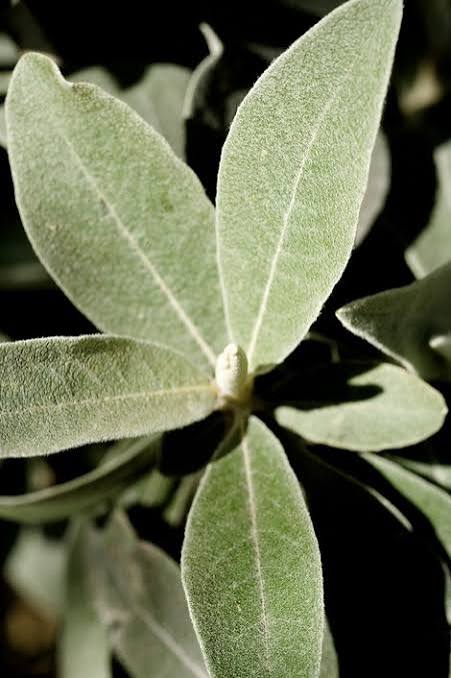
- Plants That Repel: Lemon balm, sage, rosemary, catnip, lemongrass, basil, and mint emit natural oils that repel fleas. Place potted plants near entrances and throughout your yard to deter fleas from entering your home.
- Diatomaceous Earth (DE): Food-grade DE, a non-toxic powder, effectively disrupts flea egg development. Apply DE in areas frequented by your dog, but take precautions to prevent inhalation.
- Garlic Water Spray: Garlic is a natural flea repellent safe for use in yards. Create a garlic water solution by steeping chopped garlic in boiling water for 12 hours. Lightly spray your lawn and garden areas with the solution to repel fleas.
- Nematodes: These tiny soil-dwelling organisms are natural flea predators, reducing flea populations in your yard. Apply nematodes when soil temperatures rise above 45 degrees for 2 to 3 weeks. Purchase nematodes from garden centers or online.
- Cedar Mulch: Fleas and ticks dislike the scent of cedar. Use cedar chips or mulch around your garden beds, under porches, and along pathways where pets walk.
- Eucalyptus Oil Spray: Mix a few drops of eucalyptus essential oil with water and spray in shaded, moist areas. Eucalyptus is a known natural tick and flea repellent.
- Keep Wildlife at Bay: Animals like raccoons, opossums, and feral cats can carry fleas and ticks. Secure your trash, use fencing, and avoid leaving pet food outdoors.
- Create a Gravel or Mulch Barrier: Add a 2–3 foot wide gravel or wood chip border between your lawn and wooded areas. This dry zone makes it harder for ticks to migrate into your yard.
- Raise Backyard Chickens: Chickens naturally forage for ticks and flea larvae, helping control pests without chemicals while adding charm and productivity to your yard. (We just got chicks ????)
Implementing these natural methods in your yard can significantly reduce flea populations, creating a safer environment for you and your pets.
Lastly, have your veterinarian do a blood test every 6 months to check your dog for tick borne illnesses.
Conclusion
It’s crucial to recognize the potential dangers associated with using commercial pesticides for flea and tick control. While these products may offer short-term answers, they come with significant risks to your dog’s health and the environment.
By opting for natural alternatives and implementing preventive measures like regular grooming, washing bedding, and treating your yard with organic deterrents, you can protect your dog from harmful chemicals while effectively managing flea and tick infestations. Additionally, consulting with a holistic veterinarian can provide valuable insights and personalized recommendations tailored to your dog’s specific needs. Together, let’s prioritize your dog’s health and well-being by embracing safe, natural solutions for flea and tick control.