
What is Salivary Mucocele?
A salivary mucocele is a fluid-filled swelling caused by leaking saliva from a damaged salivary gland or duct. It is not a true cyst because it lacks an epithelial lining.
What Causes Salivary Mucocele?
The exact cause is often unknown, but possible triggers include:
- Trauma (e.g., bite wounds, head injuries)
- Obstruction (e.g., salivary stones, foreign objects)
- Inflammation or infection
- Dental procedures or surgeries
- Tumors (rare)
The mandibular and sublingual glands are most commonly affected, leading to fluid accumulation in different areas such as:
- Cervical mucocele – Swelling under the neck
- Ranula – Swelling under the tongue
- Pharyngeal mucocele – Swelling in the throat, which may cause breathing issues
- Zygomatic mucocele – Swelling near the eye, causing eye displacement
Symptoms to Watch For
- Soft, painless swelling under the jaw, tongue, throat, or near the eye
- Difficulty eating or swallowing
- Excessive drooling
- Breathing problems (if swelling occurs in the throat)
- Bulging eye or vision issues (if near the eye)
Diagnosis
Veterinarians use fine needle aspiration to remove and examine the fluid. Other tests like ultrasound, CT scans, or contrast imaging may be needed to identify the affected gland and rule out other possible causes.
Treatment Options
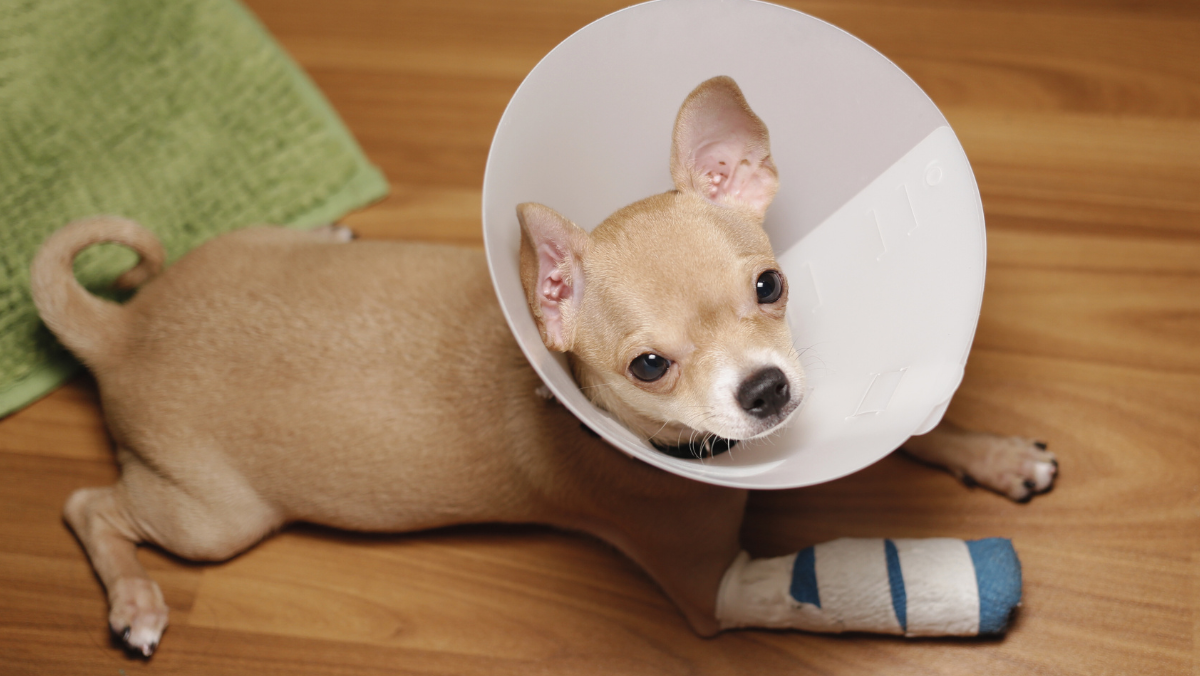
- Surgical Removal – The gold standard treatment involves removing the affected salivary gland(s) to prevent recurrence.Please check out my blog on how to safely prepare your dog for surgery:
- Drainage – A temporary solution, but not a long-term fix since the mucocele will likely return.
- Marsupialization – A procedure for ranulas, creating a permanent drainage opening.
- Supportive Care – If breathing is affected, emergency drainage may be needed. Antibiotics and anti-inflammatories may be prescribed for infection or inflammation.
Natural Remedy Support
- Turmeric (Curcumin):
- Contains potent anti-inflammatory compounds that may help reduce swelling and support healing.
- How to use: Combine turmeric with a small amount of black pepper and a healthy fat (like coconut oil) to enhance absorption. The typical dose is about 1/8 to 1/4 tsp per 10 lbs of body weight daily.
- PEA (Palmitoylethanolamide):
- A naturally occurring fatty acid derivative with strong anti-inflammatory properties, which can help modulate the inflammatory response.
- Here is a supplement I trust: https://drjudymorgan.com/products/dr-judys-pea-palmitoylethanolamide-40g
- Yucca Root:
- Yucca has saponins that act as natural steroids to reduce pain and inflammation in dogs.
- How to use: Yucca root can be given in powdered form or as a liquid extract. Always follow dosing instructions on the product label.
- Chamomile:
- Brew a strong chamomile infusion, soak a clean cloth in the warm liquid, and gently apply it as a compress to the affected area for 10–15 minutes several times a day to soothe inflammation and promote healing.
- Calendula:
- Known for its tissue-healing and anti-inflammatory benefits; useful in topical applications.
- Omega-3 Fatty Acids (Fish Oil):
- Helps reduce systemic inflammation and supports overall tissue repair.
- Herbal Immune Support:
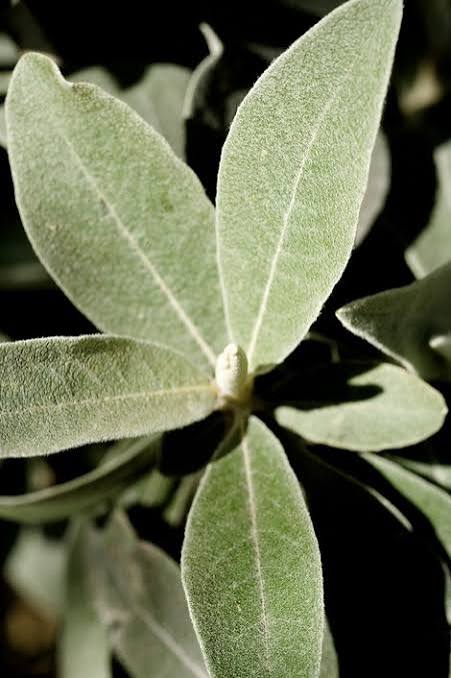
- Echinacea and goldenseal may boost the immune system, reducing the risk of secondary infections.
- Nutritional Support:
- A balanced, antioxidant-rich fresh food diet can enhance the body’s natural healing processes.
- Complementary Therapies:
- Consider acupuncture to improve local circulation and promote healing in the affected area.
- Calming Massage & Lymphatic Support:
- Incorporate gentle massage to help venous drainage and keep secondary swelling and discomfort at bay.
- Holistic Veterinary Consultation:
- Always consult with a holistic veterinarian to tailor treatments and ensure safe, effective dosages for your pet.
These natural approaches can serve as supportive measures to help manage salivary mucoceles. However, they should be integrated with professional veterinary care to ensure the best outcome for your pet.
Prognosis
Excellent! With proper surgery, most dogs recover fully and do not experience recurrence. In rare cases, if the wrong gland is removed or the procedure is incomplete, a second surgery may be needed.
Concerned about a lump or swelling in your dog’s mouth or neck? Contact your vet to rule out salivary mucocele and discuss treatment options! ????
|
Join the Dog Mom Society, where you’ll gain the clarity, confidence, and community you need to make empowered decisions for your dog’s health and happiness. Get expert guidance, holistic care strategies, and the support of like-minded dog moms who truly get it. |