
Introduction
Hypothyroidism is the most commonly diagnosed endocrine disorder in dogs, yet it often goes undetected for years. Why? Because the early signs are subtle, easily mistaken for normal aging or other minor health issues. Many veterinarians don’t routinely check thyroid function during regular check-ups, leaving countless dogs untreated and struggling with symptoms that could be easily managed.
In this blog, we’ll break down what hypothyroidism is, how to recognize the warning signs, and why early detection is key to keeping your dog happy and healthy. Whether you’re a dog owner, trainer, or canine professional, understanding this condition could change—and even save—lives.
What Is The Thyroid Gland Anyway?
The thyroid gland is a small but powerful part of the endocrine system, responsible for producing hormones that regulate the body’s metabolism. Shaped like a butterfly, it sits in the upper neck, just in front of the trachea. This gland uses iodine from the diet to produce two key hormones: T4 (thyroxine) and T3, which play a vital role in keeping the body’s metabolic processes running smoothly.
Hypothyroidism, an underactive thyroid condition, arises from reduced production of thyroid hormones by the thyroid glands, situated in the neck near the voice box. Insufficient levels of thyroid hormones, including thyroxine (T4) and triiodothyronine (T3), can adversely affect various organ systems, such as the heart, nervous system, and skin.
The Importance of Thyroid Gland Function
Thyroid hormones are essential for regulating many of the body’s metabolic processes. They influence how the body uses oxygen, produce energy, and build proteins—key functions that support growth, central nervous system (CNS) development, and overall tissue health. These hormones also play a significant role in maintaining heart health by regulating heartbeat strength and rhythm, managing cholesterol levels, and promoting red blood cell production.
The thyroid gland produces hormones like T4, which is inactive until it’s converted into the active form, T3, by tissues throughout the body. While most T4 in the bloodstream is bound to proteins and unavailable for use, a small portion—called free T4—is accessible to tissues for activation. Interestingly, the thyroid gland produces about half of the T3 in dogs, while most T3 in humans is generated by other tissues in the body.
This entire process is carefully managed by the pituitary gland, often referred to as the “master gland.” When T4 levels drop, the pituitary gland releases thyroid-stimulating hormone (TSH), signaling the thyroid gland to produce and release more T4. This feedback loop ensures the body maintains a delicate hormonal balance.
Think of active thyroid hormone as the body’s metabolic “volume dial,” fine-tuning how cells and tissues function. When thyroid hormone levels are too low, nearly every system in the body feels the impact, which can lead to fatigue, weight fluctuations, and metabolic imbalances.
Types of Hypothyroidism
Acquired
-
- Primary Hypothyroidism
This is the most common form of acquired hypothyroidism in the dog. With primary hypothyroidism, decreased production and circulation of T3 and T4 occurs because of idiopathic atrophy or autoimmune destruction of the thyroid glands (i.e. thyroiditis). The autoimmune condition is known as thyroiditis or lymphocytic thyroiditis. Clinical abnormalities do not typically develop until approximately 75% of thyroid gland tissue is destroyed.When the immune system targets the thyroid, it leads to chronic inflammation, potentially affecting the gland’s ability to produce hormones adequately. Thyroiditis can be inherited in dogs. - Idiopathic Primary Hypothyroidism can happen when the thyroid gland shrinks for unknown reasons. The thyroid tissue is replaced with fat and connective tissue. This shrinkage might be the end stage of thyroiditis, but there is no clear proof of that.
- Secondary Hypothyroidism occurs from decreased production of TSH by the pituitary gland, usually because of a tumor, cyst, or trauma.
- Primary Hypothyroidism
Congenital Hypothyroidism
Congenital hypothyroidism primarily arises from inherited defects in the hypothalamic-pituitary-thyroid axis or from iodine deficiency. Other possible causes include deficiency or unresponsiveness to TRH or TSH, thyroid dysgenesis, and errors of thyroid hormone synthesis (i.e. dyshormonogenesis). Congenital hypothyroidism can be divided into goitrous (i.e. mass can be palpated in the ventral neck area) and non-goitrous forms.
Predisposing Factors:
-
- Breed Predisposition: Breeds with a definite predisposition to develop hypothyroidism include the Doberman pinscher, the Golden retriever, the Irish Setter, the Great Dane, the Dachshund, and the Boxer.
- Age: Hypothyroidism often occurs in middle-aged to older dogs, typically between 4 to 10 years old.
- Sex: Females are more commonly affected than males.
- Genetics: There’s a genetic component to hypothyroidism, and dogs with a family history may be at a higher risk.
- Autoimmune Disorders: dogs with immune conditions that attack other body systems may be more likely to develop auto-immune hypothyroidism.
Symptoms
Recognizing the signs of hypothyroidism is vital for early intervention.
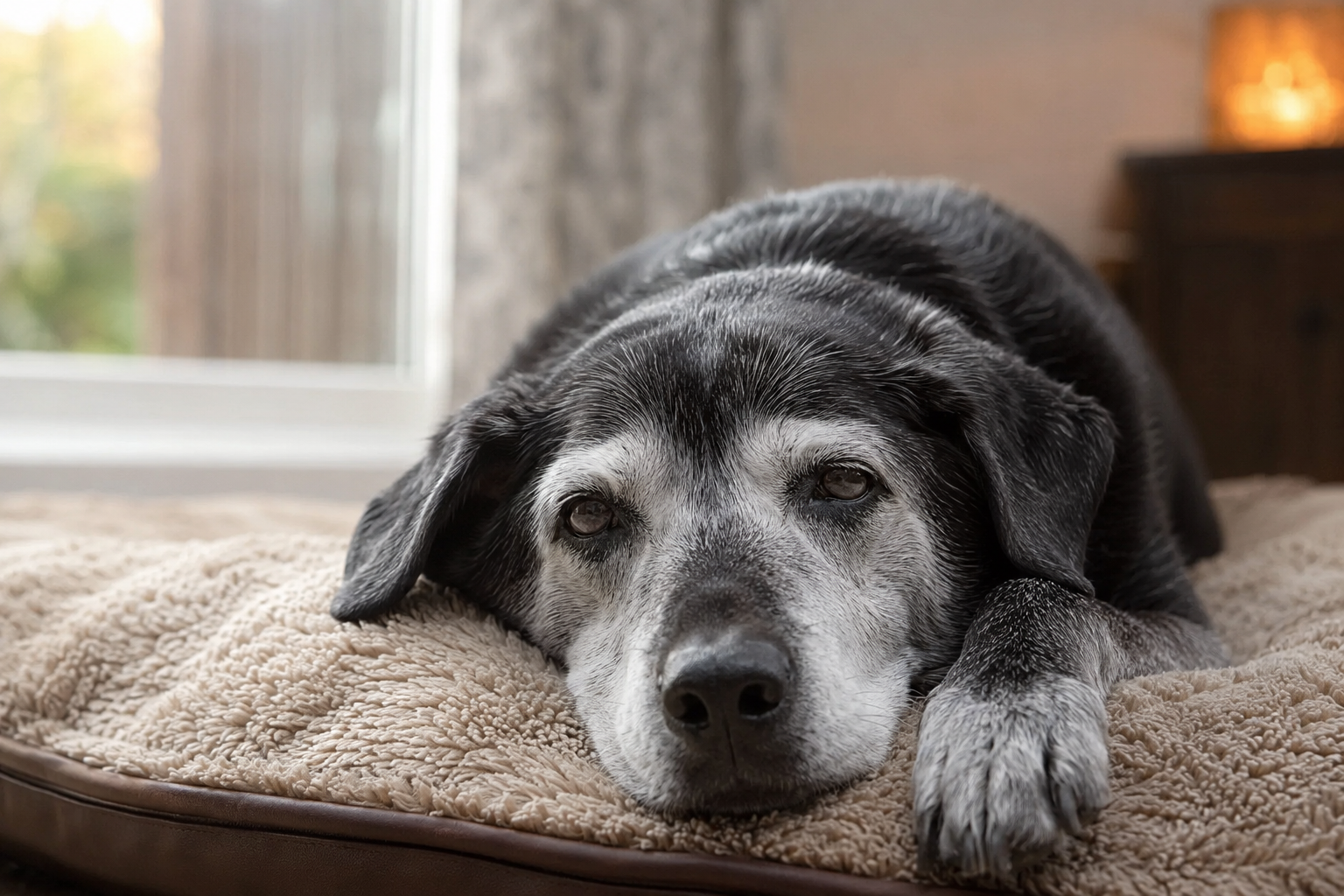
- Lethargy/exercise intolerance: Dogs with hypothyroidism may experience lethargy, weakness, and exercise intolerance due to reduced energy levels and muscle weakness. They may tire easily during physical activity and show reluctance to engage in exercise or play.
- Weight gain.
- Dermatological changes: skin and coat issues, especially excessive hair loss, alopecia, dry, flaky skin and dry, brittle haircoat.
- Sensitivity to cold
- Changes in behavior
- Neurological symptoms-A study in 2017 of confirmed hypothyroid dogs revealed 29% also had nerve problems. In some dogs with acquired hypothyroidism, there can be neurologic issues. This may include problems with the peripheral nerves, leading to weakness, partial paralysis, lack of coordination, and issues with knowing where their limbs are in space (proprioceptive deficits). Dogs may also show problems with cranial nerves, especially facial nerve paralysis, and signs related to the vestibular system. Dogs with hypothyroidism might experience seizures, confusion, and changes in behavior. This study found that among 59 newly diagnosed hypothyroid dogs, about 29% had neurologic abnormalities, with 76.5% of those showing seizures.
- Facial nerve paralysis is a lesser-known but significant symptom of hypothyroidism in dogs. When thyroid hormone levels drop, it can lead to neuromuscular dysfunction, affecting the cranial nerves—including the facial nerve. Dogs with facial nerve paralysis may exhibit a drooping eyelid, an inability to blink, drooping lips, or difficulty controlling facial expressions on one side of the face. In some cases, they may also experience drooling or difficulty eating. Because these symptoms can mimic other neurological conditions, hypothyroidism is often overlooked as a potential cause. However, with proper thyroid hormone supplementation, many dogs show remarkable improvement, making early diagnosis crucial.
- Hypothyroidism has also been linked to issues like laryngeal paralysis and megaesophagus, although a clear cause-and-effect relationship hasn’t been confirmed.
- In dogs with hypothyroidism, there’s a higher likelihood of having issues with cholesterol and atherosclerosis. Elevated levels of lipids and cholesterol, known as hyperlipidemia and hypercholesterolemia, are linked to hypothyroidism and can contribute to the development of atherosclerosis.
- Ocular symptoms: In dogs with hypothyroidism, there have been reports of eye problems like corneal lipidosis, corneal ulceration, lipid getting into the eye fluid leading to inflammation (uveitis), fat in the retina (lipemia retinalis), and dry eye (keratoconjunctivitis sicca or KCS).
- Gastrointestinal symptoms secondary to hypothyroidism can include vomiting, constipation, and/or diarrhea. One study reported that 45/166 dogs with hypothyroidism had GI signs. In one study, Vomiting was found in 40% of dogs, and 22% had constipation.
-
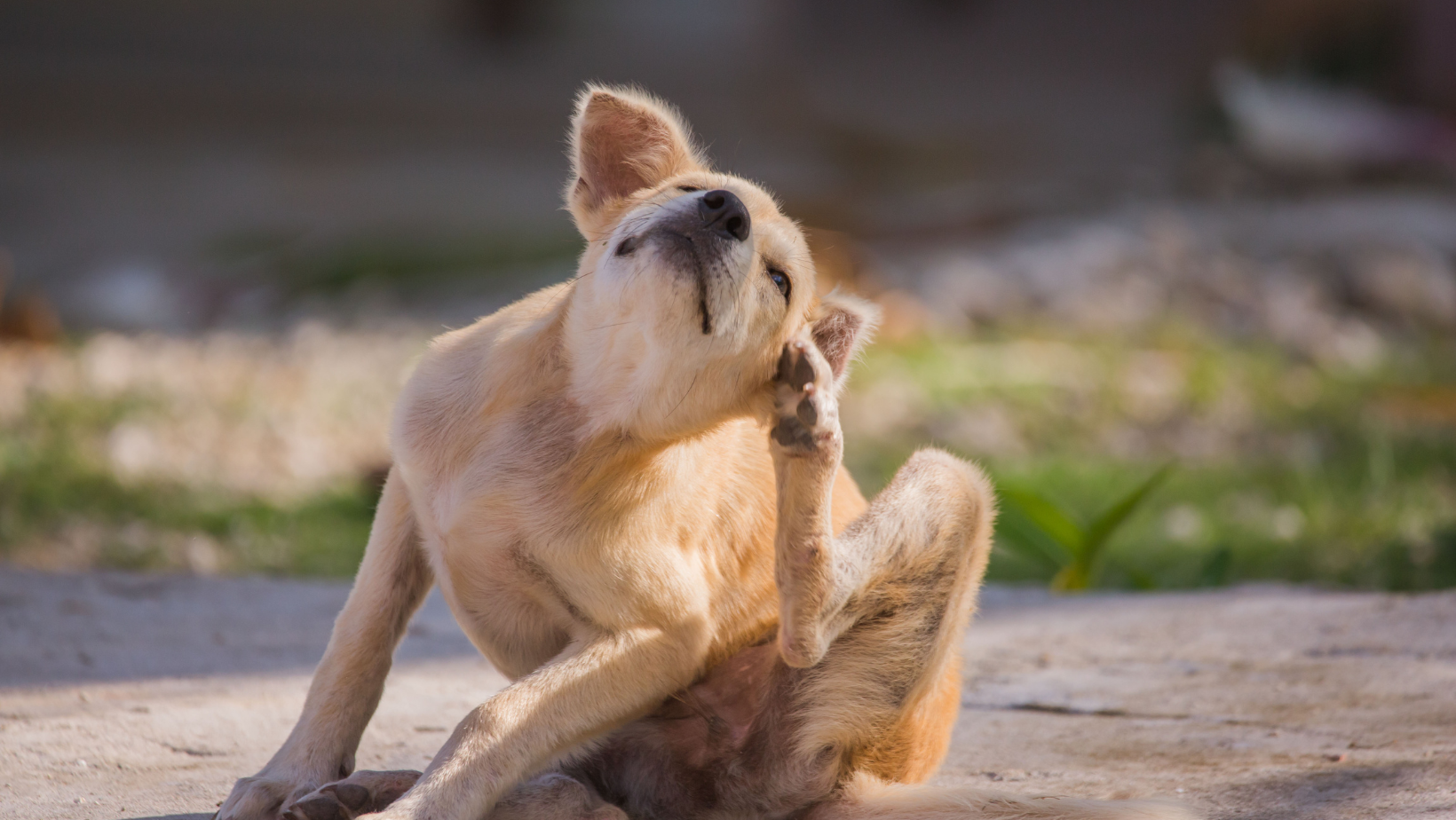
Skin disease: Dermatological issues are common in 60-80% of dogs with hypothyroidism. Symmetrical hair loss, known as alopecia, often starts on the lateral trunk, ventral thorax, or tail, resulting in a “rat tail” appearance. Alopecia can be localized or generalized, with dry, brittle, and dull hair coat. Other skin abnormalities may include hyperkeratosis, hyperpigmentation, hypotrichosis, scaliness or seborrhea, poor wound healing, and comedone formation. In rare cases, myxedema, thickening of the skin without pitting, may occur, particularly noticeable in the face, leading to drooping eyelids and facial features known as “hypothyroid facies” or. “tragic face” Hypothyroid dogs are also prone to recurrent skin infections like bacterial pyoderma, otitis externa, Malassezia spp. infection, and demodicosis.
-
Obesity: Hypothyroidism can lead to a sluggish metabolism, resulting in weight gain and obesity in affected dogs. The decrease in thyroid hormone levels can slow down the body’s ability to burn calories efficiently, leading to excess fat accumulation.
-
Behavioral Changes: Hypothyroidism can also affect a dog’s behavior, leading to mood changes, irritability, and cognitive dysfunction. Some dogs may become more withdrawn or depressed, while others may exhibit signs of aggression or anxiety. These behavioral changes can significantly impact the dog’s quality of life and may require behavioral management strategies in addition to thyroid hormone supplementation.
- Cardiac symptoms: Abnormal rhythms or slow heart rate occur in as many as 26% of hypothyroid dogs; still, the significance of this in terms of overall lifestyle is not clear. Many specialists feel thyroid supplementation should be started at a lower dose for patients with obvious heart disease.
Contributing Factors To Developing Hypothyroidism
How Toxins Affect The Thyroid Gland
Disruption of Endocrine System: Many pesticides contain chemicals known as endocrine disruptors, which can interfere with the normal functioning of the thyroid gland. These chemicals may mimic or block the actions of thyroid hormones, leading to imbalances in hormone levels.
Thyroid Damage: Certain pesticides, particularly organochlorine pesticides like DDT and dieldrin, have been associated with thyroid gland damage. Prolonged exposure to these chemicals may cause inflammation and injury to the thyroid tissue, impairing its ability to produce thyroid hormones.
Direct trauma to the thyroid gland can contribute to dysfunction, making it more susceptible to issues like hypothyroidism. Repeated pressure from prong collars, electric collars, or even constant pulling on a standard collar can cause localized inflammation and damage to the delicate thyroid tissue over time. This is one of the key reasons I strongly recommend using harnesses or Gentle Leaders instead of traditional collars. By reducing unnecessary strain on the neck, these alternatives help protect your dog’s thyroid health while also promoting safer, more comfortable leash handling.
Interference with Hormone Production: Some pesticides can directly interfere with the synthesis and release of thyroid hormones by the thyroid gland. This disruption can result in reduced production of thyroid hormones, leading to hypothyroidism.
Immune System Dysfunction: Exposure to pesticides has been linked to immune system dysfunction, including autoimmune responses. In some cases, the immune system may mistakenly target the thyroid gland as a foreign invader, leading to autoimmune thyroiditis, a common cause of hypothyroidism. This
Commercial flea and tick products have toxic effects on the body and can contribute to auto-immune disease and endocrine dysfunction.
The Role of Over-Vaccination in Hypothyroidism
Immune System Activation: Vaccines stimulate the immune system to produce an immune response against specific pathogens. In some cases, this immune response may lead to the production of antibodies that cross-react with thyroid tissue, resulting in autoimmune thyroiditis, a common cause of hypothyroidism.
Adjuvants and Ingredients: Some vaccines contain adjuvants, such as aluminum salts, which are added to enhance the immune response. These adjuvants may trigger inflammatory reactions that can affect the thyroid gland. Additionally, other vaccine ingredients, such as thimerosal (a mercury-containing preservative), have been implicated in thyroid dysfunction.
Molecular Mimicry: Molecular mimicry occurs when components of vaccines resemble proteins found in the body, including thyroid proteins. If the immune system generates antibodies against these vaccine components, it may inadvertently attack thyroid tissue, leading to autoimmune thyroiditis and hypothyroidism.
Genetic Susceptibility: Individuals with a genetic predisposition to autoimmune diseases, including autoimmune thyroiditis, may be more susceptible to developing hypothyroidism following vaccination, particularly if the vaccine triggers an autoimmune response.
The Role of Diet In Hypothyroidism
Commercial ultra-processed kibble diets: feeding dogs ultra-processed diets may increase their risk of developing hypothyroidism due to exposure to endocrine-disrupting chemicals, imbalanced carbohydrate intake, contamination, and reduced nutrient absorption. Opting for high-quality, whole food, species-appropriate diets that provide balanced nutrition is essential for supporting thyroid health and overall well-being in dogs. Check out my full blog on The Best Diets For Hypothyroid Dogs. Check out my blog on the best type of diet to support hypothyroid patients.
How The Overuse of Steroids Contributes To Hypothyroidism
Overuse of cortisone drugs to suppress symptoms can contribute to hypothyroidism by suppressing thyroid function, disrupting thyroid hormone metabolism, and increasing the risk of autoimmune thyroid diseases. Prolonged corticosteroid use may lead to immune system dysregulation and insulin resistance, further exacerbating thyroid dysfunction. In vet med today, many are quick to turn to steroids to mask symptoms rather than finding the primary cause. This can lead to many chronic diseases and conditions, hypothyroidism just being one.
Diagnostic Testing
Accurate diagnosis is the first step in effective management. Veterinary professionals employ blood tests to measure thyroid hormone levels.
- Standard labs to check overall health (CBC/chemistry panel/urinalysis)
- Thyroid Function Tests: Beyond standard bloodwork, specific thyroid function tests like T3, T4, freeT4, TSH, AAT3, and AAT4 tests can provide a detailed analysis of thyroid hormone levels.
- Thyroid Antibody Tests (TgAA): Testing for antibodies against the thyroid gland, such as the TgAA test, can help diagnose autoimmune thyroiditis.
- Ultrasound Imaging: An ultrasound of the thyroid gland may be recommended to assess its size and structure and identify any abnormalities.
- Thyroid Scintigraphy: This nuclear medicine imaging technique can provide detailed information about thyroid gland activity and help differentiate between different thyroid conditions.
- Response to Thyroid Hormone Therapy: In some cases, a therapeutic trial of thyroid hormone supplementation may be initiated, and the response is monitored to confirm the diagnosis.
Be wary of misdiagnosis: Euthyroid Sick Syndrome can mimic hypothyroidism due to illness, leading to potential misdiagnosis. In this condition, the body adapts to illness by reducing cell metabolism, causing a drop in circulating thyroid hormones. It’s crucial to note that despite these changes, individuals with euthyroid sick syndrome are not truly hypothyroid at the clinical level. Therefore, it is never recommended to test thyroid function when your dog is dealing with illness.
The Hidden Challenge: Why Standard Bloodwork Often Misses Early Hypothyroidism
Around 75% of the thyroid gland must be non-functional before abnormalities appear on standard bloodwork. This is because the thyroid has a large functional reserve, meaning it can compensate for declining function for quite some time before hormone levels drop below normal ranges.
This is one of the reasons why hypothyroidism often goes undiagnosed for years—by the time T4 and Free T4 levels fall low enough to raise red flags on routine blood tests, the disease is already advanced.
To catch hypothyroidism earlier:
- Run a full thyroid panel, including Total T4, Free T4, T3, Free T3, and TSH, rather than relying on Total T4 alone.
- Measure thyroid autoantibodies to check for autoimmune thyroiditis, which can indicate early thyroid dysfunction.
- Assess clinical symptoms rather than relying solely on lab results, since early-stage hypothyroidism may not yet show up on bloodwork.
Because of this diagnostic delay, if a dog is showing classic hypothyroid symptoms, some holistic veterinarians may begin supportive treatment even if bloodwork appears normal.
Treatment
Once diagnosed, treatment usually involves lifelong thyroid hormone supplementation. Synthetic thyroid hormones, such as levothyroxine, are prescribed to help regulate thyroid levels. Consistent medication and periodic check-ups are essential for optimal management.
Levothyroxine acts like the natural thyroid hormone T4 and gets converted to T3 in the liver and kidneys. Initially, the recommended dose is 0.01-0.02 mg/kg taken orally every 12 hours. For larger dogs, a maximum of 0.8 mg taken orally every 12 hours is typically started. Levothyroxine has a half-life in the bloodstream of 12-16 hours, with peak concentrations reached 4-12 hours after taking it. In some cases, once-daily administration may work well. A study with 10 hypothyroid dogs found that only one needed twice-daily supplementation. In this study, five dogs were maintained on 0.02 mg/kg taken orally every 24 hours, while the remaining four required slight dosage increases to maintain once-daily supplementation.
Prevention
When it comes to hypothyroidism prevention, maintaining a healthy lifestyle for our dogs is key. This includes providing a species-appropriate balanced diet, regular exercise, and avoiding unnecessary medications and over-vaccination. Additionally, avoiding excessive exposure to environmental toxins and pollutants can significantly reduce the risk of thyroid dysfunction in our canine companions. I also recommend using a harnesses rather than neck leads and collars to avoid trauma to the thyroid glands. And check thyroid levels regularly along with your baseline bloodwork.
Monitoring:
Before giving levothyroxine, T4 levels should be normal, and after administration, they should be in the upper reference range or slightly above. Monitoring T4 levels, alongside changes in clinical signs, helps decide if a dosage adjustment is necessary. TSH levels should also be within the normal range if levothyroxine supplementation is effective.
Natural Supplements To Support Dogs With Hypothyroidism
An approach some holistic veterinarians take is to use a lower dose of medication while incorporating natural thyroid support, gradually reassessing whether the dog’s thyroid can function independently over time without synthetic support.
- Omega-3 Fatty Acids can promote overall health and may have anti-inflammatory effects, beneficial for dogs with hypothyroidism. Check out my blog on how to choose healthy Omega 3 supplements.
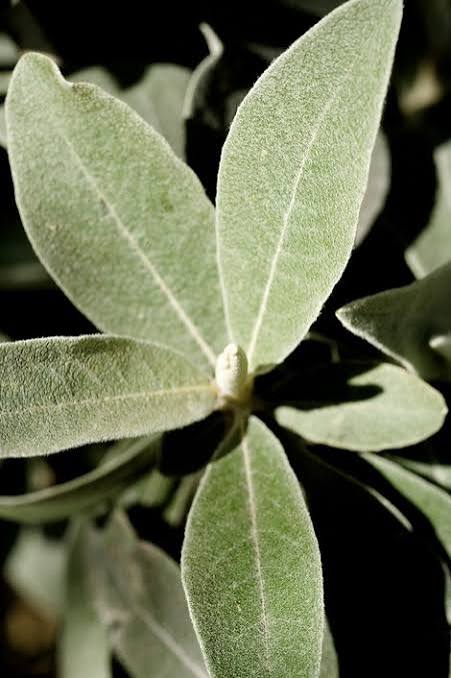
- Ashwagandha is an adaptogenic herb, ashwagandha may support the body’s ability to handle stress, which is potentially beneficial for dogs with hypothyroidism. Dose at about 1 drop/kg to 1 drop per 5 lbs of their alcohol extract by herbalist and alchemist.
- Vitamin E is an antioxidant can support the immune system and may have anti-inflammatory properties, contributing to overall well-being. Here is a recommended product.
- CBD Oil for its anti-inflammatory properties and healing properties. For dogs with hypothyroidism, reducing inflammation around the thyroid gland and supporting the endocrine system can be beneficial. Always choose a high-quality, pet-specific CBD oil. I use HEAL from CBD Dog Health.
- Standard Process Canine Thyroid Support is a supplement for dogs’ thyroid gland that provides critical trace nutrient support and supports all aspects of thyroid function Many holistic veterinarians recommend it as part of a broader thyroid management plan.
- Standard process Thyroid Complex contains Bladderwrack, Ashwagandha and Bacopa to support healthy thyroid function. Bladderwrack is an iodine-rich seaweed which can aid in boosting thyroid activity and is often recommended for dogs with an underactive thyroid. Like other iodine supplements, it’s important to monitor iodine levels to avoid excess.
- Kelp and Seaweed Supplements Rich in iodine, kelp and seaweed can be helpful for dogs with low thyroid function, as iodine is essential for the production of thyroid hormones. However, it’s crucial to use these supplements under veterinary guidance, as too much iodine can be harmful.
- Probiotics: Supporting gut health is crucial for overall immune function. Probiotics can aid in maintaining a healthy balance of gut bacteria. Check out my blog on probiotics.
*Iodine supplements such as Bladderwrack and kelp : Watch for signs of iodine excess, such as hyperthyroidism-like symptoms (increased thirst, weight loss, restlessness) or continued hypothyroid symptoms, which may indicate the dose needs adjustment. Too much iodine can suppress thyroid function, always work with a veterinarian to determine the correct dosage and monitor levels regularly by checking T4, Free T4, and TSH.
*Before starting any new supplement regimen, it’s always wise to consult with your veterinarian, preferably one with experience in holistic or integrative medicine. They can help tailor a supplement plan that fits your dog’s specific needs and ensure there are no interactions with existing medications.
Acupuncture
Acupuncture can be a powerful complementary therapy for managing hypothyroidism in dogs. By stimulating specific meridian points, acupuncture helps improve blood circulation, reduce inflammation, and support overall endocrine function, including thyroid health. It can also aid in boosting metabolism, enhancing immune response, and alleviating symptoms like fatigue, joint stiffness, and nerve dysfunction. Acupuncture has been especially helpful for my hypothyroid dog whom also developed secondary facial nerve paralysis.
Prognosis
The outlook is positive for patients receiving proper levothyroxine treatment. Most of the clinical issues get better with the right therapy. Improvement is expected within 4-6 weeks of starting treatment, with increased activity usually seen in the first week. Neurological signs may take around 4 weeks to improve but could take over 8 weeks. Dermatological problems might take longer to get better, like several months for hair to regrow. In one study with 35 hypothyroid dogs, 91% showed improvement or resolution of symptoms within the first 4 weeks of therapy.
My Own Dog’s Hypothyroid Diagnosis
My Golden Retriever, Peter Parker, was diagnosed with hypothyroidism in early 2025.
Approximately one year prior, I began noticing subtle changes: decreased energy, mild exercise intolerance, heat sensitivity, and a slight change in coat texture. Concerned, I ran baseline bloodwork, including a full thyroid panel and tests to rule out Addison’s disease (another endocrine disorder). Everything came back normal.
Determined to support his health, I focused on optimizing his gut microbiome and improving his diet. While these changes helped, they didn’t fully resolve his symptoms. I also considered whether his behavior during exercise was influenced by his dominant, ball-hog of a brother, Zane.
Then, one day, Parker developed acute right-sided facial nerve paralysis. That was the wake-up call. I ran a full thyroid panel again, and this time, the results showed severe hypothyroidism.
My biggest mistake? Not re-testing his thyroid sooner. Had I done so, I may have caught the disease earlier and possibly prevented the secondary facial nerve paralysis. Fortunately, with thyroid supplementation, natural support, and acupuncture, his paralysis is improving
Conclusion
Canine hypothyroidism is a manageable condition with timely detection and appropriate care. There are also several things you can do as a dog parent to try to prevent this condition. Testing the thyroid should be a routine test that is performed on dogs. The lesson I learned from my own dog was to recheck the thyroid hormones sooner when subtle symptoms are present in the face of normal thyroid levels. By understanding hypothyroidism and taking proactive steps to prevent, diagnose, treat, and monitor this condition, we can ensure our dogs lead happy, healthy lives.