
Recent reports from veterinarians highlight an alarming increase in dogs presenting with acute respiratory infections across the country. This condition ranges from mild and self-limiting to severe pneumonia, with a concerning lack of response to standard antibiotics and negative diagnostic outcomes for known canine pathogens.
Key Points
Uncertain Origin: Some researchers believe the mysterious respiratory illness could be caused by a new type of bacterial infection that may be very good at evading the canine immune system according to the University of Nebraska Medical center. The surge may be caused by a novel emerging pathogen (most likely) or be related to Canine Infectious Respiratory Disease Complex (CIRDC). The absence of a centralized reporting system complicates confirmation.
Atypical Cases: Cases suspected to be “atypical CIRDC” often lack diagnostic testing, hindering the detection of likely culprits such as influenza virus, pneumovirus, and respiratory coronavirus. Emerging or increasingly virulent pathogens are also under investigation.
Recommendations for Dog Guardians
- Vigilance: Be vigilant in identifying and segregating dogs with respiratory signs.
- Testing: Submit respiratory PCR panels within 4 days of the first clinical signs, especially for dogs recently exposed to other dogs.
- Reduce Exposure: Minimize visits with other dog populations.
Dogs at Risk
- Dogs that visit with other dogs, such as boarding, daycare, dog shows, and dog parks.
- Suspect cases were reported in at least 12 states, including Florida, New England, Illinois, Georgia, Oregon.
Boost The Immune System
Immune Boosting Supplements:
- Echinacea
- Natural antibiotic and anti-fungal properties.
- Anti-viral properties that offer support against diseases like dog flu and kennel cough.
- For dogs, give 12 to 25 drops of echinacea tincture, three times daily. The recommended dose for dogs is 1/2 ml for every 15 lbs of body weight. Give just before feeding, up to 3 times daily.
When To Give Your Dog Echinacea
- Before he meets new dogs
- Ahead of stressful events
- Before and during boarding at kennels or daycares
- Only give when needed as it looses it’s effectiveness over time-not good as a daily supplement.
- Colostrum
- Colostrum contains a substance called proline-rich-polypeptide (PRP), which is an immunomodulator.
- It boosts an underactive immune system and balances an overactive one
- Medicinal mushrooms (especially Turkey Tail)
- Pre and probiotics – raw goat’s milk
- Freeze dried or fresh lung– Traditional Chinese Medicine treat like with like
Immune-Boosting Foods
- Foods rich in Vitamin C- oranges, strawberries, red peppers
- Foods rich in antioxidants- berries, ginger
- Omega 3s- sardines, green-lipped mussels
- Raw goat’s milk- live active probiotics, prebiotics, vitamins, minerals, enzymes, protein.
Clinical Signs To Watch For
- Highly contagious, rapidly spreading among dogs in contact with others.
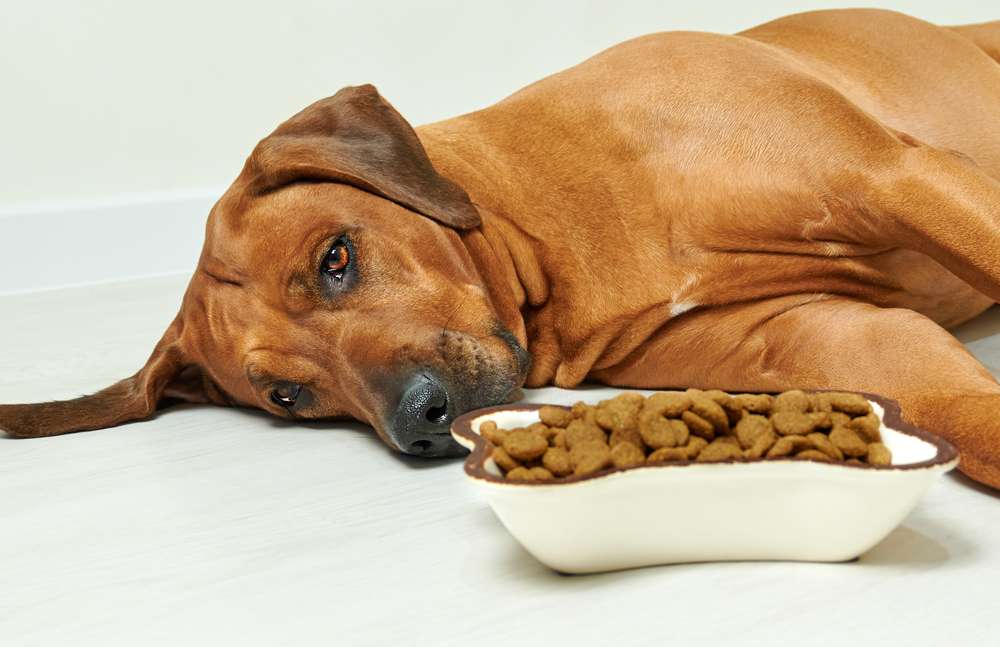
- Acute cough, sneezing, nasal discharge, eye discharge, fever, anorexia, lethargy.
- Severe cases can progress to life-threatening pneumonia, requiring oxygen and ventilator support.
- Cough may persist for weeks to months.
Diagnosis
- Collect swabs for PCR testing within 4 days of the first clinical signs.
- Respiratory PCR panels should include a comprehensive list of pathogens.
- Respiratory cultures may be indicated for suspected bacterial infection.
- Radiographs to evaluate lungs
- An echocardiogram may be warranted to rule out heart disease as a primary cause of respiratory symptoms
- CBC/chemistry blood panel to evaluate organ function, hydration and white blood cell count.
- Urinalysis to rule out a co-infection
Treatment Guidelines
Treatment should be tailored to each individual dog’s symptoms and needs. This may include:
- Antibiotics based on culture results or medications like doxycycline may be chosen empirically.
- Oxygen therapy
- IV fluids to support hydration
- Nebulization treatments with saline or N-acetylcysteine
- Bronchodilators
- Inhaler treatments ( steroids/bronchodilators)
- Nutritional support (fresh real food, not processed prescription diets)
- Immune support ( medicinal mushrooms, omega 3s, pre and probiotics, vitamin C)
- Manuka honey/ginger tea to soothe the throat
- Oral steroids may become necessary in severe cases
Preventive Measures for Dog Owners
- Reduce contact with large numbers of unknown dogs.
- Avoid contact with visibly sick dogs.
- Keep sick dogs at home and seek veterinary care promptly.
- Avoid communal water bowls shared by multiple dogs.
- Note that standard vaccinations may not protect against this particular outbreak.
- I, personally, will not be vaccinating my dogs for Bordetella, influenza and parainfluenza as these have not been shown to be the causative agents in this respiratory outbreak.
In case your dog shows signs of illness, consider timely PCR testing to identify the causative agent. Stay informed and prioritize your dog’s well-being.
To always be the first to hear about how to keep your dog safe and healthy join the Dog Mom Society below and get direct access to Dr. Loudon.