
In contrast to European countries, the overwhelming majority (an estimated 83%) of dogs in the U.S. are neutered or spayed, before one year of age. The impetus for this widespread practice is:
- Pet population control
- Belief that mammary gland and prostate cancers are prevented
- To treat or prevent unwanted male-type behaviors.
This practice in the U.S. continues to contrast with the general attitudes in many European countries, where neutering is commonly avoided and not promoted by animal health authorities.
Studies are proving that this practice of juvenile spaying and neutering promotes increased incidences of debilitating joint disorders, certain cancers and urinary incontinence. It has also been shown that juvenile spay/neuters actually promote negative behaviors in dogs rather than alleviating them.

Joint Disorders
Joint disorders are of particular interest because neutering and spaying removes important sex hormones that play key roles in body processes such as closure of bone growth plates.
In a study, the occurrence of at least one joint disorder in neutered males was three times that of intact males. Seven percent of intact males were diagnosed with one or more joint disorders, compared to 21 percent of males neutered prior to a year of age.
The main joint disorders studied are hip dysplasia (HD), cranial cruciate ligament tears (CCL) and elbow dysplasia (ED).
Cranial cruciate ligament (CCL) surgery is the most common orthopedic surgery performed in dogs and is said to make up 85% of all dog orthopedic surgeries performed every year. In a study, there were no cases of cranial cruciate ligament tears diagnosed in intact males or females, but in early-neutered males and females the occurrences were 5 percent and 8 percent, respectively. Across several breeds, a study of CCL found that neutered males and females were two to three times more likely than intact dogs to have this disorder. Neutering has also been shown to be associated with a threefold increase in excessive tibial plateau angle – a known risk factor for CCL.
Hip dysplasia (HD) – In a study of early-neutered males, 10 percent were diagnosed with HD, double the occurrence in intact males.
Elbow dysplasia (ED)–In a study, the occurrence of ED in intact males was about 1.75%, which increased to 4.4% and 5.3%, respectively, with neuter ages less than 6 months and 6–11 months.

Cancer
When analyzing data across multiple dog breeds, it is evident that neutering increases the overall risk of developing hemangiosarcoma, lymphoma, mast cell tumors, and osteosarcoma in both male and female dogs. Females exhibit a greater risk compared to males when neutered, particularly across these types of cancers.
Bone Cancer
In a study of Rottweilers, the risk for bone sarcoma was significantly influenced by age at spay/neuter. Male and female dogs that underwent neuter or neuter before 1 year of age had an approximate one in four lifetime risk for bone sarcoma and were significantly more likely to develop bone sarcoma than dogs that were intact.
In another study, several breeds had a 2-fold increase in neutered dogs relative to intact dogs.
Lymphosarcoma (LSA)
In a study, close to 10 percent of early-neutered males were diagnosed with LSA, 3 times more than intact males.
Hemangiosarcoma (HSA)
In a study, the percentage of HSA cases in late-spayed females (about 8 percent) was 4 times more than intact and early-neutered females. Another study indicated neutering and spaying to be associated with significant risk of developing HSA for both male and female dogs.
Mast Cell Tumor (MCT)
In a study, there were no cases of MCT in intact females, but the occurrence was nearly 6 percent in late-spayed females.
Urinary Incontinence (UI) in Females
In a study, there was no occurrence of urinary incontinence in intact females. In females spayed at less than 6 months, the incidence of UI was 4.7%. For those neutered at 6–11 months the incidence was 7.3%, which was a significant increase compared with intact females.
Early Spay also increases the risk of recessed vulva, vaginal dermatitis, and vaginitis, especially for female dogs spayed before puberty. These all lead to an increased incidence of chronic urinary tract conditions including recurring urinary tract infections.

The Arguments in Support of Spaying and Neutering
The Concern For Mammary Gland and Prostatic Cancers
The fear of mammary gland and prostate cancers is what has many rushing to get their dogs “fixed” at an early age. The fact is, both prostate and mammary cancer are relatively uncommon in dogs, whether they’re intact or neutered and spayed. The incidence of prostate cancer in dogs is less than 0.6%.
According to Dr. Benjamin Hart of the University of California, Davis, based on available data, “prostate cancer in males is more common in neutered than intact dogs.” Recently, two retrospective studies found that neutered male dogs have a four times higher risk of prostate cancer than intact dogs.
Testicular cancer, which is also considered uncommon, offers better treatment outcomes compared to other cancers.
Existing studies on the incidence of mammary cancer are less conclusive. In a 2012 study, “Two of the four included studies found no evidence that neutering bitches was associated with a reduced risk of mammary tumours”.
The Concern For Pyometra
Pyometra is an infection of the uterus. This condition causes death in about 1% of intact female dogs. This risk alone, in my opinion, does not justify the decision to perform a major surgery that can leave your dog with life-long side effects. Pyometra is also a very treatable condition when caught early.
Behavioral Problems
Many dog guardians will turn to spay/neuter to prevent or treat behavioral issues such as aggression and marking. Neutering and spaying dogs can actually worsen their behavior and cause new, unwanted behaviors to develop. Which makes sense if you think about it. When humans undergo hysterectomy they must deal with changes in mood due to lack of estrogen such as depression, crying spells, insomnia, and irritability. Why would we assume the same surgery would not have a negative affect on our dog’s behavior?
In a study, it was shown that neutered males dogs were more emotionally unstable, displayed a greater tendency for aggressive behavior and exhibited higher rates of owner-directed aggression.
Female spayed dogs are highly represented in many studies with a higher likelihood of presenting with human-directed aggression.
Neutering has been implicated in increasing anxiousness in dogs, with dogs neutered before the age of one year old presenting with exaggerated fearful responses.
This recent study published in JAVMA January 19th, 2023,
found that longer duration of gonads being present, regardless of sex, was associated with fewer general health problems and fewer problematic and nuisance behaviors.
Preventing Overpopulation
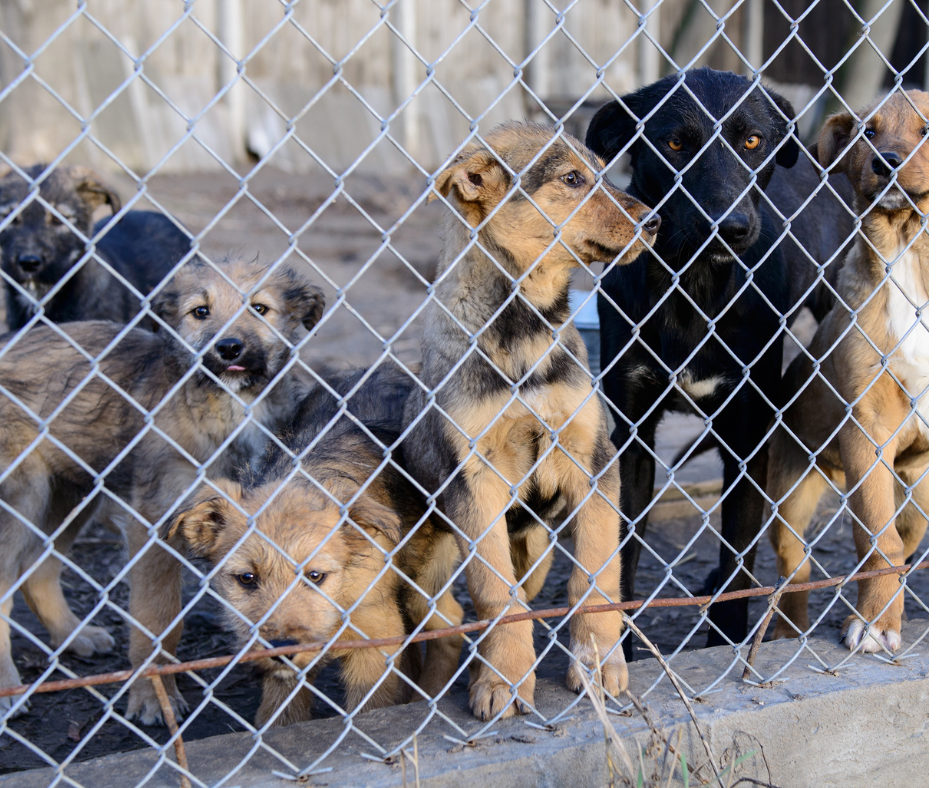
Most animal advocates place population control above all else. And I get it… Approximately 3.1 million dogs enter U.S. animal shelters nationwide every year. It’s heartbreaking. But by choosing juvenile sterilization, it is yet another way humans are negatively affecting the dog population. The problem with overpopulation is due to irresponsible people, not intact dogs. There needs to be legislation protecting dogs from irresponsible guardians. My ideas around this are for another blog…
It is going to take animal advocates coming together to find a solution that accomplishes population control while also supporting each dog’s health and longevity. Lobbying for new legislation to protect dogs from irresponsible guardians is one answer. Veterinarians performing more vasectomies and ovary-sparing spays may be another answer. Here is a great article on hormone sparing spays and neuters.
Summary
The conflicting advice regarding the way veterinarians and guardians approach canine health can be quite confusing these days. There is opposing advice on the internet, in vet’s offices and from other pet professionals. The reality is that some of the practices that have been recommended for many years are not the best choices for our dog’s well-being and longevity. It is becoming clear that many of these “old” practices are actually hurting our dog’s physical and emotional health and ultimately decreasing their life spans.
The decision around spaying and neutering is complex. With the information available, dog guardians can work with veterinarians to make better, more informed decisions about what’s best for their individual dog. Guardian’s showing up as their dog’s health care advocates is key.
The blanket recommendations of the past that every puppy get “fixed” by 6 months is outdated and irresponsible, in my opinion. Each dog and each individual situation deserves consideration of the possible health outcomes on each side of the spay-neuter decision.