
Causes of Car Sickness in Dogs
Dogs get carsick for both physical and psychological reasons.
The physical- motion sickness in dogs is caused by a disturbance of the inner ear system that controls balance just as it is for us humans. It’s more commonly seen in puppies because the structures in the inner ear used for balance are not yet fully developed. Most dogs outgrow car sickness caused by motion sickness.
The psychological- dogs may also suffer from car-related stress. A negative experience in the car such as a car accident, loud noises, etc. can cause your pup to associate the car with scary things. My own dog, Parker, developed car anxiety from a near-accident that jolted everyone in the car. Lack of experience in the car may also cause car stress in dogs.
Regardless of the cause, car sickness can be frustrating for dog guardians and uncomfortable for their dogs.
Symptoms of Stress
- Restlessness
- Panting
- Whining
- Chewing
- Crying or barking
- Restlessness
- Trembling/shaking
- Yawning
- Tense posture
Symptoms of Nausea
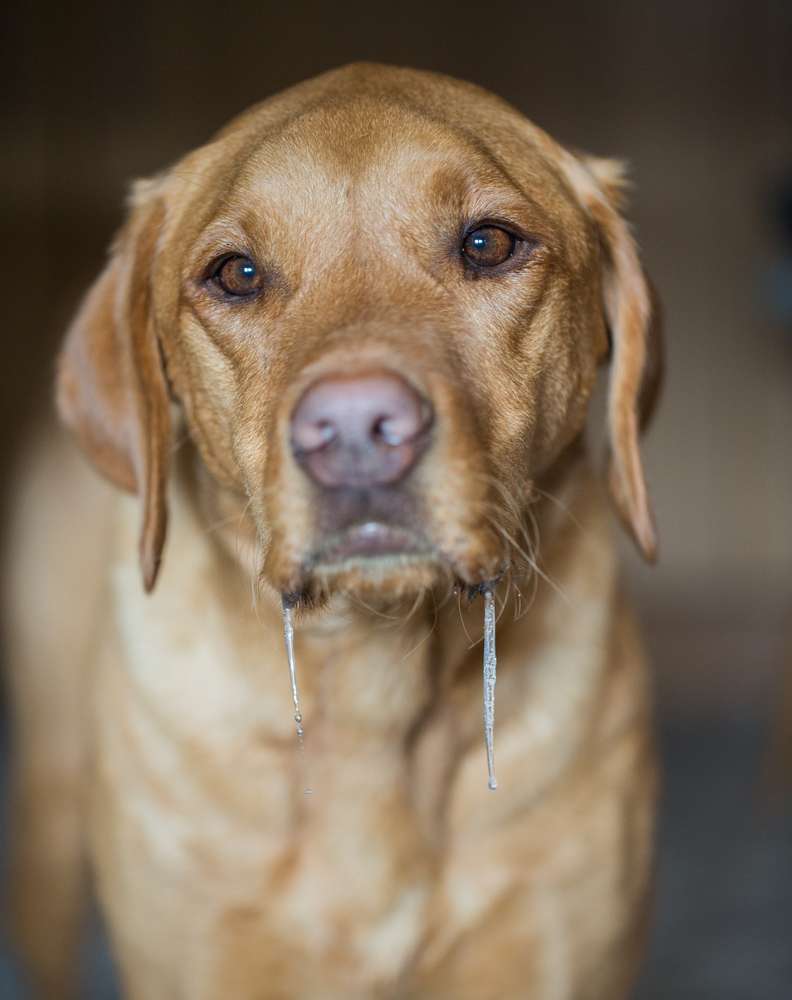
- Drooling
- Vomiting/dry heaving
- Excessive licking
- A “grin” with tense lips
Solutions
1.Desensitization
You can start by taking your dog into the car for a few minutes daily without going anywhere. Go through the whole routine and give positive reinforcement. Make it fun. Next, take short trips at least two to three times per week. This can just be going around the block. Once ready, start to go somewhere fun, such as a park, so that your dog will associate car rides with fun places. Repeat often to reinforce this enjoyable experience.
Offer small, healthy treats to reinforce wanted behaviors such as getting into the car and settling down in the car. Just be prepared that initially you might be cleaning these treats after they are vomited up. Avoid large meals prior to travel.
2. Comfort
Be sure that you make the car rides as comfortable as possible. A crate might be how your dog will feel the most secure, especially initially. A solid-sided crate is often better because your dog won’t see the blurred lines of movement which can worsen nausea. A seat belt or car seat may be more comfortable for older puppies. Bring your dog’s favorite toy and blanket.
Open the car windows slightly. I know for me, as I can feel sick during long trips, this makes a big difference. This can ease car sickness by helping to balance the air pressure in the car and the smells of the outside world can be a welcome distraction for your dog.
Stop frequently on long trips, as some dogs need breaks to prevent motion sickness. A good guideline is to stop after two hours to let your dog out (on a leash, of course) to relieve himself. You can also offer him a drink of water or some ice chips to chew.
3. Distraction
A frozen peanut butter or pumpkin filled kong or favorite healthy chew can serve as a distraction for your pup during travel. Calming music and your encouraging voice can also help keep your puppy distracted and calm.
4. Training
Training commands around the car experience not only makes travel safer for your dog but also builds your dog’s confidence around the activity. Have your dog wait for the command to enter and leave the car. Use a command such as “up” to invite your dog into the car. Give a command such as , “settle” to encourage stillness while riding in the car. And teach a release command to come out of the car such as, “o.k.” This release command could prevent your dog from jumping out unexpectedly when you’re near traffic.
Training around the car elevates your puppy’s confidence because your puppy is distracted by the training instead of focusing on the stress and knows exactly what you expect from him in regards to the car rides.
5. Treatments
Natural Remedies
There are natural herbs and plants that may help to calm your dog and settle their stomach, such as:
- Chamomile-is a gentle herb that soothes the stomach and also has sedative effects that may help your dog relax during travel.
- Ginger-Ginger has anti-spasmodic and antacid effects to settle stomach irritation and nausea.

Give 30-40 minutes prior to car rides. You can give 50:50 with chamomile.
Lavender, chamomile, and sandalwood scents
These are thought to reduce anxiety and have a positive effect on behavior and mood. A study was published showing dogs spent significantly more time resting and sitting and less time moving and vocalizing during car rides when lavender was introduced for car rides.
Apply a few drops lavender, chamomile or sandalwood oil to a cotton ball and place it inside the vehicle about 30 minutes before the car ride. This fills the vehicle with a soothing aroma. Don’t let your dog ingest the cotton ball. You could also make a calming spray to spray in the car, on bedding or on a bandana. I wouldn’t do all 3 as you don’t want to overwhelm your dog with the scents.
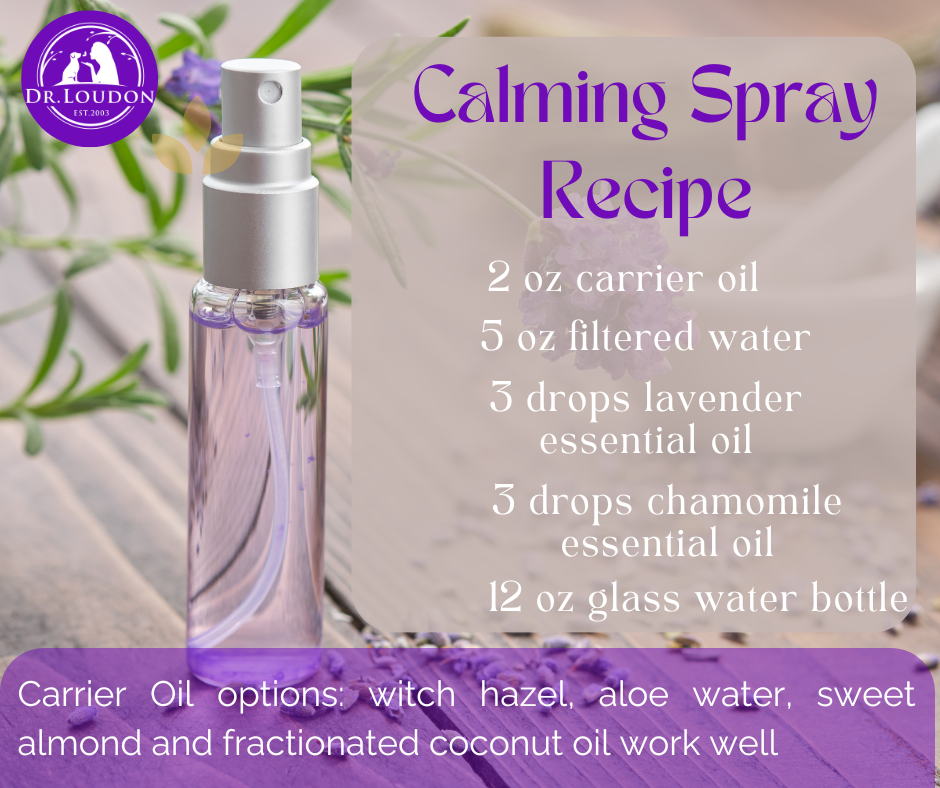
Instructions:
Mix the carrier oil and essential oils together. Shake. Add the water. It works best if you can start before your dog gets stressed.
* When selecting an essential oil, choose a high-quality oil from a reputable company in order to avoid contaminants and adulterants. These additives can cause adverse side effects or be less effective.
Other Calming Remedies
- Valerian is safe and calms nerves.
- St. John’s Wort Can help your dog relax and help treat stress.
- CBC oil helps your dog stimulate his natural ability to create serotonin which is a natural mood stabilizer.
* Be sure to check with your veterinarian before giving your dog medications.
Car travel can be a nightmare when your dog is experiencing car sickness however, with a plan and some patience you can help your dog overcome it. Don’t allow this hiccup to limit your adventures with your beloved friend.